Photo by Jinomono Media on Unsplash
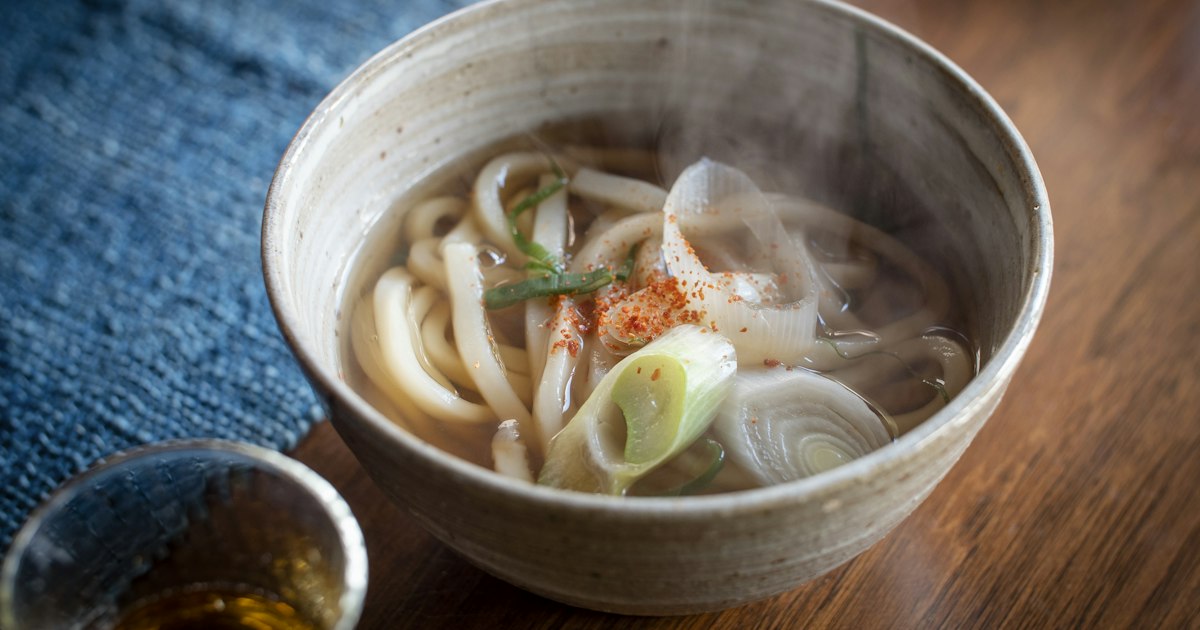
Kagawa Prefecture is the smallest prefecture in Japan, but it eats more udon per person than anywhere else in the country. Locals call it “Udon-ken” — Udon Prefecture — only half-jokingly, and the noodle culture here is different from what you’ll find in a Tokyo udon shop. Shops are cheap, self-service, and often run by families who’ve been boiling the same recipe for decades out of a converted garage or farmhouse. Visiting a handful of them in one day, known informally as an udon pilgrimage, is one of the most rewarding low-cost food experiences in Japan. Here’s how to actually do it.
Why Kagawa Is Japan’s “Udon Prefecture”
Kagawa’s old name was Sanuki Province, which is why the noodles are called Sanuki udon. The region’s flat, dry Setouchi climate is good for growing wheat, and the local water and salt levels happen to suit noodle-making, so udon became a daily staple rather than an occasional treat. Today there are several hundred udon shops packed into a prefecture you can drive across in under two hours, and the noodle chain Marugame Seimen — now found across Japan and internationally — takes its name from the Kagawa city where it started.
Kake, Bukkake, or Zaru? A Quick Order Guide
Menus are short but the terminology trips up first-timers. The main styles are:
- Kake udon — noodles in hot dashi broth, the plainest and cheapest option.
- Bukkake udon — noodles topped with a small amount of concentrated, undiluted sauce (not swimming in broth), served hot or cold. This is Kagawa’s signature style.
- Kamatama udon — hot noodles straight from the pot mixed with a raw egg and soy sauce, silky and rich.
- Zaru / hiyashi udon — cold noodles for dipping, popular in summer.
If you’ve already read our guide to zaru soba etiquette, the slurping and dipping mechanics carry over directly to zaru and bukkake udon — loud slurping is normal and helps cool the noodles as you eat.
How Self-Service Udon Shops Actually Work
Most everyday shops in Kagawa are “self” (セルフ) style, and the system is the same reason locals eat here almost daily — it’s fast and cheap. The general sequence:
- Tell the staff your noodle order and size (small/regular/large, or 小/並/大) — they boil it fresh in front of you.
- Take your bowl and walk down a counter of self-serve tempura, inari sushi, and croquettes; add whatever you want to your tray.
- If it’s a kake-style bowl, ladle hot dashi broth from a communal pot yourself and cut your own scallions from a bin.
- Pay at the register at the end — everything on your tray gets totaled together.
Budget for this: a small kake or bukkake udon typically runs about ¥250–450, and a couple of tempura pieces add ¥100–150 each, so a full, satisfying meal usually costs ¥400–700. It’s genuinely one of the best-value hot meals in Japan.
Where to Eat, by Budget
Budget: Rural self-service shops are the heart of the pilgrimage — many are open only a few hours a day (often roughly 8:30am–2pm, or until the noodles sell out) and some barely look like restaurants from outside. Expect to pay under ¥500 for a full bowl.
Mid-range: Sit-down udon restaurants in Takamatsu, Marugame, and Kotohira serve set meals with tempura, rice, and pickles for around �¥800–1,300, with table service and English-friendly menus more common near stations and tourist sites.
Splurge / experience: Book a session at Nakano Udon School in Kotohira, where you knead and stretch your own noodles (including the traditional step of stepping on the dough) under a teacher’s guidance, then eat what you made. Sessions run roughly ¥1,600–1,800 per person and take about 40–50 minutes — a fun rainy-day activity that pairs naturally with a visit to nearby Kotohira-gu shrine, famous for its long stone staircase.
Getting to Kagawa and Getting Around
Takamatsu is the prefecture’s transport hub. From Okayama, the JR Marine Liner crosses the Seto-Ohashi Bridge to Takamatsu Station in about an hour, making it an easy add-on from a Kansai or Hiroshima itinerary via the Sanyo Shinkansen. Takamatsu Airport also has direct flights from Tokyo Haneda (roughly 80 minutes). If you’re arriving from Tokyo and enjoy overnight trains, the Sunrise Seto sleeper train runs directly from Tokyo Station to Takamatsu, arriving early morning — a scenic, novel way to start an udon-focused trip.
Once in Kagawa, the local Kotoden railway connects Takamatsu with Kotohira, but many of the best-known rural shops are only reachable by car, since they’re tucked into farmland with no station nearby. Renting a car is the most efficient way to hit several shops in a day; if you’re driving between towns on the expressway, our guide to ETC cards and expressway tolls covers how to set up the toll card most rental counters will offer you. If you’d rather not drive, “udon taxi” services are available in the region — a driver who knows the back-road shops takes you on a set multi-stop course, typically charged by the hour and split among passengers.
Best Season and Common Mistakes
Udon is eaten year-round in Kagawa — hot kake and kamatama in winter, cold bukkake and zaru in the humid summer — so there’s no wrong season to visit. The main scheduling issue is hours, not weather: the most famous rural shops sell out and close early, sometimes by early afternoon, and are busiest on weekends and holidays. Visiting on a weekday morning is the easiest way to avoid a queue.
The most common mistakes first-timers make: assuming a self-service shop has table service and waiting to be seated; not realizing the tempura and rice balls on the counter are self-serve and get added to your bill at checkout; and trying to cram too many shops into one day. Two or three shops, eaten in small portions, is plenty — the noodles are heavier than they look, and part of the fun is picking a variety of toppings rather than filling up at the first stop.
If you have extra time on Shikoku, Kagawa pairs well with a side trip to neighboring Tokushima, especially in summer around the Awa Odori dance festival, or with the art islands of the Seto Inland Sea reachable from Takamatsu’s port.