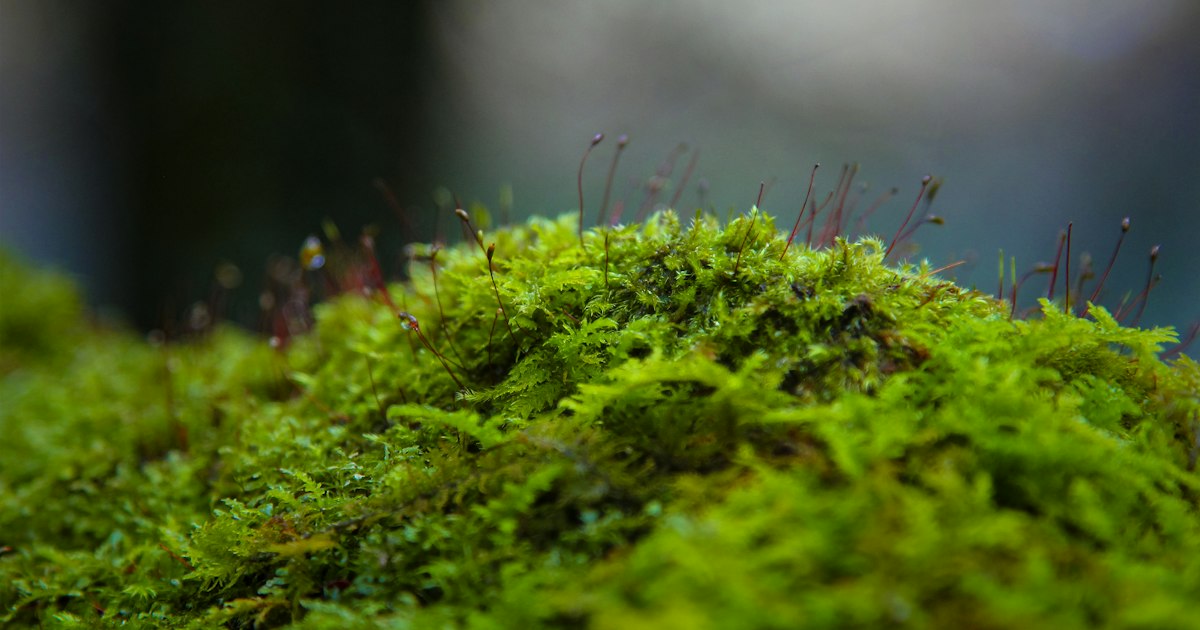
If you’ve scrolled past photos of small plants dangling in little moss orbs from macrame string, you’ve seen kokedama — literally “moss ball” — one of Japan’s quietest but longest-running houseplant trends. Unlike a lot of souvenir-shop crafts, kokedama is a genuine horticultural technique with roots in bonsai, and it travels surprisingly well if you buy the right version. Here’s what it actually is, when to go looking for one, and exactly where in Japan you can buy a starter kit instead of guessing at garden centers.
What Is Kokedama, Exactly?
Kokedama grew out of nearai, an older bonsai style where a plant’s roots and soil are shaped into a ball and displayed bare, without a pot. Somewhere in the 1990s hobbyist boom, growers started wrapping that same root ball in sheet moss and binding it with string, which made the plant portable and let it be hung or set on a tray like a living ornament. The core idea is simple: a clay-heavy soil ball holds moisture, moss wraps around it to retain humidity and look tidy, and twine or fishing line keeps the whole thing from falling apart. Common plants for kokedama include pothos, ferns, small ficus, peperomia, and seasonal picks like dwarf hydrangea or Japanese maple for a more bonsai-like look.
Best Season to Buy or Make One
Spring (late March–May) and autumn (late September–November) are the best windows, both for buying a ready-made kokedama and for taking a workshop. Temperatures are mild enough that the moss doesn’t dry out on the walk back to your hotel, and most shops restock their plant selection after the New Year and Golden Week lulls. Avoid peak summer if you can — kokedama moss browns quickly in direct heat and needs daily misting, which is hard to manage while traveling. Winter is fine for buying a kit, but skip cold-sensitive plants like ficus unless you’re taking it somewhere warm.
Where to Buy a Kokedama Starter Kit in Tokyo
You don’t need to track down a specialty nursery — a few reliable options cover most budgets:
- Tokyu Hands (Shibuya, Shinjuku, Ikebukuro branches) — stocks pre-made kokedama kits in the gardening section, typically ¥1,500–3,500 depending on plant size, including sheet moss, twine, and sometimes a small wire stand. Open roughly 10:00–21:00 daily. This is the easiest one-stop option if you’re also picking up other travel gear — see our Tokyu Hands and Don Quijote packing guide for what else is worth grabbing on the same visit.
- Daiso and other ¥100-shop chains — sell raw materials (dried sphagnum moss, jute twine, small succulents) for under ¥500 total if you want to assemble your own rather than buy a finished piece. Quality is basic but functional for a first attempt.
- Solso Farm (Nakameguro) — a design-forward plant shop that carries curated kokedama with unusual plant pairings (small conifers, variegated ferns), priced from around ¥3,000–6,000. Good if you want something that looks considered rather than mass-produced.
- Jiyugaoka’s plant shop cluster — several independent florists and garden shops near Jiyugaoka Station carry kokedama seasonally, often with more unusual moss textures than the chain stores.
- Yanaka Ginza area — the old shopping street and nearby garden shops occasionally stock kokedama among bonsai supplies, worth a stop if you’re already in Yanaka for its temples and cats.
Workshops: Making Your Own Kokedama
If you’d rather build one than buy a finished product, plant cafés and flower shops in Tokyo run hands-on kokedama workshops, usually lasting 60–90 minutes and priced around ¥3,000–6,000 including the plant, moss, and tools. These sessions are typically run in Japanese but staff are used to tourists and will walk you through it with gestures and simple English. Booking ahead is strongly recommended since class sizes are small — look for listings through the shop’s own website or social media rather than showing up and hoping for a spot.
Budget, Mid-Range, and Splurge Options
Budget (under ¥1,000): Daiso or Seria moss and a cutting from a succulent you already have — assemble it yourself with free online tutorials.
Mid-range (¥1,500–3,500): A Tokyu Hands or Loft pre-made kit with a healthy pothos or fern, moss already dried and shaped, ready to display within a day of rehydrating.
Splurge (¥5,000+): A designer kokedama from a shop like Solso Farm, often paired with a hand-thrown ceramic dish or a custom macrame hanger, sometimes featuring slower-growing plants like dwarf Japanese maple that make a genuine long-term houseplant investment.
Common Mistakes First-Timers Make
The number one mistake is overwatering — a kokedama should be dunked in water for about 10–15 minutes once the moss ball feels light, then drained, not watered like a potted plant on a daily schedule. The second is buying one too early in a long trip: if you’re not home for two or three more weeks, the moss will dry out or mold in a hotel room with no humidity control. The third is choosing a plant that needs more light than a hotel window provides — ferns and pothos tolerate low light far better than flowering plants. And if you’re paying by card at a smaller specialty shop rather than a big chain, keep cash on hand; our guide on why foreign credit cards get declined in Japan covers why small retailers sometimes can’t process your card.
Getting a Kokedama Home
Living plants are tricky to fly with and some have customs restrictions depending on your destination country, so check your home country’s agricultural import rules before you buy — many countries prohibit soil and living plant material entirely, even if wrapped in moss. If importing a live plant isn’t an option, some shops sell “dried” or preserved moss kokedama kits intended as display pieces rather than living plants, which sidestep most of these restrictions and pack flat in a suitcase. If you do want to ship or mail a live kokedama, treat it the same way you’d plan for other bulky souvenirs — our guide to shipping a koinobori carp streamer set home has useful pointers on packaging and courier options for delicate items, though living plants are generally not accepted by international couriers. For a lower-hassle alternative, several Japanese retailers run mail-order catalogs that ship seasonal plant and craft kits abroad — see our piece on Felissimo and Japan’s mail-order catalog culture for how that works if you’d rather order a kokedama kit after you’re already back home.