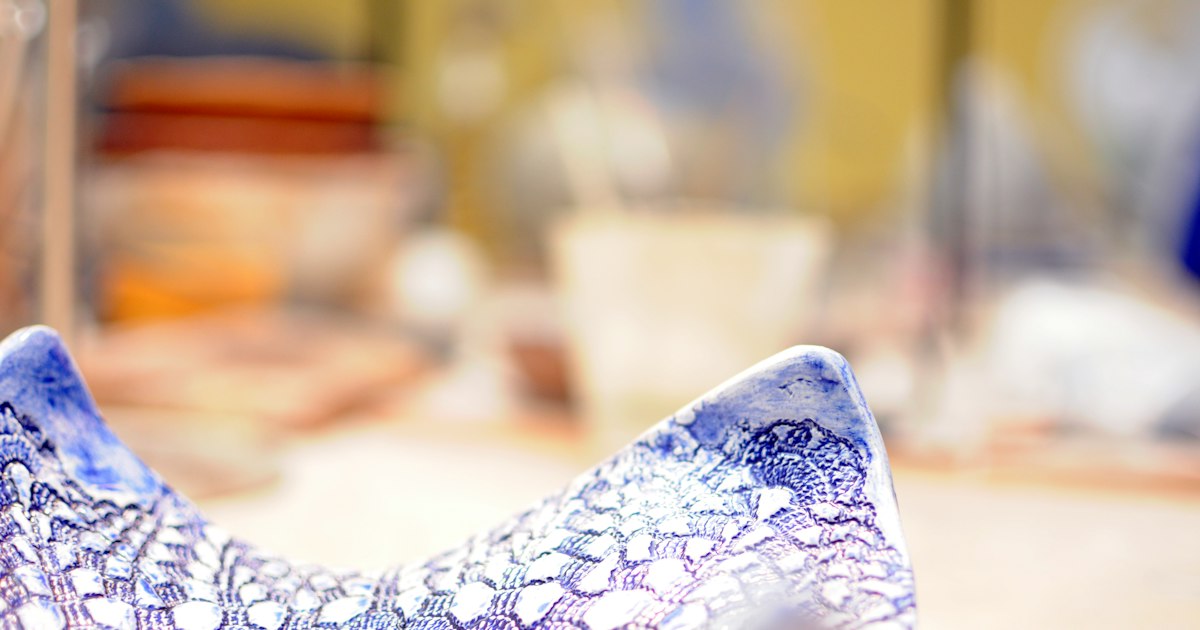
Photo by Ivan Pergasi on Unsplash
Most porcelain-hunting trips to Kyushu end at Arita, and almost nobody makes it the extra 40 minutes to Mikawachi. That’s a shame, because Mikawachi ware (三川内焼) was historically the porcelain reserved for shoguns and feudal lords — it’s thinner, whiter, and far more technically demanding than most of what’s sold in Arita’s tourist shops. Known historically as Hirado ware because it was produced under the patronage of the Hirado domain’s Matsuura clan, it’s one of the least-visited craft traditions in Japan despite a 400-year pedigree. Here’s how to actually find it.
What Makes Mikawachi and Hirado Ware Different
Mikawachi sits in the hills above Sasebo, in Nagasaki Prefecture. From the early Edo period, its kilns supplied gift-grade porcelain to the Tokugawa shogunate and to Dutch and Chinese traders passing through nearby Dejima, which is why the ware is sometimes called “Hirado ware” — Hirado being the domain name, not the island town of the same name (more on that mix-up below). Two things set it apart from Arita/Imari porcelain, its much more famous neighbor:
- Amakusa clay. Mikawachi uses an unusually pure white clay sourced from the Amakusa Islands, fired to a porcelain body so fine that signature pieces, called “koma-zara” (駒皿), can be almost eggshell-thin.
- Karako motifs. Instead of Imari’s dense floral patterns, Mikawachi is known for sometsuke (cobalt blue-on-white) scenes of karako — Chinese children at play — painted with a looser, more painterly brush than Arita’s typically bolder designs.
Production never scaled up the way Arita’s did, which is exactly why it’s harder to find and, for collectors, more interesting.
Getting to Mikawachi: Trains, Timing, and the Best Season
From Hakata Station in Fukuoka, take the JR Limited Express Midori to Sasebo Station (about 1 hour 50 minutes, roughly ¥5,000–6,000 one-way including the limited express surcharge). At Sasebo, transfer to the Matsuura Railway — a separate private line, not covered by JR passes — and ride it two stops to Mikawachi Station (about 10 minutes, a few hundred yen). From the station it’s a 10–15 minute uphill walk to the kiln district, often called Sarayama (“plate mountain”), where showrooms line a quiet residential road.
Plan on a half-day round trip from Sasebo or a full day if combining it with Arita. The single best time to go is during the Mikawachi Ceramic Fair, held annually over Golden Week (late April into early May), when most kiln houses open their workshops, run factory-outlet pricing, and set up street stalls you won’t see any other time of year. Outside the fair, expect many kiln showrooms to keep modest hours — roughly 9:00–17:00 — and some small family-run kilns close without notice or require you to ring a bell for someone to come out, so don’t expect Arita-style retail polish.
Where to Buy
You have three realistic options:
- Kiln showrooms in Mikawachi itself. Individual kiln houses (gama-moto) along the Sarayama hillside sell direct from their own workshops — this is where you’ll find the widest range and the best prices, since there’s no retail markup. Not every kiln has a dedicated shop window, so the Mikawachi Ceramic Art Museum near the station is a useful first stop to see pieces from multiple kilns side by side before deciding where to go next.
- The ceramics cooperative’s exhibition hall. Several kilns’ work is consolidated at a shared sales hall in Mikawachi, which is the easiest single stop if you don’t have time to walk between individual kilns.
- Nagasaki City and Fukuoka department stores. Prefectural product halls and traditional-craft corners in major department stores (Hamaya in Nagasaki, Iwataya and others in Fukuoka) occasionally carry a curated selection of Mikawachi pieces, useful if your itinerary doesn’t reach Sasebo at all.
What to Buy and What It Costs
Budget (¥1,500–4,000): Small sake cups, chopstick rests, and single small dishes with a simple karako or landscape design — the easiest entry point and genuinely usable souvenirs.
Mid-range (¥8,000–25,000): Rice bowls, teacups, and small bowls with fuller karako or sometsuke landscape painting. This is where the hand-painting quality becomes obvious compared to mass-produced blue-and-white ware.
Splurge (¥50,000 and up, sometimes well into six figures): Large vases, tea ceremony implements, and signed pieces from established kiln families — the eggshell-thin koma-zara pieces fall here. These are investment buys for serious collectors, not casual souvenirs.
If you’re drawn to fine Japanese tableware generally, it’s worth pairing a porcelain purchase with a good hinoki or ginkgo cutting board — the contrast of traditional wood and porcelain is a popular combination for anyone building out a Japanese kitchen at home.
Common Mistakes
The biggest one is simply not knowing Mikawachi exists — most visitors assume Arita and Imari are the only porcelain towns worth the detour and never add the extra 10-minute train ride. The second is confusing “Hirado ware” with Hirado Island itself; the actual kilns are in Mikawachi, a district of Sasebo on the mainland, not on Hirado Island 40 minutes further out. If you do want to see Hirado’s own Dutch-trade history, that’s a separate side trip, not part of this porcelain route.
The third mistake is showing up on a weekday outside the Golden Week fair expecting full retail hours everywhere — call ahead or confirm via the museum if you have a specific kiln in mind. And if you’re a collector of other small antiques, note that Nagasaki’s trading-port history also left it with a decent concentration of antique dealers; if that interests you, it’s worth reading up on hunting Edo-era koban coins while you’re in the region.
Packing and Buying Online
Porcelain is fragile and heavy, and most kiln showrooms will wrap pieces well but won’t necessarily box them for checked luggage. Ask for extra bubble wrap and consider carrying fragile pieces in your carry-on rather than checked baggage; if you’re also packing liquids like sake or cosmetics bought on the same trip, it’s worth reviewing TSA rules on liquids and locks before you repack for the flight home.
If you fall in love with a kiln’s style but can’t carry more home, several Mikawachi kilns and the local cooperative sell through Rakuten Ichiba. Ordering from overseas has its own quirks around language and shipping, which is covered well in our guide to buying from Rakuten Ichiba as an overseas shopper — it’s the most reliable way to add to a Mikawachi collection after you’ve gone home.