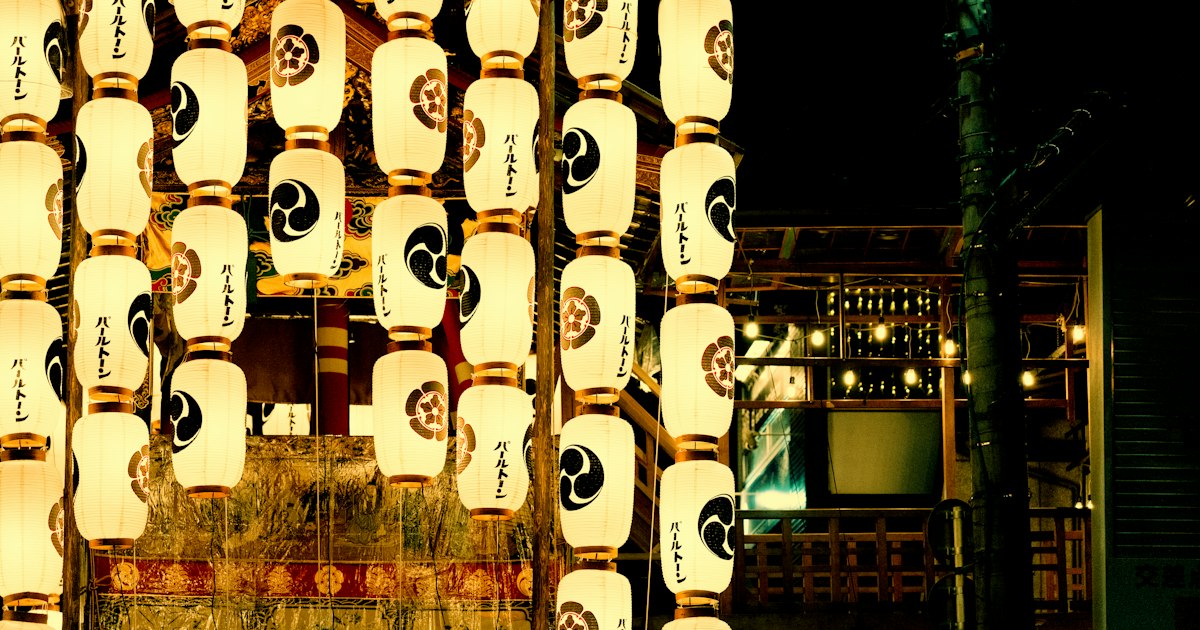
Photo by ayumi kubo on Unsplash
If you picture Japanese performing arts as Noh masks and slow, formal movement, Takarazuka Revue will throw you completely off balance. Think glittering rhinestone capes, a 20-foot feather headdress descending a staircase, and an entire cast of women playing both the dashing male leads and the women who swoon over them. It’s one of Japan’s most beloved — and least understood by visitors — theatrical institutions, with a century-long history and a fan culture as intense as anything in idol pop. Here’s what it actually is, where to see it, and how to get a ticket without accidentally breaking an unwritten rule.
What Is the Takarazuka Revue?
Founded in 1914 by railway magnate Ichizo Kobayashi as a way to draw passengers to the end of his new train line, the Takarazuka Revue is an all-female musical theater company based in Takarazuka, Hyogo Prefecture, just outside Osaka. Every performer, from the swaggering leading men to the comic relief, is a woman — a deliberate reversal of kabuki’s all-male tradition. Shows mix lavish original musicals (historical romance, sci-fi, adaptations of manga and Western novels) with a second-half revue of pure song-and-dance spectacle, usually capped by the famous “Grand Staircase” finale where the entire cast descends in sequined costumes to thunderous applause.
The troupe trains its own performers from scratch at the attached Takarazuka Music School, a two-year program so competitive and disciplined it’s often compared to a convent crossed with a boot camp. Graduates are assigned for life to one of the company’s troupes and can never perform outside Takarazuka while under contract — part of why fans follow individual stars with such devotion.
The Five Troupes and the “Otokoyaku” System
The Revue is organized into five troupes — Flower (Hana), Moon (Tsuki), Snow (Yuki), Star (Hoshi), and Cosmos (Sora), plus a smaller specialty unit called Senka for veteran performers. Each troupe stages its own productions and has its own fan base, its own color, and its own “Top Star” — the lead otokoyaku (male-role specialist) who tops the billing until she retires, usually within a few years of reaching the position. The other half of every pairing is the musumeyaku, who specializes in female roles. Knowing a troupe’s current Top Star combo is the quickest way to figure out which show is generating buzz, since ticket demand swings heavily around star popularity and retirement announcements.
Where to See a Show
There are two home theaters, and productions rotate between them:
- Takarazuka Grand Theater — in Takarazuka City, Hyogo. About 1,500-2,000 seats. Reached via the Hankyu Takarazuka Line from Osaka-Umeda Station (roughly 30 minutes) or the JR Takarazuka Line from Osaka Station. The theater is a short, well-signed walk from Takarazuka Station through a plaza lined with rose gardens and a statue of Osamu Tezuka, who grew up in the city (the Tezuka Osamu Manga Museum is right next door if you want to combine the trip).
- Tokyo Takarazuka Theater — in Hibiya/Yurakucho, a few minutes’ walk from Yurakucho Station or Hibiya Station. This puts it close to Ginza, so it’s easy to pair a matinee with shopping or dinner — the underground mall at Tokyo Station’s Gransta or the Kitte building near Tokyo Station are both a short ride away if you want to browse before curtain; see our guide to ekinaka station-mall shopping for specifics.
Both theaters sell programs, photo books, and character goods for the current production in their lobby shops — a genuine souvenir opportunity even if you don’t catch a performance, since the shops are sometimes open to non-ticket-holders on performance days.
How to Get Tickets
This is the part that trips up most foreign visitors. Takarazuka does not sell tickets the way a Broadway show does.
- Lottery presale first. A few months before a run opens, the official site runs a members-only lottery (web member registration is free and open to overseas addresses). Winning the lottery is the most reliable way to get a seat for a popular run.
- General on-sale. Remaining tickets go on general sale roughly one month before the run, through the official Takarazuka ticket site or the Pia/e+ ticketing platforms. These sell out fast for Top Star farewell performances.
- Resale market (チケトレ / Ticket Trade). The company runs its own official resale platform so fans can pass on tickets they can’t use, at face value — use this rather than street scalpers, which are discouraged and risky.
- Day-of rush seats. Both theaters occasionally release a small number of same-day standing or obstructed-view tickets at the box office, generally cheaper, but availability isn’t guaranteed and queues can start hours early.
- Typical prices run roughly ¥3,500-4,000 for the cheapest C seats, ¥5,000-6,000 for B seats, ¥8,000-9,000 for A seats, and ¥12,000-13,000 for the best S seats — broadly in line with major Japanese theater pricing, though exact tiers shift by production.
If you don’t read Japanese, the ticket site can be navigated with a browser translator, but seat maps and the lottery form are easiest with a local friend or your hotel concierge’s help the first time.
Best Time to Visit and What to Expect
Productions typically run for several weeks at each theater before moving to the other city, so check the current run’s dates before building a trip around it — there’s no year-round repertory the way Broadway works. Weekday matinees are generally easier to get into than weekend shows or a Top Star’s final performances, which sell out within minutes of going on sale. Shows usually run about three hours including an intermission, with no photography or recording permitted during the performance. Dress is casual-smart; no one will turn you away in travel clothes, but fans do dress up, especially for farewell shows.
Common Mistakes to Avoid
- Assuming you can walk up and buy a good seat. Popular runs, especially a Top Star’s debut or retirement show, can sell out the day tickets go live.
- Skipping the lottery registration. It’s free and your best shot at prime seats — don’t wait for general sale only.
- Confusing the two theaters. Double-check whether your dates fall during the Takarazuka (Hyogo) or Tokyo run before booking trains or hotels.
- Buying from unofficial resellers. Stick to the official Ticket Trade resale system; scalped tickets can be refused entry.
- Not budgeting travel time from Osaka. The Grand Theater is a worthwhile day trip from Osaka or Kyoto, but factor in the 30-45 minute train ride each way plus time to explore Takarazuka’s small but charming theater district.
Budget, Mid-Range, and Splurge Options
On a tight budget, aim for C or B seats (¥3,500-6,000) and try for a weekday matinee, where rush tickets are more likely. Mid-range visitors should budget for A seats (¥8,000-9,000) through general on-sale, which still give a clear view of the stage. For a splurge, S seats near the front (¥12,000-13,000+) during a Top Star’s signature run are the way to experience the full spectacle — including the finale parade — up close, and make a memorable souvenir program purchase worth the trip on its own.