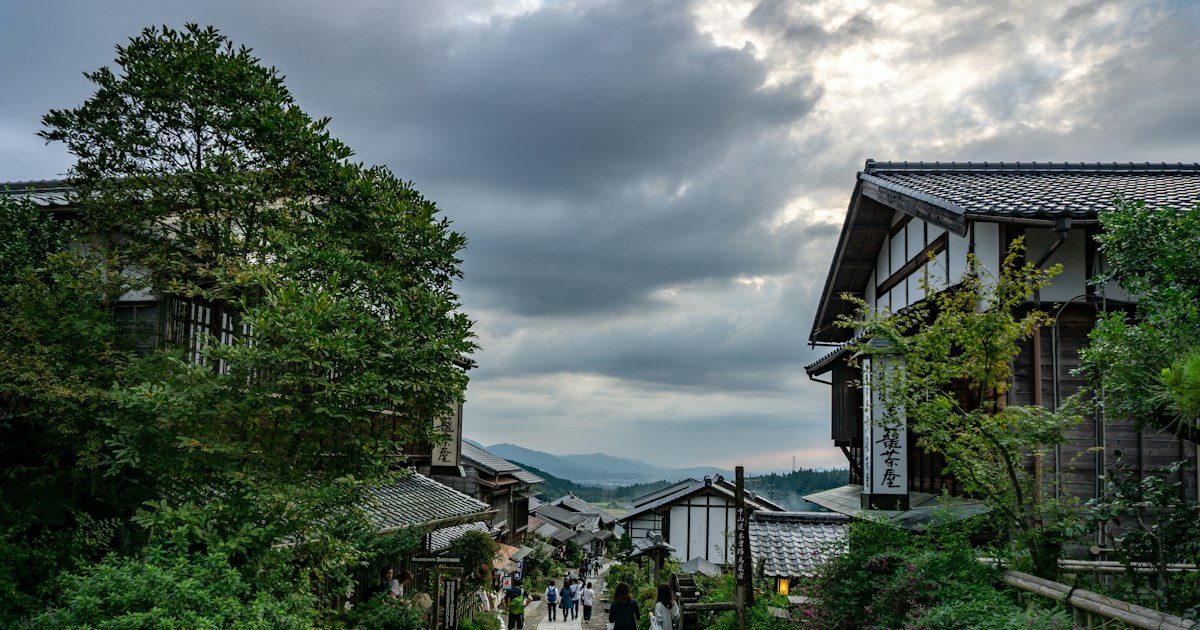
Photo by Sebastian on Unsplash
Most hot spring towns in Japan ask you to admire the view. Yunomine Onsen asks you to cook breakfast in it. Tucked into a narrow valley on the Kumano Kodo pilgrimage route in Wakayama Prefecture, this tiny village has a bathhouse that is itself registered as UNESCO World Heritage — the only one in the world — and a public stream hot enough to hard-boil an egg in about fifteen minutes. It’s an easy add-on if you’re already walking the Kumano Kodo, and worth a dedicated detour even if you’re not.
Why Yunomine Is Different From Every Other Onsen Town
Yunomine Onsen is said to be one of Japan’s oldest hot springs, with a history stretching back some 1,800 years, and it sits inside the “Sacred Sites and Pilgrimage Routes in the Kii Mountain Range” UNESCO World Heritage listing — the same designation that covers the Kumano Kodo trails and Kumano Hongu Taisha. What makes it unusual is that the listing doesn’t just cover the surrounding shrines and forest paths; it includes Tsuboyu, a single wooden bathhouse standing directly over the spring. You can walk in and bathe in a UNESCO World Heritage Site. No other hot spring on earth can say that.
The village itself is small — a cluster of ryokan, a few shops, and a stream running down the middle of the street, steaming visibly even in summer. It’s the kind of place where you spend an afternoon, not a week, but that afternoon is memorable.
Tsuboyu: The Bath That’s Also a World Heritage Site
Tsuboyu is a one-room wooden hut straddling the stream, with a small natural rock bath inside just big enough for one or two people. The water is drawn directly from the source and is said to change color up to seven times a day depending on mineral content and temperature — from clear to milky white to pale blue-green.
To bathe, buy a ticket at the Yunomine Onsen Kyodo Kumiai office across the street (look for the building with the ticket counter near the stream); expect to pay around ¥800 for a 30-minute slot. Baths run roughly from 6:00am to 9:30pm, with sessions limited to 30 minutes since only one party can use it at a time — on busy weekends and holidays, there can be a short wait. Bring ¥1,000-¥2,000 in cash; this is a small village office, not a place that takes cards. The water runs hot, often above 40°C, so it’s not the spot for a long soak — treat it as a short, memorable dip rather than your main bath of the day.
Yu-dame: Boiling Your Own Eggs in the Street
The other reason people make the trip is Yu-dame, the public boiling area in the center of the village where a dedicated channel of spring water runs at a near-constant 90°C or so. Local shops sell raw eggs (around ¥100 each) and sometimes vegetables like potatoes or corn, along with a mesh bag to lower them into the water. Leave an egg in for about 13-15 minutes for a soft-set onsen tamago, or longer for a firmer yolk — there are no lifeguards or timers, so bring a phone or watch.
A few practical notes: this water is genuinely scalding, not bath-temperature — don’t touch the stream directly, and keep an eye on kids. There’s also a free public footbath (ashiyu) near the main stream if you just want to dip your feet while your egg cooks, and several shops sell drip coffee or tea made with the local water, which has a faint mineral taste worth trying once.
How to Get to Yunomine Onsen
Yunomine Onsen sits deep in the mountains, so plan for a full travel day if you’re coming from Osaka or Tokyo. The most common route:
- By train + bus: Take the JR Kisei Line to Kii-Tanabe Station (about 2.5-3 hours from Osaka’s Shin-Osaka or Tennoji by limited express), then transfer to a Ryujin Bus bound for Hongu or Shingu. The ride to the Yunomine Onsen bus stop takes around 85-90 minutes and costs roughly ¥2,500-¥2,800 one way. Buses run only a handful of times a day, so check the timetable before you go — missing the last one back is a real risk, not a theoretical one.
- Via Kumano Hongu Taisha: If you’re visiting the grand shrine first, Yunomine is only about 3.5km away — roughly a 20-minute bus ride or a manageable walk/taxi if you’d rather not wait for the bus schedule.
- From Shingu or Kii-Katsuura (Kii Peninsula coast side): Buses also connect from these stations, useful if you’re approaching from Ise or Nagoya rather than Osaka.
Having a car makes this region far easier, but mountain roads are narrow and winding, and parking in the village itself is limited.
Where to Stay: Budget to Splurge
Most visitors treat Yunomine as a day stop between Kumano Hongu Taisha and the next leg of the Kumano Kodo, but staying overnight is worth considering since many ryokan have their own baths fed by the same spring.
- Budget: Simple minshuku-style guesthouses from around ¥8,000-¥10,000 per person with breakfast, often family-run with just a handful of rooms.
- Mid-range: Traditional ryokan with half-board (dinner and breakfast included) typically run ¥15,000-¥22,000 per person, usually featuring a kaiseki-style dinner with local Kumano river fish and mountain vegetables.
- Splurge: A few higher-end ryokan offer private in-room baths drawing directly from the Yunomine source, from around ¥30,000+ per person. Rooms book out fast in autumn foliage season, so reserve well ahead — and if dinner reservations or cancellation policies feel confusing, the etiquette around no-show penalties covered in this guide to restaurant reservations in Japan applies just as much to ryokan dining plans.
Best Time to Visit and Common Mistakes
Yunomine works year-round. Autumn (mid-November) brings foliage along the valley walls; winter adds snow and a sharper contrast with the steaming stream, which is genuinely beautiful but means icy mountain roads — check conditions if driving. Summer is quieter but hot and humid in the valley; spring overlaps with Golden Week crowds on the Kumano Kodo, which also fills Yunomine’s limited lodging.
Mistakes worth avoiding: assuming you can pay by card (bring cash for the bath ticket and egg shops); underestimating bus frequency and getting stranded; expecting the egg-boiling stream to be a bathing spot (it isn’t — it’s near-boiling); and skipping a ticket reservation at Tsuboyu on weekends, when wait times can stretch past an hour. If you’re combining this with serious hiking on the Nakahechi route, treat Yunomine as your reward stop rather than a quick photo op — the whole point is to slow down.
Worth Pairing With a Wider UNESCO or Day-Trip Itinerary
If Yunomine’s blend of pilgrimage history and hands-on tradition appeals to you, it’s worth comparing with Japan’s other UNESCO-linked day trips, like the Pure Land Buddhist temples at Hiraizumi in Iwate, or the cliffside climb at Yamadera in Yamagata. Travelers based near Tokyo who like the idea of a mountain village with a soak at the end of a trail might also enjoy the Mount Mitake hike and village day trip, which follows a similar rhythm of shrine, trail, and food at a much shorter distance from the capital.