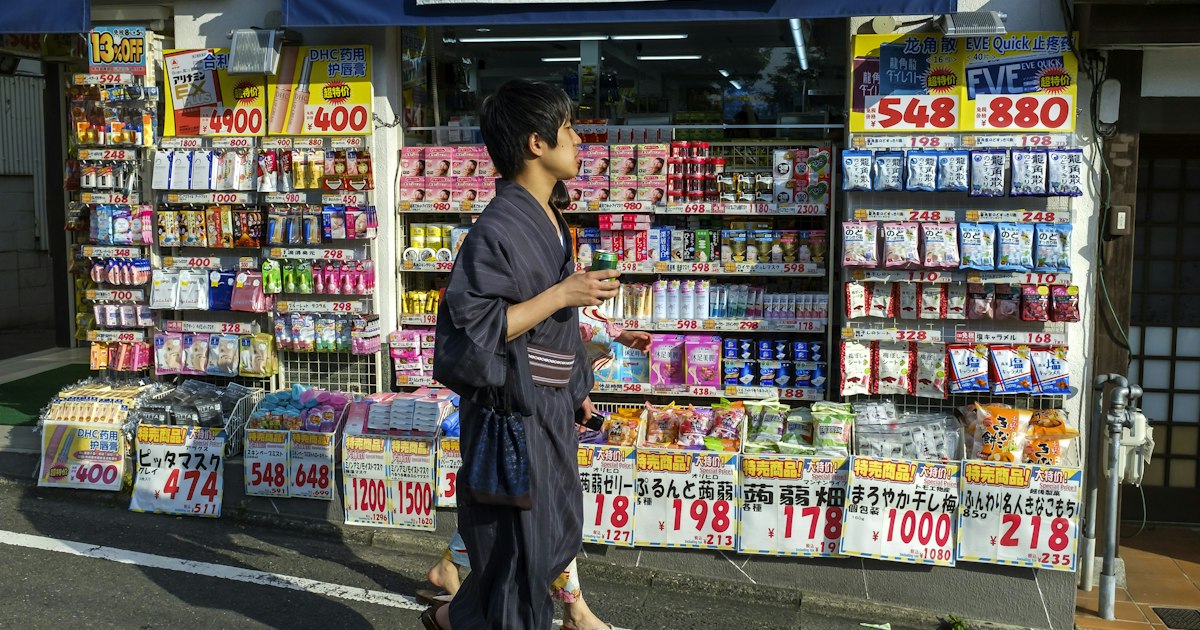
Photo by Martijn Baudoin on Unsplash
Walk into any big Tokyo electronics store and you’ll find an entire wall devoted to facial steamers, with the Panasonic “Nanocare” line usually taking up the best shelf space. These machines have a loyal following among Japanese skincare obsessives, and they’re increasingly on the shopping list of visitors who’ve seen them recommended online. Before you drop ¥20,000+ on one, here’s what the name actually means, which model fits which budget, and the voltage mistake that trips up a lot of travelers.
What “Nanocare” Actually Means
Nanocare isn’t one product — it’s a Panasonic brand umbrella that covers both hairdryers and facial steamers, and the overlap in naming confuses a lot of first-time buyers. The facial steamer side of the line works by heating water into a very fine, ionized mist that’s meant to open pores and let serums or moisturizer absorb more effectively afterward. It is not a replacement for cleansing, and it’s not a medical device — it’s a pre-skincare step, usually used for 5-10 minutes before applying your regular products.
The appeal for visitors is partly the tech (Japanese steamers are genuinely well-engineered, with fine mist particles and decent build quality) and partly that these models are hard to find — or priced much higher — outside Japan.
Facial Steamers vs. Ionic Hairdryers: Don’t Mix Them Up
Because both product categories use the Nanocare name, shoppers sometimes end up comparing a ¥35,000 facial steamer to a ¥15,000 hairdryer and wondering why the prices are so different. Check the box carefully: facial steamer models are usually labeled with “美顔器” (bigan-ki, meaning “beauty device”) or have “スチーマー” (steamer) printed on the packaging, while hairdryers say “ヘアードライヤー.” Store staff at electronics chains are used to this question from overseas customers, so don’t hesitate to ask “steamer, not hair dryer” (スチーマーですか) if you’re unsure.
Where to Buy in Japan
You don’t need a specialty shop — mainstream electronics retailers stock the full Nanocare steamer range alongside competing brands like Ya-Man and Dr.Ci:Labo. A few reliable spots:
- Bic Camera Yurakucho (near Ginza, Tokyo) — open 10:00-21:00 daily, has a dedicated beauty-appliance floor with testers you can try before buying.
- Yodobashi Camera Akiba (Akihabara) — open 9:30-22:00, one of the largest selections in the city and reliably has English-speaking staff on the beauty-electronics floor.
- Don Quijote branches — many locations are open 24 hours and carry a smaller but cheaper selection, useful if you’re shopping late or outside normal hours.
- Amazon.co.jp or Rakuten — if you have a Japanese shipping address (including a hotel, in some cases) this is often the cheapest option, though you lose the tax-free discount.
All the major camera/electronics chains offer tax-free (consumption tax exempt) purchases for overseas visitors on single-day purchases over ¥5,000 — bring your passport, and the clerk will process the exemption at the register rather than requiring a separate counter. If you’re also stocking up on Japanese drugstore skincare, it’s worth comparing with drugstore pore strips and blackhead removers, which cost a fraction of a steamer and solve a similar problem for a lot less money.
Budget, Mid-Range and Splurge Picks
Prices below are what you’ll typically see at Bic Camera or Yodobashi; Don Quijote and online retailers run slightly lower.
- Budget (¥8,000-¥13,000): Entry-level steamers, including smaller Panasonic models and competitor brands, give you basic warm-mist function without ionization or extra attachments. Fine for occasional use or as a gift.
- Mid-range (¥18,000-¥25,000): This is where most Nanocare facial steamers sit — ionized mist, a timer function, and a water tank sized for 5-10 minute sessions. This tier is the sweet spot for most buyers.
- Splurge (¥30,000-¥45,000): Premium Nanocare models add interchangeable attachments (nose/eye steaming heads), temperature control, and larger tanks for longer sessions. Worth it only if you plan to use it several times a week long-term.
If you’re combining beauty shopping with an outlet-mall trip, the Shiseido and Kao factory outlet stores are worth a detour for discounted skincare to use alongside a new steamer — they don’t sell appliances, but the serums and moisturizers you’d apply post-steam are heavily marked down there.
Voltage, Plugs and Taking It Home
This is the single most common mistake overseas buyers make. Japan runs on 100V, and most domestic-market Nanocare steamers are built for 100V only — they are not automatically compatible with 220-240V systems used in Europe, Australia, most of Asia, and elsewhere. Check the rating label on the plug or base unit before buying:
- If it says “100V only,” you’ll need a step-down transformer to use it safely at home, not just a plug adapter. Running a 100V-only heating element on 230V without a transformer can damage the unit or pose a fire risk.
- Some newer models marketed partly for export are dual-voltage (100-240V) — this will be printed clearly on the unit or box. These are the ones to look for if you don’t want to deal with a transformer.
- US and Canada visitors (120V) generally have the easiest time, since 100V devices run acceptably on 120V, though technically outside spec.
This voltage issue isn’t unique to steamers — it’s the same reason visitors researching Japanese electric heaters for apartment rentals run into compatibility questions. The plug shape (Type A, same as the US) is rarely the problem; the internal voltage rating is.
Common Mistakes to Avoid
- Buying the wrong Nanocare product entirely. Double-check the box says steamer/bigan-ki, not hairdryer.
- Skipping the voltage check. Ask the salesperson directly: “Is this 100V only, or dual voltage?” (これは100ボルト専用ですか?).
- Using tap water instead of what the manual specifies. Many models recommend purified or bottled water to reduce mineral buildup and extend the heating element’s life — hard water residue is a common cause of early failure.
- Expecting a warranty to transfer overseas. Panasonic’s Japan domestic warranty generally only applies within Japan; don’t count on international service support.
- Forgetting the tax-free threshold and paperwork. You need your passport at the time of purchase — it can’t be applied retroactively at the airport.
Best Time to Buy
There’s no strong seasonal pricing swing for beauty appliances the way there is for fashion, but two windows are worth knowing: the New Year sales period (early January, when stores run “fukubukuro” lucky-bag promotions and general clearance pricing) and the run-up to Japan’s Golden Week in late April, when retailers push gift-season promotions. Outside of those windows, prices stay fairly stable, so don’t feel you need to time a trip around it — just compare Bic Camera, Yodobashi, and Amazon.co.jp prices on the day, since they frequently differ by a few thousand yen for the same model.