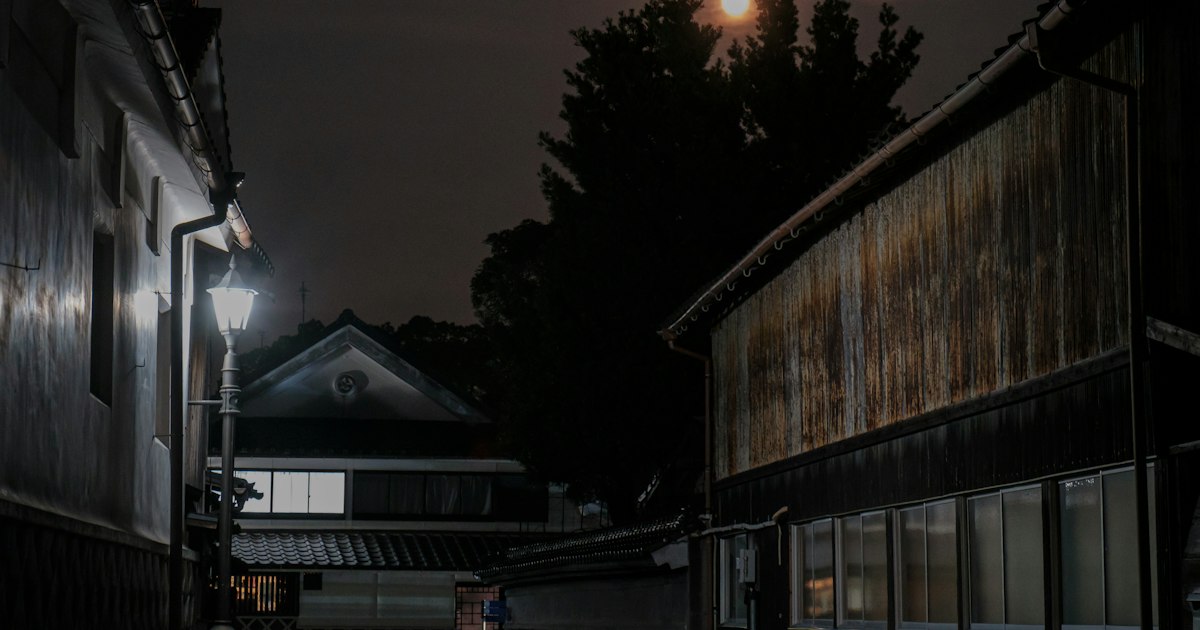
Photo by Nichika Sakurai on Unsplash
Every autumn, somewhere between a Tokyo convenience store and a thousand-year-old temple pond in Kyoto, Japan pauses to look up. Tsukimi (月見), or “moon viewing,” is one of the country’s quieter seasonal traditions — no fireworks, no parade, just pampas grass, a plate of dumplings, and a clear night sky. If you happen to be traveling in Japan in September, it’s an easy, low-cost tradition to fold into your trip, and the seasonal snacks it produces are some of the most interesting convenience-store finds of the year.
What Is Tsukimi, and When Does It Fall?
Tsukimi traces back to a Heian-era (794–1185) court custom, imported from China, of composing poetry and drinking sake while admiring the autumn moon. Over the centuries it merged with Japanese harvest prayers, and today the main event is called Jūgoya (十五夜), the “15th night” — the night of the full moon on the 15th day of the 8th month of the old lunar calendar. Because that calendar doesn’t line up with the Gregorian one, the date shifts every year, landing anywhere between mid-September and early October. In 2024 it fell on September 17; in 2025, October 6. Always check a current-year calendar rather than assuming it’s a fixed date — Japanese convenience store chains and wagashi (traditional sweets) shops post the exact date on in-store signage weeks in advance.
A second, lesser-known observance called Jūsan’ya (十三夜), or “13th night,” follows about a month later and is considered uniquely Japanese rather than Chinese in origin. Traditionally, people who viewed the moon on Jūgoya were expected to do so again on Jūsan’ya — skipping the second night was once considered bad form.
The Food at the Heart of Tsukimi: Tsukimi Dango
The signature food is tsukimi dango — small, round, chewy dumplings made from rice flour (usually a mix of joshinko and shiratamako), steamed or boiled and served plain or lightly sweet. They’re traditionally stacked into a pyramid, with 15 dango for Jūgoya (or a more practical 5 in a smaller household version), symbolizing the full moon itself. Alongside the dango, households display susuki (silver pampas grass) in a vase as a stand-in for rice stalks, thanking the harvest, and often offer seasonal produce like taro, chestnuts, or edamame — hence the alternate nicknames Imo-meigetsu (“potato moon”) and Mame-meigetsu (“bean moon”) for related harvest-moon customs.
There’s also a well-loved legend behind the imagery you’ll see on packaging everywhere this time of year: the rabbit on the moon, said to be pounding mochi with a mallet. It’s the reason so much Tsukimi merchandising features a usagi (rabbit) motif rather than anything more obviously lunar.
Where to Try Tsukimi Dango (Budget to Splurge)
Budget (¥300–¥600): Convenience stores — 7-Eleven, Lawson, and FamilyMart — run seasonal Tsukimi items from late August through early October. Expect boxed dango sets, rabbit-shaped mochi, and dango-flavored drinks or ice cream. It’s genuinely the easiest way for a visitor to taste the tradition without seeking out a specialty shop. Also worth noting: McDonald’s Japan runs a limited-time “Tsukimi Burger” campaign most autumns, topped with a fried egg standing in for the moon — a fun, if non-traditional, way to mark the season.
Mid-range (¥800–¥1,800): Local wagashi (traditional sweets) shops sell proper tsukimi dango sets, often with kinako (roasted soybean flour) or an bean paste, packaged in small wooden boxes. These shops are everywhere near train stations and in shopping streets (shotengai); look for handwritten signs reading お月見 (otsukimi) in the window during September.
Splurge (¥10,000+): Some ryokan and city hotels run special moon-viewing dinner courses (tsukimi kaiseki) during the Jūgoya period, and dinner-cruise boats on Tokyo’s Sumida River occasionally offer seasonal moon-viewing cruises with a kaiseki-style meal. These sell out close to the actual date, so book a few weeks ahead if you want one timed to the full moon rather than just “sometime in September.”
Best Places in Japan to View the Harvest Moon
Unlike cherry blossom season or the Obon travel rush — which genuinely strains transport nationwide, as covered in our guide to traveling during Obon — Tsukimi doesn’t create crowds or booked-out trains. It’s a quiet night, which means you can be more spontaneous about where to watch it.
- Daikaku-ji Temple, Kyoto: The temple’s Osawa Pond has been a moon-viewing spot since the Heian period, and during Jūgoya it runs special evening boat rides (dragon- and phoenix-shaped boats) so visitors can view the moon’s reflection on the water, just as Heian nobles did. Temple grounds admission is a few hundred yen, with an extra charge for the boat ride; this is a genuinely historic, not touristy-manufactured, event.
- Ueno Park or Inokashira Park, Tokyo: No special event, just open sky and water — both parks have ponds that reflect the moon nicely, and admission is free.
- Tokyo Skytree or Tokyo Tower observation decks: For a city-skyline take on moon viewing, paid observation decks (roughly ¥2,000–¥3,000) offer unobstructed horizon views on a clear night.
Weather is the real wildcard — late September in Japan can still bring typhoon activity or lingering humidity haze, so a clear Jūgoya night isn’t guaranteed. Many households simply reschedule their own at-home viewing to whichever night that week is clearest, rather than insisting on the calendar date.
Common Mistakes Visitors Make
- Assuming it’s a fixed date. Because it follows the lunar calendar, Tsukimi moves every year — don’t plan around last year’s date.
- Expecting a big public festival. Outside of specific temple events like Daikaku-ji’s, Tsukimi is mostly a home-based, low-key tradition. Don’t expect illuminations or street festivals comparable to summer matsuri.
- Missing the seasonal snacks window. Convenience store Tsukimi items typically disappear from shelves within a week or two of the date, so if you’re hoping to try one, check in early-to-mid September rather than waiting.
- Confusing dango with mochi. They’re related but not identical — dango is typically made from rice flour and is denser and chewier, while mochi is pounded from whole glutinous rice grains. Shop staff will know exactly what you mean if you ask for “tsukimi dango,” so it’s worth using the specific term.
Bringing a Taste of the Season Home
If you enjoy the hands-on side of Japanese food culture, some wagashi shops and cooking studios in cities like Kyoto and Tokyo run seasonal dango- or mochi-making workshops around September, similar in spirit to the noodle-making sessions covered in our guide to udon-making classes in Kagawa — a good option if you want more than a convenience-store snack to remember the festival by. And if Tsukimi gets you interested in Japan’s other seasonal customs, it sits alongside traditions like New Year’s shimekazari straw wreaths and fukubukuro grab bags as small, buyable ways to experience the rhythm of the Japanese calendar rather than just its headline festivals.
Tsukimi won’t be the centerpiece of anyone’s itinerary, and that’s part of its appeal — it’s a free, flexible, genuinely local custom you can slot into a single evening wherever you happen to be in Japan that September. Pick up a box of dango, find a spot with a clear view east after sunset, and you’ve done it properly.