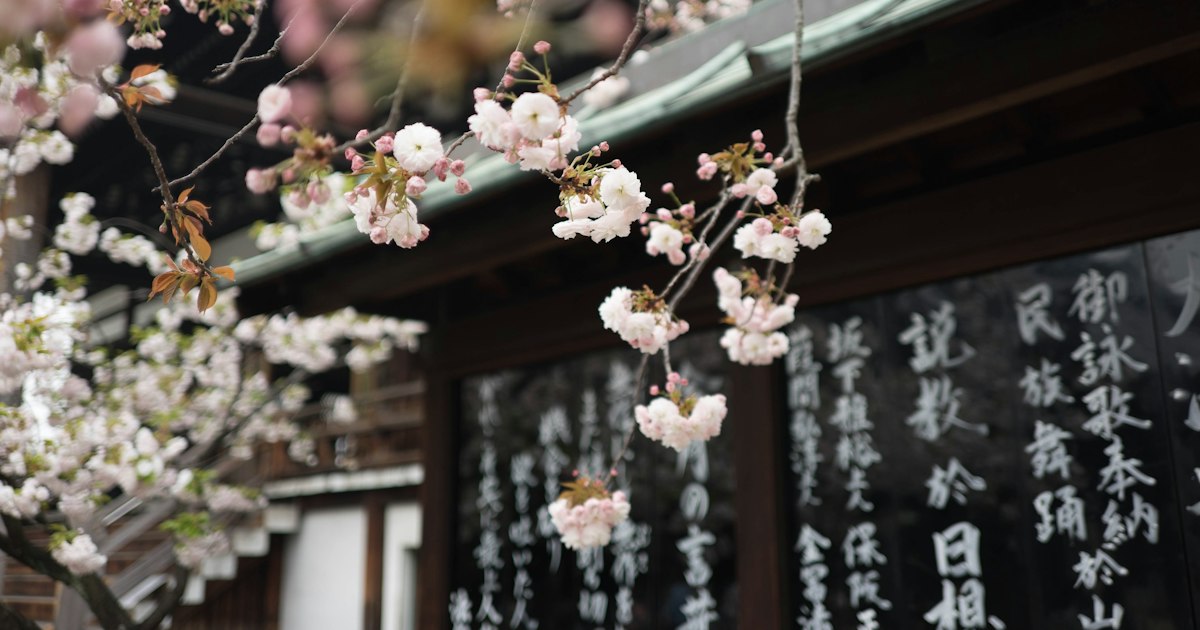
Photo by Galen Crout on Unsplash
Long before the cherry trees get their moment, Japan’s plum trees are already putting on a show. Ume (梅) blossoms open as early as January in warmer coastal towns and keep going into March, overlapping with the tail end of winter and the first hints of spring. The flowers are smaller and more fragrant than sakura, the gardens are far less crowded, and the whole season is a genuinely underrated time to visit. Here’s where to go and when.
Why Ume Season Is Worth Planning Around
Cherry blossom season in late March and early April is beautiful but brutal — packed trains, fully booked hotels, and viewing spots so crowded you’re shuffling past the trees rather than sitting under them. Ume season gives you a quieter version of the same ritual: hanami-style picnics, plum-themed sweets and sake, and photogenic gardens, but with room to actually enjoy them. Entry fees are modest (usually free to around ¥1,000), and because the season stretches over roughly ten weeks across the country, you have far more flexibility in timing a trip than you do with the two-week sakura window.
When to Go: The Ume Timeline, Region by Region
Ume blossoms follow a long, loose wave from south and coastal Japan toward the inland and northern regions:
- Early January–February: Atami (Shizuoka) and other warm coastal spots, where the first blossoms of the year appear
- Mid-February–mid-March: Tokyo, Kyoto, Osaka, and Fukuoka — the peak window for most of the famous gardens
- Late February–late March: Mito (Ibaraki) and other Kanto gardens further from the coast, which bloom a few weeks later than central Tokyo
Unlike sakura, ume doesn’t have a single nationwide “peak day” forecast that dominates the news, so check individual garden websites or local tourism sites in the two weeks before you travel — bloom dates can shift by 1–2 weeks depending on that year’s winter temperatures.
Atami Baien: Japan’s Earliest Plum Blossoms
If you want to see ume at its earliest, head to Atami Plum Garden (Atami Baien) in Shizuoka, about 50 minutes from Tokyo on the JR Tokaido/Shinkansen line. Thanks to the warm coastal climate, some of its roughly 470 trees across 60 varieties start blooming in early January, with the Atami Ume Matsuri festival typically running from early January through early March. Entry during the festival is around ¥300 for adults. From Atami Station, it’s a short bus ride (about 10–15 minutes) or a 25-minute walk to the garden. This is the one spot on this list where you can realistically combine ume viewing with a winter trip that has nothing else to do with spring.
Tokyo’s Plum Gardens
You don’t need to leave the city for a solid ume outing. Three spots stand out:
- Yushima Tenjin (Yushima Tenmangu): A compact shrine near Ueno with around 300 plum trees and the Yushima Ume Matsuri, usually running early February to early March. Free entry, and easy to reach via Yushima Station on the Chiyoda Line or a 10-minute walk from Ochanomizu.
- Koishikawa Korakuen: An Edo-period strolling garden near Tokyo Dome with plum trees scattered among its ponds and bridges. Admission is ¥300 for adults, and it’s open 9:00 am–5:00 pm daily (last entry 4:30 pm).
- Hanegi Park (Setagaya): A local favorite with about 650 plum trees and free admission, slightly off the typical tourist path. The Setagaya Ume Matsuri runs for a few weeks around mid-February; it’s a 15-minute walk from Umegaoka Station on the Odakyu Line.
Since you’re likely booking Tokyo accommodation around an early-morning garden visit, it’s worth knowing that many city hotels now use unmanned kiosks for check-in — see our guide to self check-in hotels in Japan if you’re arriving late or leaving before staffed hours.
Kairakuen in Mito: One of Japan’s Three Great Gardens
For the single best ume experience in the country, make the trip to Kairakuen in Mito, Ibaraki — ranked alongside Kenroku-en and Korakuen as one of Japan’s three most celebrated gardens. It holds roughly 3,000 plum trees across about 100 varieties, and the Mito Plum Festival runs from mid-February to late March, later than most Tokyo gardens because of the cooler inland climate. Adult admission is around ¥300 (free on designated festival days). To get there, take the JR Joban Line Limited Express from Tokyo or Ueno Station to Mito Station — about 70–80 minutes — then it’s a 25-minute walk or a short bus ride. Because this trip eats most of a day, pair it with an early train and treat it as a standalone day trip rather than trying to bolt it onto other Tokyo sightseeing.
Kyoto, Osaka, and Fukuoka: Plum Blossoms With History
Kyoto’s Kitano Tenmangu shrine is dedicated to Sugawara no Michizane, a 9th-century scholar famously devoted to plum blossoms, and its grounds hold about 1,500 trees across 50 varieties. The shrine itself is free to enter; the dedicated plum garden (Baika-en) charges roughly ¥1,000, which includes matcha and a sweet, and is typically open mid-February through mid-March. Kyoto in ume season is a good alternative to the sakura-season crush — if you’re also visiting temples, it’s worth timing things the same way we recommend for beating the crowds at Kiyomizu-dera: go right at opening or in the late afternoon. If you have an extra day, the quiet mountain villages of Kurama and Kibune make a scenic, uncrowded add-on to a Kyoto ume trip.
In Osaka, Osaka Castle Park’s plum grove (Baika-en) has around 1,250 trees and 100 varieties, with free admission and a backdrop of the castle itself — a strong budget option if you’re based in Kansai. In Fukuoka, Dazaifu Tenmangu is home to the legendary “flying plum” (Tobiume), said to have flown from Kyoto to be near Michizane after his exile; the shrine grounds are free, and the surrounding plum trees bloom from mid-February into March.
Common Mistakes to Avoid
- Confusing ume with sakura in photos and forecasts. Plum blossoms grow directly against the branch with no stalk and have rounder, single-notch petal edges, while cherry blossoms hang on short stalks and have a notched petal tip. Tourism sites sometimes mislabel photos, so double-check before planning a trip around a specific bloom forecast.
- Assuming one national bloom date. Because ume season spans ten weeks and varies by region, a Tokyo bloom report tells you nothing reliable about Mito or Kyoto. Check each garden’s own site closer to your travel dates.
- Skipping the smaller neighborhood gardens. Hanegi Park and similar local spots are usually emptier and free, while the famous names like Kairakuen can still get busy on weekends during peak bloom — go on a weekday morning if you can.
- Treating it as a quick stop. Many of the best gardens (Mito especially) are a half-day commitment once you factor in travel time, so build your itinerary around them rather than squeezing them between other stops.
Budget travelers can see excellent ume displays for free at Yushima Tenjin, Hanegi Park, Osaka Castle, or Dazaifu Tenmangu. Mid-range options like Koishikawa Korakuen or Kairakuen add a manicured garden setting for a few hundred yen. For a splurge-adjacent experience, Kitano Tenmangu’s ¥1,000 Baika-en ticket buys you tea, a sweet, and a seat among 1,500 trees — a small price for one of the most atmospheric hanami alternatives in the country.