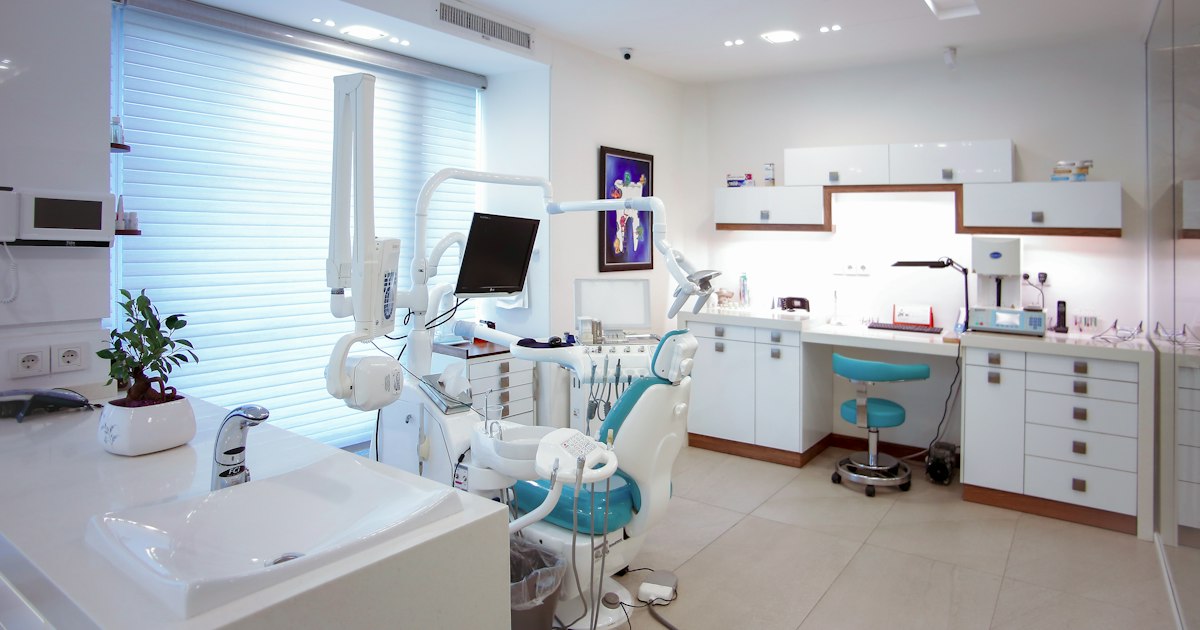
Photo by Benyamin Bohlouli on Unsplash
Japan isn’t usually the first country that comes to mind for dental tourism — Thailand, Mexico, and Hungary get most of that spotlight — but a growing number of foreign visitors are pairing a Japan trip with crowns, veneers, implants, or a deep cleaning. The appeal is real: Japanese dental materials and lab work are high quality, many clinics in Tokyo and Osaka now cater specifically to English-speaking patients, and prices for cosmetic and prosthetic work often undercut the US, UK, and Australia even after factoring in flights. That said, it’s not a destination where you can casually walk into a clinic and get discount work done the way you might in Southeast Asia. Here’s what actually matters before you book anything.
Why Visitors Consider Dental Treatment in Japan
Japan’s dental sector is unusual in that it serves two very different markets: a domestic one covered by national health insurance (which keeps routine care cheap for residents) and a smaller private, cash-pay market for cosmetic and advanced prosthetic work that caters to people without Japanese insurance — including foreigners. Because labs in Japan produce a lot of their own ceramics and implant components domestically, and labor costs for dental technicians are lower than in the US, the private cash price for a porcelain crown or an implant is frequently 30–50% less than what the same work costs in an American city, even though the clinical quality is comparable. It’s not “cheap” in absolute terms — this isn’t Bangkok pricing — but it’s noticeably better value for mid-to-high-end work.
What Treatments Make Sense for a Short Trip
Not every procedure fits neatly into a vacation. Realistically, visitors fall into two categories:
- Single-visit-friendly: teeth whitening, professional cleaning, fillings, same-day CAD/CAM ceramic crowns (some Tokyo clinics mill a crown in-house in a few hours), and consultations for future treatment.
- Multi-visit treatments: implants, veneers, and bridges typically need at least two appointments spaced days or weeks apart — one for prep and impressions, another for fitting the final piece — and implants specifically require 3–6 months of healing (osseointegration) before the permanent crown goes on top. If you want to start and finish an implant in one trip, most clinics will only install the implant post and send you home with a temporary; you’d need a second trip (or a local dentist) to finish it.
If your goal is a single procedure, build at least 5–7 days into your itinerary even for “fast” work, since clinics often want a follow-up check a few days after any crown or filling before they’re comfortable calling it done.
Realistic Costs in Yen
Prices vary by clinic and city, but as a rough guide for cash-pay (non-insured) private treatment aimed at international patients:
- Professional cleaning / check-up: ¥8,000–¥15,000
- Teeth whitening (in-clinic, one session): ¥20,000–¥50,000
- Ceramic crown (per tooth): ¥80,000–¥150,000
- Porcelain veneer (per tooth): ¥80,000–¥180,000
- Dental implant, post plus crown (per tooth): ¥300,000–¥450,000, sometimes more for premium brands or bone grafting
- Root canal treatment: ¥30,000–¥80,000 depending on the tooth and whether it’s redone
These are cash prices — Japan’s national health insurance does not cover tourists, and even for residents it only applies to a limited set of materials and techniques, so private clinics quote everything separately. Get a written estimate before any work starts; reputable clinics that deal with foreign patients will provide one in English on request.
Finding an English-Speaking Clinic and Getting There
Most dentists catering to international patients cluster in central Tokyo (Ginza, Roppongi, Shinjuku), and in Osaka and Kyoto. Look for clinics that explicitly advertise English-speaking staff or international patient coordinators — a lot of ordinary neighborhood clinics have no English capability at all, and misunderstandings over treatment plans are the single biggest source of complaints from foreign patients. Ask in advance whether the dentist themselves speaks English or whether a separate coordinator translates, since nuance matters when discussing treatment options.
If your clinic is in Osaka or Kyoto and you’re flying into Kansai International Airport, the fastest way into the city is the train rather than a taxi, which can run well over ¥20,000. Our guide to Nankai Rapi:t vs JR Haruka breaks down which line gets you to your hotel faster depending on whether you’re headed to Namba or central Kyoto — useful if you’ve got a same-day appointment and don’t want to risk a delay.
Timing Your Trip Around Clinic Hours and Holidays
Japanese dental clinics generally keep more fragmented hours than Western offices: a typical schedule is around 9:30–13:00 and then 15:00–19:00, with a lunch closure in between, and many clinics close one weekday (often Thursday) plus Sundays and public holidays. Don’t assume a clinic is open just because it’s a weekday afternoon — always confirm the exact hours on the clinic’s own site rather than a general listing.
Avoid scheduling treatment during Golden Week (late April into early May), the Obon holiday period (around mid-August), and New Year (roughly December 29–January 3), when many clinics close entirely and the ones that stay open are booked solid with domestic patients catching up before or after the break. If your treatment involves a waiting period between visits — say, days while a ceramic crown is milled — that’s a good window to take a slower side trip; somewhere restorative like Takeo Onsen makes a pleasant low-key detour if your clinic happens to be in the Kyushu area.
Common Mistakes to Avoid
- Assuming any insurance applies. Neither Japanese national health insurance nor most foreign travel insurance plans cover elective dental work. Confirm separately whether your own dental insurance reimburses overseas treatment — many do not.
- Not asking about warranties. Some Japanese clinics offer guarantees on crowns or implants, but those warranties are rarely honored if a problem shows up after you’ve flown home and a different dentist has to intervene.
- Underestimating trip length. Implants and veneers in particular are rushed by travelers trying to fit everything into four or five days; ask your clinic directly how many visits and how many days apart they recommend before you book flights.
- Booking lodging too far from the clinic. If you’re numb from a procedure or self-conscious about swelling, you don’t want a 45-minute train ride back to your hotel. Search by neighborhood proximity using a site like those compared in our hotel booking comparison, and pick something walkable to the clinic.
Budget, Mid-Range and Splurge Options
At the budget end, ordinary neighborhood clinics (often found through Google Maps reviews rather than medical-tourism marketing) offer the lowest prices for basics like cleanings and fillings, but expect little to no English. Mid-range international clinics in Tokyo and Osaka — the ones that show up in dental-tourism directories — charge roughly 20–30% more than a local clinic but provide English coordinators, digital treatment plans, and more predictable aftercare. At the splurge end are concierge-style clinics in areas like Ginza that pair dental work with same-day imaging, premium implant brands, and dedicated patient liaisons who’ll even help coordinate your hotel and transport — worth it if you want zero friction, but you’re paying for the service layer as much as the dentistry itself.