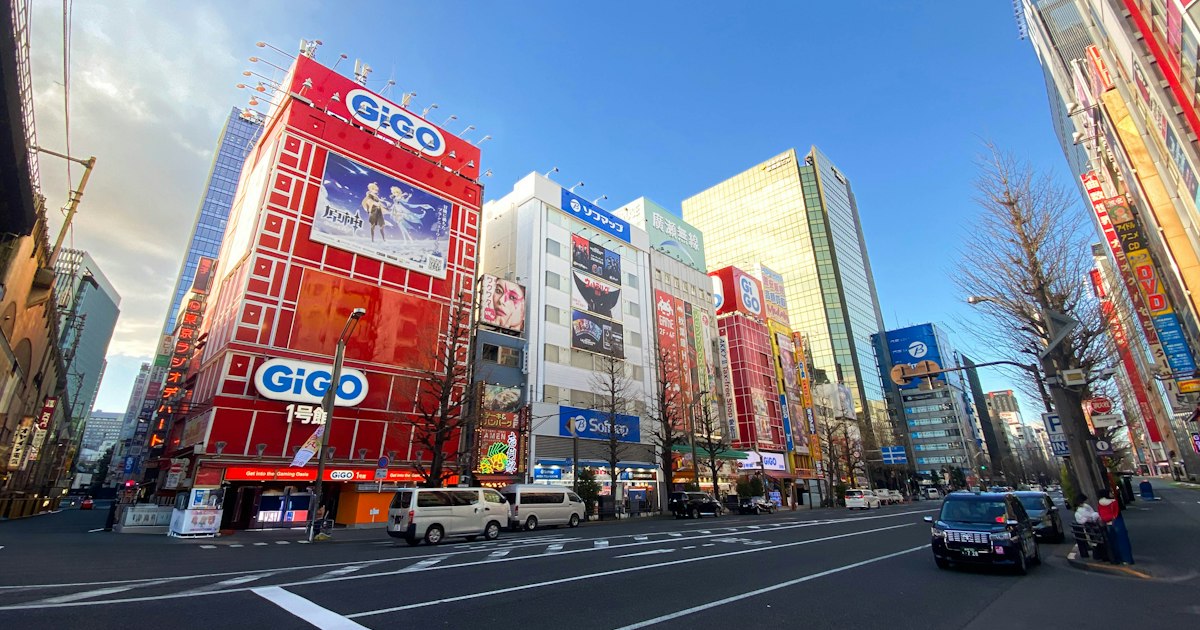
Photo by hiding ninja on Unsplash
If you grew up blowing dust out of Famicom cartridges or feeding coins into an arcade cabinet, Super Potato is the closest thing Japan has to a video game museum you’re allowed to buy from. The neon-pink signage and towering piles of secondhand consoles have made it a pilgrimage site for collectors, but it’s just as fun for anyone who’s merely curious about the hardware that built Japan’s gaming culture. Here’s how to shop it properly — what’s worth your yen, what isn’t, and how to avoid the mistakes first-timers make.
What Is Super Potato?
Super Potato is a Japanese retro game store chain specializing in secondhand consoles, cartridges, discs, controllers, and gaming memorabilia spanning from the 1970s Famicom era through the PlayStation 2 and early Xbox generation. It isn’t a museum — everything is for sale — but the sheer density of hardware, from Super Famicom units still in their original boxes to obscure peripherals like the Famicom Disk System, gives it a museum-like browsing experience. The flagship store is in Tokyo’s Akihabara district, with sister branches in Osaka’s Den Den Town (Nipponbashi) and Nagoya.
Inside the Akihabara Flagship
The main Akihabara store occupies several narrow floors of a building just off the main electronics strip, and the vertical layout is part of the charm — you take a cramped staircase up past walls of cartridges organized by console, with hand-written price tags in Japanese and English. Lower floors tend to hold more recent retro stock (PS1/PS2, Dreamcast, GameCube) and import Western titles, while upper floors lean into pure nostalgia: Famicom, Super Famicom, PC Engine, and arcade-specific merchandise. The top floor houses a small retro arcade with a handful of original cabinets running classic titles for coins — often just 50-100 yen per credit — which is worth the climb even if you buy nothing. Expect the space to be tight and a little dim; it’s a browsing experience built for patience, not speed-shopping.
Getting There and Best Time to Visit
Akihabara Station is served by the JR Yamanote and Chuo-Sobu lines, the Hibiya subway line, and the Tsukuba Express, so access from almost anywhere in Tokyo is straightforward and doesn’t require a taxi or special ticket. If you’re coming straight from Narita or Haneda, sort out your airport transfer first — our comparison of the Narita Express vs. Keisei Skyliner covers which gets you into central Tokyo faster and cheaper. Once you’re commuting around the city day to day, having Suica or Pasmo loaded onto your phone saves you fumbling for cash at ticket gates between shopping stops.
Weekday mornings right after opening are the calmest time to browse — Akihabara gets genuinely crowded by early afternoon, especially on weekends, and the store’s narrow aisles don’t handle crowds gracefully. There’s no strong seasonal angle here (it’s an indoor shop), but avoiding Golden Week (late April–early May) and New Year’s is wise, since both the store and the surrounding district get packed with domestic tourists. Hours generally run late morning to early evening, roughly 11:00–20:00, but retro shops in this district occasionally adjust hours around holidays, so it’s worth a quick check the morning of your visit rather than assuming.
What to Buy — and What It Actually Costs
Pricing swings wildly based on condition, rarity, and whether a title is boxed with its original manual (“box and manual,” often abbreviated as hako-tsuki in listings).
- Budget (¥300–¥1,500): Loose, common Famicom or Super Famicom cartridges — think mainstream sports titles or lesser-known platformers — fall in this range. It’s an easy, low-risk way to walk away with an authentic piece of Japanese gaming history.
- Mid-range (¥2,000–¥10,000): Popular series entries in decent condition, working handheld consoles like a Game Boy or Game Gear with cosmetic wear, or boxed titles without the manual usually land here. This is the sweet spot for most visiting collectors.
- Splurge (¥15,000 and up): Complete-in-box rarities, limited-print titles, or working vintage hardware like an original Famicom Disk System or a pristine PC Engine setup can run into five figures. Serious rarities — sealed stock or famously scarce titles — can exceed ¥50,000.
Controllers, strategy guides, promotional posters, and arcade-adjacent merchandise are usually cheaper impulse buys in the ¥500–¥3,000 range and make for lighter, more packable souvenirs than a boxed console.
Shopping Smart: Voltage, Region, and Tax-Free Rules
Before you buy a console, confirm it’ll actually work at home. Older Japanese hardware runs on Japan’s 100V electricity and many systems are region-locked to Japanese cartridges or NTSC-J discs, so a Super Famicom won’t necessarily run games you already own, and you may need a step-down converter or region adapter depending on your destination country. Staff at Super Potato are used to this question from overseas buyers and can usually tell you whether a given unit is modified or region-free.
Tax-free shopping is available at some electronics and retro shops for visitors spending above the eligible threshold on a single visit, but policies and minimums vary by store and have changed in recent years, so ask at the register rather than assuming eligibility. Always keep your receipt — if a cartridge turns out to be faulty or a console doesn’t power on back home, Japanese retailers are not obligated to offer the easy returns you might expect elsewhere. Our guide to returns, exchanges, and receipts in Japan explains what you can realistically expect if something goes wrong after you’ve left the store.
Beyond Akihabara: Other Super Potato Locations
If Tokyo isn’t on your route, or you simply want a second pass through different stock, Super Potato also operates in Osaka’s Den Den Town (Nipponbashi) — Osaka’s answer to Akihabara for electronics and otaku culture — and in Nagoya. Inventory differs store to store since stock is sourced locally, so collectors hunting a specific title sometimes check more than one branch rather than assuming Akihabara will have everything. If you’re based in Akihabara for the day, it’s also worth pairing your visit with nearby anime and character-goods shopping; Tokyo Character Street at Tokyo Station is a short train ride away and scratches a related but distinct collecting itch.
Common Mistakes First-Timers Make
- Assuming everything is cheap because it’s secondhand. Rare titles are priced to market, not to nostalgia — do a quick price check on your phone before assuming you’ve found a bargain.
- Skipping the authenticity check. Bootleg or repro cartridges exist in the secondhand market; Super Potato has a solid reputation for authenticity, but it’s still worth inspecting labels and asking if you’re spending serious money on something rare.
- Buying hardware without checking voltage and region compatibility. A beautiful boxed console is a bad souvenir if it can’t actually play anything once you’re home.
- Treating it as a quick stop. The best finds are often buried in bins or on a floor you almost skipped — budget at least 45–60 minutes if you want to actually dig.
- Paying by card without checking first. Smaller retro shops in Japan sometimes remain cash-preferred or cash-only for lower-value items, so carry yen rather than assume every register takes IC cards or credit.
Super Potato rewards patience over speed. Go in with a loose budget, a little knowledge of what you’re looking for, and enough time to actually dig through the shelves — that’s when the treasure-hunt part of the name starts to make sense.