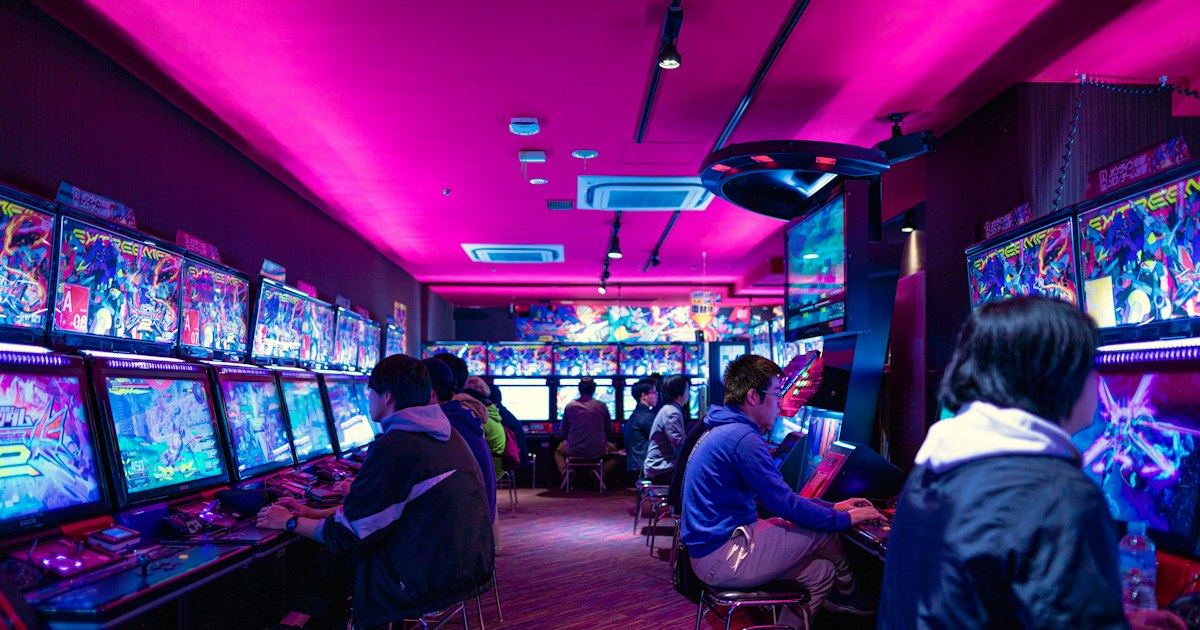
Photo by Jezael Melgoza on Unsplash
Walk down almost any shopping street in Japan after dark and you’ll hear it before you see it: chiptune jingles, synthesized announcer voices, and the metallic clack of a crane dropping just short of a plush Pikachu. UFO catchers — Japan’s name for the crane game — are a genuine national pastime, not just a tourist curiosity, and the arcades that house them are open late, air-conditioned, and more approachable than they look from outside. This guide covers where to find good machines, what they cost, and the actual mechanical tricks that separate people who walk out with a prize from people who walk out ¥2,000 lighter.
What a UFO Catcher Actually Is
A UFO catcher is a crane game: you insert coins, use two joysticks or buttons to position a claw or pusher arm over a prize, then trigger it to drop. Unlike the Western claw machines that grab and lift in one motion, most Japanese machines use a two-stage move — one button extends the arm forward/back, the second lowers and grabs — which is part of why they reward practice. Prizes range from anime figures and Sanrio plushies worth ¥3,000–¥8,000 retail, to snack boxes, to limited-edition goods you genuinely can’t buy in stores. The appeal isn’t just winning; it’s that the prize pool rotates constantly, so regulars check the same arcade weekly for new stock.
Where to Play
You don’t need to hunt — crane games are everywhere — but some locations have deeper, fresher selections:
- Taito Station — the biggest chain, with flagship branches in Akihabara and Shinjuku. Akihabara’s Taito Station Game Center near the station is open roughly 10:00–23:45 and has multiple floors dedicated almost entirely to crane games.
- GiGO (formerly Sega) Ikebukuro — several branches within a few minutes’ walk of Ikebukuro Station, strong on anime and idol merchandise tie-ins.
- Round1 Shibuya and other branches — many locations run 24 hours, useful if you want to play at 2am without the crowds.
- Nakano Broadway — smaller arcades here lean toward vintage and niche character goods rather than the newest releases.
Most machines accept ¥100 coins directly, though some newer ones take ¥500 coins or IC cards (Suica/Pasmo) you tap and preload with cash at a nearby kiosk. A single play is typically ¥100–¥200 for small prizes and ¥200–¥400 for big plushies or figure sets. Staff wear name badges and are usually happy to nudge a stuck prize slightly closer for you — it’s normal to ask “sugoshite moraemasu ka” (can you move it a bit) if it looks hopeless rather than wasting coins on an un-winnable position.
Reading the Machine Before You Play
This is the single most useful habit: stand and watch for two or three minutes before spending a coin. Note how the prize is positioned — balanced on a ledge, hanging from a ring, or stacked in a pile — because the winning technique differs completely by setup. Also watch what previous players’ attempts did to the prize’s position; many games are won in stages, where one player nudges the item forward and the next player lifts it out. If a prize looks identical in position after several people have played it, the claw strength may currently be set too weak to move it at all, and it’s worth moving to a different machine rather than feeding coins into a dead one.
Core Techniques That Actually Work
Crane game design in Japan follows a few repeatable patterns once you know what to look for:
- The hook-and-drag: for prizes in plastic bags with a loop or tab, the claw often isn’t strong enough to lift the bag’s full weight. Instead, aim to snag the tab and drag the whole prize toward the chute edge over 2–3 plays, then tip it in rather than lifting it.
- The pusher bar: some machines replace claws with a flat bar or two bars that push rather than grab. Here, precision matters more than strength — the goal is nudging a prize millimeter by millimeter toward a drop slot, not grabbing it outright.
- The balance tip: for figures balanced on a box or ledge, even a soft claw touch can tip the item off-balance. Aim for the base, not the top, and expect to win through gravity rather than grip.
- Claw strength cycling: Japanese arcade law and operator practice mean claw grip strength is adjusted periodically — sometimes strong enough to lift cleanly, sometimes deliberately weak. If three consecutive attempts show zero movement at all, the setting is likely weak right now; come back later rather than burning your budget.
Common Mistakes Visitors Make
The biggest one is treating it like a Western claw machine and expecting a single grab-and-lift. Japanese machines almost always reward incremental positioning over several plays, so budget for a process, not a single shot. The second mistake is playing a machine nobody else has touched in a while — fresh setups are sometimes deliberately tight to prevent an easy first win. Third, don’t ignore the small “weight” or “sample” sign near some prizes — it indicates a display-only item that occasionally gets swapped, and machines sometimes also fence off out-of-reach “jackpot” prizes behind a wall the claw simply cannot reach, which is a disclosed design, not a scam.
Budgeting and Alternatives
Set a hard cap before you start — ¥1,000–¥1,500 (5–10 plays) per prize is a sane limit for a casual visitor. If you’re not winning after that, walk away; the machine isn’t going anywhere, and chasing losses is how people spend ¥5,000 on a ¥2,000 plushie. If you strike out entirely but still want the item, most crane game prizes eventually surface secondhand at Mandarake, Book Off, or on Mercari for a few hundred yen more than retail — often cheaper than what you’d have spent trying to win it. For travelers already building a collectibles habit in Japan, it’s worth pairing an arcade stop with a look at Sonny Angel, Smiski & Blind Box Toys, since the same mystery-prize psychology that makes crane games addictive is what drives Japan’s blind box craze.
Practical Logistics
Arcade districts like Akihabara, Ikebukuro, and Shibuya are busiest and most fun in the evening, from around 19:00 once the after-work and student crowds arrive — it’s also when operators tend to refresh prize stock for the night. If you’re staying nearby to make repeat visits easier (useful since claw settings change throughout the day), a budget business hotel is the practical choice; see our comparison of Toyoko Inn, APA, and Dormy Inn for options near major stations. Getting between arcade districts late at night when trains have stopped is also simple — our guide to hailing a taxi with apps like GO and S.Ride covers fares and etiquette if you’re arcade-hopping past midnight.
UFO catchers reward patience more than skill, and losing a few hundred yen is part of the ritual — but once you understand that each machine is really a slow-motion puzzle rather than a lucky grab, your win rate goes up fast, and so does the fun of watching other players work the same puzzle beside you.