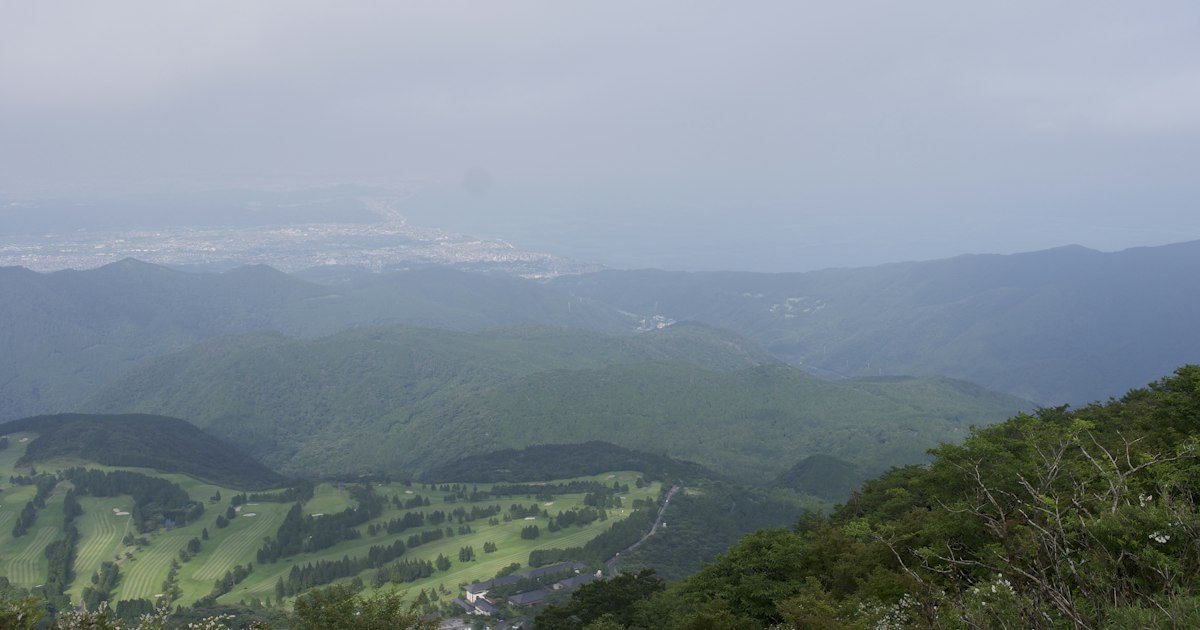
Photo by Eva Balogh on Unsplash
Japan has more golf courses per capita than almost any country in the world, and it’s far more accessible to visitors than most people assume — you don’t need a membership, a set of clubs in your suitcase, or fluent Japanese to tee off. Between multi-story driving ranges tucked into city blocks and resort courses with onsen baths attached to the clubhouse, golf in Japan can be a one-hour practice session or a full-day outing. Here’s what it actually costs, how to book it, and what trips people up.
Driving Ranges: Where to Hit Balls Without a Tee Time
If you just want to hit balls for an hour, skip the course entirely and head to a driving range (gorufu renshūjō). Most Japanese cities have multi-level netted ranges near train stations — three or four tiers of bays stacked on top of each other, since land is expensive. You pay by the ball basket (often called a “dama”), typically ¥500–¥1,000 for about 50–100 balls, plus a small bay/mat fee (¥300–¥600) at some facilities. Clubs are almost always available to rent on-site for ¥200–¥500 per club or a flat set fee, so you can walk in empty-handed.
Most ranges open early (6:00–7:00am) and run until 11pm or later, and many operate every day of the year. Payment is usually cash or IC card at a vending machine, though more ranges now accept QR code apps — if you’ve already set up PayPay or Rakuten Pay as a tourist, it’s worth checking whether the range takes it before you queue for change. No reservation is needed; just take a numbered ticket and wait for a bay, which rarely takes more than 10–15 minutes even on weekends.
Golf Courses for Visitors: Booking, Fees & Dress Code
Actually playing a round is more involved than Western golfers expect. Japanese courses are almost all 18-hole, par-72 layouts, and the vast majority require advance booking — same-day walk-ons are rare outside of resort areas. Book through the course’s website or a portal like GDO (Golf Digest Online) or Rakuten GORA, both of which have English-friendly search filters for “foreigner-friendly” or “no membership required” courses.
Green fees vary enormously by region and day: expect roughly ¥8,000–¥15,000 on a weekday at a standard suburban course, climbing to ¥15,000–¥30,000+ on weekends near Tokyo or Osaka. Fees usually bundle a cart, but many traditional clubs still require a caddie (around ¥5,000 per group, split among players) rather than offering caddie-free “seruhu” (self) play — check which model the course uses when booking, since it changes your total cost and pace of play.
Dress codes are stricter than in most countries: collared shirts, no jeans or shorts without proper golf attire, and soft-spike shoes only. Many clubs will turn you away at the pro shop if you show up in sneakers and a T-shirt, so confirm the dress policy when you book. Most clubs also close one weekday (commonly Monday) for course maintenance, so don’t assume every day is bookable.
Renting Clubs, Shoes & Gear
You don’t need to fly with clubs. Nearly every course rents full sets (driver through putter) for ¥3,000–¥5,000, plus shoe rental for ¥1,000–¥1,500 and glove purchase if needed. Rental sets skew toward men’s right-handed, mid-flex shafts, so left-handed or very tall/short players should call ahead to confirm availability.
In cities, large sporting goods chains like GOLF5 and Victoria Golf also rent and sell equipment, and some will ship rental sets directly to your hotel or the course via Japan’s reliable takkyubin courier service for roughly ¥2,000–¥3,000 — handy if you’re staying in Tokyo but playing a course an hour outside the city and don’t want to haul a bag on the train. This is the same courier logistics that make Japan easy for shipping other bulky souvenirs home, similar to how rental fishing gear gets forwarded between regions for tourists who don’t want to carry equipment the whole trip.
Best Season and Time of Day to Play
Spring (April–May) and autumn (October–November) are the sweet spot nationwide — mild temperatures, good visibility, and courses at their greenest or most colorful. Summer brings heat and humidity that make an 18-hole round genuinely exhausting by the back nine, especially in Honshu’s inland valleys; book an early tee time (6:30–8:00am) if you’re playing June through August. Winter closes most courses in Hokkaido and the Tohoku snow belt entirely — some resort towns, including Niseko, run golf courses only from around May to October and switch to skiing for the rest of the year. Okinawa, by contrast, is playable year-round and is a popular winter golf escape for mainland Japanese golfers.
Rainy season (tsuyu, mid-June to mid-July) and typhoon season can both disrupt outdoor plans — check how typhoon season affects travel timing if you’re booking a course for August or September, since courses will cancel and refund for severe weather but won’t for ordinary rain.
Budget, Mid-Range & Splurge Options
- Budget: A driving range session (¥1,000–¥1,500 total with rental clubs) or a weekday round at a no-frills public course (¥6,000–¥9,000, caddie-free, self-cart).
- Mid-range: A weekend round at a well-maintained suburban club with caddie service, roughly ¥12,000–¥20,000 including rental clubs, shoes, and a post-round meal at the clubhouse restaurant (clubhouse dining is a real highlight — many serve excellent curry rice or soba for ¥800–¥1,500).
- Splurge: Resort courses in Okinawa, Hokkaido, or Karuizawa designed by name-brand architects, often ¥20,000–¥40,000+ with onsen bathhouses on-site, full caddie service, and premium rental equipment (TaylorMade or Honma demo sets). Some of these pair naturally with a broader resort stay rather than a standalone golf day.
Common Mistakes First-Time Golfers in Japan Make
- Not booking far enough ahead. Popular weekend slots near major cities fill up 2–4 weeks out; weekdays are far more forgiving.
- Underestimating the dress code. Clubs can and do refuse entry for jeans, cargo shorts, or non-golf sneakers.
- Assuming solo play is allowed. Many traditional clubs require a minimum of two or three players, or will pair you with a stranger’s group rather than let you play alone.
- Forgetting cash. While cities are increasingly cashless, rural clubhouses and caddie tips (not mandatory, but appreciated in some regions) may still expect cash.
- Not checking left-handed club availability. Rental inventories lean heavily right-handed; call ahead if you need lefty clubs.
Golf in Japan rewards a little upfront planning — book the tee time, confirm the dress code, and decide whether you want a caddie or a quiet self-paced round. Do that, and you’ll find it’s one of the most pleasant and well-organized ways to spend a day outside the usual temple-and-ramen circuit.