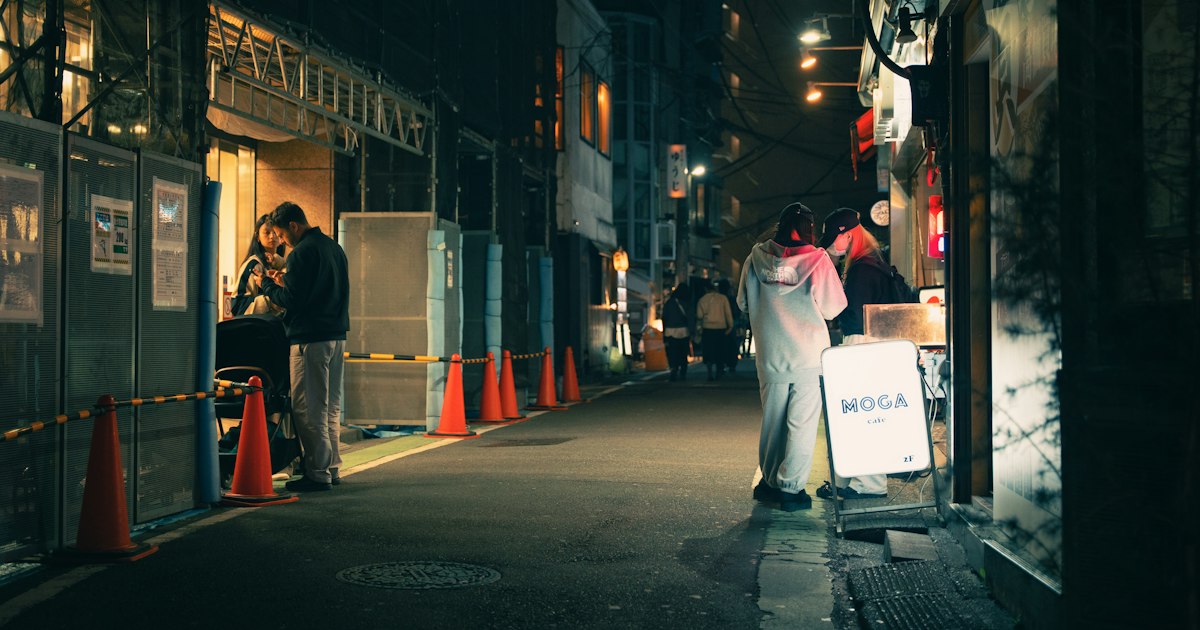
Photo by ayumi kubo on Unsplash
Shimokitazawa gets all the ink in guidebooks, but one Odakyu stop closer to Shinjuku sits a pair of neighborhoods that locals have been quietly colonizing with third-wave coffee and sandwich counters for over a decade. Sangubashi and Yoyogi-Uehara don’t have Shimokita’s thrift-shop density or live-music basements, but they have something arguably better for a slow morning: tree-lined backstreets along the western edge of Yoyogi Park, almost no tourist foot traffic, and a cafe scene that was built for residents rather than Instagram. If you’ve already done Shimokitazawa and want the quieter, more residential version of the same vibe, this is it.
Where Are Sangubashi and Yoyogi-Uehara, Exactly?
Both are stops on the Odakyu Odawara Line, directly between Shinjuku and Shimokitazawa — Sangubashi first, then Yoyogi-Uehara one stop later, then Shimokitazawa after that. The whole stretch runs along the western side of Yoyogi Park, which means the backstreets here are shaded by the park’s tree line rather than packed with shops shoulder to shoulder. Yoyogi-Uehara is also the southern terminus of the Tokyo Metro Chiyoda Line, so you can reach it directly from Otemachi, Omotesando, or Nijubashimae without changing at Shinjuku at all. The neighborhood immediately around Yoyogi-Uehara station blends into Tomigaya, the residential pocket that’s technically where most of the well-known cafes sit, but almost everyone just refers to the whole area as “Yoyogi-Uehara” or, more broadly, “Oku-Shibuya” (inner Shibuya).
Getting There
From Shinjuku Station, take the Odakyu Line (not the JR lines) to Sangubashi (about 5 minutes) or Yoyogi-Uehara (about 7 minutes); the fare is under ¥200 either way with an IC card. From central Tokyo via the Chiyoda Line, ride to the Yoyogi-Uehara terminus. Both stations are small and have only one or two exits, so orientation is easy — at Yoyogi-Uehara, take the exit toward Tomigaya and you’re within a 5-minute walk of most of the cafes mentioned below. Unlike Shimokitazawa, there’s no sprawling station-front shopping maze to navigate; you’re on a quiet street almost immediately.
What Makes These Backstreets Different From Shimokitazawa
Shimokitazawa built its identity on secondhand clothing, theater, and bar-hopping into the early hours. Sangubashi and Yoyogi-Uehara never had that density of nightlife — this is a residential district of low-rise apartments and old wooden houses, and the cafes that have moved in over the past 10–15 years fit that scale: small counters, five to twelve seats, specialty coffee roasted in-house or by well-known Tokyo roasters, and an emphasis on quality over volume. You won’t find racks of vintage jackets here, but you will find the kind of place where a barista actually has time to talk you through the beans on offer. It’s the neighborhood Tokyoites point to when they say Shimokita has gotten “too busy.”
The Cafe Crawl: What to Expect and Where to Start
A few names worth knowing if you want anchor points rather than wandering blind:
- Fuglen Tokyo (Tomigaya, near Yoyogi-Uehara) — the Tokyo outpost of the Oslo coffee bar, known for pour-over coffee by day (around ¥600–700) and a cocktail bar atmosphere after dark with vintage Scandinavian furniture. It’s one of the few spots in the area open into the evening, typically until around midnight on weekends.
- Camelback Sandwich & Espresso (Tomigaya) — a tiny standing-room sandwich counter famous for its tamagoyaki (Japanese omelet) sandwich, usually around ¥600–800. Lines form at lunchtime, so come at 11am or after 2pm.
- Little Nap COFFEE STAND (west side of Yoyogi Park) — a stripped-down coffee stand with a handful of outdoor seats, popular with joggers finishing a loop of the park. Coffee runs roughly ¥450–600.
Beyond these, the real pleasure is just walking the grid of streets between the park and Yamate-dori — you’ll pass bakeries, a few bookshop-cafes, and galleries with no signage in English, which is exactly the point. Budget-wise, a coffee-and-pastry stop here runs ¥800–1,200 per person; a full sandwich lunch is closer to ¥1,500. If you want to splurge, Fuglen’s evening cocktail menu (¥1,500–1,800 per drink) is the closest thing to a “night out” the area offers.
Best Time to Visit
Weekday mornings (9am–11am) are the quietest and most pleasant — you’ll often have a cafe nearly to yourself. Weekends, especially Saturday brunch hours, draw a steady stream of locals and a handful of cafe-hopping tourists, but nothing like Shimokitazawa’s weekend crowds. Spring (late March to early April) is particularly good timing because Yoyogi Park’s cherry blossoms are a 5–10 minute walk from either station, letting you combine a cafe crawl with hanami without the Ueno- or Shinjuku Gyoen-level crowds. Autumn foliage in November is the other sweet spot. Avoid high summer afternoons if you can — the backstreets have little shade once you’re off the park-side paths, and most of these cafes are small enough that air conditioning struggles on 35°C days.
Paying and Budgeting
Many of the smallest counters here still lean cash-first, though QR code payment acceptance has grown steadily; if you’re relying on PayPay or a similar app, it’s worth reading up on how QR code payments work for tourists in Japan before you go, since not every stand accepts foreign-issued cards through these apps. If you do need cash, there’s no convenient ATM cluster right at either station — your best bet is ducking into a convenience store on Yamate-dori, or if you want a bank-backed option, Japan Post Bank ATMs are reliable for foreign cards; see this guide to how foreign cards work at Japan Post Bank ATMs for the details on fees and limits.
Common Mistakes to Avoid
The biggest mix-up is confusing Yoyogi-Uehara with the JR Yoyogi station (one stop from Shinjuku on the Yamanote-adjacent lines) or with Yoyogi-Hachiman — all three are distinct stations in the same general area, and Google Maps will sometimes route you to the wrong one if you just type “Yoyogi.” Double-check you’re boarding the Odakyu Line specifically. Second mistake: treating this as a half-day destination the way you might Shimokitazawa — there isn’t enough density of shops to fill an afternoon, so it works best as a 2–3 hour cafe stop combined with a Yoyogi Park walk, or as a quieter final stop after Shimokitazawa itself (it’s one Odakyu stop away). Third: assuming every cafe is open all day. Several of the smaller spots close by 18:00 or take an irregular weekday off, so if you have a specific place in mind, check current hours before making the trip out. If you like this kind of low-key, resident-oriented neighborhood pairing of cafes and small shops, it’s worth comparing notes with Jiyugaoka’s sweets-and-boutique streets on the other side of the city — a similar philosophy, different train line.