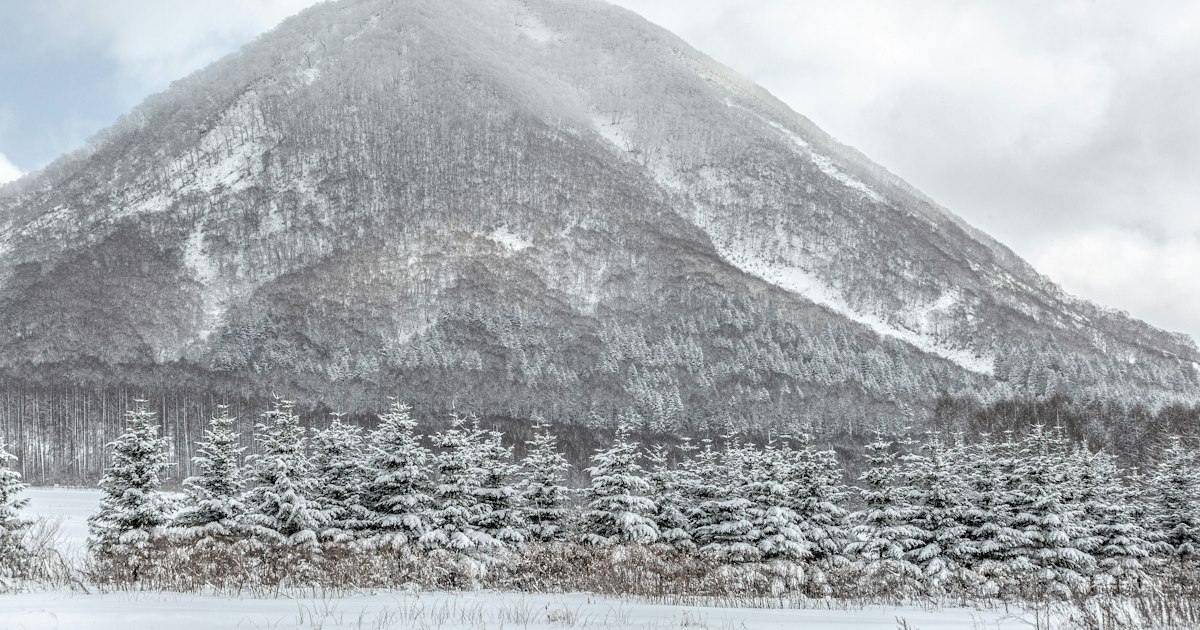
Photo by Marek Okon on Unsplash
Ask any Australian skier where they go for their winter fix and there’s a good chance the answer is Niseko. This cluster of ski towns on Hokkaido’s western coast has been quietly building a reputation since the early 2000s as one of the most reliable powder destinations on earth, and it now draws visitors from Singapore, Hong Kong, the UK, and the US as much as it does from Sydney and Melbourne. Here’s what you actually need to know to plan a trip.
Why Niseko gets so much snow
Niseko sits directly in the path of cold Siberian air masses that pick up moisture crossing the Sea of Japan, then dump it as dry, light powder when they hit the slopes of Mt. Yotei and the Niseko Annupuri range. The result is an average seasonal snowfall of around 14-15 meters — some of the most consistent powder conditions of any resort in the world. Unlike many European or North American resorts, it’s common to get fresh snow several days in a row rather than one big storm followed by a dry spell.
The town itself is really four connected ski areas collectively marketed as “Niseko United”: Grand Hirafu, Hanazono, Niseko Village, and Annupuri. A single lift pass covers all four, and a free shuttle bus and connecting lifts link them, so you can ski across the whole mountain in a day without ever taking your skis off.
Getting to Niseko
Niseko has no airport of its own. Most travelers fly into New Chitose Airport (CTS) near Sapporo and continue by road or rail.
- Direct resort bus: Several companies (including the Chuo Bus “Niseko Liner” and private resort shuttles) run direct buses from New Chitose Airport to Hirafu, Niseko Village, and Annupuri, taking roughly 2.5-3 hours depending on traffic and road conditions. Expect to pay somewhere in the ¥5,000-7,000 range one-way; book ahead in peak season (late December-February) as seats sell out.
- Train: Take the JR Hakodate Line from Sapporo or New Chitose Airport to Otaru, then transfer to a local train bound for Kutchan or Niseko Station — total travel time is about 2.5-3.5 hours. From Kutchan or Niseko Station, taxis and resort shuttles cover the final 10-15 minutes into town.
- Rental car: Doable, but winter driving in Hokkaido requires studded or dedicated winter tires and real confidence on snow and ice. Most first-time visitors skip this and rely on buses, shuttles, and taxis once in town.
If you’re arriving from Tokyo, you’ll fly into New Chitose first — there’s no direct train link from Tokyo. If your itinerary starts in Narita or Haneda, it’s worth reading up on airport transfer options into central Tokyo before you connect onward to Hokkaido.
When to go
The Niseko season generally runs from late November to early May, but the window most skiers care about is mid-December through February, when snowfall is heaviest and most consistent. January is typically the coldest and snowiest month — expect daytime highs around -5°C to -10°C. Late February into March brings milder temperatures and still-solid snow depth, often with fewer crowds than the peak holiday weeks.
Avoid the last week of December through the first week of January if you don’t like crowds or inflated prices — this is peak season for both Australian school holidays and Lunar New Year travelers, and accommodation books out months in advance. Early and late season (late November, April) can have thin coverage lower on the mountain, so stick to December-March for the most reliable powder.
Lift passes and getting around the mountain
A one-day adult lift pass covering all four Niseko United areas typically runs around ¥7,500-9,500 depending on the season and whether you buy online in advance (usually cheaper) or at the window. Multi-day passes bring the per-day cost down noticeably, and Niseko also has reciprocal arrangements with some international pass programs, so check whether a pass you already own includes days here.
Within the resort, IC cards or printed passes work at all gates, and a free inter-area shuttle bus connects the four base areas for anyone not skiing between them. Night skiing is a genuine highlight at Grand Hirafu and Hanazono — the terrain is lit well into the evening, and it’s far less crowded than daytime runs.
Where to stay, eat, and shop
Budget: Shared dorm rooms or basic guesthouses in Hirafu or Kutchan town run from roughly ¥4,000-7,000 per person per night. Kutchan, a short bus or taxi ride from the lifts, is noticeably cheaper than staying slope-side in Hirafu.
Mid-range: Western-style condos and hotels in Hirafu or Niseko Village, many ski-in/ski-out, generally start around ¥15,000-25,000 per night for a couple, climbing fast in peak weeks.
Splurge: High-end options like the Park Hyatt Niseko Hanazono or private ski chalets can run ¥50,000-150,000+ per night, often with private onsen baths and in-room chefs.
Hirafu Village itself has turned into a surprisingly international dining scene — Australian-run bars, wood-fired pizza joints, ramen shops, and izakayas sit side by side. Most places take credit cards, but smaller noodle shops and convenience stores are a good place to use PayPay or another QR code payment app if you’ve set one up, since cash machines can have long lines during peak hours.
If you’re renting ski or snowboard gear and have larger feet or a bigger frame, book ahead and ask specifically about size availability — Japanese rental stock skews smaller, and it’s worth checking our guide to big and tall shopping in Japan for where to find outerwear and boots that actually fit before you arrive.
Common mistakes to avoid
- Underestimating the cold: Hokkaido winters are drier than Honshu’s but genuinely cold. Layer properly and bring real waterproof gloves, not fashion ones.
- Skipping travel insurance: Backcountry and off-piste terrain is popular here, but it comes with real avalanche risk outside marked boundaries. Make sure your insurance covers winter sports before you go off-piste.
- Not booking transport in advance: Airport shuttle buses and popular accommodation sell out weeks ahead in January. Book both before you land.
- Assuming it’s just like a Western resort: Smaller lodges and restaurants may be cash-only or close early (many shops shut by 9-10pm), so plan dinner reservations ahead on busy nights.
Combine Niseko with other Hokkaido highlights if you have the time — the Okhotsk drift ice cruises near Abashiri and the wildlife-rich Shiretoko Peninsula are both reachable with a longer Hokkaido itinerary and showcase a very different side of the island’s winter landscape.