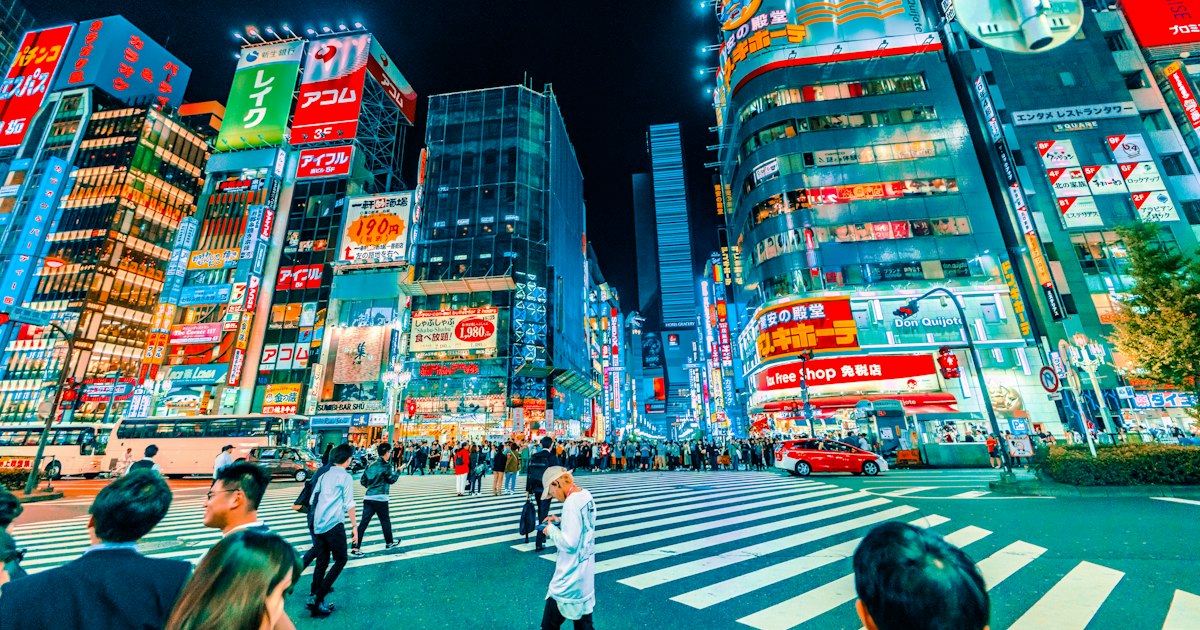
Photo by Jezael Melgoza on Unsplash
Japan is consistently ranked one of the safest countries in the world for travelers, and that holds true for LGBTQ+ visitors too — but “safe” and “openly accepting” aren’t quite the same thing here. There’s no legal risk in being LGBTQ+ in Japan, yet public life runs on discretion rather than visibility, which can feel confusing if you’re used to Pride flags on storefronts or rainbow crosswalks. This guide covers what the law actually says, where the scene lives, how to time a trip around Pride events, and the small practical details — from love hotel policies to onsen etiquette — that make the difference between an awkward moment and a smooth one.
Is Japan Safe for LGBTQ+ Travelers?
Same-sex relationships have never been criminalized under modern Japanese law (a brief sodomy statute was repealed back in 1880), and violent hate crime against LGBTQ+ people is rare by international standards — Japan’s overall low crime rate applies here too. What Japan lacks is a national anti-discrimination law with real teeth. A 2023 “LGBT Understanding Promotion Act” encourages tolerance but doesn’t ban discrimination in housing, employment, or services, so protections vary a lot by city and employer. In practice, foreign visitors are generally treated as polite guests regardless of who they’re traveling with; the bigger issue tends to be invisibility — don’t expect staff to ask about a “partner” the way they might abroad, and don’t expect rainbow signage outside of a handful of neighborhoods.
Marriage, Partnerships, and What They Mean for Visitors
Japan does not recognize same-sex marriage nationally. Several regional high courts (Sapporo and Tokyo among them) have ruled the marriage ban unconstitutional in recent years, which has kept the issue politically live, but no national law has changed yet. Over 400 municipalities — including Tokyo, Osaka, and most major tourist cities — issue local “partnership certificates” (pātonāshippu seido) that can help with things like hospital visitation rights, but they carry no legal weight for immigration, inheritance, or taxes. For a short trip this is mostly academic: hotels and ryokan book same-sex couples into double or twin rooms without a second glance, and there’s no “proof of relationship” required anywhere a tourist would encounter.
Where to Find the Scene
Tokyo’s LGBTQ+ nightlife is concentrated in Shinjuku Ni-chome, a few blocks east of Shinjuku Station’s east exit, packed with an estimated 300+ bars — most absurdly small, seating 5 to 15 people. Many charge a seat charge (seki-ryō) of ¥500–1,000 on top of drinks, which usually run ¥700–1,500. A few well-known, foreigner-friendly spots to start the night: Advocates Café (a street-level bar with no cover charge, good for a first drink and bearings), Arty Farty, and Dragon Men. Pride House Tokyo Legacy, a small community center in Ni-chome, is a good stop for English-language info on local events and resources. Osaka’s equivalent district is Doyama-chō, tucked just north of Umeda/Kita Station, smaller and more local in feel. Smaller scenes also exist in Fukuoka, Sapporo, and Nagoya, usually one or two streets rather than a full district.
- Budget night out: one bar, cover + two drinks, roughly ¥2,500–4,000
- Mid-range: bar-hopping 2–3 spots in Ni-chome, ¥6,000–8,000
- Splurge: a reserved table at a hostess/host-style show bar, ¥10,000+ per person
Pride Events and Timing Your Trip
Tokyo Rainbow Pride is Japan’s largest Pride event, held annually in late April or early May in and around Yoyogi Park, with a parade route through Shibuya and Harajuku. It’s free to attend, draws a large international crowd, and is a genuinely good excuse to build a trip around. If you’re flying in specifically for it, book flights and hotels well ahead — late April often overlaps with Golden Week, one of Japan’s busiest and most expensive travel windows, so it’s worth checking our guide to Japanese public holidays to avoid or plan around before locking in dates. Osaka’s Kansai Rainbow Festa typically runs in autumn (around October) in Osaka Castle Park, and Fukuoka and Sapporo each hold smaller Pride events in summer and early autumn respectively — exact dates shift year to year, so check local event pages a few months out rather than assuming a fixed date.
Hotels, Onsens, and Practical Accommodation
Standard hotels, business hotels, and ryokan have no policy against same-sex couples sharing a room — just book a double or twin bed as you normally would. The one category to watch is love hotels, which in some (older, rural) locations are set up only for opposite-sex pairs; city love hotels are generally more relaxed, but it’s not universal, so a quick look at reviews before booking saves an awkward front-desk moment. Traditional public baths are the trickier spot: sento and onsen are segregated strictly by sex at the entrance, which can be uncomfortable for trans travelers regardless of gender identity. The easiest workaround is booking a kashikiri (private rental) bath, usually ¥2,000–5,000 per hour, or choosing a ryokan with an en-suite bath in the room. If you want to try an onsen town properly, somewhere like Nozawa Onsen in Nagano has multiple free public baths, which also means multiple chances to find one quiet enough, or time of day quiet enough, to feel comfortable.
Common Mistakes to Avoid
- Expecting visible allyship. Staff silence isn’t hostility — overt PDA of any orientation is uncommon in public Japan, so a lack of reaction is normal, not a red flag.
- Assuming Ni-chome bars are all tourist-friendly. Some small bars are regulars-only or Japanese-speaking-only by custom, not by hostility — look for English signage or ask at Pride House Tokyo Legacy for current recommendations.
- Not checking a love hotel’s policy before arriving late at night with limited alternatives nearby.
- Skipping travel insurance because the trip “feels low-risk.” Any trip benefits from coverage — see our guide to travel insurance for Japan for what to actually buy.
Before You Go: Health, Insurance, and Resources
Japan’s clinics and hospitals are excellent but can be cash-up-front for foreign visitors without local insurance, so travel insurance that covers medical treatment is worth having regardless of who you’re traveling with — our guide on what to do if you get sick in Japan walks through pharmacies, clinics, and when to head to a hospital. If you’re on hormone therapy or carrying related medication, bring a doctor’s letter and keep medication in original packaging, as Japanese customs can be strict about unlabeled prescriptions. Beyond that, the practical reality of LGBTQ+ travel in Japan is reassuring: it’s a country where you’re unlikely to face open hostility, the scene is real and findable once you know where to look, and most of the friction — if any — comes from Japan’s general culture of discretion rather than anything aimed at visitors specifically.