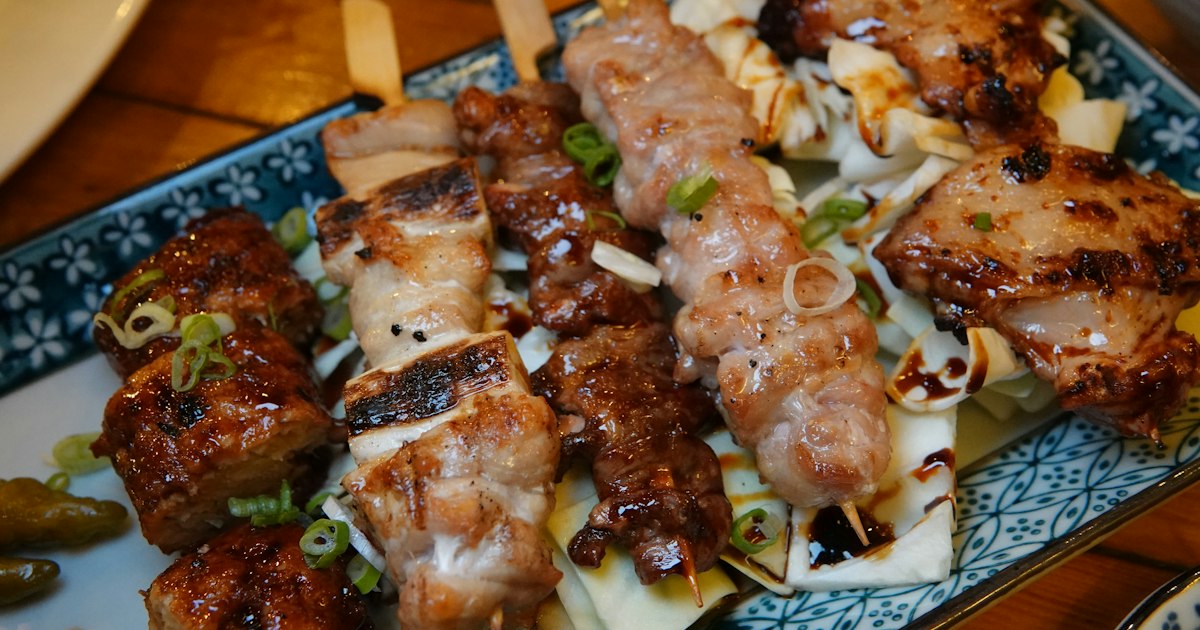
If you’ve eaten yakitori in Japan and wondered why it tastes smokier-but-cleaner than anything off a backyard grill, the answer is usually sitting in a metal box under the counter: binchotan, Japan’s white charcoal. It’s also quietly stocked in half the kitchen and home goods aisles you’ll walk past on a Japan trip, sold as everything from a fridge deodorizer to a water filter stick. It’s cheap, it’s genuinely useful, and it packs flat in a suitcase — making it one of the better souvenirs you can bring home that isn’t a snack or a keychain.
What Is Binchotan, Exactly?
Binchotan (備長炭) is a type of white charcoal traditionally made from ubame oak, slow-carbonized at extremely high temperatures (around 1000°C) and then rapidly cooled with ash and sand — a process called “shiro-zumi” finishing, which gives it a pale gray, almost powdery exterior. That’s different from ordinary black charcoal (kuro-zumi or briquettes), which burns faster, smokier, and at lower temperatures.
The gold-standard version is Kishu binchotan (紀州備長炭) from Wakayama Prefecture, a designation tied to the region much like Champagne is to France. Tosa binchotan from Kochi is the other major named variety. If a bag just says “white charcoal” with no regional name, it’s probably a cheaper import — fine for deodorizing, but not what a yakitori chef would use.
Grilling With Binchotan: Why Yakitori Chefs Swear By It
Binchotan burns hotter and far more evenly than regular charcoal, produces very little visible flame or smoke, and lasts 3-5 hours per load — which is why unagi and yakitori restaurants use it almost exclusively. The downside for home cooks: it’s genuinely hard to light. It needs a dedicated charcoal chimney starter, newspaper, and patience (15-20 minutes before it’s ready), rather than lighter fluid, which binchotan doesn’t absorb well anyway.
For a home grill or portable BBQ, buy it in 1kg bags (roughly ¥1,500-3,000 for genuine Kishu-grade) rather than loose sticks, which are priced and sold more for restaurant kitchens. If you’re traveling with a portable konro grill, note that sticks longer than about 20cm may need to be snapped — a small hammer or the back of a cleaver works.
Deodorizing: The Quiet Superpower in Your Closet and Fridge
Binchotan’s porous carbon structure absorbs odor molecules and moisture, which is why Japanese home goods stores sell it pre-packaged in small mesh or cloth pouches for shoe cabinets (genkan), refrigerators, and tatami rooms. These run around ¥500-1,500 for a pack of two or three pouches at a drugstore or Don Quijote, and typically need replacing every 6-12 months since the surface eventually saturates.
It’s a nice pairing with other Japanese home-care souvenirs — if you’re also picking up bath products, our guide to Bathclin and Japan’s bath salt aisle covers the other end of the home-goods shelf, where mineral bath salts and binchotan deodorizer packs are often stocked side by side.
Water Filtering: A Cheap Upgrade for Tap Water
This is the use case most visitors haven’t heard of. A single binchotan stick, roughly 10-15cm, placed in a pitcher of tap water for a few hours, measurably softens chlorine taste and odor — it’s a popular low-cost alternative to resin filters in Japanese households. Small “water purifying” sticks are sold specifically for this, usually ¥500-800 for a pack of 2-3 at supermarkets or home centers like Tokyu Hands.
Before first use, boil the stick in water for about 10 minutes to clean and activate the surface. Re-boil it once a month to keep it effective, and plan to replace it after roughly 3 months of regular use — though a “retired” water stick still works fine afterward as a deodorizer or garden soil additive, so nothing goes to waste.
Where to Buy Binchotan in Japan (and Online)
The single best place in Tokyo is Kappabashi Dougu Gai (合羽橋道具街), the kitchenware wholesale street near Asakusa, walkable from Tawaramachi Station on the Ginza Line. Multiple shops here sell both grilling-grade Kishu binchotan by the kilo and smaller deodorizer/water sticks, with knowledgeable staff who can explain grade differences. Most shops open around 9:30-10:00am and close by 17:30-18:00, and some close on Sundays, so check before a special trip.
Failing that, Tokyu Hands, Loft, and larger Don Quijote branches carry mainstream binchotan products year-round, and department store kitchen floors sometimes stock gift-boxed sets. If you want region-specific Wakayama or Kochi binchotan you can’t find in Tokyo, it’s worth checking Japanese secondhand and marketplace listings after you’re home — our guide to buying on Mercari Japan from abroad explains how to source specialty regional goods like this once you’re back, including forwarding services.
Common Mistakes to Avoid
- Buying “binchotan” that isn’t: cheap black charcoal is sometimes labeled loosely as binchotan for tourists. Look for 紀州備長炭 (Kishu) or 土佐備長炭 (Tosa) on the packaging for the real thing.
- Skipping the boil step for water filtering: using a stick straight out of the bag won’t filter effectively and can leave a gritty residue.
- Lighting it indoors without ventilation: like any charcoal, it produces carbon monoxide while burning — only use it in an open-air or well-ventilated grilling setup, never in a closed room.
- Expecting it to light like briquettes: lighter fluid mostly beads off; use a chimney starter and newspaper, and budget real time before it’s grill-ready.
Budget, Mid-Range & Splurge Picks
Budget (¥500-800): a drugstore deodorizer pouch or a pack of water-filter sticks — easy to pack, no grilling gear required.
Mid-range (¥1,500-3,000): a 1kg bag of genuine Kishu binchotan from Kappabashi or a department store kitchen floor, enough for several home BBQ sessions.
Splurge (¥5,000 and up): gift-boxed long sticks of restaurant-grade Kishu binchotan, sold at specialty shops — the kind actual unagi and yakitori restaurants use, and a genuinely impressive gift for a cooking-obsessed friend back home. If you’re already assembling a basket of Japanese craft souvenirs, it pairs well with something like our Hasami scissors buying guide — both are the kind of quietly excellent, made-in-Japan tools that outperform their price tag for years.