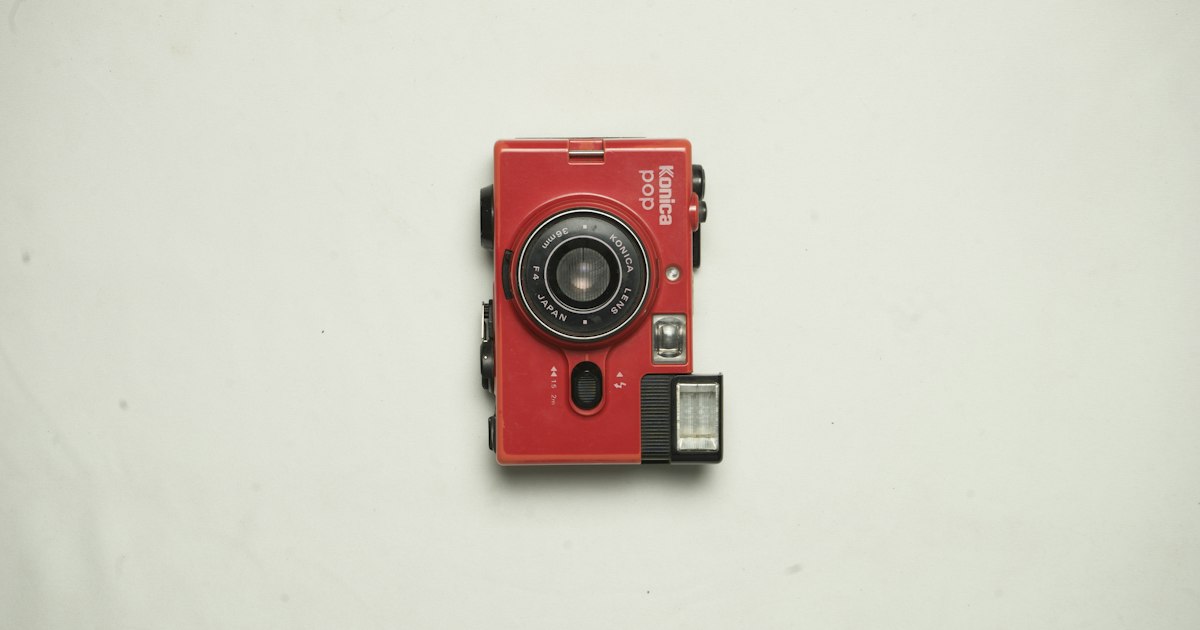
Photo by Parag Phadnis on Unsplash
In Japan, an instant photo isn’t just a souvenir — it’s a social currency. Ask a group of Japanese friends to take a “cheki” (the local nickname for Fujifilm’s Instax instant cameras, derived from “check it”) and you’ll see them line up, strike a pose, and then carefully trim and decorate the print with pens and stickers before tucking it into a planner or pinning it to a wall of memories. For visitors, it’s one of the easiest and most rewarding souvenirs to get into — but the camera and film ecosystem has enough quirks that it’s worth understanding before you buy.
Why “Cheki” Is Everywhere in Japan
The instant-photo habit didn’t start with Instax. It grew out of purikura (photo sticker booths), which exploded in popularity in the 1990s and trained a generation to treat photo-taking as a decorative, collectible ritual rather than just documentation. When Fujifilm’s Instax Mini format took off in the 2010s, it slotted neatly into that same culture: idols and voice actors sell cheki photos at meet-and-greet events, maid cafés offer cheki with staff as a paid option, and high schoolers and university students still trade printed photos as keepsakes in an otherwise all-digital world. If you want to see the adjacent arcade culture that shaped this habit, Round1 Stadium’s game floors are full of purikura booths alongside the bowling lanes and karaoke rooms, and Ikebukuro’s Otome Road is a good place to see how idol and character culture feeds the demand for printed photo keepsakes.
Picking the Right Camera: Mini, Square, Wide, or Evo
This is the single biggest point of confusion for first-time buyers: Instax film is not universal. Each camera family takes only its matching film size, and they are not interchangeable.
- Instax Mini (credit-card-sized prints) — the most common and cheapest format. The Instax Mini 12 retails for roughly ¥7,800–9,000 depending on color and store. This is the easiest entry point and what most rental cafés and event booths use.
- Instax Square (square-format prints) — the Instax SQ1 runs about ¥10,000–12,000. Film costs slightly more per shot than Mini.
- Instax Wide (larger, landscape-style prints) — good for group shots and scenery; cameras like the Wide 400 run around ¥14,000–16,000.
- Instax Mini Evo — a hybrid digital/analog camera with manual lens and film effect dials, priced around ¥22,000–24,000. It shoots digitally and only prints the frames you choose, which saves film if you’re a careful shooter.
If you’re buying as a gift or for a one-off trip memory, the Mini 12 is the easy, inexpensive choice. If you already own an Instax camera at home, just double-check which format it is before stocking up on film here.
Where to Buy Cameras and Film
You have three realistic tiers of shopping, depending on budget and convenience:
Budget — convenience stores and drugstores: Many Lawson, FamilyMart, and drugstore chains stock a single pack of Instax Mini film (10 shots) for around ¥1,000–1,100. It’s not the cheapest per-shot price, but it’s the only option if you run out of film at 11pm. Don Quijote is the best budget all-rounder for both cameras and film — prices are usually a bit lower than convenience stores, and flagship locations like Don Quijote Shibuya stay open 24 hours, which is handy if you’re stocking up after a late night out.
Mid-range — big electronics retailers: Yodobashi Camera and Bic Camera carry the full camera lineup plus multi-packs of film (two 10-shot packs for roughly ¥1,700–2,200, which works out cheaper per photo than single packs). Yodobashi Akiba in Akihabara is open 9:30am–10pm; Bic Camera Shinjuku East Exit is open 10am–10pm. Both offer tax-free purchases for overseas visitors on a single day’s total of ¥5,000 or more (before tax) — bring your passport, as staff will need to see it at the register or a dedicated tax-free counter. These stores also tend to have the widest color selection for cameras and seasonal/collaboration film designs (Rilakkuma, Sanrio, Disney, and seasonal sakura or Christmas border prints) that make good gifts.
Splurge/specialty — Loft and Hands (formerly Tokyu Hands): These lifestyle stores carry Instax alongside decorating supplies — washi tape, stickers, and mini photo albums specifically sized for Mini or Square prints — so it’s a good one-stop shop if you want to recreate the full “deco cheki” scrapbooking look you’ll see locals doing.
Best Timing for Buying and Shooting
Cherry blossom season (late March–early April) and New Year are when limited-edition film borders appear most often, so if you want a specific seasonal design, check stock early in the season rather than near the end — popular prints sell out at Loft and Hands locations in Tokyo and Osaka. Film also has a shelf life and is sensitive to heat and humidity, so Japan’s hot, humid summer (July–August) is the worst time to buy film far in advance of using it; buy only what you’ll shoot within a few weeks, and keep packs out of direct sun or a hot bag. Unlike traditional camera film, Instax packs are not damaged by airport X-ray scanners, so you don’t need to request a hand-check or use a lead bag when flying home.
Buying Secondhand and Vintage Cameras
Nakano Broadway in Tokyo has several secondhand camera shops with older Instax models, Polaroid-era cameras, and even older “Cheki” units from the 2000s at a discount versus new retail. If you can’t get to a physical shop, Fujifilm cameras — including discontinued colorways and older Mini models — show up constantly on Mercari Japan; our guide to buying on Mercari Japan from abroad walks through the proxy-shipping process you’ll need as an overseas buyer, since Mercari doesn’t ship internationally on its own.
Common Mistakes to Avoid
- Buying the wrong film size. Always check your camera’s model name against the film package — Mini, Square, and Wide are physically different sizes and won’t fit the wrong camera.
- Underestimating how fast you’ll burn through film. A 10-shot pack disappears quickly once you start taking “just one more” shots at a shrine or with a plush toy from a crane game. Buy a multi-pack upfront rather than scrambling on day three of your trip.
- Shooting in bright midday sun. Instax cameras have a fairly simple fixed exposure range; harsh overhead light tends to wash out faces. Shade, golden hour, or indoor lighting with the flash gives noticeably better results.
- Forgetting the tax-free minimum. If you’re buying a camera and film separately on a tight budget, combine the purchase into one transaction at Yodobashi or Bic Camera to clear the ¥5,000 threshold for tax exemption.
Most of the best Instax shopping is concentrated around Akihabara, Shinjuku, and Ikebukuro, all of which are easy to string together on the same day using Tokyo’s subway network — if you’re new to navigating the city’s two separate subway operators, our guide to Tokyo Metro vs. Toei Subway explains how transfers and ticketing work between them. However you get there, a cheki camera and a few packs of film is one of the lightest, cheapest, and most authentically Japanese souvenirs you can bring home — and unlike most souvenirs, you’ll have used it before you even leave the country.