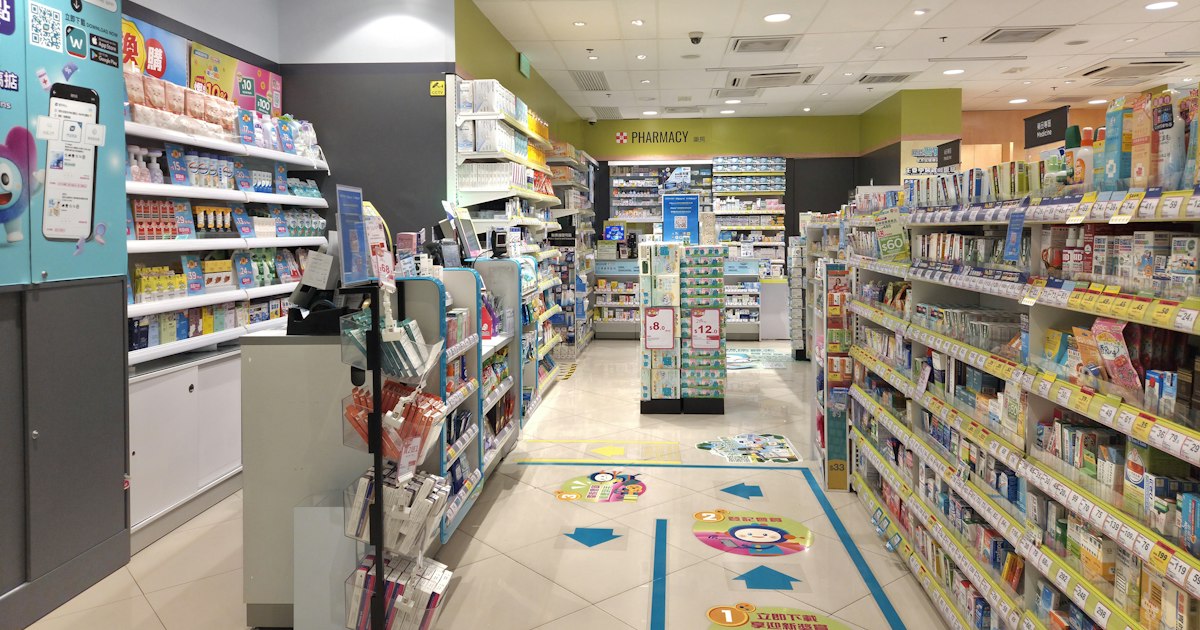
Photo by Cheung Yin on Unsplash
If you’ve scrolled past Japanese beauty videos online, you’ve probably seen two product categories that barely exist in Western drugstores: ultra-natural false eyelashes sold in dozens of micro-styles, and “double-eyelid tape” or glue that temporarily reshapes the eyelid crease. Both are everyday items in Japan, sold in every drugstore from Sapporo to Naha, and they make for genuinely useful souvenirs — cheap, lightweight, and hard to find authentic versions of back home. This guide covers what’s actually worth buying, what it costs, and the mistakes that trip up first-time shoppers.
What “Dolly Wink” actually is
Dolly Wink is the false-eyelash and eye-makeup line created by Japanese model Tsubasa Masuwaka in the late 2000s, manufactured by Koji Honpo. It became the template for the “natural but doll-like” lash look that dominates Japanese and Korean beauty content — wispy, criss-crossed lash bands rather than the dense, uniform strips common in Western brands. The line also includes eyeliner pencils, mascara, and eyelid glue, but the lashes are the flagship product.
A single pair of Dolly Wink lashes runs about ¥800–¥1,200 at retail. Popular numbered styles like No.1 (Sweet Girly), No.6 (Natural), or No.10 (Cat Eye) are the easiest to find; limited-edition collaborations sell out fast and show up marked up on resale apps. If you’re hunting for a discontinued shade or a sold-out collab box after your trip, Japanese secondhand/marketplace apps are often where they resurface — see our guide to buying on Mercari Japan from abroad for how foreign buyers can actually complete a purchase and get it shipped.
Other brands worth knowing
Dolly Wink isn’t the only name on the shelf. Koji’s own D-UP brand makes thinner, more flexible lash bands aimed at everyday wear rather than photo-ready drama. Diamond Lash leans glamorous with volume styles. Shoujo Jidai (an in-house convenience brand) and Yunth cater to the “invisible lash band” trend where the goal is lashes nobody can tell are fake. If you want volume without obvious strips, look for the words “極薄軸” (ultra-thin band) or “軽い” (lightweight) on the packaging — these are the actual selling points Japanese shoppers filter by, more useful than brand name alone.
Double-eyelid tape and glue: how it works
This is the category that surprises first-time visitors most. Eyelid tape (アイテープ) and eyelid glue (アイプチ/二重まぶた用グルー) are used to temporarily create or deepen a crease on a monolid or shallow-lid eye, lasting through a full day until removed with warm water or makeup remover. It’s a huge category in Japan and Korea, sold by brands like D-UP, Eyetalk, and Zettai Ryouiki, and is genuinely mainstream — not a niche or taboo product, which can catch foreign shoppers off guard the first time they see a whole drugstore shelf dedicated to it.
Tape (pre-cut strips or fiber mesh you shape yourself) is the gentler, more beginner-friendly option and costs roughly ¥300–¥700 for a pack of 60–300 pieces. Glue/liquid formulas create a crisper, more natural-looking fold but have a steeper learning curve and a higher chance of irritation with daily use. If you have sensitive skin or contact lenses, patch-test on your inner wrist first, and never use eyelid glue near the lash line if you also wear contacts — see our guide on buying contact lenses in Japan if you need to restock lenses during your trip, since pharmacies that sell eyelid products often sell lens solution too.
Where to buy: budget, mid-range, and splurge
Budget: Daiso and Seria (¥100–¥220 per item) carry basic lash bands and tape strips — fine for a one-off try, not as durable as name brands. Drugstore chains like Matsumoto Kiyoshi, Sundrug, and Welcia stock the full Dolly Wink and D-UP ranges at standard retail price, usually with tax-free checkout for purchases over ¥5,000 in a single transaction if you show your passport.
Mid-range: Loft and Tokyu Hands have the widest in-person selection of lash styles and often get exclusive packaging, usually ¥900–¥1,500 per pair. Donki (Don Quijote) is open late or 24 hours in many locations and is a solid option if you’re shopping after a long day of sightseeing.
Splurge: Department store cosmetics floors (Isetan Shinjuku, Hankyu Umeda) carry premium Japanese and Korean lash brands with English-speaking staff at some counters, plus try-on samples — useful if you’ve never applied falsies before and want someone to show you.
For deal-hunters: outlet malls occasionally carry overstocked cosmetics boxes at a discount alongside fashion brands. If you’re already planning a day trip to Gotemba Premium Outlets, it’s worth a quick look at the cosmetics outlet stores there, though selection varies by season.
Best timing and common mistakes
Shop early in your trip, not the last day — if a style doesn’t suit your eye shape, you’ll want time to exchange it for a different number at another store (most Japanese drugstores don’t do refunds on opened cosmetics, but will often swap unopened packs). Spring and early autumn are the best seasons generally for Japan travel comfort-wise, but lash and tape stock doesn’t really have seasonality — it’s a year-round, always-fully-stocked category.
The most common mistake foreign buyers make is choosing lashes by the photo on the box rather than the style number and band description, since box photos are heavily styled and don’t reflect how sparse or dense the actual band is. Ask staff to show you the lash on a card under store lighting if you’re unsure — most drugstores keep display samples at the counter. The second mistake is buying eyelid glue as a first-time product: start with tape, since glue requires more precise application and is harder to remove without pulling at delicate skin.
Pack lashes flat in their original plastic tray inside your luggage — they crush easily in a toiletry bag. Tape and glue should go in checked luggage if the bottle is over 100ml (most are well under that limit, so this is rarely an issue for carry-on).
Quick reference
- Dolly Wink lashes: ¥800–¥1,200/pair — drugstores, Loft, Tokyu Hands
- D-UP / Diamond Lash: ¥700–�ot;1,400/pair — same locations
- Eyelid tape: ¥300–¥700/pack of 60–300 — Daiso, drugstores
- Eyelid glue: ¥800–¥1,500/bottle — drugstores, Don Quijote
- Tax-free threshold: ¥5,000+ in one transaction, passport required
Pair a cosmetics run with a stop for Japanese sheet masks — the same drugstore aisle usually has both, so it’s an easy way to fill out a beauty-focused souvenir haul in a single stop.