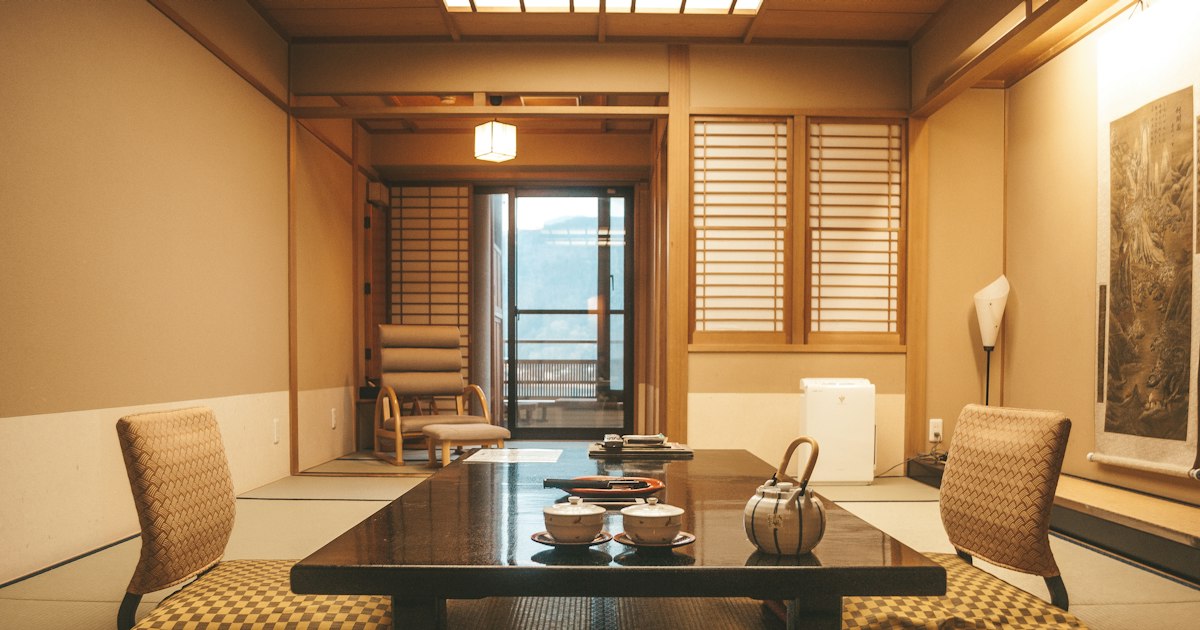
Photo by Filiz Elaerts on Unsplash
Japan takes indoor air seriously, and its electronics aisles reflect it: entire shelves devoted to air purifiers with plasma-based deodorizing technology, humidifier-purifier combo units for dry winters, and sleek Dyson models sold at prices that often undercut what you’d pay back home. If you’re visiting Japan and curious about picking one up — or you live here and are trying to make sense of the Sharp, Panasonic, and Daikin lineups — this guide covers what each brand actually does differently, what things cost in 2026, and the voltage and shipping details that trip up most overseas buyers.
Why Japanese air purifiers are different
Japan’s big three domestic brands — Sharp, Panasonic, and Daikin — have spent two decades competing on ion and plasma technology rather than just filtration. Sharp’s Plasmacluster and Panasonic’s nanoe X both generate charged particles that are claimed to break down odors, mold spores, and some airborne bacteria, on top of a standard HEPA filter. Daikin’s equivalent is called Streamer. These aren’t marketing gimmicks exclusive to Japan — Sharp sells Plasmacluster units in the US too — but the domestic Japanese lineup is far larger, includes models built specifically for Japan’s humidity swings, and tends to be 20-40% cheaper than the export versions of the same technology.
Dyson is the notable non-Japanese brand with a huge presence here, mostly for its bladeless fan-purifier hybrids (the Dyson Purifier Cool and Hot+Cool lines). Japanese retail prices for Dyson are often lower than US or UK retail, which is why it shows up on a lot of “what to buy in Japan” lists.
Sharp vs. Panasonic vs. Dyson: what actually differs
- Sharp (Plasmacluster) — The widest range of humidifier-combo units, which matters in Japan’s dry winter and humid summer extremes. A mid-range KI-series humidifying air purifier for a 23m² room runs roughly ¥35,000-¥55,000. Tank-based humidifier units need descaling every 1-2 weeks if you’re not using the citric-acid cleaning tablets sold alongside them in the same aisle — skipping this is the single most common complaint from first-time owners.
- Panasonic (nanoe X) — Strong on standalone humidifiers and compact bedroom purifiers (the F-PXT/F-VXT series), generally ¥25,000-¥60,000 depending on room size coverage. Panasonic’s app integration (via the Panasonic Smart App) is more reliably translated into English than Sharp’s COCORO AIR app, which matters if you want to control it from your phone.
- Dyson (Purifier Cool/Hot+Cool) — No humidifier function on most models (check the “Humidify+Cool” line specifically if you want one), but unmatched air circulation since it’s a fan first. Japanese retail runs ¥55,000-¥90,000 for current-generation models, often ¥10,000-¥20,000 below equivalent US pricing even after you account for the exchange rate.
Daikin is worth a mention for allergy sufferers specifically — its Streamer units are frequently recommended by Japanese pharmacists for pollen season (late February to April) because of strong pollen-specific filtration marketing, though independent lab data showing it outperforms Sharp or Panasonic HEPA filtration is thin. Treat it as a reasonable alternative, not a clear winner.
Where to buy: stores and what to expect
Large electronics chains are the easiest starting point:
- Yodobashi Camera, Bic Camera, Yamada Denki — All three have huge stores in Shinjuku, Shibuya, Akihabara, Umeda, and other major hubs, typically open 10:00-21:00. Floor staff rarely speak fluent English in appliance sections outside flagship Tokyo/Osaka stores, so having the model number (e.g., “Sharp KI-NS40”) written down or on your phone saves time.
- Don Quijote — Carries a smaller but cheaper selection, useful for compact desktop purifiers (¥3,000-¥8,000) as a lightweight souvenir rather than a serious room unit.
- Amazon Japan / Rakuten — Often cheaper than in-store, and both ship to hotels, but you’ll need a Japanese address or a forwarding service, and warranty service is tied to the Japanese market.
Tax-free shopping (consumption tax exemption for tourists) applies at Bic Camera and Yodobashi on purchases over ¥5,000 before tax, provided you show your passport at checkout and the item leaves Japan within 30 days unopened in its tax-free packaging — don’t break the seal before your flight or customs can (in theory) claw back the exemption.
The voltage problem — read this before you buy
This is where most visiting buyers get burned. Japan runs on 100V, 50Hz (eastern Japan, including Tokyo) or 60Hz (western Japan, including Osaka), while most of North America is 120V and Europe/Australia is 220-240V. Small electronics with universal switching power supplies (phone chargers, some humidifier control boards) often tolerate 100-240V fine — check the label on the plug or adapter brick. But air purifiers and humidifiers with motors (fans, ultrasonic diaphragms, heating elements for steam humidifiers) are usually designed for 100V only and will run poorly, overheat, or burn out on a 120V or 240V outlet without a step-down transformer.
Before buying to take home, check the rating plate (定格, teikaku) on the unit or in the manual for “100V” with no wider range listed. If it’s 100V-only, you’ll need a voltage converter rated for the unit’s wattage (most purifiers draw 30-60W, humidifiers with heating elements can draw 200-400W), and even then, motor-driven appliances run slightly off-spec on stepped-down power long-term. For a 220-240V country, a basic buck transformer is cheap (¥3,000-¥6,000) but is one more thing to pack and another point of failure.
Shipping and customs considerations
If you don’t want to deal with transformers, shipping internationally is usually simpler, especially for bigger humidifier-purifier combos that are inconvenient to pack in luggage. Japan Post’s EMS or a forwarder can ship a typical 5-8kg unit for roughly ¥8,000-¥15,000 to North America or Europe, arriving in 4-10 days. Note that most countries don’t charge import duty on personal-use small appliances under a certain declared value, but check your destination country’s threshold before you commit — rules vary and change.
If you’re shopping secondhand to save money — Sharp and Panasonic units hold their resale value reasonably well — Mercari Japan has a large secondhand appliance category, often 30-50% below retail for units a year or two old, though you’ll want a proxy/forwarding service since Mercari doesn’t ship internationally on its own. If you’re flying out through Narita or Haneda with a purifier in checked luggage, it’s worth reviewing how transfers between the two airports work in case your itinerary involves switching terminals with bulky boxed appliances in tow.
Budget, mid-range, and splurge picks
- Budget (¥3,000-¥10,000): Compact desktop purifiers or small ultrasonic humidifiers from Sharp, Panasonic, or generic brands like Iris Ohyama — fine for a single hotel room or office desk, not a real substitute for whole-room filtration.
- Mid-range (¥25,000-¥55,000): Sharp KI-series or Panasonic F-series combo units covering 15-25m² rooms — the sweet spot for most households and the segment with the widest selection in any Bic Camera or Yodobashi.
- Splurge (¥60,000-¥90,000+): Dyson Purifier Hot+Cool Formaldehyde or top-tier Sharp/Panasonic units with app-based air quality monitoring and larger coverage (40m²+) — worth it if you’re furnishing a permanent home in Japan rather than buying as a travel souvenir.
Best timing and common mistakes
Buy during Japan’s two big sale windows — early July (summer bonus season) and late December (year-end clearance before new models launch in January) — when retailers discount outgoing models by 15-25%. Avoid buying in February-March if you’re shopping for a humidifier-purifier combo; that’s peak pollen and dry-season demand, and popular models frequently sell out. Similarly, for a pure air purifier aimed at allergens, buying just before pollen season in late January gives you the best stock selection, much like timing other seasonal purchases around Japan’s holiday clusters affects crowd levels when visiting retail districts.
The most common mistakes: buying a 100V-only unit without checking voltage compatibility, skipping the descaling tablets for humidifier tanks (which causes mineral buildup and mold within weeks in hard-water areas), and assuming the Japanese-only instruction manual will have an English insert — it usually doesn’t, though Panasonic and Dyson’s companion apps offer English UI options that make day-to-day use manageable even without translated paperwork. And if odor control is your actual goal rather than allergens or humidity, it’s worth comparing the cost of a plasma-ion purifier against simpler Japanese solutions like binchotan charcoal, which handles basic deodorizing in small spaces for a fraction of the price and needs no electricity or voltage conversion at all.