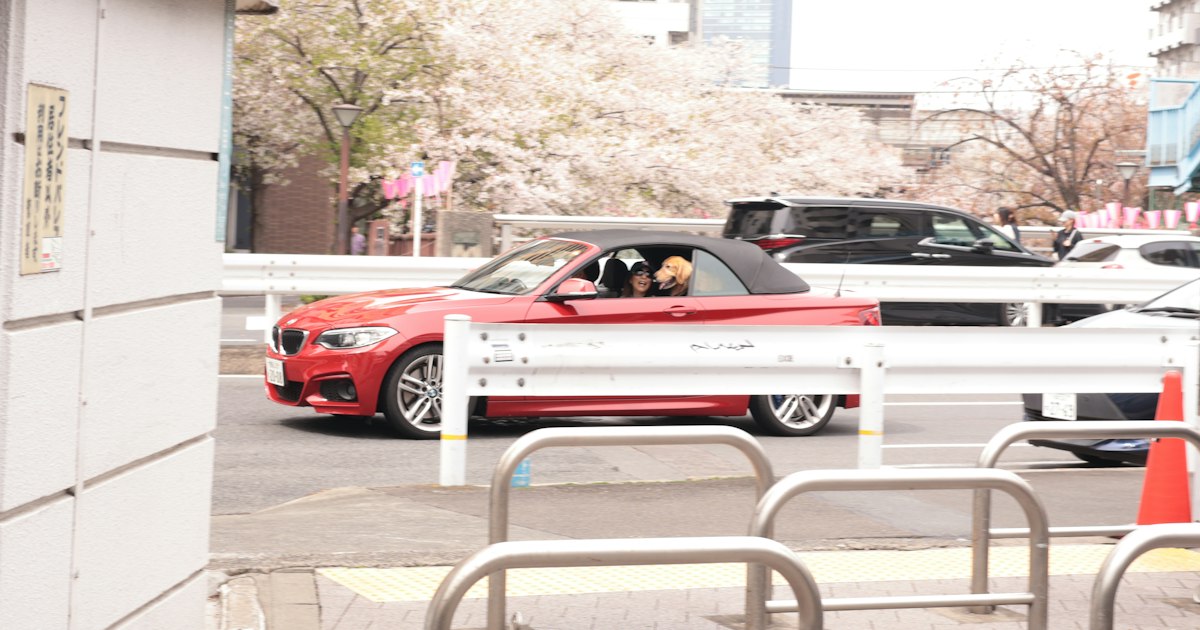
Photo by Yanhao Fang on Unsplash
Japan has a reputation for being tricky for pet travel, but that’s mostly outdated. Over the last decade, dog-friendly hotels, cafes, and even dedicated dog runs have multiplied in major cities and resort areas, and the rules—while real—are far more manageable than most first-timers expect. If you’re bringing your dog into the country, or you already live here and want to travel domestically, here’s what you actually need to know.
Entering Japan With Your Dog: The Paperwork That Actually Matters
Japan requires advance notification to an Animal Quarantine Service (AQS) station at least 40 days before arrival if you’re bringing a dog from a rabies-designated region (most of North America, Europe, and Australia qualify for the simplified process). You’ll need a microchip (ISO 11784/11785 compliant, 15-digit), two rabies vaccinations at least 30 days apart, a rabies antibody titer test showing at least 0.5 IU/mL, and then a waiting period of 180 days from the date the blood was drawn before you can land. Skipping any step means your dog gets held at quarantine for up to 180 days on arrival—this is the single most common and most painful mistake travelers make. Submit the advance notification online through the Ministry of Agriculture’s AQS portal; it’s free and generates the import permit you’ll need at the airport.
If you’re arriving from a non-designated region (much of Asia, Africa, and parts of the Middle East), the process is longer and includes additional waiting periods, so check your specific country’s status well before booking flights.
Getting Around: Trains, Taxis, and the Shinkansen
Dogs can ride Japan Railways trains, including the shinkansen, but only inside an enclosed carrier small enough to hold on your lap or stow under a seat—typically capped around 10kg including the carrier, with combined dimensions (length + width + height) under 90cm, and no body part allowed to stick out. There’s no separate ticket required for small pets in a bag on most JR lines, though a handful of private railways charge a small pet fee (often ¥280–370). Carriers that let your dog’s head poke out, or dogs carried in slings or strollers uncovered, will get you turned away by staff, so a proper soft-sided zippered carrier is worth the investment before you travel. Taxis generally allow pet carriers without issue, and some companies (like certain Nihon Kotsu fleets in Tokyo) offer pet-friendly cars on request. If you’re combining trains with discounted intercity travel, the ticket-buying strategies in our guide to discount ticket shops still apply—carriers don’t affect fare eligibility.
Where to Stay: Budget to Splurge
Dog-friendly lodging in Japan splits roughly into three tiers:
- Budget (¥6,000–12,000/night): Chain business hotels rarely allow pets, but pet-friendly “vacation rental” (minpaku) listings on Airbnb and Vrbo in resort towns like Karuizawa, Hakone, and Nasu often do, usually with a cleaning surcharge of ¥2,000–5,000.
- Mid-range (¥15,000–30,000/night): Purpose-built pet resorts such as Karuizawa’s “Karuizawa Pet Resort” hotels and chains like “Odakyu Hotel de Yama” (Hakone) offer fenced dog runs, in-room pet amenities, and sometimes joint spa/dinner courses for owner and dog. Expect a per-dog fee of ¥3,000–6,000/night on top of the room rate.
- Splurge (¥40,000+/night): Ryokan-style properties in Nasu and Izu with private hot-spring dog runs, dog-friendly kaiseki dinner service (served to you, not the dog), and in-room dog beds/bowls. Hoshino Resorts’ “Risonare” properties and several boutique inns in Kawaguchiko fall here.
Always confirm size and breed restrictions directly—many properties cap dogs at 10kg or exclude certain breeds, and policies change seasonally.
Dog Cafes and Dining Out
Japan’s café culture extends enthusiastically to dogs. Dog cafes (inu cafe) where you can bring your own pet—distinct from the “rental dog” cafes aimed at people without pets—are common in Tokyo (Shibuya, Yoyogi-area), Osaka, and resort towns. Expect a seating charge of ¥500–1,000 per dog on top of your own order, often with a small dog menu (boiled chicken, unseasoned treats, ¥300–600). Outside dedicated dog cafes, regular restaurants are hit or miss: terrace/outdoor seating is often fine with a leashed or carried dog, but indoor seating is usually refused outside of explicitly pet-friendly establishments. Look for a paw-print sticker or “ペット可” (pet OK) signage at the entrance rather than assuming.
Convenience stores and most food shops won’t allow dogs inside even in a carrier, so plan grab-and-go stops accordingly if you’re exploring on foot with your dog for the day.
Dog Runs, Parks, and Seasonal Timing
Fenced off-leash dog runs are increasingly common in both city parks and resort areas—Yoyogi Park and Komazawa Olympic Park in Tokyo both have free, unstaffed runs, while resort towns like Karuizawa and Hakone have larger, sometimes-paid runs (¥500–1,000 for a few hours) attached to hotels or rest areas. Summer (July–August) is genuinely hard on dogs in Japan: pavement heat, high humidity, and strict “no dogs on the beach in peak season” rules at many coastal spots make it the worst time to bring a dog-heavy itinerary. Spring (April) and autumn (October–November) are the sweet spot—mild temperatures, open dog runs, and resort towns at their most scenic for a walk. Winter works well too in snow regions like Nagano, where several hotels run dog-friendly snowshoe walks.
Common Mistakes to Avoid
- Underestimating the 40-day/180-day import timeline. This is non-negotiable; there’s no express lane, and quarantine holding fees run into the hundreds of dollars.
- Assuming carrier rules are flexible. JR staff do check carrier dimensions and closure at busy stations, especially on the shinkansen; non-compliant carriers can mean denied boarding.
- Not calling ahead to confirm size/breed limits. Listings and hotel websites are sometimes outdated; a phone call or message the day before saves a wasted trip.
- Packing human snacks as dog treats. Japan’s convenience-store and import-grocery pet sections are limited compared to the US; if your dog has a specific diet, bring enough food for the trip or confirm a pet shop (like Aeon Pet or local brands) stocks your type before you fly.
With the quarantine paperwork sorted early and a proper carrier in your bag, Japan is genuinely one of the more rewarding countries to explore with a dog—quiet rural inns, scenic dog runs, and a culture that, overall, treats well-behaved pets with real warmth.