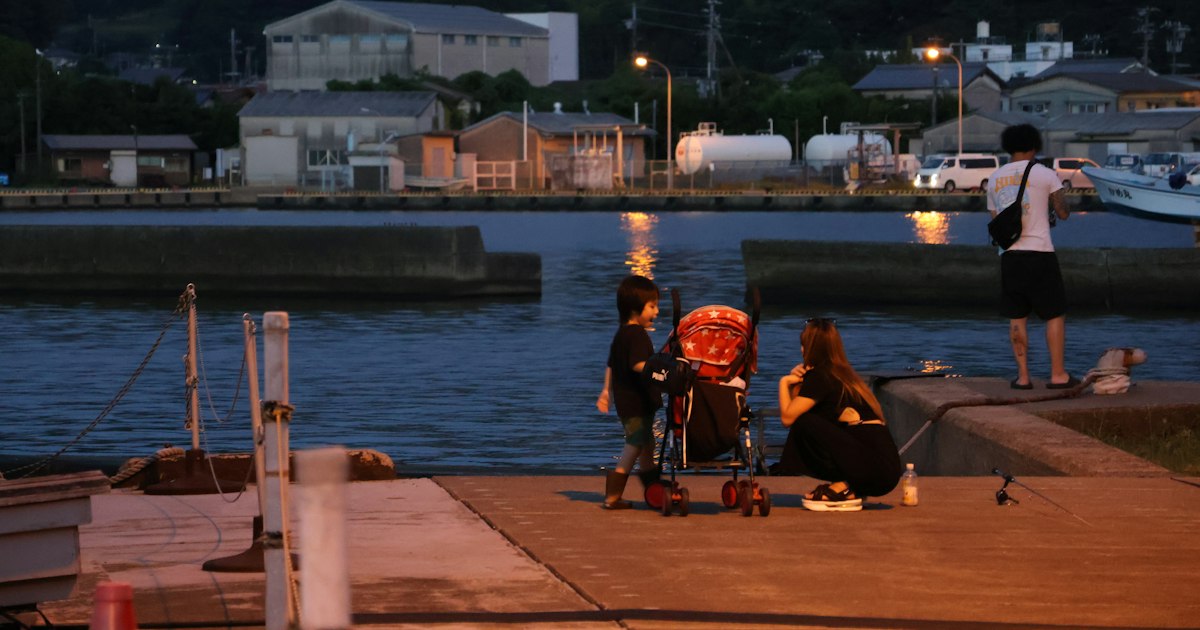
Photo by Yanhao Fang on Unsplash
Flying to Japan with an infant or toddler is stressful enough without wedging a stroller, a car seat, and a travel crib into your luggage allowance. The good news is you don’t have to. A handful of baby-gear rental companies in Japan specialize in exactly this: you order online before you land, your stroller or crib is waiting at your hotel’s front desk when you check in, and you leave it behind (or a courier collects it) on your last day. Here’s how the system actually works, what it costs, and the mistakes that trip up first-timers.
What you can rent, and why it beats packing your own
Most rental companies serving foreign visitors offer four core categories: lightweight umbrella strollers, full-size travel-system strollers (better for all-day sightseeing and sleeping toddlers), infant/toddler car seats, and travel cribs (often called “baby cots,” usually Aprica or Katoji brand with a mattress and fitted sheet included). Many also rent smaller items like bath rings, bed guards, high chairs, and baby bathtubs — useful if you’re staying in an apartment-style hotel or Airbnb with a kitchen.
The case for renting rather than bringing your own gear is mostly logistical. Japanese train platforms, hotel elevators, and ryokan hallways are often narrower than what you’re used to, and a bulky stroller checked as luggage adds a wheeled case’s worth of hassle to every transfer. Renting a Japan-sized, Japan-appropriate stroller also means it’s already built for the country’s narrower aisles and the stairs you’ll inevitably meet at smaller stations — which matters if you’re navigating somewhere like the Yamanote Line, where some stops still have shorter elevator waits than others.
How hotel delivery actually works
You book through the rental company’s website (most have English pages), choosing your rental dates, item, and delivery hotel. The company ships via a standard parcel courier (usually Yamato or Sagawa), timed to arrive at your hotel’s front desk on or just before your check-in date — hotels in Japan are used to holding packages for guests, so this is routine, not a special favor. On your departure day, you leave the gear at the counter, often already boxed with a prepaid return label, and the same courier collects it.
Order lead time matters: standard delivery usually needs 3–5 business days’ notice, and most companies offer express or next-day delivery for a surcharge (typically an extra ¥1,000–¥2,000). Customer support is generally available by phone or chat on weekdays, roughly 9:00–18:00 JST, which is worth knowing if you’re trying to adjust an order after arriving. If your itinerary spans cities — say, starting in Tokyo and flying home from Osaka — many companies will deliver to one hotel and let you return the item at a different one, usually for a small additional leg fee (around ¥1,000–¥3,000).
What it costs: budget, mid-range, and splurge
Pricing is per rental period (typically a flat weekly rate rather than per day), so renting for 10 days usually costs the same as 7:
- Budget: A basic lightweight/umbrella stroller runs roughly ¥3,000–¥5,000 per week. Delivery and pickup together usually add ¥1,000–¥2,000 in major cities (often waived if your total order passes a minimum, commonly around ¥8,000–¥10,000).
- Mid-range: A full-size travel-system stroller or an infant car seat runs about ¥5,000–¥9,000 per week. A travel crib with bedding is similar, around ¥4,000–¥6,000. Bundling a stroller, crib, and bath set together often comes with a package discount, landing the whole set around ¥12,000–¥16,000 for a week.
- Splurge: Premium stroller brands (Cybex, Combi’s higher-end lines, Aprica’s newer models), same-day express delivery, and multi-city drop-off/pickup push costs up to ¥20,000+ for a longer trip, but save real suitcase space and setup hassle.
These are typical ranges across the companies that serve English-speaking tourists in Tokyo, Kyoto, and Osaka; always check the live quote on the rental site for your specific dates, since pricing shifts with season and item availability.
Car seats, taxis, and Japan’s actual rules
Japanese road traffic law requires children under 6 to be in an appropriate child safety seat in a private passenger vehicle — but taxis and buses are explicitly exempt. This trips up a lot of visitors: if your only driving in Japan is the occasional taxi to a restaurant or airport transfer, you don’t legally need a car seat at all, and most taxi drivers won’t expect you to bring one.
Where it does matter is if you’re renting a car for a day trip — to Hakone, Nikko, or deeper into the countryside. In that case, skip the separate baby-gear rental company and book the car seat directly through the rental car company (Toyota Rent a Car, Nippon Rent-A-Car, Times Car, etc.) when you reserve the vehicle. It’s simpler logistically and usually cheaper, running about ¥1,080–¥2,200 for the whole rental period rather than per day. Reserve it at the same time as the car — child seats are limited stock and sell out fast during peak travel weeks.
Timing it around Japan’s travel seasons
Demand for baby gear rental spikes alongside Japan’s busiest tourist windows: cherry blossom season (roughly late March to early April), Golden Week (April 29–May 5), and the New Year holidays. During these stretches, book your gear at least 2–3 weeks ahead rather than the standard few days, since popular items (especially infant car seats and full-size strollers) do run out. Outside peak season, a week’s notice is usually plenty.
If your trip involves a lot of outdoor walking in summer, it’s worth pairing a rented stroller with sun protection — a stroller-mounted shade or a UV umbrella for yourself makes a real difference, and it’s the same logic behind Japan’s own UV-cut folding parasols, which locals swear by from June through September.
Common mistakes to avoid
- Ordering too late. Waiting until you’ve landed to arrange gear means limited stock and rushed express fees. Order before you leave home, ideally once your hotel is confirmed.
- Assuming every station has step-free access. Most major Tokyo, Kyoto, and Osaka stations do now have elevators, but smaller local stations or ones mid-renovation sometimes don’t — check ahead if your day involves a lot of transfers, especially if you’re also heading up somewhere like Shibuya Sky with a stroller in tow (it’s stroller-friendly, but elevators get crowded).
- Not measuring the folded stroller against your hotel room. Many central Tokyo and Kyoto hotel rooms are compact, and some older buildings have narrow elevators. Check the folded dimensions of whatever you rent against your room type before committing to a full-size model.
- Forgetting to register your trip details in advance. Before you even get to baby gear, make sure your family’s entry paperwork is sorted — Visit Japan Web lets you pre-register customs and immigration details for everyone in your party, which saves real time at arrival when you’re also managing a stroller and carry-on diaper bag.
- Renting a car seat from a baby-gear company when you only need a taxi. As above — taxis don’t require one, so don’t pay for gear you won’t legally need.
Done right, renting baby gear turns one of the more intimidating parts of traveling with a small child into a non-issue: you land with carry-ons instead of a car-seat-sized extra bag, and a crib is already set up in your room by the time you check in.