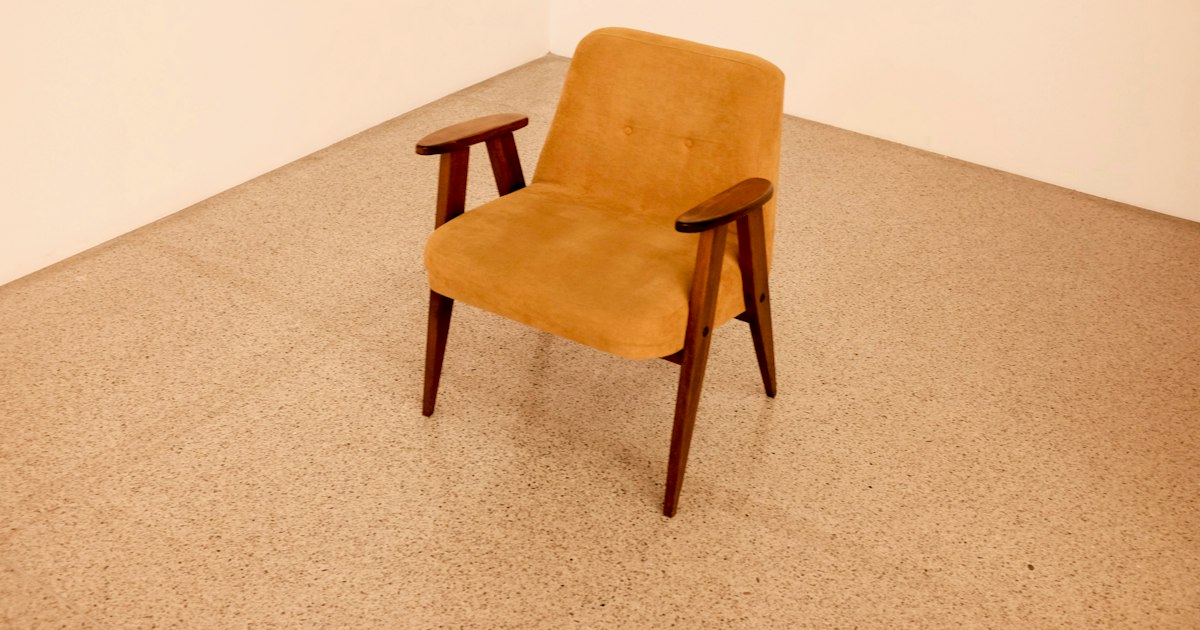
Photo by Lukas Juhas on Unsplash
If you’ve scrolled past enough Japanese interior design accounts, you’ve already seen the chair: a low-slung wooden lounge chair with a gently curved backrest and a matching ottoman, usually photographed next to a potted fiddle-leaf fig. That’s the Karimoku60 K Chair, and it’s the gateway piece into one of Japan’s most quietly influential furniture brands. Karimoku isn’t a trendy startup — it’s a 1940-founded manufacturer from Aichi Prefecture that spent decades making solid, well-joined wooden furniture before a 2009 reissue line turned it into an international design obsession. Here’s what’s actually worth buying, where to find it in Japan, and how to avoid the mistakes that trip up first-time buyers.
Who Karimoku Actually Is
Karimoku Furniture Inc. was established in 1940 in Kariya, Aichi Prefecture — the company name is a contraction of “Kariya” and “moku” (wood). It has operated as a wood furniture manufacturer for over 80 years, with factories still clustered in the Chiryu/Takahama area east of Nagoya. For most of its history Karimoku made conventional domestic furniture, but in 2009 it relaunched a set of its 1960s designs under the sub-brand Karimoku60, rebuilding pieces exactly as they were originally made — solid wood frames, no veneer shortcuts, the same joinery techniques — at prices well below comparable European mid-century reissues. That combination of genuine vintage lineage and real Japanese factory quality is why the brand has a cult following among designers and expats furnishing apartments in Tokyo.
In 2020, Karimoku launched a second, more upscale line called Karimoku Case Study, developed with Tokyo-based designer Keiji Ashizawa and Danish studio Norm Architects. It leans minimalist and Scandinavian-adjacent, with oak and walnut pieces aimed at the same crowd that likes Japanese-Nordic crossover brands. If Karimoku60 is the approachable entry point, Case Study is the splurge tier.
What to Actually Buy: The Three Tiers
Budget (¥10,000–¥40,000): Small Karimoku60 accessories — stools, side tables, the T-type stacking stool — are the easiest entry point and pack reasonably well for travel if you’re willing to carry a box home.
Mid-range (¥60,000–¥150,000): The K Chair lounge chair and its ottoman are the brand’s signature pieces, typically priced in the ¥60,000–¥90,000 range per piece depending on fabric or leather upholstery, with the pair running close to ¥150,000. Dining chairs and small cabinets from the Karimoku60 line generally fall in this band too.
Splurge (¥150,000 and up): Karimoku Case Study sofas, lounge chairs, and dining sets routinely run into the ¥200,000–¥500,000+ territory, comparable to what you’d pay for a European designer brand — except it’s made an hour from Nagoya rather than shipped from Denmark.
Where to See and Buy It in Japan
You generally won’t walk into a single standalone “Karimoku store” the way you would an Ikea. Instead, the furniture is distributed through design retailers and the brand’s own showroom spaces:
- Actus — a major Japanese furniture chain with multiple Tokyo branches (including a large store in Minami-Aoyama) that regularly stocks Karimoku60 pieces alongside other mid-century reissues. This is the most reliable place for a casual buyer to sit in the actual chair before ordering.
- Karimoku Commons — the brand built a dedicated showroom, workshop, and café space in Takahama, Aichi (the company’s home turf near Nagoya), designed in collaboration with Keiji Ashizawa, where you can see the full range including Case Study pieces in a proper architectural setting. A Tokyo satellite space has also operated in the Jingumae/Shibuya area for city-based viewing. Treat both as showrooms first — confirm current opening days and whether same-day purchase/pickup is possible before planning a special trip, since hours and operating status shift.
- Design-focused select shops in Tokyo neighborhoods like Aoyama and Daikanyama often carry a curated handful of Karimoku60 pieces alongside other Japanese and Scandinavian furniture — worth browsing if you’re already in those areas rather than making a dedicated trip.
If you’re building an itinerary that already includes Nagoya — say, en route to or from the Kansai region — the Takahama/Chiryu area showroom is worth the detour specifically because it’s the only place you’ll see the full Case Study collection displayed as intended, in room-like settings rather than a retail floor.
Best Timing for a Furniture-Buying Trip
Showroom and retail furniture shopping in Japan isn’t seasonal the way food or festivals are, but a few practical timing notes matter. Weekday mornings are dramatically quieter at Tokyo design retailers than weekends, which matters if you want unhurried time with sales staff who can explain fabric and wood options. If you’re buying something large enough to need shipping, build in at least a few days of buffer before your flight home — custom upholstery orders in particular can take weeks, so anything made-to-order should be arranged early in your trip, not on your last day.
Common Mistakes to Avoid
The biggest mistake foreign buyers make is assuming furniture-sized purchases can go on a credit card the way a souvenir would — many smaller select shops and showroom spaces still prefer cash or have lower card limits than you’d expect, so don’t assume plastic covers everything; it’s worth knowing your convenience store ATM withdrawal limits if you need to top up cash for a deposit. The second mistake is underestimating shipping cost and lead time: international furniture shipping from Japan is usually quoted separately from the furniture price and can add 20–40% for large pieces, with delivery taking anywhere from four to twelve weeks by sea. Ask the retailer directly whether they handle export shipping — not all of them do, and some will only ship domestically within Japan, leaving you to arrange a freight forwarder yourself.
A third mistake is overlooking the secondhand market. Karimoku60 and older Karimoku pieces from the original 1960s–70s production show up regularly in Japan’s vintage and recycle shops at a fraction of reissue prices, especially in Aichi and Nagoya-area secondhand furniture stores closer to the factory. It’s the same logic as hunting end-of-season secondhand gear deals elsewhere in Japan — patience and a willingness to buy used can cut your cost dramatically if you’re not fussed about brand-new upholstery.
If You Like Karimoku, You’ll Also Like
Karimoku fans tend to be the same people who get pulled into Japan’s broader vintage-object culture — collectors hunting Showa-era tin toys and vintage robots are chasing the same mid-century Japanese design instinct, just in a different material. If furniture shopping is one stop on a broader design-and-vintage-focused Japan trip, pairing a Nagoya-area Karimoku showroom visit with a few hours in a local recycle shop or flea market is a genuinely efficient way to spend a day.
Karimoku isn’t trying to be a tourist attraction, which is exactly why it rewards the effort: you’re buying furniture made by people who’ve been doing it since 1940, in the same region, with the same attention to joinery, whether you spend ¥15,000 on a stool or ¥400,000 on a Case Study sofa. Go in with a shipping plan and realistic expectations about cash versus card, and it’s one of the most satisfying big-ticket purchases you can make in Japan.