Photo by Hakan Nural on Unsplash
Long before smartphones, a Casio calculator watch strapped to your wrist was the height of nerdy cool, and Akihabara — Tokyo’s electronics and otaku district — is still the best place on earth to hunt one down. Between the duty-free megastores selling brand-new reissues and the cramped used-goods floors stacked with decades-old stock, you can walk away with everything from a ¥3,000 novelty soroban watch to a mint-condition 1980s Casio databank. Here’s how to shop Akihabara for retro Casio gear without wasting a day or overpaying.
Getting to Akihabara and When to Go
Akihabara Station is served by the JR Yamanote Line, JR Sobu Line, Hibiya subway Line, and the Tsukuba Express, so almost any Tokyo itinerary can slot it in without a transfer headache. Take the Electric Town exit and you’re standing in the middle of the shopping district within thirty seconds. Most electronics and hobby shops open around 10:00 or 11:00 and run until 20:00 or 21:00, so there’s no need for an early start. Weekday mornings are noticeably calmer than weekend afternoons, when the main strip (Chuo-dori) closes to cars and fills with tourists and cosplayers. If you want to browse used-watch display cases without jostling for space, aim for a weekday before 13:00.
What “Soroban Calculator Watch” Actually Means
Two different things get lumped under this name, and it’s worth knowing the difference before you shop. The first is a genuine Casio calculator watch — the classic CA-53W “Databank” style, with a tiny keypad on the strap for basic arithmetic, still manufactured today and sold new for roughly ¥3,000–¥5,000. The second is a novelty “soroban watch,” a kitsch item that embeds a miniature working abacus into the watch face or strap as a nostalgia piece rather than a functional calculator. These novelty soroban watches aren’t mainstream Casio products — they show up as quirky stocking-stuffer items in gadget and souvenir corners rather than on the main Casio shelf, so don’t expect every store to carry them. If a shop clerk looks puzzled when you ask for one, that’s normal; try a few different stores rather than assuming it’s out of stock everywhere.
Where to Buy New Casio Watches
For brand-new, boxed watches with a warranty, stick to the big electronics chains rather than street stalls. Yodobashi Camera Akiba (right outside the station’s Electric Town exit) and BIC Camera Akiba both carry a deep wall of current Casio watches, including reissued retro digital models like the A158 and A168 (around ¥4,000–¥6,000) and G-SHOCK originals (¥10,000–¥20,000 depending on the line). Akky International, a few blocks south, specializes in tax-free electronics for overseas visitors and is worth a stop if you’re buying multiple watches, since the 10% consumption-tax exemption applies on top of already competitive pricing — bring your passport. Don Quijote on Chuo-dori stocks a cheaper, more novelty-leaning selection, including the kind of soroban-gimmick watches described above, mixed in with other retro-flavored souvenirs.
Hunting Vintage and Used Casio Gadgets
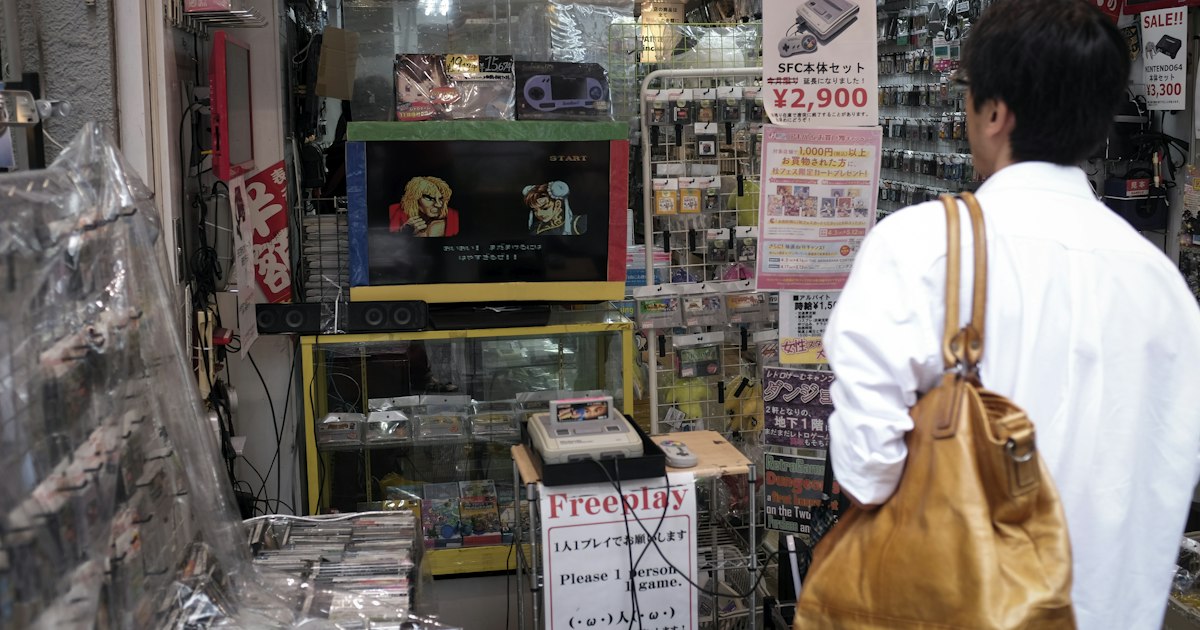
This is where Akihabara earns its reputation. The Radio Kaikan building near the station packs a dozen-plus specialty shops across its floors, several dealing in vintage electronics, watches, and calculators. Mandarake Complex, a few minutes’ walk away, is an eight-floor used-goods department store where one floor regularly turns up retro Casio watches, calculators, and digital gadgets alongside its famous toy and manga stock — if you enjoy that kind of hunt, it pairs naturally with the same browsing instinct covered in our guide to Showa-era tin toy collecting, since both reward patient shelf-by-shelf digging over targeted searching. Super Potato, famous for retro video games, occasionally has a glass case of period electronics near the register too, though games are its real focus. Expect used Casio calculator watches from the 1980s–90s to run ¥2,000–¥8,000 depending on condition and whether the original box and manual survive; working condition and a fresh battery (not always included) matter more to the price than cosmetic wear.
Budget, Mid-Range, and Splurge Picks
- Budget (¥3,000–¥5,000): A new CA-53W Databank or a novelty soroban watch from Don Quijote — cheap, fun, and a reliable souvenir even if it never leaves the box.
- Mid-range (¥6,000–¥15,000): A reissued A168/A158 retro digital from Yodobashi or BIC Camera, or a clean used 1990s calculator watch from Radio Kaikan with original packaging.
- Splurge (¥20,000+): A rare, boxed vintage Casio model from a specialist dealer in Mandarake or a limited-edition G-SHOCK collaboration — these move fast, so if you see one you want, don’t wait to “think about it.”
Common Mistakes to Avoid
The biggest mistake is assuming used watches are tested and guaranteed — ask explicitly whether the battery is fresh and the water resistance seal has been checked, since many secondhand shops sell as-is. Second, don’t skip the tax-free paperwork at Akky International or similar stores if your total purchase clears ¥5,000; you’ll need your passport on hand, and it has to be done at checkout, not after you leave. Third, resist buying the first soroban watch you see at inflated tourist pricing near the station exit — prices for the same novelty item can vary by a few hundred yen between Don Quijote and smaller gadget shops just a block further in. Finally, if you’re also picking up other novelty Japanese school-era items while you’re in this mindset — the kind of nostalgia souvenir covered in our guide to Japanese school recorders and pianicas — Akihabara’s novelty shelves often stock both categories side by side, so it’s efficient to shop them in the same pass.
Packing Your Watches for the Flight Home
Calculator and digital watches are battery-powered but pose no special airline restrictions — the button cells inside are far below any lithium-battery threshold that would require carry-on-only handling. The real risk is cosmetic: pack boxed vintage pieces in your carry-on rather than checked luggage to avoid crushing, and if you’ve bought a locking case or box to protect a splurge-tier find, check which lock style will actually clear security before you seal it, as covered in our breakdown of TSA rules versus Japanese suitcase locks. A soft pouch or the original box wrapped in a sock inside your daypack is usually enough protection for anything short of a glass display case.