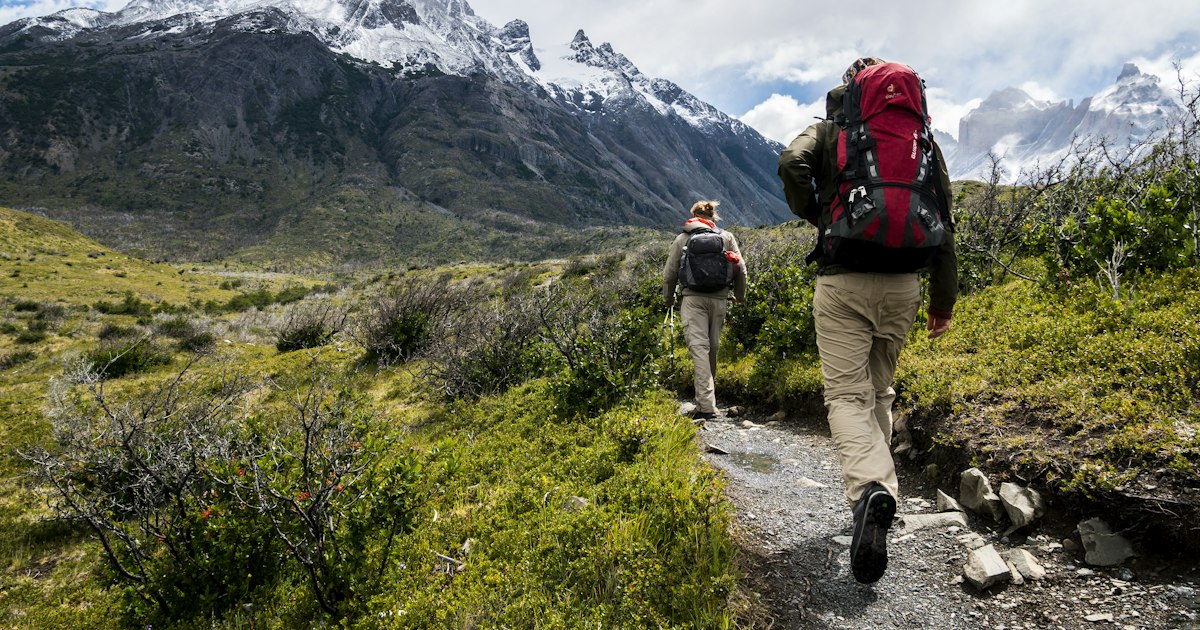
Photo by Toomas Tartes on Unsplash
If you’re halfway through a Japan trip and realize you need a rain jacket for a sudden downpour, trekking poles before an unplanned Mt. Fuji attempt, or a cheap tent for a festival weekend, you don’t have to pay premium prices at a Japanese outdoor specialist. Decathlon, the French sporting goods giant, has been quietly building a small footprint in Japan since 2018, and it’s one of the best-kept secrets for travelers who need functional gear fast and don’t want to spend a fortune on it.
Why Decathlon Is a Lifesaver Mid-Trip
Most visitors only discover Decathlon by accident — usually after getting soaked in Kyoto or realizing their sneakers aren’t up to a Kumano Kodo trail. Unlike Mont-bell, Patagonia, or The North Face’s Japan stores, which price gear for a domestic outdoor enthusiast market, Decathlon sells its own in-house brands at close to European price points. That means a usable rain shell, a daypack, or a pair of trekking poles can cost a fraction of what you’d pay at a department store sporting goods floor. It’s also a practical option if you’re planning a spontaneous hike and want to check your route and conditions first — the YAMAP hiking app is worth installing before you shop so you know exactly what gear the trail actually demands.
What to Buy: Decathlon’s Own Brands Explained
Decathlon doesn’t carry big third-party labels — it sells its own house brands, each tied to a specific activity. Knowing the names helps you navigate the store (signage is in Japanese and English):
- Quechua — camping and hiking basics: tents, sleeping bags, camp chairs, headlamps.
- Forclaz — trekking-specific gear: backpacks, trekking poles, hiking boots, rain jackets.
- Kalenji — running shoes and apparel.
- Domyos — fitness and yoga gear.
- Simond — climbing and mountaineering equipment.
- Van Rysel — cycling.
- Tribord / Nabaiji — watersports and swimming.
For most travelers, Quechua and Forclaz are the two brands worth knowing — they cover the gear people most often need mid-trip: tents, backpacks, rain shells, and trekking poles.
Real Prices: What Gear Actually Costs
Pricing varies slightly by store and season, but Decathlon’s whole business model is built around keeping costs low, and it shows. As a rough guide to what you should expect to pay:
- Pop-up 2-person camping tent (Quechua): roughly ¥6,000–¥10,000
- Packable rain jacket: roughly ¥2,000–¥5,000
- Trekking poles (pair): roughly ¥2,000–¥3,500
- Hiking daypack (20–30L): roughly ¥3,000–¥8,000
- Running shoes (Kalenji): roughly ¥2,500–¥5,000
- Sleeping bag (3-season): roughly ¥3,500–¥7,000
Compare that to a convenience-store emergency poncho (fine for a quick shower, useless for a mountain) or a department store rain jacket that can run ¥15,000+, and the value gap is obvious. If you’re outfitting a whole camping trip or festival weekend — say, before Fuji Rock — Decathlon is usually the cheapest place in the country to buy a tent you’ll only use once or twice.
Where to Find a Decathlon Store (and How to Get There)
Decathlon’s first and still best-known Japan store is in Makuhari, Chiba, near Kaihin-Makuhari Station on the JR Keiyo Line — about 30–40 minutes from Tokyo Station, and easily combined with a trip to the nearby outlet malls or Makuhari Messe convention center. The company has since opened additional stores in the greater Tokyo area and other regions, and the lineup changes as it expands, so always check the official Decathlon Japan website or app for the current store list and exact address before you go — don’t assume a store that existed a year or two ago is still the only option.
Most locations are large-format suburban stores (think warehouse-style retail, not a cramped city shop), so they’re often a short bus or taxi ride from the nearest train station rather than right at the exit. Build in 20–30 extra minutes of transit time versus what a map app shows for the station alone.
Opening hours are generally 10:00–21:00 daily, matching standard Japanese big-box retail hours, though it’s worth double-checking holiday hours if you’re visiting around New Year’s or Golden Week, when hours sometimes shift.
Best Time to Shop (Timing by Season)
Shop a few days ahead of when you’ll actually need the gear, not the morning of — stock on specific sizes (especially shoes and boots) can run out, particularly during peak seasons:
- June–July (tsuyu, rainy season): rain shells and waterproof bag covers sell fast. This is also when heat warnings start kicking in, so pair your rain gear shopping with a look at how to plan sightseeing safely in Japan’s summer heat — lightweight, breathable layers matter as much as rain protection.
- July–September: peak Mt. Fuji and alpine hiking season — trekking poles, headlamps, and proper hiking shoes move quickly.
- Late autumn–winter: thermal base layers and gloves. If you’re headed to the slopes, pick up gear before a day trip like Gala Yuzawa rather than renting everything at the resort, which costs more per day.
Common Mistakes to Avoid
A few things trip up first-time Decathlon shoppers in Japan:
- Shoe sizing is in centimeters, not US/UK sizes — try things on rather than guessing from a conversion chart.
- Not every store stocks everything. Smaller locations carry a narrower range than the Chiba flagship; call ahead or check stock online if you need something specific.
- Underestimating travel time. These are suburban warehouse stores, not city-center boutiques — treat it as a half-day excursion, not a quick errand.
- Assuming it replaces technical mountain gear. Decathlon is excellent for day hikes, car camping, and casual trail use, but serious winter alpinism or multi-day expedition gear is still better sourced from a specialist like Mont-bell or Montbell’s rental counters.
- Forgetting about shipping options. If your hotel or Airbnb won’t hold a package, or you want to order online and pick up gear without carrying it around all day, Japan’s PUDO lockers and konbini pickup system lets short-term visitors receive deliveries conveniently.
Budget, Mid-Range, and Splurge Picks
If you only need something to get through the trip: a Quechua rain poncho or basic daypack (under ¥3,000) covers emergencies without weighing down your suitcase home. For mid-range travelers doing a real day hike or a camping night, a Forclaz daypack, trekking poles, and a packable rain jacket together usually land under ¥15,000. For anyone tempted to go further — car camping, a multi-day trek, or outfitting a whole group — Decathlon’s tents, sleeping bags, and camp furniture let you build a full kit for roughly what a single premium jacket costs elsewhere, and many travelers simply donate or resell the gear before flying home rather than pack it.
One more layering tip worth knowing before you shop: Japan’s own thermal technology, Uniqlo’s HeatTech, pairs well with Decathlon’s outer layers for a warm, packable system in colder months — see how HeatTech’s layering system actually works if you’re building out a cold-weather kit on this trip.