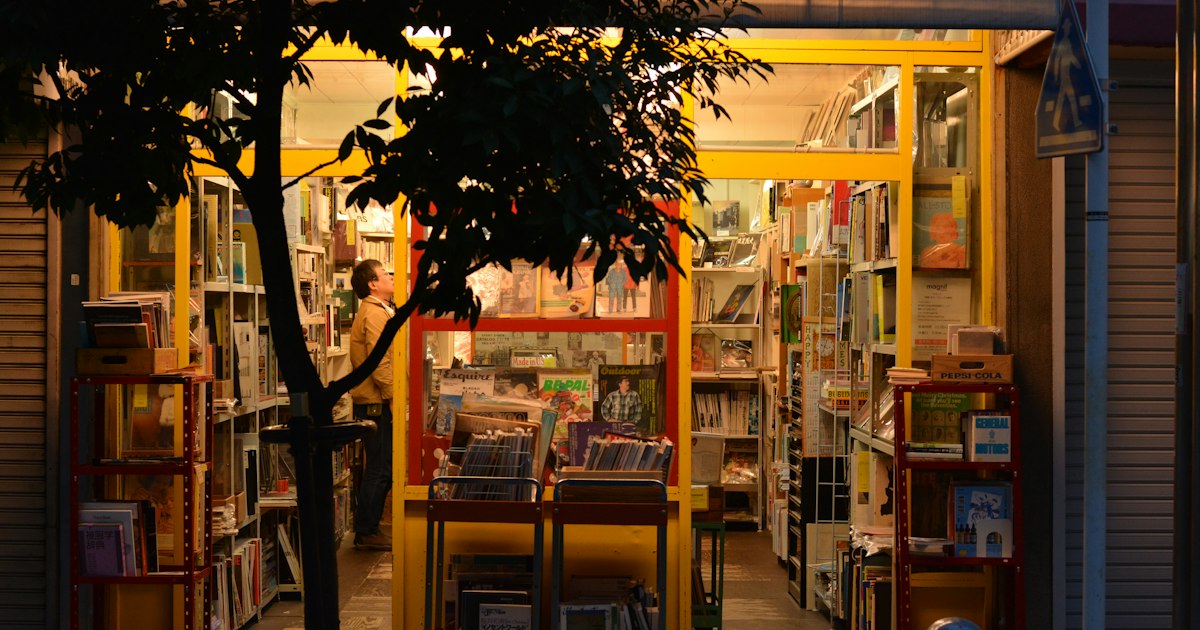
Photo by amandazi photography on Unsplash
Running out of reading material halfway through a three-week trip is a common problem in Japan, and so is simply wanting a souvenir that isn’t another box of snacks. The good news is that Japan has a long, well-organized tradition of importing and selling English-language books — you just need to know which chain to walk into. This guide covers the three names every long-term expat and frequent visitor eventually learns: Kinokuniya, Maruzen, and Good Day Books, plus what to actually expect to pay.
Why This Takes Planning in Japan
Unlike a trip to the US, UK, or Australia, you won’t find English paperbacks at convenience stores or in every neighborhood bookshop. Foreign-language books are concentrated in a handful of large stores in major cities, almost all of them in Tokyo and Osaka, with smaller outposts in Kyoto, Nagoya, and Fukuoka. Import costs also mean prices run noticeably higher than list price in your home country — a mass-market paperback that’s $9.99 in the US often sells for ¥1,700–¥2,400 new in Japan. Knowing this in advance helps you decide whether to buy before you fly, pack a Kindle, or budget for the premium of a physical Japanese-bought book.
Kinokuniya: The Easiest One-Stop Option
Kinokuniya is Japan’s largest bookstore chain, and its flagship branches dedicate entire floors to foreign-language books — overwhelmingly English, with smaller French, German, and Chinese sections. The Tokyo flagship inside Takashimaya Times Square in Shinjuku has one of the country’s best English selections: current bestsellers, a deep backlist of literary fiction, a strong travel and business section, and a genuinely good children’s and YA corner. In Osaka, the Umeda main store (near Hankyu Umeda Station) is the Kansai equivalent in scale.
Hours at the big flagship stores typically run around 10:00–21:00 daily, though it’s worth double-checking the specific branch’s hours before a special trip since individual floors sometimes close earlier. New paperback fiction runs roughly ¥1,500–¥2,500, hardcovers and non-fiction ¥3,000–¥5,500, and imported art or photography books can run well past ¥8,000 — that’s the “splurge” end of the English-book market in Japan. If you’re heading to the Umeda store from Kansai Airport, it’s worth reading up on Hankyu, Hanshin & Kintetsu: The Kansai Private Railways Tourists Overlook first, since Kinokuniya Umeda sits right above Hankyu’s home station and the private-rail route is often faster and cheaper than JR.
Maruzen: Japan’s Oldest Foreign Bookseller
Maruzen has been importing Western books since 1869, making it the historical root of English-language bookselling in Japan, and it still shows in the collection’s character — strong academic, scientific, art, and reference sections alongside general fiction. The Nihonbashi flagship in Tokyo (merged in recent years with Junkudo, operating as Maruzen & Junkudo) is the standout branch, spanning several floors with one of the city’s largest foreign-book departments and useful adjoining stationery and art-supply floors if you’re also hunting for Japanese notebooks or brush pens as gifts.
Maruzen also has a well-known Kyoto branch inside the Kyoto BAL building near Kawaramachi, convenient if you’re killing time between temples and worth combining with a Hankyu or Keihan ride through the same area covered in the Kansai private-rail guide above. Expect similar pricing to Kinokuniya — new books aren’t noticeably cheaper at one chain versus the other — but Maruzen is the better bet specifically for university-level textbooks, research titles, and oversized art books that Kinokuniya may not stock in as much depth. Most branches open around 9:30 or 10:00 and close by 20:30–21:00.
Good Day Books: Secondhand and Budget-Friendly
If new-book prices make you wince, Good Day Books is Tokyo’s go-to secondhand English bookstore, built around a buy-sell-trade model aimed at the city’s long-term expat community rather than tourists passing through — which is exactly why it’s useful for budget travelers. Used paperbacks commonly sell for ¥400–¥900, a fraction of what the same title costs new at Kinokuniya or Maruzen, and the inventory skews toward the kind of fiction expats actually finish and pass along: mysteries, literary fiction, a surprising amount of nonfiction, and a rotating stock of graphic novels.
Because it’s a small independent shop rather than a chain, its address and hours have shifted over the years as leases change — confirm the current location and opening hours online before making a special trip, since showing up to a shuttered storefront is the single most common complaint about secondhand bookshops in Tokyo. If you’ve got books you’re finished with, ask about their trade-in policy before you leave Japan; it’s a good way to offset the cost of whatever you buy.
Budget, Mid-Range, and Splurge at a Glance
- Budget: Good Day Books secondhand paperbacks, roughly ¥400–¥900 each.
- Mid-range: New paperback fiction at Kinokuniya or Maruzen, roughly ¥1,500–¥2,500.
- Splurge: Imported hardcovers, art books, and academic references at Maruzen Nihonbashi, often ¥4,000–¥8,000+.
Common Mistakes to Avoid
The biggest mistake is assuming any bookstore you pass will have an English section — most won’t, and wandering into a random neighborhood shop looking for one wastes time better spent heading straight to a known flagship branch. The second is underestimating how much floor space these stores cover; the foreign-language section is often on an upper floor, not near the entrance, so check the floor guide (usually posted in English at major branches) rather than browsing blind. Third, don’t assume prices are negotiable or that stock is unlimited on popular new releases — bestsellers can sell out of their small import run and not get restocked for weeks. Finally, if you’re combining a bookstore visit with sightseeing in Kyoto or Osaka, build in buffer time: browsing a well-stocked foreign-book floor at Maruzen or Kinokuniya easily eats an hour, longer if you’re also stationery shopping.
Best Time to Go
There’s no strong seasonal pattern to English-book shopping in Japan, but weekday mornings right after opening are noticeably quieter than weekend afternoons at the Shinjuku and Umeda flagships, both of which double as general meeting spots and get crowded by early afternoon. If you’re flying into Kansai specifically to hit Maruzen Kyoto or Kinokuniya Umeda, pairing the trip with transport research like Nankai Rapi:t vs JR Haruka: Which Train from Kansai Airport to Osaka and Kyoto will save you more time than any single shopping tip in this guide.