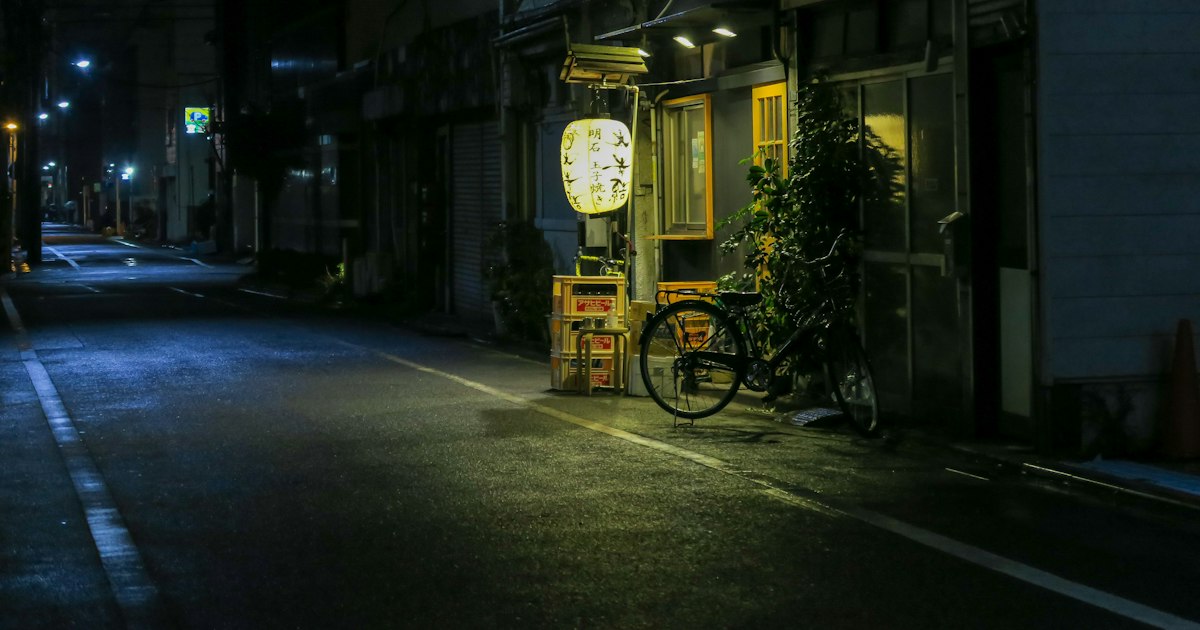
Photo by Shigeki Wakabayashi on Unsplash
You wake up at 2 AM in a Tokyo hotel with a fever, a child with an earache, or a migraine that won’t quit, and Google Maps shows you three “pharmacies” nearby — except none of them are actually open, and the one that is open can’t sell you what you need. Japan’s pharmacy system runs on different rules than the US, UK, or Australia, and late-night medicine shopping trips up a lot of visitors. Here’s what’s actually open after dark, what you can buy without a pharmacist present, and when you genuinely need to go to a hospital instead.
Why Finding Medicine at Night in Japan Is Different
In Japan, there are two separate kinds of “pharmacy,” and conflating them is the single biggest source of 2 AM frustration. A chouzai yakkyoku (調剤薬局) is a prescription-dispensing pharmacy attached to or near a clinic — these almost always close when the clinic does, typically by 7–9 PM, and are rarely open 24 hours anywhere in the country. A doraggu sutoa (ドラッグストア), or drugstore, sells over-the-counter medicine, cosmetics, and daily goods, and a small number of these stay open around the clock in major cities. The confusion is that both get labeled “pharmacy” in English-language map apps, so you can waste 40 minutes walking to a locked storefront.
Japanese law also splits OTC medicine into categories by risk. First-class drugs (strong painkillers, certain allergy meds) legally require a licensed pharmacist to be present and to hand them over in person — they cannot be sold by an overnight convenience-store clerk, no matter how late it is. Second- and third-class drugs can be sold by a “registered seller” (登録販売者), a lower-tier certification that many 24-hour drugstore staff hold, which is exactly why some stores can sell you cold medicine at 3 AM but not the strongest version of it.
Which Stores Actually Stay Open 24 Hours
Don Quijote (ドン・キホーテ, nicknamed “Donki”) is the most reliable bet — many flagship branches in Tokyo (Shibuya, Shinjuku Kabukicho, Roppongi), Osaka (Dotonbori), and other tourist-heavy districts run 24 hours and include a drugstore counter stocked with second- and third-class OTC medicine: fever reducers, cold and flu combos, stomach medicine, antihistamines, and basics like bandages and thermometers. The catch is that the drugstore section itself sometimes has shorter staffed hours than the main store, so check the specific counter, not just the storefront lights.
Matsumotokiyoshi, Sundrug, and Welcia are Japan’s biggest drugstore chains, and while most branches close by 10 or 11 PM, a handful of locations in Shinjuku, Ikebukuro, Namba, and Dotonbori extend to midnight or run 24 hours — availability changes often, so search “24時間 ドラッグストア” plus your neighborhood name in Google Maps rather than relying on a fixed list, since branches open and close regularly.
Convenience stores (Lawson, FamilyMart, 7-Eleven) are everywhere and open 24/7, but don’t expect much beyond the basics: adhesive bandages, eye drops, rehydration drinks, and sometimes a very limited shelf of registered-seller-sold medicine near the register. They are a fine stopgap for a headache but not a substitute for a drugstore if you need something specific.
What You Can (and Can’t) Buy Without a Pharmacist at Night
Realistically, at a 24-hour Donki or late drugstore you can get: painkillers like Loxonin S or EVE (around 700–1,200 JPY for a small box), cold remedies like Pabron or Contac (1,000–1,800 JPY), antacids, antihistamines for mild allergies, motion sickness tablets, and basic first-aid supplies. Stronger first-class items — certain allergy medications, some stomach drugs, and anything requiring pharmacist counseling — are legally locked behind a staffed counter and simply unavailable if no pharmacist is on shift, even if the shelf is visible.
Brand names will almost never match what you know from home, so look at the active ingredient printed in small English or katakana on the box rather than the brand. Staff at these late-hour counters often have limited English, so having the generic ingredient name (acetaminophen, ibuprofen, loperamide) written on your phone saves a lot of back-and-forth. If language barriers are a particular concern, the communication strategies covered in this guide to accessible services in Japan — pointing cards, translation apps, writing things down — work just as well for a midnight drugstore run as they do anywhere else.
When You Need an Actual Prescription Filled After Hours
If you need a genuine prescription-only medication refilled or a new one issued at 2 AM, OTC drugstores can’t help you at all — you need a hospital with an overnight emergency department (急患, kyuukan). Most mid-sized cities have at least one hospital that runs 24-hour emergency intake, and the attached or nearby dispensing pharmacy will fill what the ER doctor prescribes, even in the middle of the night. This is slower and more expensive than a daytime clinic visit (expect a consultation fee plus medication cost, often 5,000–15,000 JPY out of pocket for non-insured visitors before any later reimbursement), but it’s the only legitimate route to prescription-strength drugs after hours.
Travelers managing a condition that depends on a specific ongoing supply — insulin is the clearest example — should plan backup options before the trip rather than hunting at 2 AM. The carry-on rules, sharps disposal, and pharmacy-backup strategy laid out in this guide to traveling with insulin and diabetic supplies in Japan applies directly here, since it covers which facilities can actually dispense replacement supplies outside normal hours.
City-by-City: Where to Actually Go
In Tokyo, Shinjuku and Shibuya have the highest density of late-night Donki and extended-hour drugstores — the Don Quijote in Kabukicho and the one near Shibuya’s Center Gai are both reliable 24-hour fallbacks. In Osaka, Dotonbori’s Don Quijote (the one under the giant mechanical crab sign) runs around the clock and is usually the easiest option if you’re staying anywhere in Namba or Shinsaibashi. Kyoto is noticeably thinner on 24-hour options — the city skews early-closing — so if you’re staying there, identify your nearest late drugstore in advance rather than assuming one exists near your ryokan.
Common Mistakes Travelers Make
The most common error is trusting a map pin that says “pharmacy” without checking current hours — many chouzai yakkyoku show up on Google Maps with no clear indication they close at 7 PM. The second is assuming a 24-hour store sells everything 24 hours; the drugstore counter inside a round-the-clock Donki can still be unstaffed overnight for first-class items. Third, travelers with infants sometimes don’t realize that formula, bottle supplies, and basic infant fever medicine are usually easier to find at a 24-hour Donki than a convenience store — parents managing pumping or feeding logistics overnight may also find the cold-storage and privacy tips in this guide to pumping and storing breast milk while touring Japan useful for the same late-night stretch.
Budget, Mid-Range, and When to Just Call for Help
Budget: convenience-store basics (bandages, rehydration drinks, eye drops) run a few hundred yen and are available anywhere, anytime. Mid-range: a 24-hour Donki or extended-hours drugstore covers most common ailments for under 2,000 JPY total and is the right call for fevers, colds, and stomach upset. Splurge, in effect: an overnight hospital ER visit, which costs more and takes longer but is the only path to real prescription medication after hours. If you’re unsure which tier you need, Japan’s free multilingual phone line AMDA International Medical Information Center (03-6233-9266, with set hours by language) can tell you whether a drugstore will do or whether you need a hospital before you leave your room.