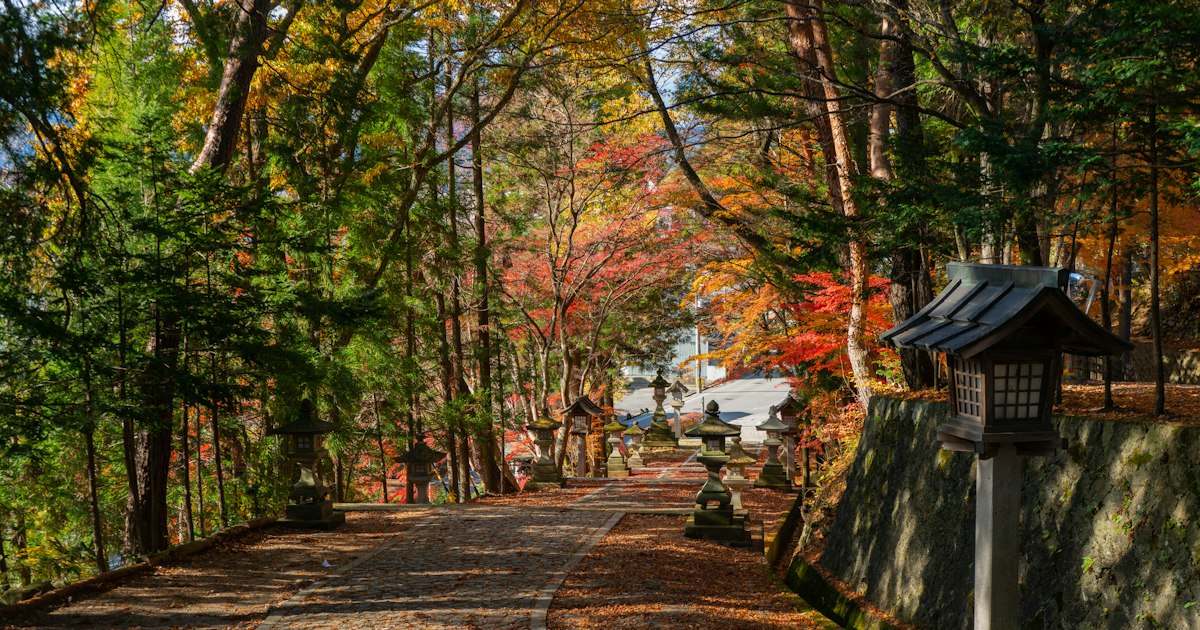
Photo by Lucas Calloch on Unsplash
Onsen ryokan are the one booking in a Japan trip where “I’ll just cancel and rebook” can cost you real money — sometimes the full price of the stay. Unlike city hotels, most ryokan quote a per-person rate that includes a kaiseki dinner and breakfast, and that food has usually been ordered or prepped days in advance. That’s the root of why their cancellation policies are stricter than almost anything else you’ll book in Japan, and why the penalty scale is worth understanding before you put down a deposit.
Why ryokan cancellation fees are steeper than hotels
A standard city hotel can resell your room to a same-day walk-in with zero cost to them. A ryokan can’t do that with your dinner. Kaiseki courses often involve seasonal ingredients ordered from specific suppliers two to five days out — sometimes a whole fish, a specific sake pairing, or hassun appetizers assembled that morning. When you cancel, the ryokan has often already committed to that food. This is also why many ryokan ask for a deposit (either a card hold or a bank transfer) at the time of booking, which hotels in Japan rarely do for a simple room-only reservation.
The typical penalty scale, day by day
Policies vary by property, but the great majority of Japanese ryokan — and most are members of ryokan associations that recommend a standard scale — follow something close to this structure, charged as a percentage of the total stay cost (room + meals):
- 8+ days before arrival: usually no charge, or a very small administrative fee at high-end properties
- 3–7 days before: 20–30% of the total booking
- 1–2 days before: 50% of the total booking
- Day of arrival (no-show or same-day cancel): 100% of the total booking
Luxury ryokan and small inns with only 5–10 rooms tend to be stricter and start the clock earlier — some charge 20% starting 10 days out, because losing even one room is a meaningful chunk of their revenue for that night. Larger onsen hotels with 50+ rooms are often more forgiving in the 4–7 day window since they have more inventory to absorb a cancellation. Always read the cancellation section of the confirmation email in full; it’s usually in both Japanese and English if you booked directly, but if you booked through a Japanese-only site, the policy may only be in Japanese and worth translating carefully before you commit.
Changing dates vs. outright cancelling
If your plans shift rather than disappear entirely, ask about a date change (hizuke henkou) before you cancel. Many ryokan will waive the cancellation fee entirely if you rebook for a different date within the same season and there’s availability, especially if you ask more than a week out. This is a phone-call conversation more often than an online self-service one — ryokan booking systems rarely have a “change date” button, so you’ll need to call or email. Phone calls get faster, more flexible answers than email, because the front desk can check the room and food order in real time rather than waiting for a reply the next business day.
Weather, illness, and other exceptions
Typhoons, heavy snow closing the only access road, and train line suspensions are the most common forced-cancellation scenarios, and most ryokan will waive fees if the access route is officially disrupted — but only for the days genuinely affected, and only if you contact them before the no-show deadline rather than after. Keep a screenshot of the train suspension notice or JMA typhoon warning; some properties will ask for it. Illness is handled less consistently: some ryokan waive fees with a doctor’s note, others treat it the same as any other last-minute cancellation. If you’re traveling with a child who gets sick mid-trip, this is also worth checking in tandem with practical logistics — see our guide to pediatric clinics and costs if a dental or medical issue is what’s forcing the change, since documentation from a clinic visit can sometimes support a fee waiver request.
Budget, mid-range, and splurge: how the risk differs
Budget (¥10,000–18,000/person/night): Simple onsen inns and minshuku tend to have shorter windows — penalties often don’t start until 2–3 days out, and the amounts are smaller in absolute terms even at 100%. Lower financial risk, but also less flexibility to negotiate.
Mid-range (¥20,000–40,000/person/night): This is where the 7-day, 3-day, 1-day tiered structure is most standardized. Expect a real deposit requirement (often 10–30% at booking via card), and expect that deposit to become non-refundable once you’re inside the penalty window.
Splurge / luxury ryokan (¥50,000+/person/night): Highest absolute losses — cancelling a ¥120,000 two-person booking two days out at a 50% penalty is ¥60,000 gone. Some of these properties also require full prepayment weeks in advance, meaning your “deposit” is effectively the entire stay. If you’re booking a splurge ryokan around a specific event (fall foliage peak, a festival), build in a buffer day rather than booking the single night you think is the peak, since moving a reservation one day earlier or later inside the same trip is usually easier than cancelling and rebooking from scratch.
Practical ways to reduce your exposure
- Book refundable-rate options when offered. Some ryokan listed on booking platforms offer a slightly pricier “free cancellation until X date” rate alongside the standard non-refundable one. It’s often worth the premium for a splurge stay.
- Confirm the meal plan separately. Room-only bookings (no dinner) sometimes carry lighter penalties than full board, because there’s no food commitment to protect. Ask when booking if you might want flexibility.
- Don’t wait to decide. If you suspect you’ll need to cancel, acting at day 8 instead of day 6 can be the difference between zero cost and 20–30% gone. The scale is a cliff, not a slope.
- Keep your itinerary loosely sequenced around transit. If your onsen leg depends on a Shinkansen connection, build slack into that connection — a missed train cascading into a missed check-in is one of the most common reasons travelers end up eating a same-day 100% fee. If you’re working out seat logistics for the ride out, our breakdown of Shinkansen power outlets by seat is useful for planning the journey itself.
- Check accessibility needs before, not after, booking. If mobility is a factor in your onsen choice, confirming suitability up front avoids a late cancellation altogether — see our list of onsen towns with wheelchair-accessible baths.
The bottom line
Treat an onsen ryokan booking more like a non-refundable flight than a flexible hotel reservation. The safest financial window is more than a week out; inside three days, assume you’ll lose something; on the day itself, assume you’ll lose everything unless there’s a genuine transit or weather disruption. When your plans are even slightly uncertain — weather-dependent travel, a tight connection, a trip with young kids where last-minute changes are common — ask about date-change flexibility at the time of booking rather than after the fact, and keep the cancellation policy email somewhere you can find it quickly if you do need to act fast.