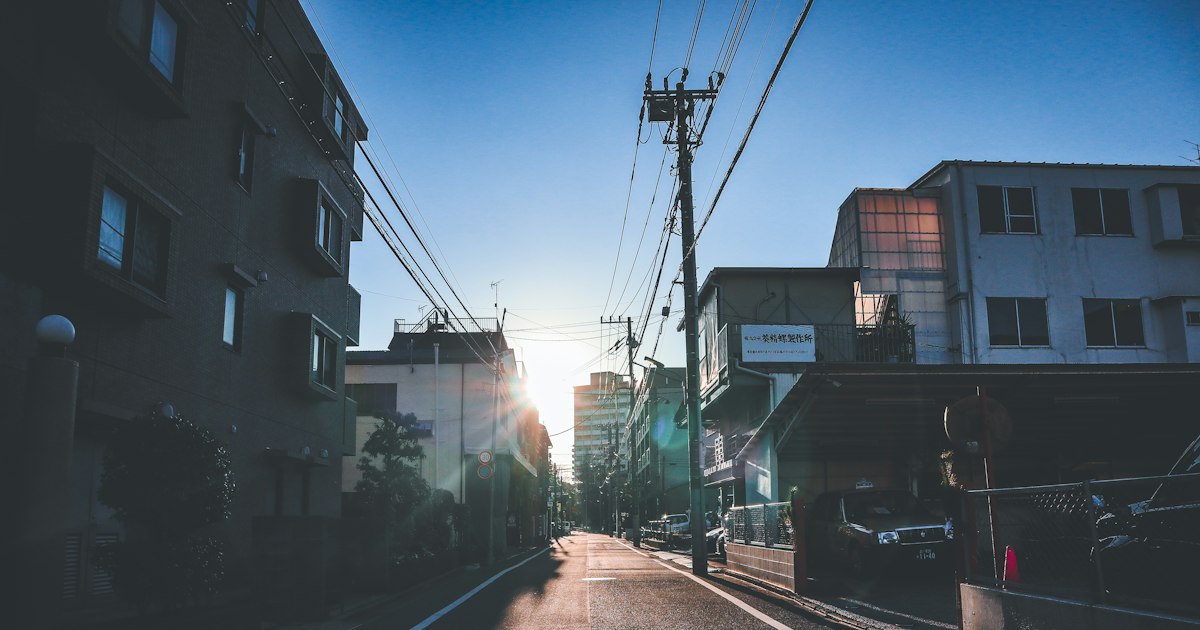
Somewhere between a Tokyo cliché and a genuine curiosity sits the Meguro Parasitological Museum, a two-floor building in a quiet residential pocket of Meguro-ku that is, as far as anyone can tell, the only museum in the world devoted entirely to parasites. It is free. It is small. It is not for everyone before lunch. And it has quietly become one of the most talked-about off-circuit stops in Tokyo for travelers who have already done Senso-ji and want something that actually surprises them.
What the Museum Actually Is
Founded in 1953 by a physician named Satoru Kamegai, the museum holds around 60,000 parasite specimens, of which roughly 300 are on permanent display across its first and second floors. The ground floor covers the biology and classification of parasites — preserved roundworms, flukes, and arthropods in jars, with explanatory panels in both Japanese and English. The second floor is where it gets memorable: a real 8.8-meter tapeworm, extracted from a human host and displayed stretched out along the wall, next to a photo of the patient holding it up for scale. There are display cases on anisakis (the sushi-adjacent parasite that occasionally makes headlines), diseases spread by parasites, and specimens showing visible damage to infected organs. It is clinical, not gory for shock value, and the English signage is better than most small Japanese museums manage.
The whole visit takes 30–45 minutes unless you read every panel, in which case budget an hour. There’s no audio guide system here — unlike larger Tokyo museums and temples that rent multilingual handsets, which we cover in our guide to multilingual audio guide rentals at Japan’s temples and museums — so the printed English panels are what you’re working with. That’s fine; this isn’t a museum you need narration for.
Getting There
The museum is at 4-1-1 Shimomeguro, Meguro-ku, about a 12–15 minute walk from Meguro Station, which sits on the JR Yamanote Line, the Tokyo Metro Namboku Line, and the Toei Mita Line — meaning it’s reachable without transfers from most parts of central Tokyo. Exit the station, head roughly southeast following the Meguro River downstream direction, and follow signs; Google Maps handles this route reliably since it’s mostly a straight shot along Meguro-dori. There’s no shuttle bus and taxis from the station aren’t worth the fare for such a short distance. If you’re combining this with a walk along the Meguro River (lovely for cherry blossoms, see below), the museum sits a few minutes off that route, making it an easy add-on rather than a dedicated trip.
Hours, Admission, and Booking
Admission is completely free — no ticket, no reservation, no ID check. Opening hours are 10:00 to 17:00, and the museum is closed on Mondays and Tuesdays; if Monday falls on a national holiday, it stays open that day and closes the following Tuesday instead, so double-check around three-day weekends. It also closes for a short break around New Year. There’s a donation box near the entrance, and most visitors drop in a few hundred yen, though it’s genuinely optional. Because there’s no booking system and no capacity cap in practice, you can simply show up — the trade-off is that if a school group arrives (it happens on weekday mornings), the single-room second floor can feel crowded for ten minutes until they move through.
The Gift Shop: The Real Souvenir Stop
The museum’s small gift corner near the entrance is, for many visitors, the actual highlight. It sells genuinely well-designed parasite-themed merchandise: keychains shaped like tapeworms and roundworms (around ¥1,000–1,300), “I ♥ Parasites” T-shirts (roughly ¥2,500), pin badges (¥700–900), postcards (¥150–200 each), and tote bags featuring line drawings of specimens. These sell out of popular designs occasionally, so if you see something you want, buy it there rather than assuming you’ll find it online later — most of it isn’t sold anywhere else. For travelers stocking up on cheap, uniquely Japanese gifts to bring home, it’s worth comparing against other inexpensive Tokyo souvenir staples like the cotton work gloves known as gunte — both are the kind of oddball, conversation-starting gift that costs under ¥1,500 and actually gets used or displayed once you’re home, unlike a generic keychain from an airport shop.
Best Time to Visit and Common Mistakes
There’s no strong seasonal argument either way since the museum is entirely indoors, but pairing the visit with spring (late March to early April) lets you walk the nearby Meguro River cherry blossom route before or after — a popular but far less crowded alternative to Ueno or Shinjuku Gyoen for hanami. Weekday mornings right after opening are quietest; weekend afternoons bring more families and more of the school-trip energy mentioned above.
The most common mistake is treating this as a half-day outing — it isn’t. Visitors who build an entire afternoon around it are often disappointed by how quickly they’re done; the better move is to slot it in on the way to or from something else in the Meguro/Ebisu/Daikanyama area, which has good cafes and shopping. The second mistake is skipping the second floor because the ground floor felt dry — the tapeworm display and disease case studies upstairs are where the museum earns its reputation, so don’t leave before seeing them. Third, don’t expect English audio narration or guided tours; if you specifically want a narrated museum experience in Tokyo, it’s a very different model from, say, the English earphone guides used at Kabuki-za’s live kabuki performances, where real-time translation is piped through a rented headset — nothing like that exists here, and it doesn’t need to for a museum you can read through in less than an hour.
Budget Breakdown
This is about as cheap as Tokyo sightseeing gets. Admission: free. Suggested donation: ¥100–300 if you choose to give one. Gift shop souvenirs: ¥150 for a postcard up to roughly ¥2,500 for a T-shirt, with most visitors spending ¥1,000–3,000 total if they buy anything at all. Transport is whatever your Meguro Station fare already costs from wherever you’re coming from — no special ticket or pass is needed, and your regular IC card (Suica or Pasmo) covers the trip entirely. There’s no “splurge” tier here in the traditional sense; the most expensive thing you can reasonably do is buy one of every T-shirt design, which would still land under ¥10,000. For a city where a single museum ticket can run ¥2,000–3,000 and teamLab-style experiences push past ¥4,000, a free, memorable, photo-worthy stop like this is hard to argue against — even if you’re only mildly curious about parasites going in.