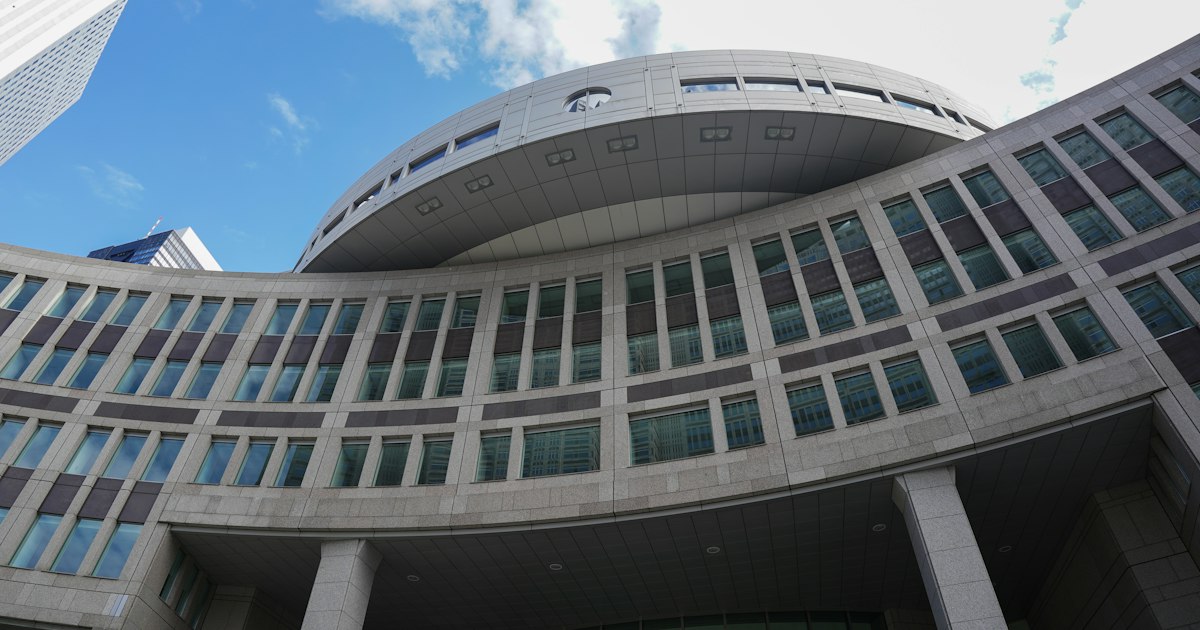
Photo by Yosuke Ota on Unsplash
If you’ve ever stood in line at a Japanese immigration bureau only to be sent home because your photo was the wrong size or your bank statement wasn’t translated, you know how much a 30-minute oversight can cost you. Regional Immigration Services Bureaus don’t take walk-in photos, don’t translate documents, and generally won’t waive the paperwork rules for anyone. The good news is that every major bureau sits near enough commercial infrastructure — camera shops, convenience stores, and translation agencies — that you can usually fix a missing photo or document on the same day, if you know where to look and how much time to budget.
Why This Comes Up More Than You’d Expect
Visa and residence card applications, extensions, and re-entry permits all require a photograph taken within the last three months, sized 4cm (height) x 3cm (width), with a plain light background and no glasses glare or shadows. Many applicants also need supporting documents — foreign bank statements, marriage certificates, academic transcripts, employer letters — translated into Japanese. Travelers assume these are formalities they can sort out “later,” then discover at the counter that the application won’t be accepted without them. Because the bureaus themselves offer no photo or translation service on-site, the nearby shops do steady business from people in exactly this situation.
Where Japan’s Immigration Offices Actually Are
The Tokyo Regional Immigration Services Bureau is in Konan, Minato-ku — the nearest station is Tennozu Isle on the Tokyo Monorail (about a 5-minute walk), though most people call it “Shinagawa Immigration” since it’s a 15-20 minute bus ride or taxi from Shinagawa Station’s east exit. Osaka’s bureau is near Nankō Cosmo Square Station on the Chuo subway line. Nagoya’s is near Sakae, and Fukuoka’s is a short bus ride from Hakata Station. All of them open weekdays 9:00-16:00 (Tokyo closes applications slightly earlier, around 16:00, with lunch-hour counters sometimes thin) and are closed weekends and national holidays — so there’s no fallback if you’re turned away on a Friday afternoon.
Getting a Compliant Visa Photo Same Day
You have three realistic options near any of these bureaus:
- Convenience store multi-copy machines (Seven-Eleven, Lawson, FamilyMart) have an ID-photo mode that prints a sheet of visa/residence-card-sized photos for roughly ¥400-700. You frame the shot yourself with the machine’s built-in camera, so lighting and background can be uneven, but it’s the cheapest and fastest option and these stores are everywhere around Tennozu Isle, Nankō, and Hakata.
- Station or mall photo booths (the enclosed Ki-Re-Uma style booths) cost around ¥700-800 and give more consistent lighting and a proper white background, with instant printing.
- Camera shops like Kitamura, Yodobashi Camera, or local DPE (photo-developing) counters offer staffed same-day visa/passport photo service for roughly ¥900-1,500. A staff member checks sizing and background against official specs before printing, which is the safest bet if you’ve already had one application rejected for a photo issue.
Whichever route you choose, bring a plain-colored top (avoid white if the background is white) and remove glasses if there’s any glare — both are common rejection reasons.
Same-Day vs. Certified Document Translation: Be Realistic
This is the part visitors most often get wrong. A quick, uncertified translation of a simple document can usually be done same-day by a local agency or even a bilingual acquaintance, and immigration counters will sometimes accept these for straightforward supporting papers. But a certified translation — one bearing a translator’s signed statement of accuracy, which is what’s required for documents like marriage certificates, academic credentials, or official civil records — is a different matter. Most professional translation agencies in Tokyo and Osaka need a minimum of 1-2 business days for certified work, even on a rush basis, because a second translator typically checks the output before it’s signed off. Rush/same-day certified translation does exist, but expect to pay a premium of 50-100% over standard rates, bringing a one-page certified document to somewhere in the ¥8,000-15,000 range, with digital delivery possible same-day and the physical stamped copy following by courier within a day or two.
If your document is just a few sentences — a short employer letter, for instance — some agencies near Shinagawa and Nankō will do a same-day uncertified rush job for ¥3,000-6,000 per page. Always call ahead and confirm turnaround before traveling to the agency in person, since walk-in capacity varies day to day.
Budget, Mid-Range, and Splurge Options
- Budget: Convenience store photo booth (¥400-700) plus a same-day uncertified translation from a smaller local agency (¥3,000-6,000). Fine for secondary supporting documents, not for anything requiring a certification stamp.
- Mid-range: Staffed camera shop photo (¥900-1,500) plus a rush certified translation from an established agency (¥8,000-15,000 per document). This is the safest combination if you only get one shot at the application.
- Splurge: A concierge-style visa support service, often used by relocating families or business travelers, that collects your documents, arranges certified translation, and delivers everything to your hotel before your appointment — typically ¥20,000-40,000+ depending on document count and turnaround speed.
Common Mistakes That Send People Home Empty-Handed
The most frequent issue is treating a casual translation as sufficient when the immigration officer specifically requires a certified one — there’s no way to upgrade an uncertified translation on the spot, so you’ll need to leave and come back. The second is photo timing: officers do check the “within three months” rule, and a photo from an old passport application will be rejected even if it technically meets the size spec. The third is arriving at the bureau assuming lunchtime service continues normally — some counters slow down or close between 12:00 and 13:00, so don’t plan your photo/translation errand and your counter visit back-to-back with no buffer.
Timing It Right
Immigration bureaus are busiest at the start and end of each month and heavily so in March-April, when residence renewals and new work/study visas cluster around the Japanese fiscal and academic year. If your situation allows any flexibility, aim for a mid-month weekday morning, and get your photo and translation squared away the day before your appointment rather than the same morning — that gives you a buffer if a camera shop queue or a translation agency’s callback takes longer than expected. If you’re navigating any other foreign-resident paperwork while you’re in the area, the logistics are similar in spirit to other bureaucratic errands covered in our guide to what Japan’s mandatory car inspection really costs foreign residents — plan for queues, bring every document you think you might need, and build in slack.
And if your trip involves other logistics-heavy stops — for instance traveling with medical equipment — it’s worth reading our notes on traveling with a CPAP machine or bulky medical equipment through Japanese airports and hotels, since the same “confirm ahead, don’t assume same-day service” principle applies. For travelers more generally trying to bridge language gaps during a Japan trip, our rundown of multilingual audio guide rentals at Japan’s temples and museums is a useful companion read on where translation support is and isn’t readily available.