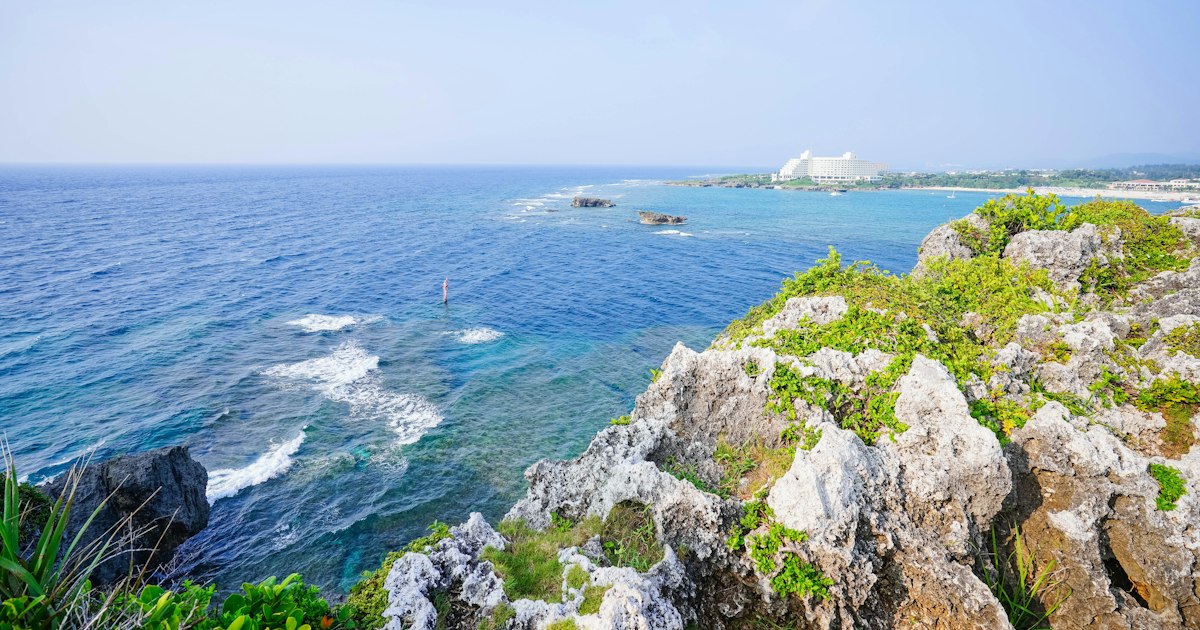
Okinawa’s water is clear enough that locals joke you can read a newspaper through it at 20 meters, and for travelers already in Japan, getting PADI-certified here is often cheaper and more scenic than doing it at home. The catch is logistics: a proper Open Water course eats three to four days out of a trip, and most visitors are planning this mid-itinerary rather than from scratch. Here’s how to actually slot it in.
Why get certified in Okinawa instead of elsewhere
Okinawa’s main island and the surrounding Kerama and Yaeyama island chains sit in subtropical water with visibility routinely exceeding 20-30 meters, coral cover that’s recovered well compared to much of the Pacific, and a dense cluster of dive shops used to processing foreign tourists quickly. Instructors in the main tourist zones — Onna Village, Chatan, and central Naha — are almost all bilingual, and course materials (the PADI eLearning modules and quizzes) are available in English, so there’s no language barrier that other regional dive destinations in Japan sometimes have. It’s also simply convenient: Naha Airport has direct flights from Tokyo, Osaka, Fukuoka, and several international hubs, so a certification side-trip doesn’t require backtracking.
How the PADI Open Water course actually breaks down
The standard PADI Open Water Diver certification has three components, and understanding them is the key to fitting the course into a trip you didn’t plan around diving:
- Knowledge development — five chapters of theory, done via the PADI eLearning app/website. This typically runs USD $160-200 (paid directly to PADI, not the shop) and can be completed entirely before you leave home. This is the single biggest time-saver available to you.
- Confined water dives — five skill sessions in a pool or sheltered shallow bay, usually compressed into one day in Okinawa.
- Open water dives — four certifying dives in the ocean, legally requiring a minimum of two days (PADI caps how many certifying dives can happen per day).
If you show up having already finished the eLearning (a “referral” booking), most Okinawa shops can run the whole in-water portion in two to three days. Walk in cold with zero prep and you’re looking at four days minimum, sometimes five if a shop insists on spreading dives out. For a trip where diving is one stop among many, doing the eLearning on the plane over or in your hotel room before you even reach Okinawa is close to mandatory.
Where to base yourself
Three areas cover almost all tourist certification bookings:
- Naha / Tomari Port area — most central, easy to reach by the Yui Rail monorail from the airport, and the departure point for ferries to the Kerama Islands. Good if you’re not renting a car.
- Onna Village — roughly 45-60 minutes north of Naha by car, this is the heart of Okinawa’s resort diving scene, with calm bays suited to confined-water training and quick boat access to decent reef sites. Most resort-affiliated dive shops are here.
- Chatan / American Village — near Kadena, convenient if you’re staying in the central-west corridor, with several English-fluent shops.
Onna Village and Chatan are not well connected by public transit between dive sites and hotels, so many certification students end up renting a car for the course days; if you’re staying long enough to consider a scooter instead of a rental car, the logistics (and paperwork) are covered in our guide to buying or registering a secondhand moped in Japan, though for a one-week trip a rental car or shop shuttle is almost always simpler.
The Kerama Islands — a 50-minute to 90-minute ferry from Tomari Port — have the clearest water in the prefecture (“Kerama Blue” is a real marketing term and it’s accurate), but most shops run certifying dives there as a day-boat add-on rather than basing the whole course out there, since overnighting on Zamami or Tokashiki adds cost and complexity for a first-time diver.
What it costs
- Budget (~¥50,000-65,000): Shop course fee for a referral student (eLearning already done), shared equipment, group confined-water session. This is the common price for walk-in bookings during shoulder season.
- Mid-range (~¥65,000-85,000): Full course including eLearning fee if not done in advance, private or small-group instruction, better-maintained rental gear, underwater photos from the certifying dives.
- Splurge (¥90,000+): Private one-on-one instruction, Kerama boat dives for the certifying portion instead of shore dives, and resort-shop packages that bundle hotel transfers.
On top of the course fee, budget ¥2,000-4,000/day if you want to rent your own mask and fins rather than using shared shop gear, and factor in the PADI certification card processing — the digital/temporary card is issued immediately, but the physical card mails later, sometimes internationally, with a small additional fee.
Timing it with the rest of your trip
Okinawa dives year-round — water temperature runs from roughly 20°C in January-February (a 5mm wetsuit is standard then) up to 29°C in August. The practical sweet spots are April-June and September-November, when conditions are warm and typhoon risk is lower. July-September is peak season for both weather and typhoons: storms can shut down boats for a day or two with little warning, so if you’re booking a course in this window, build in at least one buffer day before your onward flight rather than scheduling the final certifying dive the morning you leave. May-June is Okinawa’s rainy season, which affects topside weather more than underwater visibility — diving continues as normal through light rain.
There’s one hard rule to plan around regardless of season: PADI/DAN guidelines require a minimum 18-24 hour surface interval after diving before flying (longer after repetitive dives over multiple days). If your last certifying dive is the day before an international or domestic flight home, confirm the timing with your instructor — this is the most common reason tourists end up rebooking flights mid-course.
Common mistakes to avoid
- Not starting the eLearning before arrival. This alone is the difference between a 2-day and a 4-day course, and it’s free time you’d otherwise spend indoors at a dive shop instead of on a reef.
- Skipping the medical questionnaire. PADI’s standard medical form asks about conditions like asthma, ear surgery, and certain medications; a “yes” answer requires a doctor’s sign-off before you can dive, which is hard to arrange last-minute in Okinawa. Review it before you book, not after you arrive.
- Booking a tight 2-day window during typhoon season with no slack if a day gets cancelled.
- Forgetting the no-fly window when setting a return flight, especially on domestic connections through other Japanese cities.
- Assuming equipment rental is unlimited — check whether your course fee includes wetsuit and tank rental for all course days, or only the certifying dives, since shops vary.
If you’re flying into Okinawa on a domestic low-cost carrier with dive gear of your own, double-check your airline’s carry-on policy before packing fins and a mask bag as hand luggage — enforcement varies a lot between carriers, which is covered in detail in our guide to oversized carry-on enforcement on Japan’s domestic LCCs. For divers bringing a full personal gear bag for a longer multi-island trip, it can also be worth shipping it ahead by takkyubin rather than hauling it through airport security lines — the same size and cost logic that applies to shipping a surfboard through Japan’s takkyubin system applies reasonably well to dive bags.
Book the shop directly once you’ve nailed down dates — most Okinawa dive operators respond quickly to English email inquiries and will tell you upfront whether your timeline is realistic given the season and your eLearning progress. Get that confirmation before you lock in the rest of your itinerary around it.