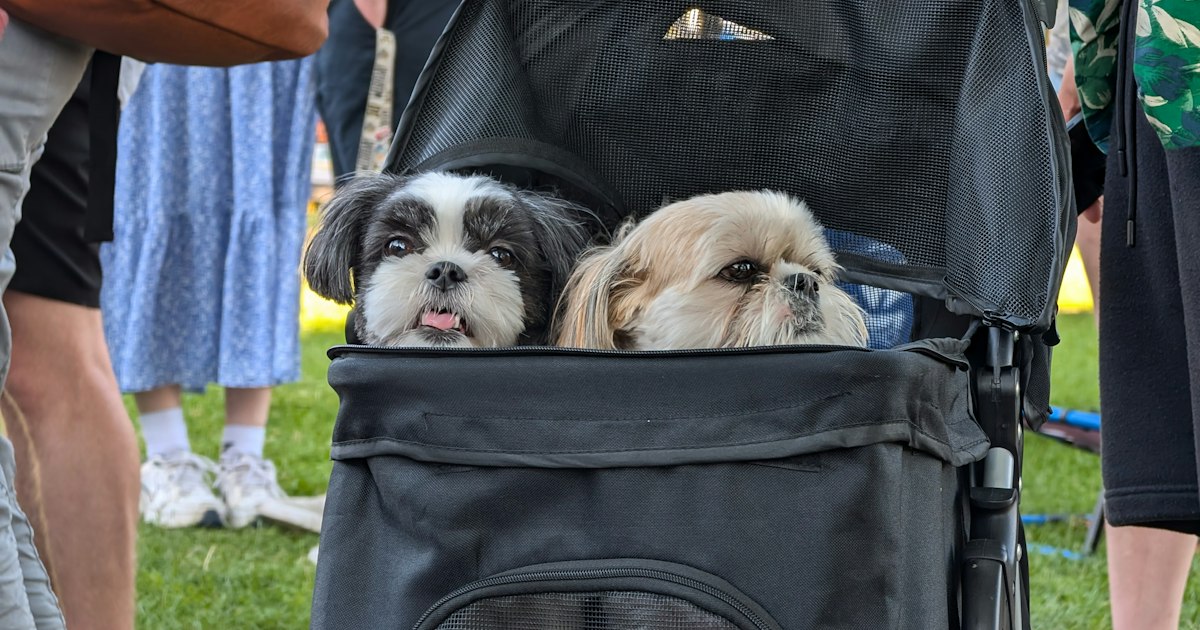
Photo by Jaykumar Bherwani on Unsplash
If you’re bringing a small dog into Tokyo, Osaka or anywhere in between, the first thing to unlearn is the leash-and-walk habit. On Japanese trains and inside most malls and department stores, a dog isn’t allowed to trot along beside you on a lead — it needs to be fully enclosed in a bag, cage or stroller. That single rule shapes almost everything about traveling with a small dog here, from which train car you can board to which mall entrance will actually let you in. Here’s what the rules require in practice, and where to find a carrier or stroller if you didn’t bring your own.
Why Japan Requires a Carrier, Not a Leash
On city streets, a leashed dog is completely normal. Step onto a train platform or through a shopping mall’s doors, though, and the expectation flips: pets are treated the same way as hand luggage, not as pedestrians. The logic is about crowding, hygiene and allergies in shared indoor spaces used by thousands of strangers a day — a dog’s paws touching an escalator handrail height floor, or brushing against another shopper’s bag, is considered a problem in a way it usually isn’t in North America or much of Europe. Staff at station gates and mall entrances are used to stopping tourists who try to walk a leashed dog in, and they will ask you to put the dog into a bag or stroller on the spot rather than make an exception.
The Size, Weight and Fee Rules You’ll Actually Run Into
JR lines charge a small flat fee — commonly cited around ¥280–300 regardless of distance — for carrying a pet as what’s officially called “hand luggage” (手回り品), and the combined weight of the dog plus carrier is generally capped around 10kg. The carrier’s combined dimensions also need to stay within a limit that’s usually quoted as roughly 70–120cm total (length + width + height), though the exact figure varies by operator, so it’s worth checking the specific railway’s pet policy page before you travel rather than assuming JR’s rule applies everywhere. Tokyo Metro and Toei subway lines apply a similar enclosure requirement — the dog has to be fully hidden from view in a zipped bag or hard carrier — but typically don’t add a separate fee for a small pet within size limits.
Private railways set their own rules entirely, and they don’t always mirror JR’s. If you’re heading out to a regional line like Nishitetsu in Fukuoka, check that operator’s pet policy specifically rather than assuming the JR numbers carry over — fees, size caps and whether a head is allowed to peek out of a mesh window all differ line by line.
Mall and Department Store Rules for Dogs
Large shopping complexes like AEON Mall, Lalaport and most department stores apply the same enclosed-carrier rule indoors, even though many of them are otherwise very pet-tolerant — some have rooftop dog runs, pet-goods floors, or outdoor terraces where leashed walking is fine. The line is almost always the building’s indoor shopping floors: the moment you’re inside past the entrance doors, the dog needs to be in a stroller or bag, not on the ground. Department stores with dedicated pet floors (the kind found in flagship Takashimaya or Isetan branches) are generally the most relaxed about strollers, since staff are used to seeing them, but a regular suburban mall will still stop you at the door if your dog is walking on a leash.
Where to Get a Stroller or Carrier: Budget to Splurge
Short-term rental counters specifically for pet strollers are not common in Japan the way baby-stroller or baby-gear rental is — there’s a real rental culture here for some categories of travel gear, the way our guide to multilingual audio guide rentals at temples and museums covers, but pet carriers haven’t really caught up. A few hotels keep a loaner carrier for emergencies, but you shouldn’t count on it being available or the right size for your dog. For most visitors, buying is simpler and often cheaper than it sounds:
- Budget (¥3,000–6,000): A soft-sided sling or shoulder-bag carrier, sold in the pet corners of discount stores like Don Quijote or at general household stores. Fine for dogs under about 5kg on shorter outings, and small enough to stuff into a suitcase for the flight home.
- Mid-range (¥10,000–25,000): A 3- or 4-wheel folding pet buggy from a pet-specialty chain such as AEON Pet or Pet Paradise. These fold flat enough to stand next to you on a train or ride in a station coin locker, and they’re the most comfortable option if you’re doing multiple mall or shrine visits in a day.
- Splurge (¥50,000+): Air Buggy for Dog, a well-known Japanese brand sold in pet department floors at Takashimaya and Isetan and in its own standalone stores, makes the premium end of this market — sturdier frames, better suspension, and a look that doesn’t scream “budget.”
Best Timing and Practical Logistics
Avoid boarding trains with a dog stroller during rush hour, roughly 7–9am and 5–7pm in Tokyo and Osaka — folding a stroller one-handed while being pressed by commuters is unpleasant for everyone, including your dog. Cherry blossom weekends in late March through early April and autumn foliage weekends bring the same crowding problem on top of regular rush hour, so plan carrier-and-train days for mid-morning or early afternoon instead. In midsummer, pavement heat is a real hazard for paws, which makes air-conditioned malls genuinely useful rather than just convenient — bring the dog inside during the hottest hours rather than walking it on asphalt. If you’re already used to managing bulky gear through security lines and hotel storage, the logistics overlap with what we cover in traveling with a CPAP machine or bulky medical equipment through Japanese airports and hotels — the same fold-it-down, store-it-somewhere problem, just with a dog instead of a machine.
Common Mistakes to Avoid
- Assuming a leash is fine anywhere indoors. Staff will stop you at the gate or entrance and ask you to bag the dog on the spot — it’s faster to just start enclosed.
- Not checking the specific railway’s policy before buying a ticket. JR’s fee and size limits don’t automatically apply to subways or private lines like Nishitetsu.
- Buying a stroller too bulky to fold down. Train luggage racks, coin lockers and small hotel rooms all reward a compact fold over a bigger wheelbase.
- Skipping a practice run. A dog that’s never been zipped into a carrier before will often bark or panic the first time it happens on a crowded train — get your dog used to the carrier at home before the trip, not on day one in Shibuya.
Get the carrier right and the rest of a dog-friendly Japan trip is surprisingly smooth — trains, malls and even some temples become accessible the moment your dog is zipped in and riding quietly at your side.