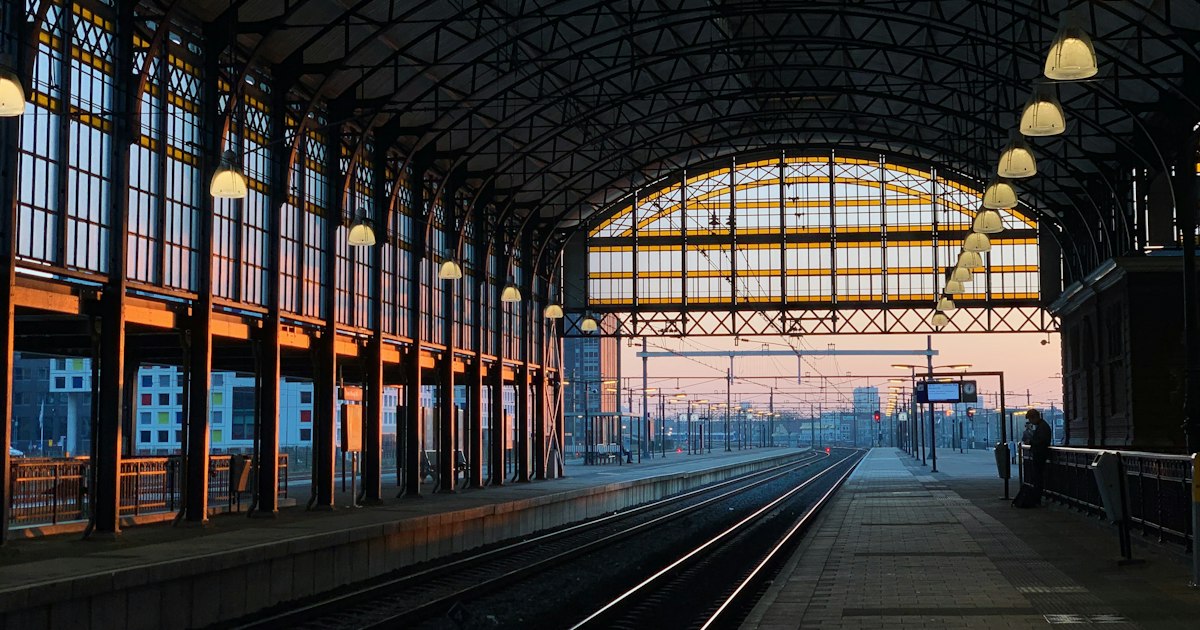
Photo by Alex Heuvink on Unsplash
Japan has a reputation for sensory overload — blinking pachinko parlors, crosswalk jingles, station announcements layered over store music. But the country also has an unusually developed, if scattered, infrastructure for the opposite: designated quiet rooms, low-sensory shopping hours, and calm-down spaces built into airports, theme parks, and even some train stations. None of it is centralized or well advertised to foreign visitors, so this guide pulls together what actually exists, where to find it, and how to plan a trip around it.
Airport quiet rooms: where to decompress on arrival
Narita and Haneda both operate dedicated calm rooms, though they’re not always labeled in English on terminal maps. Narita’s “Sensory Room” at Terminal 1 (4F, near the yoga/prayer room area) is free, unlocked on request at the information desk, and has dimmable lighting, bean bags, and no piped music — useful after a 10+ hour flight if a child or adult is overstimulated before even clearing customs. Haneda’s quiet space is in Terminal 3’s departure area, similarly accessible by asking airport staff rather than walking in unannounced. Kansai International (KIX) has a smaller multipurpose room near the medical office on the 2F arrival level that staff will open for sensory needs even though it isn’t explicitly marketed as one.
Book nothing in advance for these — they operate on a walk-up, ask-staff basis. The common mistake is assuming they’ll be visibly signposted; instead, approach any information counter and say “quiet room” or “sensory room” (多目的室, tamokuteki-shitsu, is the broader Japanese term for multipurpose room, which often doubles as this space).
Tokyo Disney Resort and Universal Studios Japan: the most reliable systems
Of everywhere in Japan, theme parks have the most formalized accommodations. Tokyo Disneyland and DisneySea issue a “Disability Access Service” card at Guest Relations (just inside the main entrance) that lets a visitor wait outside a physical queue line and come back at an appointed time — essential if fluorescent lighting, crowding, or long stationary waits are triggers. Both parks also have quiet, low-stimulation rest areas (ask Guest Relations for the nearest “Baby Center” or first-aid lounge, which doubles as a lower-sensory space with dimmer lighting and seating away from the main thoroughfare).
Universal Studios Japan in Osaka offers a comparable “Accessibility Guide” and a Rider Switch / priority queue system; request it at the Guest Services window near the park entrance with a simple verbal explanation — no medical documentation is required at either park, though staff may ask basic questions. Weekday mornings right at opening (parks open 8:00 or 9:00 depending on season) are consistently the lowest-noise, lowest-crowd windows; avoid Japanese school holidays (late July–August, late December–early January, Golden Week in early May) if sensory load is the priority over ride access.
Low-sensory shopping hours at drugstores and malls
A small but growing number of Aeon malls and drugstore chains run “quiet hour” promotions — dimmed lighting, muted in-store announcements, and paused background music — typically for one or two hours on a weekday morning, often tied to a specific week rather than every day. These aren’t standardized nationally and change by store, so call ahead or check the specific branch’s signage rather than assuming a chain-wide policy. Outside of formal quiet hours, the most dependable low-stimulation shopping window at any Japanese retailer — department stores, drugstores, convenience stores — is right at opening, typically 9:00–10:00 on a weekday, before announcement loops ramp up and before lunchtime crowds arrive. If you’re stocking up on specific Japanese drugstore items, that same early slot is also when staff have the most time to help you locate things like the drugstore whitening toothpastes and strips without a crowded aisle.
Quiet train travel: timing, cars, and stations to prefer
Japanese trains are generally calmer than people expect — no loud conversations, phones on silent — but station announcements, jingles at each stop, and crowding are real factors. A few concrete strategies:
- Ride the Shinkansen instead of highway buses for long hauls; it’s quieter, smoother, and announcements are predictable and brief. Reserved “green car” seats (roughly ¥3,000–¥6,000 above standard fare depending on route) buy more space and fewer neighboring passengers.
- Avoid rush hour (7:30–9:00 and 17:30–19:30 on weekdays) on any urban commuter line — this is the single biggest controllable variable for crowding and noise.
- Choose smaller regional stations over mega-hubs like Shinjuku or Tokyo Station when there’s a choice of transfer point; the scale of announcements and foot traffic drops substantially.
- If color-coded line maps and signage add to the overload, the tips in this guide to reading Japanese train signage also help simplify wayfinding generally, since they focus on using station numbers and symbols instead of parsing dense maps on the fly.
Choosing quieter destinations over flagship ones
Sometimes the easiest sensory accommodation is skipping the loudest, busiest site entirely in favor of a calmer equivalent. Instead of the Dotonbori crowds or Shibuya Crossing as a “must-see,” a slow, near-empty island or garden can deliver the same trip highlight without the noise floor. Kohama Island in the Yaeyama chain is about as far from sensory overload as Japan gets — minimal traffic, few tour groups, and beaches you can often have mostly to yourself outside peak summer weekends. Closer to the mainland, Ritsurin Garden in Takamatsu is a large Edo-era strolling garden that rarely feels crowded even at midday, with winding paths that let you control pacing and distance from other visitors far more than a packed temple circuit would. Both are reachable by regular domestic flight or train plus local transfer, and both reward a slower, unhurried visit over a checklist-style itinerary.
Lodging: what to ask for specifically
Japanese hotels rarely advertise “sensory-friendly” rooms as a category, but specific requests usually work. When booking directly (by phone or the hotel’s own site, where staff can actually read special-request notes) ask for a room away from elevators, ice machines, and street-facing windows, and specify no in-room phone ringer or automatic TV-on-arrival if that’s a trigger — many business hotel chains (Toyoko Inn, APA, Dormy Inn) will accommodate this without extra charge. Budget options (business hotels, ¥6,000–¥10,000/night) tend to have simpler, lower-stimulus rooms by default — smaller, fewer blinking electronics — than flashier mid-range city hotels. For a splurge with reliable quiet, a traditional ryokan outside a major city (¥20,000–¥45,000/night with dinner) usually offers the lowest ambient noise of any lodging category, since most are low-rise, carpeted or tatami-floored, and deliberately designed around stillness.
Medication and medical logistics for longer stays
If sensory regulation depends on a daily medication, plan for Japan’s strict pharmaceutical import rules before departure — some common stimulant and anxiety medications require advance paperwork (a Yunyu Kakunin-sho import certificate) to bring in legally, and running out mid-trip is harder to solve here than in many other countries. If you do run low, this guide on getting a prescription refilled without a local doctor’s history walks through the realistic options, including which clinics see tourists without an appointment.
None of these accommodations require disclosing a diagnosis or carrying documentation — Japanese staff generally respond well to a plain, specific request (“quiet room, please” or “can we skip the line and come back later”) without needing an explanation. The main planning work is simply knowing these options exist before you land, since almost nothing about them is signposted for visitors who don’t already know to ask.