Photo by Tracey Parish on Unsplash
Long before soft-serve and fruit sandos took over Japanese dessert menus, there was anmitsu — a bowl of cubed agar jelly, sweet red bean paste, fruit, and a pour of dark syrup that’s been a fixture of Japanese sweets shops since the Meiji era. It’s not flashy, it’s not Instagram-engineered, and that’s exactly the appeal. If you want to taste a dessert that Japanese grandparents actually grew up eating, anmitsu and its simpler cousin mitsumame are worth seeking out, and they’re cheap enough to try more than once.
What’s Actually in the Bowl
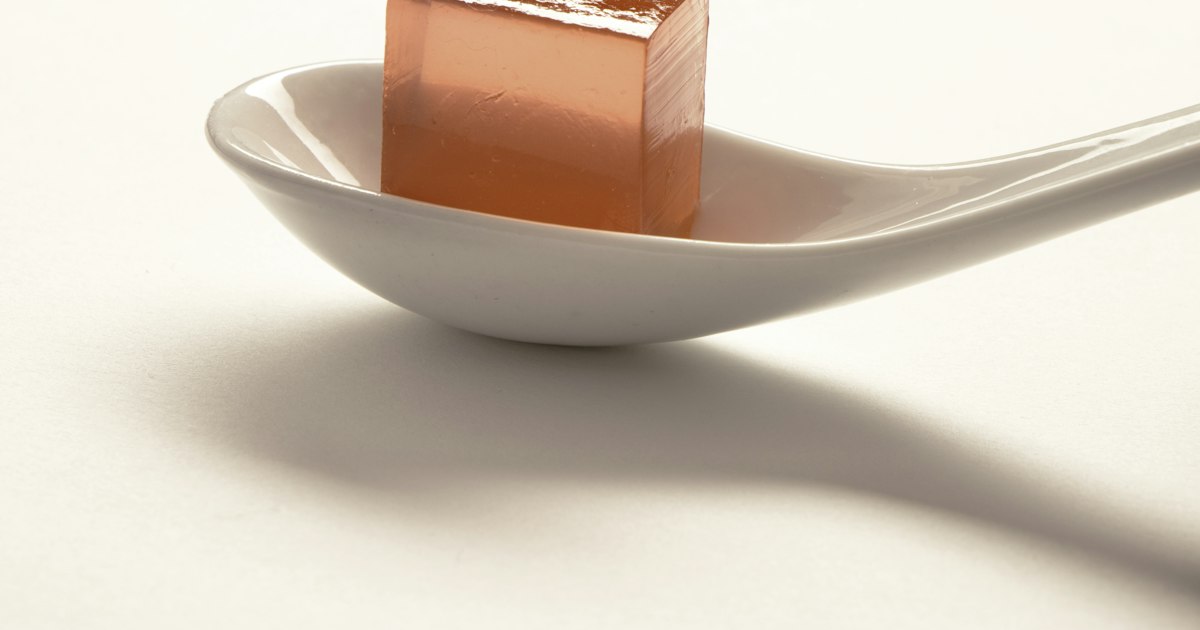
Anmitsu starts with kanten — agar jelly made from seaweed, not gelatin, so it’s firm, barely sweet, and faintly grassy rather than bouncy like Western jello. The cubes sit in a bowl with:
- Anko (sweet red bean paste) — usually a small scoop of smooth (koshian) or chunky (tsubuan) paste
- Mitsu — a dark, molasses-like syrup called kuromitsu (black sugar syrup) poured over everything just before eating
- Fruit — commonly mikan segments, cherries, and sometimes seasonal fruit like strawberries or persimmon
- Shiratama dango — small chewy rice flour balls, in fancier versions
- Ice cream or whipped cream — in modern variations, though traditional shops often skip this
Mitsumame is the stripped-down version: just kanten cubes, a few beans (often sweetened red peas, not red bean paste), fruit, and kuromitsu — no anko. If a menu lists both, mitsumame is almost always the cheaper, lighter option and a good entry point if you’re not sure you like anko yet.
How to Order and Eat It
You’ll typically get kuromitsu served separately in a small pitcher or container — pour it yourself rather than having it pre-mixed, since the kanten can turn mushy if it sits in syrup too long. Mix everything together with your spoon before eating; it’s meant to be eaten as one bowl, not picked apart component by component. If you’re ordering in Japanese, “anmitsu” and “mitsumame” are both written clearly on menus in hiragana/kanji (あんみつ / みつまめ), and most shops that serve them will have a picture menu or plastic food models in the window, so pointing works fine.
A common mistake first-timers make is assuming it’s a cold soup you drink — it’s eaten with a spoon, and the kanten cubes should be bitten through, not slurped. Another is skipping the matcha or hojicha tea that often comes alongside; the bitterness is there specifically to cut the sweetness of the kuromitsu, and the dessert tastes unbalanced without it.
Where to Try It in Tokyo
The best anmitsu comes from kanmidokoro (甘味処) — traditional sweets cafés — rather than general cafés or convenience stores, though you can find packaged versions in any supermarket for around 150–300 yen if you just want a quick taste.
- Budget (300–600 yen): Convenience store and supermarket anmitsu cups are everywhere and surprisingly decent for the price — a good way to confirm you like the flavor before seeking out a sit-down shop.
- Mid-range (700–1,200 yen): Kanmidokoro in old shopping districts like Asakusa, Yanaka, and Ningyocho serve made-to-order anmitsu in this range. Many of these neighborhoods are near other retro shopping areas — if you’re already exploring Nihonbashi’s historic merchant district, several long-running sweets shops are a short walk from the main department stores, making it an easy add-on to a shopping day.
- Splurge (1,500–2,500 yen): Department store basement food halls and hotel tea lounges serve elevated versions with seasonal fruit, premium anko, and sometimes matcha ice cream added — common in Ginza and Nihonbashi department stores where high-end wagashi (traditional sweets) counters operate.
Most kanmidokoro keep daytime hours, roughly 10:00 or 11:00 to 18:00 or 19:00, and close one day a week (often Monday or Wednesday) — it’s worth checking a shop’s hours before making a special trip, since these are small, independently run spots rather than chains with standardized schedules.
Best Season and Timing
Anmitsu is sold year-round, but it’s marketed and eaten primarily as a summer dessert — it’s cold, light, and common on menus from May through September when shops add seasonal fresh fruit versions. In winter, some kanmidokoro pivot their counter space toward hot dessert options like zenzai (sweet red bean soup) instead, so anmitsu availability can shrink in colder months, especially at smaller shops with limited seating. If you’re visiting in summer and want to beat the heat the way locals do, an afternoon anmitsu break between 14:00 and 16:00 — after lunch service ends and before dinner crowds — is when kanmidokoro tend to be least crowded and most relaxed.
How to Get There
Kanmidokoro cluster in Tokyo’s older downtown (shitamachi) neighborhoods — Asakusa, Yanaka, Ningyocho, and Nihonbashi — all reachable via the Tokyo Metro or Toei subway lines without needing a special transit pass. If you’re arriving from Narita Airport and heading straight into the city, deciding between the Narita Express and Keisei Skyliner is the first logistics question to sort out, since both connect to central Tokyo stations within a short transfer of these sweets districts.
Buying Anmitsu-Style Treats as Souvenirs
Fresh anmitsu doesn’t travel, but packaged kanten and mitsumame kits are sold in department store food halls and are easy to pack since kanten jelly is shelf-stable for weeks at room temperature. If you’re already building an omiyage shopping list alongside something like Tokyo Banana and other iconic Japanese sweets, a box of kuromitsu syrup or kanten jelly mix makes a good lightweight addition — just confirm the shop can give you a proper receipt if you’re using a tax-free purchase, something covered in our guide to returns, exchanges, and receipts in Japan.
A Few Shops Worth Seeking Out
While exact shop recommendations shift over time, look for kanmidokoro with a visible wagashi counter and a queue of local regulars rather than tourists — that’s usually the best sign of quality. Shops that have been operating for 50+ years (common in Yanaka and Asakusa) tend to make their own kanten and anko in-house daily, which means the jelly has better texture and the bean paste is less cloying than mass-produced versions. Expect simple, no-frills interiors — low tables, paper menus, maybe a single ceiling fan — this is a dessert built around consistency and tradition, not atmosphere.
Anmitsu won’t win any dessert trend awards, but that’s precisely why it’s worth trying: it’s a direct line to how Japanese sweets shops operated a century ago, served in the same unfussy way, for a few hundred yen a bowl. Pair it with a slow afternoon in one of Tokyo’s old merchant districts and you’ll understand why it’s stuck around this long.