Japan Trove

Author: JapanTrove Editorial

  • Yamada Denki & Edion: Japan’s Regional Electronics Chains Beyond Bic and Yodobashi

    Yamada Denki & Edion: Japan’s Regional Electronics Chains Beyond Bic and Yodobashi

    Photo by Jezael Melgoza on Unsplash

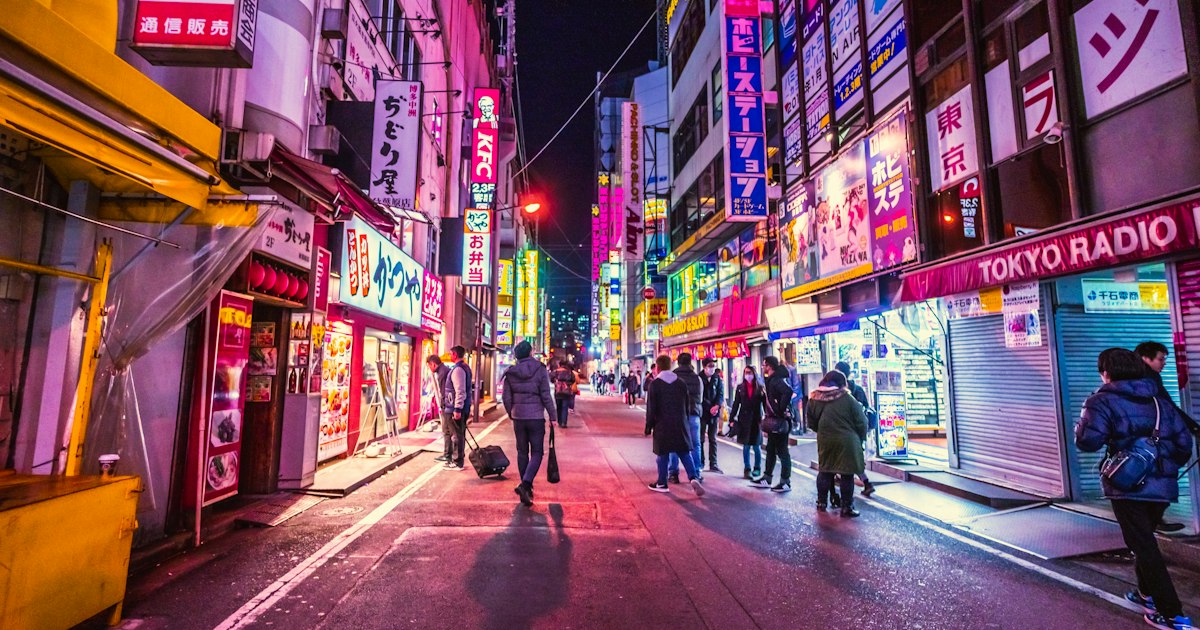
    Every first-time visitor to Japan gets the same two names whispered to them: Bic Camera and Yodobashi Camera. Both are excellent, both are everywhere in Tokyo and Osaka, and both are, as a result, often packed with other tourists doing exactly what you’re trying to do. What most guidebooks leave out is that Japan has two other nationwide electronics chains — Yamada Denki and Edion — that are just as large, often cheaper on everyday appliances, and far less geared toward tour-bus traffic. If you’re shopping for a rice cooker, a hair dryer, a Nintendo Switch, or a suitcase-friendly camera, it’s worth knowing these names too.

    Who are Yamada Denki and Edion?

    Yamada Denki is Japan’s largest electronics retailer by store count, headquartered in Takasaki, Gunma, with well over 1,000 locations nationwide under various banners (LABI flagship stores, Yamada Denki standard stores, and the discount-focused Yamada Denki Tecc Life format in smaller towns). Edion is the Hiroshima-born chain that resulted from a 2002 merger of regional retailers Deodeo and Eidai, and it’s now the dominant electronics chain across western Japan — Hiroshima, Osaka, and the Chugoku region especially.

    Neither chain built its business on tourist traffic the way Bic Camera’s Shinjuku/Shibuya flagships or Yodobashi’s Akihabara mega-store did. That’s precisely the appeal: prices are set for the local market, staff are used to local customers rather than tour groups, and you won’t be fighting through a crowd of people filming unboxing videos to reach the shelf you want.

    What to actually buy there

    These chains carry the same broad categories as Bic and Yodobashi — cameras, laptops, rice cookers, washlets, hair tools, game consoles — but their strength is everyday home appliances rather than duty-free luxury electronics. A Zojirushi or Tiger rice cooker that runs ¥15,000–¥35,000 at a tourist-zone store is frequently the same price or a bit less at a Yamada Denki LABI store, and local sales staff can usually point you to a 100V/overseas-voltage-compatible model without you having to ask twice.

    Budget shoppers should look at small Yamada Denki Tecc Life or Edion branches for basics: travel adapters (¥500–¥1,500), compact hair dryers (¥2,000–¥4,000), and USB cables. Mid-range shoppers will find the best selection of rice cookers, electric kettles, and massage devices at the larger LABI or Edion flagship stores in city centers. For a splurge, both chains stock the latest mirrorless cameras and gaming laptops at prices comparable to Bic Camera, and LABI Shinjuku/Ikebukuro and Edion’s big Osaka or Hiroshima stores carry duty-free counters for tax-free purchases over ¥5,000, same as the bigger-name chains.

    Where to find them and how to get there

    Yamada Denki’s flagship LABI stores are concentrated in major hubs: LABI Shinjuku East Exit and LABI Ikebukuro in Tokyo, LABI Nanba in Osaka, and LABI Shinsaibashi are the easiest for visitors to reach on foot from major stations. Edion’s flagship is Edion Osaka (Namba), a multi-floor store a short walk from Namba Station, and its historic home turf is Hiroshima, where Edion Hiroshima Honten sits near Hondori, one of the city’s main shopping arcades — handy if you’re combining electronics shopping with a day trip out to Tomonoura or a Miyajima visit.

    Outside the big cities, both chains run suburban “roadside” stores near train stations or along highways in nearly every prefecture, which is where you’ll find the best prices on bulky household items if you happen to be passing through smaller cities — useful to know if you’re doing a road trip around Japan and want to pick up a portable fan or space heater along the way rather than carrying one from Tokyo.

    Hours, tax-free shopping, and payment

    Most urban Yamada Denki and Edion stores open around 10:00am and close between 8:00pm and 9:00pm, seven days a week, with no fixed weekly closing day at the larger branches (smaller suburban stores sometimes close one weekday — check Google Maps listings, which are generally accurate and kept up to date by the stores themselves). Tax-free (duty-free) shopping works the same way it does at Bic and Yodobashi: spend over ¥5,000 before tax on consumables or general goods, show your passport at the dedicated tax-free counter (not the regular register), and the 10% consumption tax is deducted on the spot or refunded at checkout, with your purchase sealed in a tamper-evident bag if it’s a consumable. Not every branch has a tax-free counter — it’s standard at LABI flagships and big-city Edion stores, but patchy at small-town locations, so confirm before you commit to a large purchase.

    Credit cards (Visa, Mastercard, JCB, and usually Amex) are accepted at all sizable branches, and most now take IC cards and smartphone payment apps as well. Keep your phone’s battery topped up while you compare prices across stores — a ChargeSPOT rental is a handy backup if you’re out all day price-checking between Bic, Yodobashi, and these regional chains.

    Common mistakes to avoid

    The biggest mistake is assuming all Japanese electronics are voltage-universal. Japan runs on 100V, and while most modern chargers and laptop adapters handle 100–240V automatically, appliances like hair straighteners, rice cookers, and kettles usually are not dual-voltage. Always ask staff directly: “Kaigai demo tsukaemasu ka?” (“Can this be used overseas?”) — they’re used to the question and can usually point you to export-compatible models or explain what you’ll need (a voltage converter, not just a plug adapter) if a model isn’t.

    Second, don’t assume these chains are automatically cheaper than Bic or Yodobashi — on flagship camera and laptop lines, prices tend to converge across all four chains because manufacturers set minimum advertised prices. The real savings at Yamada Denki and Edion show up on appliances, small goods, and store-brand items, not big-ticket cameras.

    Third, remember that warranties on electronics bought in Japan are typically valid only within Japan, and manuals, voice menus, and packaging will be in Japanese even for export-friendly models — factor that in if you’re buying something complex like a rice cooker with a lot of settings.

    Best time to shop

    Late December through early January (New Year clearance) and late June through July (bonus-season sales, timed to when Japanese companies pay seasonal bonuses) are when both chains run their deepest appliance discounts — sometimes 20–30% off rice cookers, fans, and seasonal items. If your trip lines up with either window, it’s worth checking a LABI or Edion flagship before heading to the tourist-zone stores, since stock and pricing are usually just as good and the lines at the register are shorter.
  • Discount Ticket Shops in Japan: Where to Buy Cut-Rate Train and Bus Tickets (Kakuyasu Kippu-ya)

    Discount Ticket Shops in Japan: Where to Buy Cut-Rate Train and Bus Tickets (Kakuyasu Kippu-ya)

    Photo by Samantha Hendrata on Unsplash

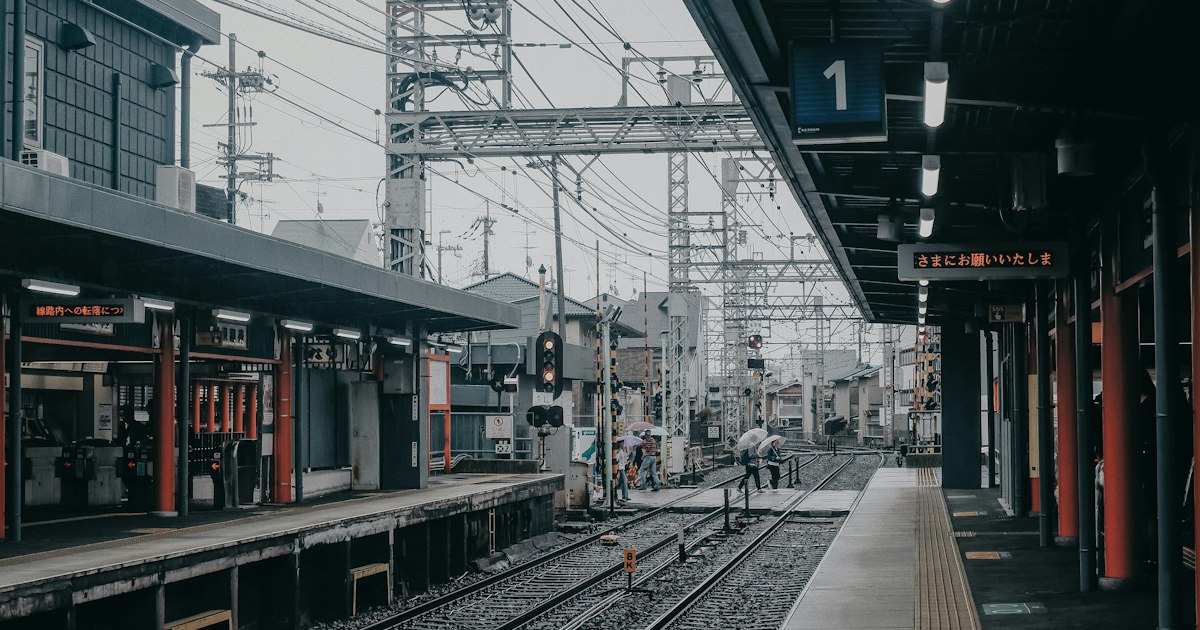
    Tucked into the underground passages near Japan’s biggest train stations are small storefronts, often no bigger than a kiosk, lined with handwritten price boards and stacks of paper tickets. These are kakuyasu kippu-ya (格安きっぷ屋), literally “cut-rate ticket shops,” and they’ve been quietly saving commuters and savvy travelers money on trains, buses, and even gift cards for decades. They’re not a scam and they’re not the JR Pass counter — they’re a legitimate secondary market for tickets that other people bought and didn’t fully use. Here’s how the system works and how to use it without wasting a trip.

    What Is a Kakuyasu Kippu-ya?

    These shops buy unused or partially used tickets from the public — leftover commuter coupon books, unused return-trip Shinkansen tickets, gift certificates, and more — then resell them to anyone at a markup smaller than face value. The shop still turns a profit, the original owner recoups some cash instead of letting a ticket expire worthless, and the buyer pays less than the ticket window would charge. It’s essentially a legal pawn-shop model applied to transit tickets, and it has existed in Japan since well before reserved online booking made parts of it less necessary.

    What they are not: scalpers for concert or sports tickets. Japan’s 2019 anti-scalping law makes resale of event tickets above face value illegal, so reputable kippu-ya stick to transport tickets, retail gift cards, and similar instruments rather than touching resale-restricted event seats.

    What You Can Actually Buy There

    The inventory varies day to day since it depends on what sellers bring in, but the recurring categories are:

    • Kaisuken (回数券) fragments — Japanese commuter coupon books traditionally came in sets of 11 single-journey tickets sold for the price of 10. Shops buy up leftover books and sell the individual tickets, so you can pick up a single-fare ticket between two stations for roughly 10% less than the window price. This is the bread-and-butter item and the easiest win for a short city hop.
    • Shinkansen tickets — unused return-trip halves or regional discount tickets, usually saving anywhere from a few hundred to around ¥1,000–1,500 off a one-way fare, depending on the route and how far in advance the original ticket was bought.
    • Highway bus tickets and vouchers — less common since buses are already cheap, but occasional discount coupons turn up.
    • Seishun 18 Kippu — JR’s unlimited local-train pass, historically sold by individual day-use. Note that JR has tightened the rules on this pass in recent years to curb exactly this kind of resale, so ask the shop directly whether single-day use is still available before planning a trip around it.
    • Gift cards and vouchers — department store gift certificates, QUO cards, and sometimes amusement park or movie vouchers at a modest discount.

    What you generally will not find: the foreigner-only Japan Rail Pass (it’s registered to your passport and non-transferable), reserved seat Shinkansen tickets for a specific future date you can rely on in stock, or IC card (Suica/Pasmo) top-ups — these are physical paper or magnetic tickets, not digital balances.

    Where to Find Them: Tokyo, Osaka, and Beyond

    Tokyo’s densest cluster is around Yurakucho Station, in and around the Kotsu Kaikan building and the underground shopping passages that connect toward Shimbashi and Ginza — a handful of competing shops sit within a few minutes’ walk of each other, which makes comparison shopping easy. Shinjuku and Ueno also have scattered shops near station exits.

    In Osaka, look in the underground malls around Osaka/Umeda Station — Hankyu Sanbangai and the Diamor Osaka passage — and around Namba Station. If you’re already navigating Osaka’s downtown canals and bridges, it’s worth pairing a ticket-shop stop with a ride on the Osaka Suijo Bus water taxi, since both departure points cluster near the same central stations.

    Nagoya, Kyoto, and other major cities have smaller equivalents near their main stations, though selection thins out the further you get from Tokyo and Osaka. If your itinerary leans toward regional day trips — say, out to Tomonoura in Hiroshima Prefecture or Chiran in Kagoshima — check the ticket shop near your base city’s main station before you leave, since local trains or bus-transfer tickets to these smaller towns occasionally show up discounted.

    How to Shop: Hours, Cash, and Language

    Most shops open around 9:30–10:00am and close between 7:00 and 8:00pm, and the ones near major stations are typically open daily, including weekends, with reduced hours or closures only around New Year’s. Cash is king — many of these small operators don’t accept credit cards, so bring yen in cash, especially coins and small bills since tickets are often priced in odd amounts like ¥1,480.

    English signage is rare and staff may not speak much English, so write down your departure station, destination, and travel date on your phone or a slip of paper to show rather than relying on conversation. Prices are posted on boards inside or in the window, which makes it easy to browse without committing to anything.

    Common Mistakes That Trip Up Travelers

    • Assuming everything is discounted. Rare or hard-to-find tickets sometimes sell at or near face value — compare the posted price against what you’d pay at a station ticket machine before buying.
    • Buying a date-fixed Shinkansen ticket without checking restrictions. Discounted tickets are often non-refundable and non-changeable, unlike a ticket you buy yourself at the window.
    • Expecting IC card integration. These are paper tickets for manned gates or standard ticket-gate slots, not Suica/Pasmo top-ups.
    • Confusing kippu-ya with event ticket resale. If a shop or website is offering concert, sports, or Tokyo Disney-style tickets at a markup, that’s a different and legally murkier category — steer clear.
    • Visiting right before closing. Good kaisuken fragments and Shinkansen tickets move fast; shop early in the day if you want a specific route.

    Budget, Mid-Range, and Splurge Picks

    Budget travelers get the most reliable value from kaisuken fragments for short urban hops — a near-guaranteed 10% off single-fare city train tickets with almost no downside. Mid-range travelers doing one or two long-distance Shinkansen legs can save real money (often ¥500–1,500 per ticket) by checking the board before buying at the station, especially on popular routes like Tokyo–Osaka or Tokyo–Sendai. For a small splurge, department store gift certificates bought at a discount can offset souvenir shopping costs later in the trip — useful if your packing list includes something like Japanese laundry products or specialty snacks you plan to pick up at a department store basement food hall.

    Best Timing for Discount Tickets

    Stock isn’t seasonal in a strict sense, but two periods tend to bring in better inventory: right after New Year’s and Obon, when people who bought round-trip tickets for family visits sell back the unused return half, and around the Japanese fiscal year-end in March, when commuters switching jobs or moving sell off leftover kaisuken books. If your trip overlaps either window, it’s worth a five-minute detour to check the board even if you weren’t planning to buy a ticket that day. And if your itinerary includes long stretches of independent driving rather than rail — for example if you’re considering renting a campervan or RV for part of the trip — kippu-ya tickets are only useful for the rail and bus segments, so plan your savings around the legs you’ll actually be riding a train or bus.

  • Amanatto: Japan’s Sugar-Glazed Candied Beans and Where to Buy

    Amanatto: Japan’s Sugar-Glazed Candied Beans and Where to Buy

    Photo by Customerbox on Unsplash

    Walk through the wagashi counter of any Japanese department store and you’ll spot small, matte-dusted nuggets in shades of deep red, black, and ivory, sitting in trays or gift boxes labeled 甘納豆 (amanatto). They look understated next to flashier mochi and seasonal namagashi, but amanatto is one of Japan’s oldest confectionery traditions still made the slow, old-fashioned way — and it happens to be one of the easiest Japanese sweets to pack home, since it keeps for weeks without refrigeration.

    What Is Amanatto, Exactly?

    Amanatto is whole beans — most commonly azuki (red beans), but also kuromame (black soybeans), ingen mame (kidney beans), soramame (fava beans), and sometimes chestnuts or green peas — that have been slow-simmered in sugar syrup until they’re tender and saturated with sweetness, then dried and rolled in a fine coating of granulated or caster sugar. The name literally means “sweet natto,” though it has nothing to do with fermented soybean natto; the “natto” here refers to an older term for beans preserved in salt or sugar.

    Texture-wise, think of a dried fruit more than a candy: each bean has a slightly chewy, jammy interior with a dry, crystalline sugar shell on the outside. It’s much less sticky than yokan or anko-based sweets, which is exactly why it travels so well in a suitcase.

    How It’s Made (and Why It Takes Days)

    What separates good amanatto from mediocre amanatto is patience. Beans are first boiled until soft, then soaked in sugar syrup and left to rest — the syrup concentration is raised gradually over two to five days so the sugar penetrates evenly without toughening the skins or causing the beans to collapse. After the final soak, the beans are drained, dried on screens for a day or more, and tumbled in sugar. Rushed, mass-produced versions skip steps and end up either too hard or unevenly sweet, which is the main quality difference you’ll taste between a ¥300 supermarket bag and a ¥2,000 artisan box.

    Best Places to Buy Amanatto in Japan

    • Department store basement food halls (depachika): Isetan Shinjuku, Takashimaya, and Daimaru all stock amanatto from multiple regional makers, usually in both loose trays (sold by weight) and pre-packed gift boxes. This is the easiest one-stop option if you’re also buying other wagashi souvenirs.
    • Kyoto’s Nishiki Market: Several dried-goods and tsukemono stalls along the covered arcade sell amanatto by the bag alongside other preserved snacks, often at better prices than department stores. Worth a stop if you’re already walking the market for food photos and samples.
    • Supermarkets: Chains like AEON and Life carry shelf-stable 150–250g bags year-round in the dried-snack or tea-snack aisle — the cheapest and most convenient option if you just want to try it rather than gift it.
    • Convenience stores: 7-Eleven, Lawson, and FamilyMart stock small packaged amanatto seasonally, usually autumn through winter, near other traditional snacks. It’s the same aisle logic as grabbing a nikuman at the register in winter — convenience stores lean into seasonal, nostalgic snacks and amanatto fits that slot.
    • Train station souvenir halls: Tokyo Station’s Gransta and Kyoto Station’s basement shops sell gift-boxed amanatto specifically packaged for omiyage, with individually wrapped portions that are easy to distribute to coworkers back home.
    • Online: Amazon.co.jp and Rakuten both carry amanatto from regional makers if you want to order ahead or restock after your trip, though shipping sweets internationally can be hit-or-miss on customs rules depending on your home country.

    Price Guide: Budget, Mid-Range, and Splurge

    Amanatto scales well across budgets, which makes it a flexible souvenir choice:

    • Budget (¥150–¥350): A small supermarket or convenience store bag, roughly 100–150g, usually a single bean variety like azuki or kuromame.
    • Mid-range (¥500–¥1,200): A 200–300g bag or box from a depachika food hall, often a mixed assortment of three to five bean types.
    • Splurge (¥1,500–¥4,000+): A gift box from a long-established Kyoto or Tokyo confectioner, individually wrapped pieces, premium chestnut or rare bean varieties, and nicer packaging meant for formal gift-giving.

    If you’re building out a broader snack haul, amanatto pairs well with other regional specialties worth hunting down, like imo kenpi from Kochi — both are dry, shelf-stable, and easy to split into gift-sized bags once you’re home.

    Best Season and Timing

    Amanatto is sold year-round, but there are two timing sweet spots. Late autumn through winter (roughly November–February) brings chestnut and sweet potato varieties into stores, plus seasonal gift packaging ahead of the New Year, when boxed sweets are commonly exchanged. Around New Year specifically, kuromame (black soybean) amanatto sees a bump in visibility since black soybeans are also eaten plain as an osechi (New Year’s feast) dish symbolizing health, so stores stock extra. If you want the widest variety of bean types and the most gift-ready packaging, aim for a winter visit; a summer trip still gets you the standard azuki and mixed-bean bags everywhere.

    Common Mistakes to Avoid

    • Assuming it’s a light snack: Amanatto is pure sugar-coated bean — it’s genuinely sweet and rich. A small handful goes further than you’d expect; don’t buy a large bag thinking you’ll snack through it like trail mix.
    • Confusing it with other bean sweets: Amanatto is often shelved near anko-based wagashi or yokan, which are soft, paste-like, and need refrigeration in summer. Amanatto, by contrast, is dry and shelf-stable — check the texture in the package photo before buying if you want one over the other.
    • Not checking the ingredient list for allergens: Some commercial brands use a light coating of gelatin or add soy lecithin for texture; if you’re strictly vegan or have soy allergies beyond the bean itself, scan the label, as Japanese packaging for mainstream brands usually lists allergens in a small boxed section even without English.
    • Buying loose bags for long-haul travel without resealing: Loose depachika and Nishiki Market bags aren’t always airtight. Transfer them into a zip-lock bag or your own container if you have more than a week of travel left, since humidity can make the sugar coating go sticky.

    Amanatto rarely makes it onto first-time visitors’ must-try lists the way matcha sweets or mochi do, but it’s exactly the kind of low-key, well-made traditional snack that rewards a closer look — and unlike most fresh wagashi, it’ll actually survive the flight home.

  • Tendon: Japan’s Tempura Rice Bowl and Where to Order It

    Tendon: Japan’s Tempura Rice Bowl and Where to Order It

    Photo by bady abbas on Unsplash

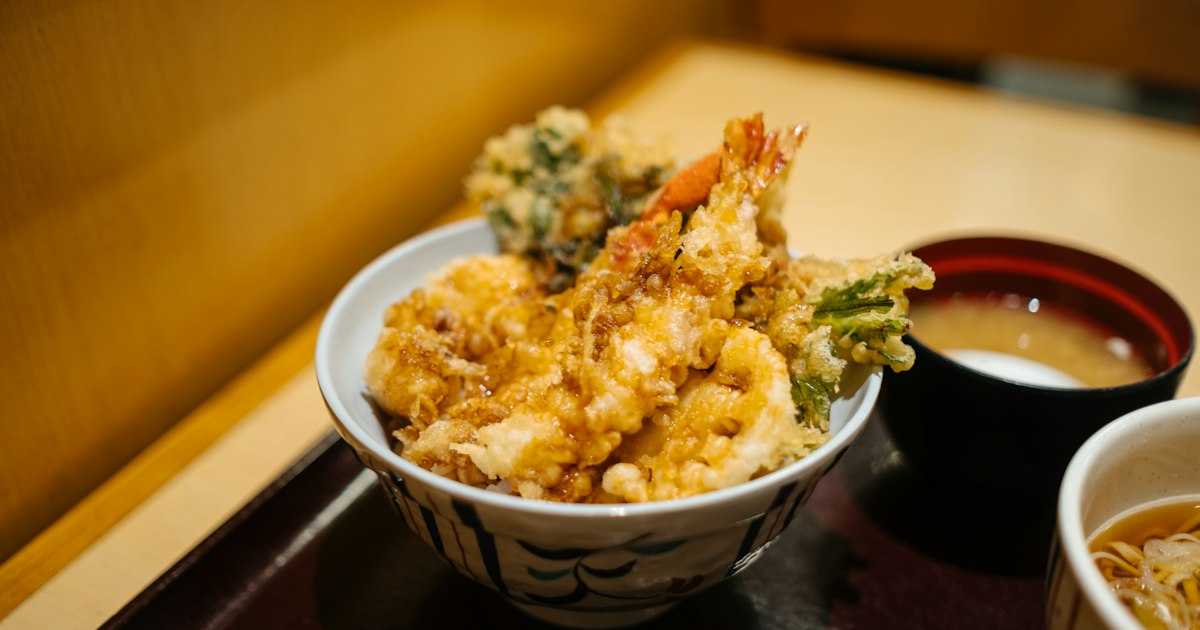
    Tempura gets all the glory, but the dish most Japanese people actually crave on a weekday lunch break is tendon — a bowl of rice topped with freshly fried tempura and draped in a sweet-savory sauce called tare. It’s faster than a full tempura course, cheaper than a kaiseki dinner, and just as satisfying. Here’s how to find good tendon at every budget, when to go, and how to avoid the rookie mistakes that make first-timers miss the point of the dish.

    What Makes Tendon Different From Tempura

    Tempura on its own is usually served with a light dipping sauce called tentsuyu, meant to let the crisp batter stay crisp as long as possible. Tendon flips that logic entirely: the tempura — typically shrimp, kisu (sillago fish), kakiage (a mixed vegetable or seafood fritter), and sometimes anago (conger eel) — is laid over hot rice and finished with a thicker, darker sauce poured directly on top. The batter is meant to soak up some of that sauce, so the texture is softer and richer than standalone tempura. If you order tendon expecting shatter-crisp tempura, you’ll be disappointed; the whole appeal is the contrast between sauce-softened edges and the still-crunchy interior.

    Budget Option: Tenya and Fast Tendon Chains

    For a quick, reliable tendon, look for Tenya, a nationwide chain with locations in most major train stations and shopping streets in Tokyo, Osaka, and beyond. A basic tendon runs around ¥500-600, and a deluxe bowl with extra toppings like anago or a larger kakiage lands closer to ¥800-900. Most locations are open roughly 11:00 to 22:00, with counter or table seating and ticket-machine or staff ordering — no reservation needed, and turnover is fast even at lunch rush. This is the right choice if you want a satisfying, hot meal between sightseeing stops without planning around it. Other regional chains and standalone diners (often just called “tendon-ya”) offer similar fast-casual setups, so don’t hesitate to walk into one with a lunch sign out front.

    Mid-Range: Historic Tendon Specialists in Asakusa

    Asakusa is the best neighborhood in Tokyo for tendon with real history behind it. Daikokuya, founded in 1887 near Kaminarimon and Senso-ji, is famous for its distinctively dark, rich tsuyu sauce poured generously over the tempura — a style that’s stayed almost unchanged for over a century. Expect a tendon course in the ¥2,000-3,000 range and a line out the door on weekends, especially around lunch; going right at opening or in the mid-afternoon lull (roughly 14:00-16:00) cuts the wait significantly. Funabashiya, also in Asakusa, is another century-old tempura specialist worth comparing against Daikokuya if you want to taste how sauce style varies between old-guard shops. Both are a short walk from Asakusa Station, served by the Ginza Line, Asakusa Line, and Tsukuba Express. In Shinjuku, Tsunahachi (founded 1923) is a well-known alternative with tendon in a similar ¥1,800-2,500 range, useful if Asakusa isn’t on your itinerary.

    Splurge: Counter Tempura Lunch Sets

    Some of Tokyo’s highest-end tempura counters — the kind that serve an omakase course for ¥20,000 or more at dinner — offer a simplified tendon-style rice bowl at lunch using the same ingredients and oil, for roughly half the dinner price or less. These lunch sets typically need to be booked in advance or require arriving right at opening, since seating is limited to a dozen or so counter seats. It’s a worthwhile splurge if you want to taste chef-grade tempura technique without committing to a multi-hour dinner course, but go in understanding you’re paying for ingredient quality and frying precision, not bigger portions.

    Best Time to Go and Seasonal Ingredients

    Tendon is eaten year-round, but the tempura itself shifts with the seasons: kisu and other delicate white fish are best in spring, anago (conger eel) is a summer specialty, and autumn kakiage often incorporates mushrooms like maitake. Lunch is almost always the better value window — many tempura specialists, including the higher-end counters, offer lunch sets that cost noticeably less than the same ingredients served at dinner. If you’re visiting a famous shop like Daikokuya, weekday lunch (avoiding the 12:00-13:00 peak) is your best shot at a short wait.

    Common Mistakes to Avoid

    • Confusing tendon with tempura teishoku: a teishoku (set meal) serves the tempura on a separate plate with rice, miso soup, and pickles on the side, dipped in tentsuyu. Tendon is the sauce-topped rice bowl version — ask specifically for “tendon” if that’s what you want.
    • Waiting too long to eat: tendon is built to be eaten promptly. The sauce continues softening the batter the longer it sits, so a bowl left untouched for photos will taste noticeably soggier by the time you dig in.
    • Assuming it’s available everywhere: unlike ramen or onigiri, tendon isn’t a convenience-store staple (though frozen versions exist in supermarket freezers). You’ll generally need a dedicated tempura shop or donburi restaurant.
    • Skipping the pickles and miso soup if included: many tendon sets come with a small side of pickles or a miso soup — eat the pickles between bites to cut the richness of the sauce, a trick locals use without thinking about it.

    Other Japanese Comfort Foods Worth Trying

    If tendon has you interested in Japan’s everyday comfort-food scene beyond sushi and ramen, a few other dishes are worth seeking out on the same trip. Napolitan, the ketchup-based spaghetti served in old-school kissaten cafés, is a similarly nostalgic, home-grown classic. In Okinawa, goya champuru offers a completely different but equally essential regional dish. And if you’re exploring convenience stores during colder months, don’t miss nikuman, the steamed buns sold at the register that have their own small ritual attached to ordering them.

  • Tomonoura: Hiroshima’s Historic Port Town That Inspired Ghibli’s Ponyo

    Tomonoura: Hiroshima’s Historic Port Town That Inspired Ghibli’s Ponyo

    Photo by wanderplans.com on Unsplash

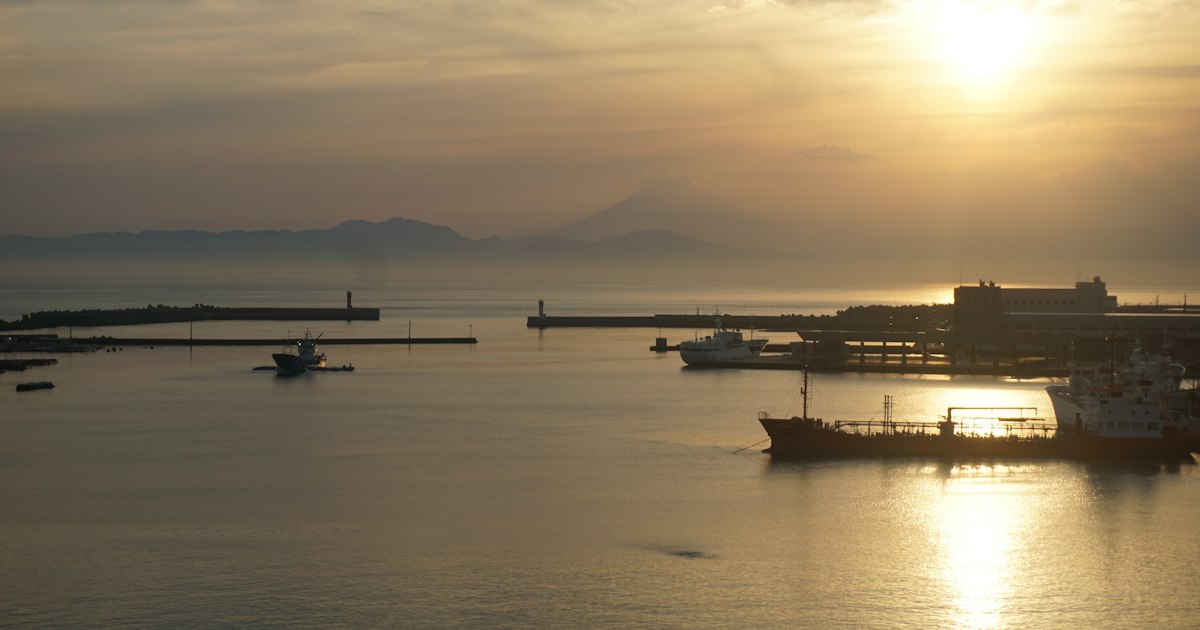
    Most visitors to Hiroshima Prefecture split their time between the Peace Memorial Park and Miyajima’s floating torii, and never hear the name Tomonoura. That’s a shame, because this small fishing port on the Seto Inland Sea has barely changed since the Edo period — stone lanterns still mark the harbor, wooden merchant houses still lean over narrow lanes, and the tides still move fishing boats in and out of a 300-year-old stone quay. It’s also the town where Hayao Miyazaki holed up in 2005 while developing Ponyo, and the cliffside views and cluttered harbor geography show up, lightly disguised, throughout the film. Tomonoura rewards a half-day visit with almost none of the crowds you’ll fight at Japan’s bigger “preserved townscape” destinations.

    Why Tomonoura, and why Ponyo fans care

    Tomonoura sits at the mouth of the Seto Inland Sea, a body of water so tide-dependent that sailing ships historically had to wait here for favorable currents before continuing toward Osaka or Shimonoseki — which is exactly why the port grew rich and built the stone infrastructure you can still see today. Miyazaki reportedly stayed for roughly two months at a harborside guesthouse while sketching the town, its fishing boats, and its sea cliffs, and the setting fed directly into Ponyo on the Cliff by the Sea (2008). The studio never officially pinned every location to a real-world spot, so treat the connection as inspiration rather than a shot-by-shot map — but standing on the breakwater watching the tide pull at the boats, the resemblance is unmistakable.

    How to get there

    Tomonoura has no train station of its own — it’s a bus or car trip from JR Fukuyama Station, which sits on the Sanyo Shinkansen line (about 50 minutes from Osaka on a Sakura or Kodama, around 20–30 minutes from Hiroshima). From Fukuyama Station’s south side, catch a Tomotetsu bus bound for “Tomo-ko” (鞆港); the ride takes about 30 minutes and costs roughly ¥500–550 one-way, paid in cash or with an IC card as you exit. Buses run at least two or three times an hour on weekdays, less often on weekends, so check the posted timetable rather than assuming a quick turnaround. If you’re road-tripping the Seto Inland Sea coast — something increasingly popular with travelers who’ve looked into renting a campervan or RV in Japan — Tomonoura is an easy, parkable stop, though the old town’s lanes are narrow and some are closed to cars entirely, so use one of the pay lots near the port rather than trying to drive in.

    What to see in the old town

    Tomonoura rewards slow walking more than a checklist, but a few sites anchor a visit:

    • Jōyatō stone lantern — an 1859 stone lighthouse standing right at the harbor’s edge, one of the oldest and tallest surviving Edo-period stone lanterns in Japan and the single most photographed spot in town.
    • Taichōrō at Fukuzenji Temple — a wooden guest hall whose open veranda frames a view over the harbor and islands that a Joseon-dynasty Korean envoy once called the most beautiful scenery in Japan. Entry is a small fee (around ¥200), and the view alone justifies the climb up from the port.
    • Tomo Castle ruins and the local history museum — on the hill above the harbor, with a small folk-history museum inside; modest admission, closed on Mondays.
    • Ōta Residence — a former sake brewer’s merchant house, now a small museum you can walk through to see how a wealthy Edo-period trading family actually lived.

    Sensuijima: the island just offshore

    A tiny passenger ferry crosses from Tomonoura port to Sensuijima island in about five minutes, running frequently and cheaply (a few hundred yen round trip). The island has swimming beaches on its far side in summer and a quiet hiking path up to Senkōji temple, where a wooden observation deck looks back over the port and out across the Inland Sea — arguably the best sunset viewpoint in the area. If you’ve enjoyed watching Japan’s coastline from the water on something like the Osaka Suijo Bus, this short hop has the same appeal at a fraction of the scale and cost.

    What to buy: Homeishu and local sake

    Tomonoura’s signature product is homeishu, a sweet, mildly medicinal herbal liqueur that’s been brewed here since the 1600s using a shochu base infused with more than a dozen botanicals. Several old shopfronts along the harbor street sell it in small tasting cups before you buy, with bottles typically running ¥1,000–2,000 depending on size. It travels well in checked luggage (it’s a liqueur, not a tincture, so no special declaration is needed) and makes a more distinctive souvenir than another box of standard-issue omiyage sweets.

    Best time to visit and common mistakes

    Spring (cherry blossoms along the waterfront, mild temperatures) and early autumn are the most comfortable seasons; midsummer is hot and humid with little shade in the old town, though it’s also when Sensuijima’s beaches are worth the trip. Tomonoura hosts a Gion-style summer festival in late July with floating lanterns and fireworks over the harbor — a good reason to visit if your dates line up, but expect the last buses back to Fukuyama to be packed.

    The most common mistake is treating Tomonoura as a quick photo stop on the way to somewhere else. Buses back to Fukuyama Station thin out in the early evening, and missing one means a long wait or an expensive taxi, so check the return timetable before you wander off toward Sensuijima or up to Taichōrō. The second mistake is skipping food: there’s no convenience store cluster here, so eat at one of the small harborside restaurants serving fresh Seto Inland Sea seafood (a set lunch runs roughly ¥1,200–2,000) rather than hoping to grab something later. Finally, don’t expect English signage at the level of Kyoto or Tokyo — a translation app helps, and shop owners selling homeishu are generally happy to explain the product with gestures and a tasting cup even without shared language.

    Pairing it with the rest of your trip

    Tomonoura works well as a half-day add-on if you’re already routing through Hiroshima or Okayama. Travelers continuing on to Okayama sometimes combine it with Kojima Jeans Street for a denim-shopping detour, since both are reachable from the same stretch of the San’yō rail corridor. If sleepy, preserved townscapes are your thing, it’s also worth comparing Tomonoura’s seaside version of old Japan with inland examples like Chiran’s samurai garden town in Kagoshima — different region, different history, but the same reward for travelers willing to go a little out of their way.

  • Chiran: Kagoshima’s Samurai Garden Town and Kamikaze Peace Museum

    An hour south of Kagoshima City, the small town of Chiran holds two of Kyushu’s most affecting sights side by side: a street of Edo-period samurai gardens still owned by descendants of the families who built them, and a museum that preserves the letters and photographs of teenage kamikaze pilots who trained nearby. It’s not a flashy stop, and it takes some effort to reach, but few day trips in Japan deliver this much historical weight in one afternoon.

    Why Chiran Is Worth the Detour

    Chiran (now part of Minamikyushu City) was a minor castle town for the Shimazu clan, and in the 1700s several retainer families laid out small karesansui (dry landscape) and borrowed-scenery gardens behind their stone walls. Seven of these survive largely intact along a single street and are collectively designated a National Place of Scenic Beauty. In the 1940s, the town’s airfield became the Imperial Japanese Army’s largest kamikaze base, and more than 1,000 young pilots departed from Chiran on one-way missions in the final months of World War II. The peace museum built on the former airfield site tells their story in unflinching, personal detail — photographs, farewell letters home, and the mess hall where pilots ate their last meal.

    The Samurai Garden Street (Chiran Bukeyashiki)

    The Chiran Samurai Residence Gardens sit along a roughly 700-meter stone-walled lane lined with hedges clipped into rounded shapes. Seven gardens are open for viewing (the houses themselves are private residences, so you view gardens from the veranda or a set path, not the interiors). Each garden is different — some use Mt. Kaimon in the distance as “borrowed scenery,” others are pure rock-and-sand compositions in the kaiyu-shiki (stroll garden) or karesansui style.

    • Hours: roughly 9:00–17:00 daily, last admission around 16:30.
    • Admission: about ¥530 for adults, with reduced rates for students and children; a single ticket covers all seven gardens.
    • Time needed: 45–75 minutes to walk the street and step into each garden.

    Go slowly here — these are private family properties, and the point is quiet contemplation, not a checklist. Early morning or late afternoon light is best for photos, and the street is far less crowded before 10am.

    The Kamikaze Peace Museum (Chiran Tokko Heiwa Kaikan)

    About a 10-minute walk or short drive from the garden street, this museum occupies part of the former Chiran Army Air Base. Inside are hundreds of photographs and final letters written by pilots — most in their late teens and early twenties — along with a replica Zero fighter and personal effects recovered from the area. There’s an English audio guide and some English signage, but a large share of the written material is Japanese-only, so renting the audio guide or using a translation app on your phone makes a real difference.

    • Hours: 9:00–17:00, last entry around 16:30.
    • Admission: about ¥500 for adults, with discounted tickets for students.
    • Time needed: 60–90 minutes for a thorough visit; the museum is dense and emotionally heavy, so budget time to sit with it rather than rushing through.

    This is a solemn space rather than a war-glorifying one — most visitors, Japanese and foreign alike, leave quiet. If you’re traveling with children, read a bit about the content beforehand to judge whether it’s right for their age.

    Getting to Chiran

    There’s no train station in Chiran, which is the main reason it sees fewer foreign visitors than its history deserves.

    • By bus: Iwasaki Bus runs a direct line from the Kagoshima Chuo Station bus terminal (Yamakataya bus center) to Chiran, taking about 1 hour. Buses run roughly hourly through the day; check return times before you go, since evening service thins out.
    • By car: About 40–50 minutes from central Kagoshima via the Minami-Kyushu Expressway, or closer to an hour on local roads. This is by far the most flexible option if you want to combine Chiran with nearby Ibusuki’s sand baths or the Satsuma Peninsula coastline. If you’re comfortable driving in Japan, see our guide on renting a car or campervan in Japan for license requirements before booking.
    • Getting around once there: the garden street, the museum, and the town center are all walkable from each other (10–15 minutes between them), so you don’t need a car once you’ve arrived.

    Best Time to Visit and How Long to Stay

    Spring (late March–early April) brings cherry blossoms along the samurai street and is the most popular season; early autumn (October–November) brings cooler, comfortable walking weather and good light for the gardens without the summer humidity. Summer is viable but genuinely hot and sticky — bring water and expect to move slower between sights. Plan for a half-day minimum: 3–4 hours covers both the gardens and the museum at a reasonable pace, including lunch in town. Most visitors treat Chiran as a half-day add-on to a Kagoshima City or Ibusuki itinerary rather than a full standalone trip.

    Budget, Mid-Range, and Splurge Options

    • Budget: Combined garden-and-museum admission runs under ¥1,100 per person, and a simple local lunch (soba, tonkatsu, or a set meal) costs ¥800–1,200. The Iwasaki bus round trip from Kagoshima is roughly ¥1,800–2,000 per person.
    • Mid-range: Rent a car for the day (from around ¥5,000–7,000 for a compact plus fuel) and combine Chiran with a stop at Ibusuki’s sand-bath onsen or the Chiran tea fields, some of Japan’s largest green tea growing areas.
    • Splurge: Stay overnight in nearby Ibusuki or Kinko Bay and hire a local guide-driver for a full day covering Chiran, the tea fields, and Cape Sata — useful if your time in Kagoshima is short and you want a tightly packed, English-narrated day.

    Common Mistakes to Avoid

    • Assuming there’s train access. There isn’t — plan the bus schedule or car rental in advance, since missing the last return bus means an expensive taxi back to Kagoshima.
    • Treating it as a quick photo stop. Both sights reward slowing down; rushing the museum in particular can feel disrespectful given the subject matter.
    • Not bringing cash. Ticket counters and some town restaurants are cash-friendly but not universally card-friendly — carry a reasonable amount of yen.
    • Running out of phone battery on translation duty. With a lot of Japanese-only signage at the museum, you’ll likely lean on your phone for translation all afternoon — a portable charger or a ChargeSPOT rental (available in larger Kagoshima convenience stores) is worth grabbing before you head out, since Chiran itself has no rental kiosks.

    If regional day trips built around a single strong theme appeal to you, Chiran pairs well conceptually with other first-timer guides like Dewa Sanzan in Yamagata — both reward visitors willing to go beyond Tokyo and Kyoto for a slower, more concentrated slice of Japanese history.

  • Noh Theatre: Japan’s Ancient Masked Drama and Where to See a Performance

    Noh Theatre: Japan’s Ancient Masked Drama and Where to See a Performance

    Photo by Artan on Unsplash

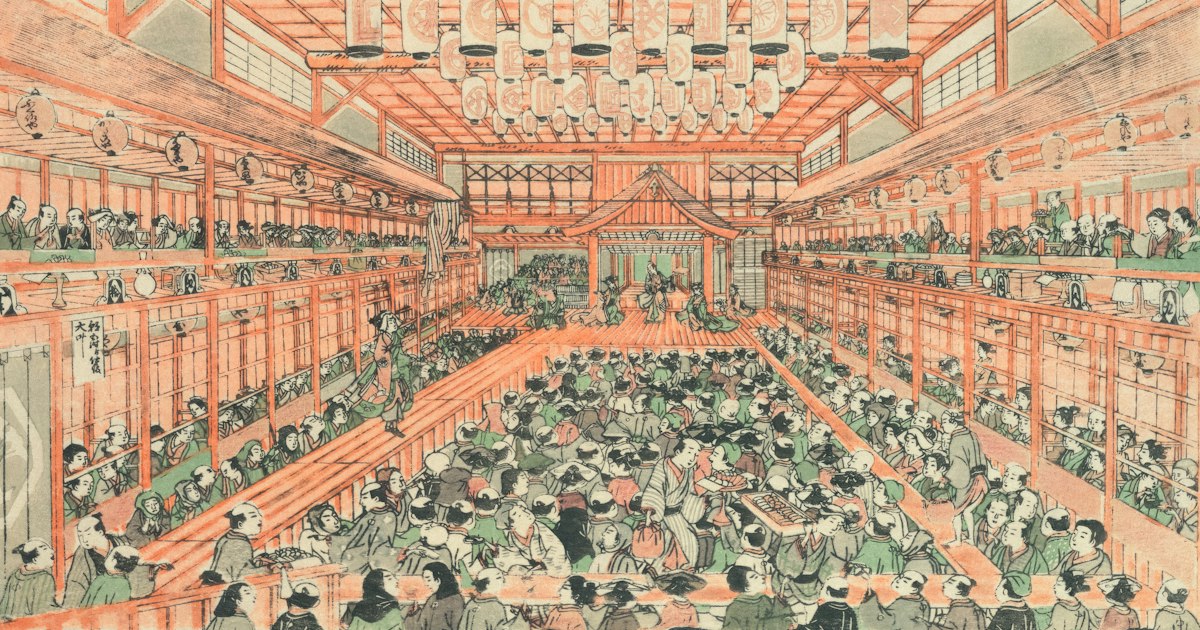
    Noh is the oldest continuously performed theatre form in the world, and it looks it — performers in carved wooden masks move at a fraction of normal speed across a bare cypress stage, accompanied by flute, drums, and a chanting chorus that sounds more like wind than song. It’s not an easy watch for everyone, but seeing even one act live is one of the most singular cultural experiences you can have in Japan, and it’s far more accessible to visitors than most people assume. Here’s what Noh actually is, which theaters welcome foreign guests, and how to get the most out of an afternoon or evening at a performance.

    What makes Noh different from other Japanese theatre

    Noh took shape in the 14th century under the actor-playwrights Kan’ami and his son Zeami, with patronage from the Ashikaga shoguns, and it has barely changed since. The core cast is small: a masked lead (shite), who often plays a ghost, deity, or spirit, and an unmasked supporting actor (waki), usually a traveling priest who draws the story out of them. There’s no scenery beyond a painted pine tree backdrop, and the “action” is largely suggested through stylized gesture — a tilted mask can read as grief, a raised fan as a sudden gust of wind.

    Between Noh acts, you’ll usually get a Kyogen piece — short, broad comic sketches performed without masks that poke fun at monks, servants, and husbands. If you’ve enjoyed the comic timing of rakugo storytelling, Kyogen is Noh’s equivalent palate-cleanser, and it’s usually the most approachable part of the program for first-timers.

    Where to watch Noh in Tokyo

    The National Noh Theatre (Kokuritsu Nogakudo) in Sendagaya is the easiest entry point for visitors. It’s a short walk from JR Sendagaya Station (Chuo-Sobu Line) or Kokuritsu-Kyogijo Station on the Toei Oedo Line. Regular programs run most weekends and several weekday evenings, typically lasting 3 to 4 hours including Kyogen, with tickets generally ranging from about ¥3,000 for cheaper unreserved-style seats up to ¥7,000–¥9,000 for the best reserved seats, depending on the program and performers. The theater rents English-language earphone guides (usually a few hundred yen) that explain the plot in real time, which makes a huge difference — without one, the archaic classical Japanese chanting is genuinely hard to follow even for native speakers.

    In central Tokyo, the Kanze Noh Theatre, relocated into the basement of Ginza Six, and the Umewaka Noh Theatre in Nakano also host regular public performances, generally in the same ¥4,000–¥8,000 range. Programs are published monthly on each theater’s site a few weeks ahead, and seats for popular actors or well-known plays like “Dojoji” or “Aoi no Ue” sell out, so book as soon as a schedule is posted rather than assuming you can walk up.

    Kyoto and Osaka options

    Kyoto’s main venue is the Kongo Noh Theatre, near the Kyoto Imperial Palace at Karasuma-Shimodachiuri, and the Kyoto Kanze Kaikan in the Okazaki area near Heian Shrine. Both run regular programs at similar prices to Tokyo. Kyoto also hosts one of the country’s best-known outdoor torchlit performances — more on that below.

    In Osaka, the Ohtsuki Noh Theatre in Chuo-ku stages monthly programs and is one of the oldest private Noh theaters in the city. If you’re spending the day in that part of Osaka, it pairs nicely with a slower-paced afternoon on the water — the Osaka Suijo Bus canal cruise is a quiet, scenic way to fill the hours before an evening show.

    Torchlit outdoor Noh: Takigi Noh

    If your trip timing allows it, seek out Takigi Noh — outdoor performances lit by bonfires, traditionally held on temple and shrine grounds after dark. The most famous is at Kofuku-ji in Nara, usually held in May, with a centuries-old history behind it. Kyoto’s Heian Shrine hosts a well-attended Takigi Noh in early June, and Itsukushima Shrine on Miyajima stages one in spring as well. These outdoor shows are seasonal, weather-dependent, and announced only a few months ahead, so check shrine and city tourism sites directly once you have travel dates rather than planning around them this far in advance. Tickets for Takigi Noh tend to run ¥3,000–¥5,000 and often sell through local tourism associations rather than the theaters themselves.

    What a mask actually tells you

    Noh masks (nohmen) are carved from Japanese cypress and repainted over generations; a single theater’s collection can include masks centuries old. Each mask type signals a category of character — a young woman (ko-omote), a vengeful female spirit (hannya), an old man (okina) — and skilled actors subtly tilt the mask (“using” it, in Noh terminology) to shift its expression between sorrow and rage under the stage lighting. It’s worth arriving early enough to look at the masks and costumes often displayed in theater lobbies before the show; most theaters allow this and it gives you something concrete to watch for once the mask is in motion. The theatricality of a carved, expressive face will feel familiar if you’ve encountered Japan’s other masked traditions, like the fearsome visiting demons of the Namahage folklore festival in Akita — different context entirely, but the same cultural instinct for a mask as a character in itself.

    Common mistakes and how to avoid them

    • Expecting subtitles or a fast pace. Noh moves deliberately — a single scene can take ten minutes to cover what a spoken line would in ten seconds. Read a one-paragraph plot summary before you go (most theater programs and ticket sites include one) so you’re not lost from the opening chant.
    • Skipping the English guide when one’s available. At the National Noh Theatre, renting the earphone guide is the single best thing you can do as a first-time visitor; without it, you’re watching mood and movement with no access to the words.
    • Booking the cheapest seat for a famous program. Noh stages are small and most seats have a reasonable view, but for a sold-out program with a well-known actor, a mid-tier reserved seat is worth the extra ¥1,000–¥2,000 over an unreserved one.
    • Nodding off and feeling embarrassed about it. The slow pace and drone of the chanting puts plenty of people, including Japanese regulars, to sleep for a stretch. It happens; just try not to snore through the quiet parts.
    • Assuming you need formal dress. Smart casual is completely fine at every theater listed here — this isn’t an opera house dress code situation.

    Budget, mid-range, and splurge at a glance

    Budget (¥2,000–¥3,500): unreserved or rear seats at a monthly program, or a shrine-hosted Takigi Noh performance.
    Mid-range (¥4,000–¥7,000): reserved seating at the National Noh Theatre or a city Kanze/Kongo theater, ideally with an English earphone guide.
    Splurge (¥8,000–¥15,000+): premium seats for a celebrated actor’s performance, a rare full-day program featuring multiple plays, or a special anniversary staging — these are announced further in advance and worth booking the day tickets go on sale.

    However much you spend, give yourself the full run time rather than planning to duck out early — the slow build is the point, and the final act of a Noh play is usually where the emotional payoff lands hardest.

  • Rakugo: Tokyo’s Comic Storytelling Theaters and How to Watch a Show

    Rakugo: Tokyo’s Comic Storytelling Theaters and How to Watch a Show

    Photo by Art Institute of Chicago on Unsplash

    Long before manzai duos and late-night variety shows, Japan had rakugo — a single performer, kneeling on a cushion, who conjures an entire cast of characters using nothing but a folding fan, a small cloth, and impeccable comic timing. It’s one of the oldest living performance arts in the country, and Tokyo still has working theaters where you can watch it almost every single day of the year. You don’t need to understand Japanese fluently to enjoy an afternoon at one — you just need to know which theater to pick and what to expect once you’re inside.

    What Is Rakugo, Exactly?

    Rakugo (“falling words”) is comic storytelling built around a punchline. A performer called a rakugoka sits on a small platform called a kōza, dressed in kimono, and acts out every character in a story — switching voices, posture, and facial angle to show who’s speaking — using only a hand fan (sensu) and a small cloth (tenugui) as all-purpose props. A fan becomes a chopstick, a pipe, a letter; a cloth becomes a wallet or a book. Stories range from centuries-old classics about foolish merchants and sharp-tongued wives to newly written material about smartphones and tourists. The craft is less about the plot and more about delivery — rhythm, pauses, and a final twist that lands the whole thing.

    The Four Classic Yose Theaters in Tokyo

    Rakugo is performed in dedicated variety theaters called yose, where a rotating lineup of storytellers, jugglers, magicians, and musicians takes the stage one after another for hours. Tokyo has four historic yose still running full-time:

    • Suzumoto Engeijo (鈴本演芸場) — Ueno. The oldest yose in Japan, dating to 1857, a 3-minute walk from JR Ueno Station’s Hirokoji exit. Day session roughly 12:30–16:30, night session 17:00–20:30.
    • Shinjuku Suehirotei (新宿末廣亭) — a 5-minute walk from Shinjuku-sanchome Station, near Golden Gai. A beautifully preserved wooden building with box seating on tatami plus regular chairs. Day roughly 12:00–16:30, night 17:00–20:30.
    • Asakusa Engei Hall (浅草演芸ホール) — on Asakusa’s old Rokku entertainment strip, 5 minutes from Asakusa Station and an easy pairing with a Senso-ji visit. Runs continuously, roughly noon to 9pm.
    • Ikebukuro Engeijo (池袋演芸場) — a small, intimate hall near Ikebukuro Station’s east exit, seating under 100 people.

    Expect to pay around ¥3,000 for adults at Suzumoto, Suehirotei, and Asakusa Engei Hall, with discounts of a few hundred yen for seniors and students and roughly ¥1,500 for children; Ikebukuro runs slightly cheaper. Programs change in 10-day blocks (1st–10th, 11th–20th, 21st–end of month), each with a different headline performer, so the same theater can feel completely different a week apart.

    What a Night at the Yose Is Actually Like

    A full session runs four to five hours and features 10–15 acts: several rakugo storytellers interspersed with “variety” turns — a juggler, a paper-cutting artist, a kamikiri performer, or musicians playing the banjo-like shamisen. No one expects you to sit through the whole thing. Seating is unreserved (unless you buy an advance reserved ticket), and locals routinely slip in and out, grab a bento or a canned beer from a side counter, and chat quietly between acts. If you only have 90 minutes, that’s a completely normal way to experience a yose — just know that the headline act (shin-uchi) usually performs last, so arriving too early and leaving too soon means missing the best storyteller of the day.

    Finding an English-Friendly Show

    Most yose performances are entirely in Japanese with no subtitles, which is part of the authentic experience but a real barrier if you’re starting from zero. A few workarounds exist. Katsura Sunshine, a Canadian-born rakugoka who trained under a Japanese master, performs English-language rakugo shows in Tokyo and on international tours — his sets translate the wordplay and cultural context as he goes, which makes the jokes land even for first-timers. Smaller English rakugo sessions also pop up at community halls and cultural centers aimed at tourists, often bundled with a short explainer on the art form before the stories begin. These are worth searching for by date rather than venue, since schedules shift month to month. If you go to a standard Japanese-language yose instead, treat it like live jazz: you won’t catch every word, but the physical comedy, voices, and crowd reactions carry a surprising amount of the humor on their own.

    Tickets, Timing, and Getting There

    Same-day tickets are sold at the theater box office and are usually available right up to showtime — rakugo isn’t a sellout-crowds kind of event, except for a famous shin-uchi’s debut show or a New Year’s program. You can also show up partway through a session and pay a prorated or standard entry fee at the door; ask the staff, as policies vary slightly by theater. There’s no strong “best season” for rakugo since every show is indoors and runs year-round, but December and early January programs tend to be livelier, with special New Year’s lineups and a festive atmosphere. Winter is also a good time to combine a Suzumoto or Asakusa Engei Hall visit with other cold-weather plans — Ueno and Asakusa are full of cozy places to warm up before or after the show.

    Etiquette and Common Mistakes

    The biggest mistake first-timers make is treating a yose like a quiet kabuki performance — formal, hushed, every seat assigned. It isn’t. Talking during a changeover is fine, eating a snack is fine, and laughing loudly at the punchline is the entire point. What actually matters: no flash photography or video recording during performances, keep your phone silent, and don’t walk directly in front of the stage while a storyteller is mid-story. A fully charged phone matters more than you’d think for a four-hour sit — if your battery’s low before you head out, grabbing a rental from a ChargeSPOT kiosk near the station beforehand is an easy fix. And if you want to dress the part for photos outside a traditional wooden theater like Suehirotei, a kimono paired with proper kanzashi hairpins fits the setting well, though plenty of visitors just come in regular clothes.

    Budget vs. Splurge Options

    On a budget, a standard yose ticket at Suzumoto or Asakusa Engei Hall is one of Tokyo’s best entertainment deals — around ¥3,000 buys several hours of live performance, no reservation needed. For a mid-range option, look for an English-narrated or English-performed rakugo event, which typically runs a bit higher but removes the language barrier entirely. For a splurge, some cultural tour operators arrange small-group rakugo experiences with a private interpreter and a post-show Q&A with the performer, sometimes paired with a kimono-dressing session or a traditional meal — a good fit if you’re already building a culture-focused day similar to reading your omikuji fortune at a shrine or catching a regional folklore event like Namahage elsewhere in Japan. Whichever route you take, rakugo rewards patience — the funniest line is almost always the one you didn’t see coming.

  • Omikuji: Japan’s Fortune-Telling Paper Slips and How to Read Yours

    Omikuji: Japan’s Fortune-Telling Paper Slips and How to Read Yours

    Photo by Heng Chiu on Unsplash

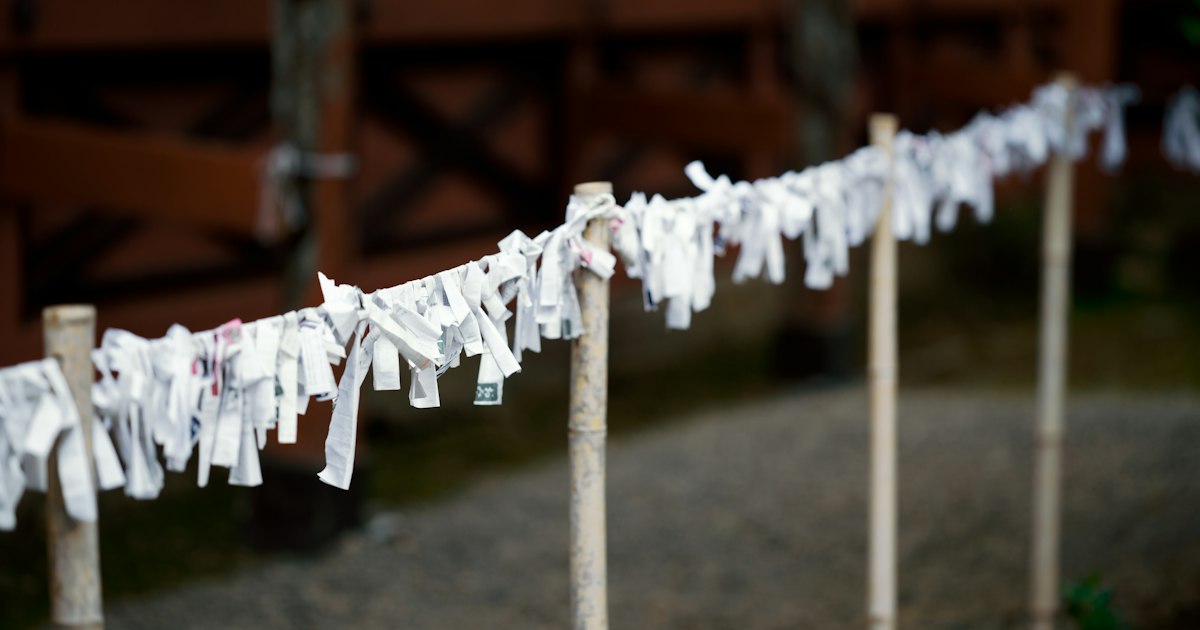
    At almost every Shinto shrine and Buddhist temple in Japan, you’ll spot a wall or rack fluttering with thin white paper strips tied in neat rows. These are omikuji (おみくじ), random fortune slips that visitors draw for a small fee, and they’re one of the easiest, cheapest rituals a traveler can take part in without any special knowledge of Japanese. Here’s how they work, what your result actually means, and how to do it right.

    What Exactly Is an Omikuji?

    Omikuji are paper fortunes that forecast your luck in general life as well as specific categories — love, health, work, money, travel, and sometimes study or childbirth. They date back centuries as a way of consulting the gods (kami) or Buddha for guidance, and today they function as a light-hearted but genuinely respected part of a shrine visit, especially around New Year. Unlike a horoscope you read passively, omikuji are interactive: you physically shake a box, extract a numbered stick, and trade it for the matching paper slip at the counter.

    The cost is almost always coins — typically ¥100 at Senso-ji in Asakusa, and ¥200–300 at most other shrines and temples nationwide. Many smaller or rural shrines run on an honor system: a wooden box of slips sits unattended with a small payment slot, and you leave your coin before taking one.

    How to Draw Your Fortune, Step by Step

    • Pay first. Drop your coin into the box or hand it to the shrine attendant.
    • Shake the container. It’s usually a hexagonal wooden box with a small hole, filled with thin numbered sticks. Shake it (don’t dump it) until one stick slides out of the hole.
    • Read the number on the stick, usually in kanji numerals.
    • Find the matching drawer in the cabinet of small numbered boxes nearby and take one folded paper slip from it.
    • Return the stick to its original container so the next visitor can draw.

    Some busier spots, including sections of Senso-ji and Fushimi Inari Taisha in Kyoto, simplify this with a self-service shaking cylinder that drops a numbered ball directly, or with coin-operated omikuji vending machines. Either way, the whole process takes under a minute and needs zero Japanese ability.

    Reading the Ranking: From Daikichi to Daikyo

    Near the top of your slip is a ranking word in bold kanji — this is the headline result. Rankings vary slightly by shrine, but the common scale runs roughly:

    • Dai-kichi (大吉) — great blessing, the best outcome
    • Chu-kichi (中吉) — middle blessing
    • Sho-kichi (小吉) — small blessing
    • Kichi (吉) — blessing
    • Han-kichi / Sue-kichi (半吉・末吉) — half blessing / future blessing
    • Kyo (凶) — bad luck
    • Dai-kyo (大凶) — great bad luck, rare

    Below the ranking, the slip breaks things down by category with short poetic verses — these are the genuinely useful part, offering specific advice like “a journey now is favorable” or “wait before starting new business.” Many temples popular with foreign tourists, including Senso-ji, Fushimi Inari Taisha, and Kiyomizu-dera, print bilingual or fully English versions specifically for overseas visitors, so you don’t need to rely on a translation app to get the nuance.

    What to Do With a Good (or Bad) Fortune

    If you draw a good result, it’s common to fold the slip and tuck it into your wallet, bag, or phone case as a small good-luck charm to carry home. If you draw kyo or dai-kyo, the traditional response isn’t to panic — it’s to tie the paper onto the designated metal rack or wire frame set up near the drawing spot. The idea is that leaving the bad fortune at the shrine allows it to be “neutralized” or corrected by the deity rather than following you out the gate. You’re welcome to tie up a good fortune too if you’d rather leave it as an offering; neither choice is wrong.

    One etiquette note: tie slips only to the provided racks or wire frames, not to living trees or shrubs, even if you see older, informal photos showing trees covered in paper. Most shrines have moved drawing points away from trees specifically to protect them, and staff will quietly untie anything attached to plants.

    Best Times and Places to Draw Omikuji

    Omikuji can be drawn year-round, but the single most popular window is hatsumode, the first shrine or temple visit of the new year, typically January 1–3, when millions of people across Japan line up specifically to draw their first fortune of the year. If you’re visiting then, expect long queues at famous sites and bring extra ¥100 and ¥500 coins, since lines move faster with exact change.

    Outside New Year, reception desks at major sites generally operate during daylight hours — Senso-ji’s main hall area runs roughly 6:00–17:00 depending on season, and most shrines close their omikuji counters by early evening even if the grounds stay open later. If you’re building a shrine-heavy itinerary, sites with a strong spiritual pilgrimage tradition, like the Dewa Sanzan sacred mountains in Yamagata, are worth pairing with an omikuji stop, since drawing a fortune fits naturally into the same contemplative mindset as the hike itself.

    Omikuji Souvenirs Worth Buying

    Beyond the plain paper slip, many shrines sell novelty omikuji holders that double as souvenirs — small ceramic or wooden figurines (animals, Daruma dolls, deer at Nara-area shrines) that come pre-loaded with a tiny rolled fortune inside, priced around ¥300–600. These make better take-home mementos than a folded paper slip, since you keep the whole object rather than just the reading. If you enjoy collecting folk-craft items tied to regional culture, this pairs well with browsing seasonal and folklore-driven souvenirs, similar in spirit to the demon costumes and masks sold around the Namahage folklore festival in Akita.

    Common Mistakes to Avoid

    • Treating a bad result as a bad omen for your whole trip. Locals generally see kyo as a prompt for caution in a specific area, not a curse — don’t let it color your mood for the rest of the day.
    • Drawing twice to “fix” a bad result immediately. It’s considered poor form to pay again right away hoping for a better slip; if you want to try again, wait for a different visit or shrine.
    • Losing the translation. If your slip isn’t in English, take a photo and ask your hotel staff or a translation app to help later — the specific advice lines are often more interesting than the headline ranking.
    • Forgetting coins. Many smaller shrines have no card payment option at all for omikuji, so carry ¥100 and ¥500 coins, the same habit worth keeping if you’re road-tripping between rural shrines where cashless payment is rare.

    Omikuji cost less than a vending-machine drink and take seconds to draw, but they’re a genuinely memorable way to slow down during a shrine visit and engage with a tradition that’s still very much alive for Japanese visitors, not just performed for tourists. Keep a coin ready at your next torii gate and give it a try.

  • Lolita Fashion in Japan: Where to Shop for Gothic and Sweet Lolita Brands

    Lolita Fashion in Japan: Where to Shop for Gothic and Sweet Lolita Brands

    Photo by Jesus Esteban on Unsplash

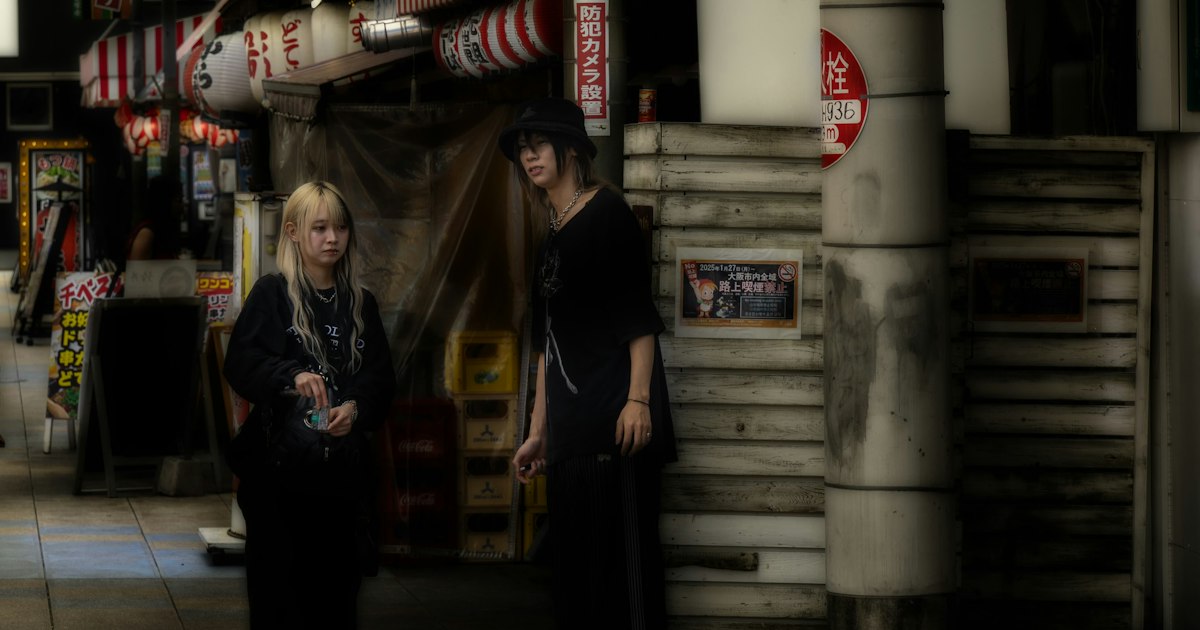
    Lolita fashion — the Victorian-doll-meets-street-style look born in 1990s Harajuku — is still very much alive, and Japan remains the only place to buy it straight from the source. Whether you’re after the pastel bows and cupcake prints of Sweet Lolita or the black lace and crosses of Gothic Lolita, this guide covers exactly where to shop, what things cost, and the mistakes that trip up most first-time buyers.

    What “Lolita Fashion” Actually Means

    Before you shop, it helps to know the substyles, since brands and shops specialize:

    • Sweet Lolita — pastel colors, fruit and sweets prints, lace. Leading brands: Angelic Pretty, Baby the Stars Shine Bright, Metamorphose temps de fille.
    • Gothic Lolita — black, burgundy, and navy, with crosses, roses, and corset-style bodices. Leading brands: Alice and the Pirates (Baby’s gothic sister line), h.NAOTO, Victorian Maiden.
    • Classic Lolita — muted colors, floral jacquards, a more “antique doll” look. Leading brand: Innocent World.

    Knowing this matters because a shop that’s great for Sweet Lolita (think Angelic Pretty’s signature strawberry prints) may carry almost nothing gothic, and vice versa.

    Harajuku: The Center of the Lolita World

    Harajuku is still ground zero. Get off at Harajuku Station (JR Yamanote Line) or Meiji-jingumae Station (Chiyoda/Fukutoshin Lines) and head toward the backstreets around Laforet Harajuku. Several core brands run their own standalone boutiques within a few blocks of each other, generally open 11:00–20:00. Store layouts are small — often a single room with racks along the walls and one changing room — so expect to queue slightly during weekends and holidays.

    While you’re in the neighborhood, it’s worth building the rest of the look: @cosme Store in Harajuku stocks the dolly-eyed makeup (circle lenses aside, think false lashes and pearl highlighters) that Lolita styling leans on, and Kiddy Land Harajuku is a five-minute walk away if you want character goods to match a sweeter wardrobe.

    Marui One Shinjuku: The One-Stop Alternative

    If you only have time for one shopping trip, go to Marui One in Shinjuku (east side of Shinjuku Station, Marui-area exit). Several floors are dedicated to Japanese subculture fashion, with in-store corners for multiple Lolita and gothic brands under one roof — useful for comparing Angelic Pretty against Alice and the Pirates without crossing the city. Hours run roughly 11:00–20:00; go on a weekday morning to avoid the worst crowds, since weekend afternoons draw serious queues at the fitting rooms.

    Secondhand and Resale: Closet Child and Mandarake

    New brand dresses (called JSKs — jumper skirts) run ¥25,000–¥45,000, and limited prints often sell out online via lottery before they ever reach a physical shelf. Secondhand is how most collectors actually build a wardrobe:

    • Closet Child — the main secondhand Lolita/gothic/visual-kei chain, with branches in Harajuku, Shinjuku, and Osaka’s Amerikamura. Stock turns over constantly; expect JSKs from ¥8,000–¥20,000 and blouses from ¥3,000–¥8,000, with rare discontinued prints priced much higher.
    • Mandarake — better known for manga and figures, but its Nakano and Osaka Nipponbashi branches carry cosplay and gothic/Lolita-adjacent clothing and accessories worth checking if you’re already there for other finds.

    For a true splurge, sold-out “grail” prints from brands like Angelic Pretty or Baby can resell for ¥50,000–¥150,000+ when a specific colorway has a cult following — treat secondhand browsing as treasure hunting, not a guaranteed bargain bin.

    Building the Rest of the Look

    Lolita outfits are assembled from more than just the dress. Budget separately for:

    • Headwear — bonnets and headdresses run ¥6,000–¥12,000 at brand shops; for a Wa-Lolita (kimono-influenced) take on the style, traditional kanzashi hairpins make an authentic and often cheaper substitute for a Western-style headdress.
    • Shoes — Mary Janes and platform boots from brand lines cost ¥8,000–¥15,000; generic platform Mary Janes from general shoe stores are a budget-friendly stand-in.
    • Petticoats and blouses — often the easiest items to buy secondhand since sizing is more forgiving than with structured bodices.

    Best Time to Shop

    Brands release new seasonal lines roughly four times a year, with Gothic-leaning “Halloween” collections typically dropping in September and October — the best window if you specifically want gothic prints, since gothic stock thins out the rest of the year in favor of sweeter releases. Japan’s two national bargain seasons, January and July, are when existing stock (including past-season Lolita pieces) gets marked down at brand shops, so plan a trip around those months if price matters more than getting the newest print.

    Common Mistakes to Avoid

    • Assuming S/M/L sizing. Japanese Lolita brands size by bust/waist measurement in centimeters (standard JSKs usually fit roughly an 82–88cm bust); always check the cm chart rather than guessing from a US/UK size.
    • Expecting walk-in stock of new releases. Hyped prints sell out through online preorder (yoyaku) lotteries before a single piece reaches the shop floor — if you want a specific new print, check the brand’s website before your trip rather than counting on finding it in-store.
    • Forgetting tax-free rules don’t apply to secondhand. New brand shops can process the consumption-tax exemption with your passport on purchases over ¥5,000 (pre-tax) in a single visit, but Closet Child and most resale shops cannot offer this.
    • Machine-washing delicate pieces. Most brand dresses have structured bodices, boning, or delicate lace that should be hand-washed or dry-cleaned — ask staff before you buy if you’re unsure of care requirements.

    Quick Budget Guide

    • Budget: secondhand blouse or accessory at Closet Child, ¥3,000–¥8,000.
    • Mid-range: a secondhand JSK in good condition from a mainstream print, ¥10,000–¥20,000.
    • Splurge: a new-season brand dress bought direct from Angelic Pretty, Baby, or Alice and the Pirates, ¥25,000–¥45,000, or a rare discontinued print at resale value well above that.

    However much you spend, give yourself a full afternoon rather than rushing — between Harajuku’s standalone boutiques and the brand corners inside Marui One, Lolita shopping in Japan rewards slow browsing far more than a quick in-and-out stop.