Japan Trove

Author: JapanTrove Editorial

  • Azabudai Hills: Inside Tokyo’s Newest Skyscraper District and Mori JP Tower

    Azabudai Hills: Inside Tokyo’s Newest Skyscraper District and Mori JP Tower

    Photo by XS Xue on Unsplash

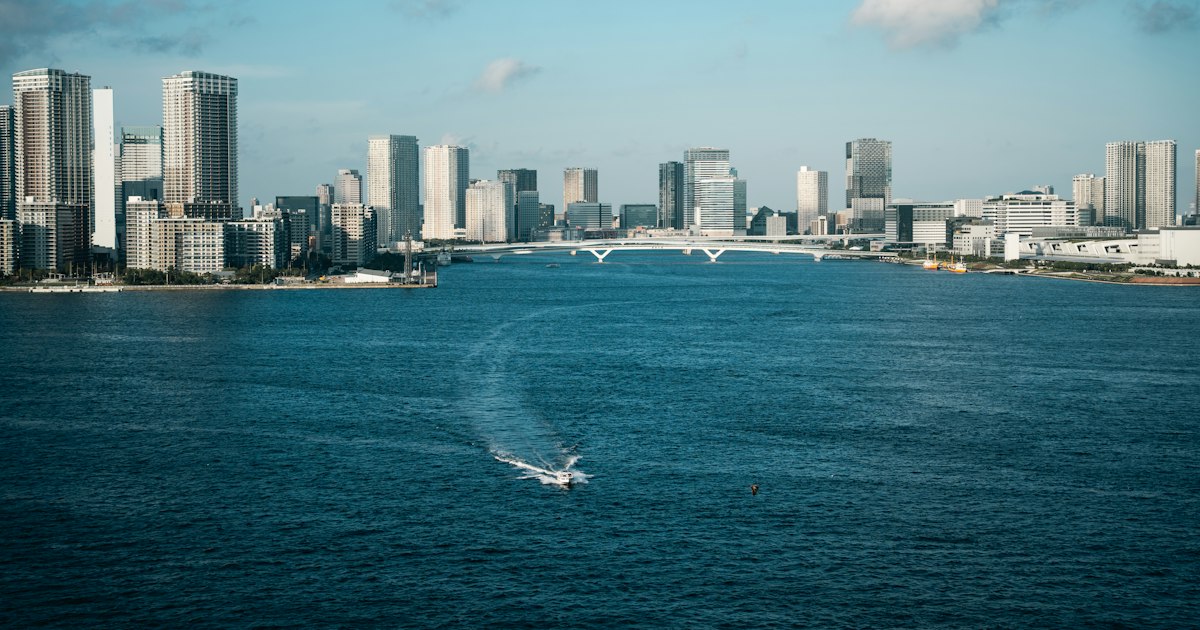
    Azabudai Hills opened its first phase in November 2023 and has quickly become one of the most photographed new corners of Tokyo — a cluster of glass towers, sloping lawns, and high-end shops built on a genuinely hilly site in Minato Ward. If you’re trying to figure out whether it’s worth the detour from Shibuya or Asakusa, whether you need to book anything in advance, and what it actually costs to spend a few hours there, here’s what to know before you go.

    What Azabudai Hills Actually Is

    Developed by Mori Building — the same company behind Roppongi Hills and Toranomon Hills — Azabudai Hills is a mixed-use “vertical garden city” sitting between Roppongi, Toranomon, and Azabu-juban. The complex is made up of three towers: Mori JP Tower (offices, a hotel, and residences), and two residential towers known as Residence A and Residence B, plus a series of low-rise “Garden Plaza” buildings that hold most of the shops, restaurants, and a relocated campus of the British School in Tokyo. The whole site is built on a slope, so you’ll be walking up and down ramps, staircases, and terraced gardens rather than across flat plazas — wear shoes you can actually walk in.

    The centerpiece for most visitors isn’t a building at all: it’s the Central Green, a large sloped lawn in the middle of the complex with unobstructed views up at Mori JP Tower on one side and across to Tokyo Tower on the other. It’s free to walk through, there’s no gate or ticket, and it’s genuinely one of the better free photo spots to open in Tokyo in years.

    Mori JP Tower: Japan’s Tallest Building

    Mori JP Tower rises roughly 330 meters over 64 floors, which made it Japan’s tallest building when it opened, overtaking Osaka’s Abeno Harukas (300 meters). One thing that trips up visitors: unlike Shibuya Sky or Roppongi Hills’ Mori Tower, there is no public observation deck here. The tower is almost entirely office space, residences, and the Janu Tokyo hotel, so you can’t buy a ticket to ride to the top for a view. If a rooftop view is the main reason you’re coming to this part of Tokyo, Tokyo Tower is a 10–15 minute walk away and remains your best bet in the immediate area.

    Janu Tokyo, Aman’s newer and slightly more relaxed sister brand, occupies several floors of the tower and opened in March 2024. It’s a legitimate splurge option if you want to stay inside the development itself, with rates that run well into six figures of yen per night — but you don’t need to be a guest to window-shop the lobby level or eat at one of its restaurants, which are open to walk-ins subject to availability.

    teamLab Borderless: Book This Before You Arrive

    The single biggest draw at Azabudai Hills for most foreign visitors is teamLab Borderless, which relocated here from Odaiba and reopened in February 2024. This is the immersive digital-art museum with the mirrored infinity rooms and projection-mapped flower fields that regularly sells out its timed entry slots, especially on weekends and during school holidays. Adult tickets run around ¥3,800–4,000 depending on the day, with discounts for students and young children, and entry is strictly timed — you book a specific slot through the official teamLab website, not at the door. Plan on 1.5–2.5 hours inside, wear flat shoes (some rooms require bare feet or provided socks), and avoid loose skirts or anything you don’t want reflected back at you a hundred times in the mirror rooms.

    Don’t assume you can walk up and buy a ticket same-day, particularly if you’re visiting on a Saturday or during Golden Week or New Year — slots for popular time windows disappear days or even weeks ahead. Check the official site for the current closure schedule before building your day around it, since teamLab occasionally closes for maintenance on weekdays.

    Shopping and Dining Across the Garden Plaza

    The Garden Plaza buildings (A, B, and C) house around 150 shops and restaurants, skewed toward international luxury and lifestyle brands rather than specifically Japanese labels — think flagship boutiques and imported design goods more than streetwear or craft shops. If you’re hoping for cult Japanese fashion instead, it’s worth detouring to a dedicated destination like the one covered in Visvim’s flagship, since Azabudai Hills’ retail mix doesn’t really cover that niche.

    For food, there’s a market-style food hall on the lower level of Garden Plaza with casual options from roughly ¥1,000–2,500 a meal, alongside sit-down restaurants in the ¥3,000–8,000 range for dinner, and a handful of higher-end spots inside the towers for special-occasion meals. It’s a reasonable spot to grab lunch between sightseeing stops, though it’s not a destination for food in its own right the way, say, a dedicated food district would be — don’t plan your whole Tokyo food itinerary around it.

    Getting There and Best Time to Visit

    The most convenient station is Kamiyacho on the Hibiya Line, which connects directly underground into the complex. Roppongi-itchome Station (Namboku Line) and Azabu-juban Station (Namboku and Toei Oedo Lines) are both about a 5–10 minute walk away, and Toranomon Station on the Ginza Line is a bit farther on foot. From Haneda Airport, figure roughly 30–40 minutes by monorail and subway, or a direct taxi for convenience; from Narita, you’re looking at closer to 90 minutes via the Skyliner or Narita Express plus a transfer.

    Spring and autumn are the most comfortable seasons to linger on the Central Green lawn, since it has very little shade and summer midday heat makes it unpleasant to sit on for long. Weekday mornings are noticeably quieter than weekend afternoons, and the towers are lit for evening photography after dark, so a late-afternoon-into-evening visit tends to give you both comfortable temperatures and good light.

    Common Mistakes to Avoid

    • Expecting a tourist observation deck. Mori JP Tower doesn’t have one — go to Tokyo Tower nearby if that’s what you want.
    • Showing up without a teamLab ticket. Book online in advance, especially for weekends.
    • Confusing it with Roppongi Hills or Toranomon Hills. All three are Mori Building projects within a short walk of each other, and taxi drivers occasionally need the specific address, Azabudai Hills, 1-chome, Minato Ward, to avoid confusion.
    • Wearing the wrong shoes. The site is built on a real slope with stairs and ramps throughout — not a flat mall floor.

    Budget, Mid-Range, and Splurge

    On a tight budget, you can spend a few free hours walking the Central Green, browsing Garden Plaza storefronts, and grabbing a food-hall snack for under ¥1,500 total. Mid-range visitors should budget around ¥4,000–5,000 per person for a teamLab Borderless ticket plus a casual lunch. For a splurge, pair dinner at one of the tower restaurants with a drink at Janu Tokyo’s lobby bar, or extend the day with a nearby stop — if you’re already building out a longer Tokyo itinerary with offbeat day trips, Sarushima’s uninhabited island is a very different, low-key contrast to spend a second day on.

    Azabudai Hills is still settling in as a neighborhood — some shops and restaurants are still opening their doors well over a year after launch — but between the Central Green views, teamLab Borderless, and the sheer novelty of standing at the base of Japan’s tallest building, it earns a half-day on a Tokyo itinerary, particularly if you can pair it with a walk to Tokyo Tower or Roppongi afterward.
  • Shiraito Falls: The Curtain Waterfall Near Mount Fuji Few Tourists Visit

    Shiraito Falls: The Curtain Waterfall Near Mount Fuji Few Tourists Visit

    Photo by Sorasak on Unsplash

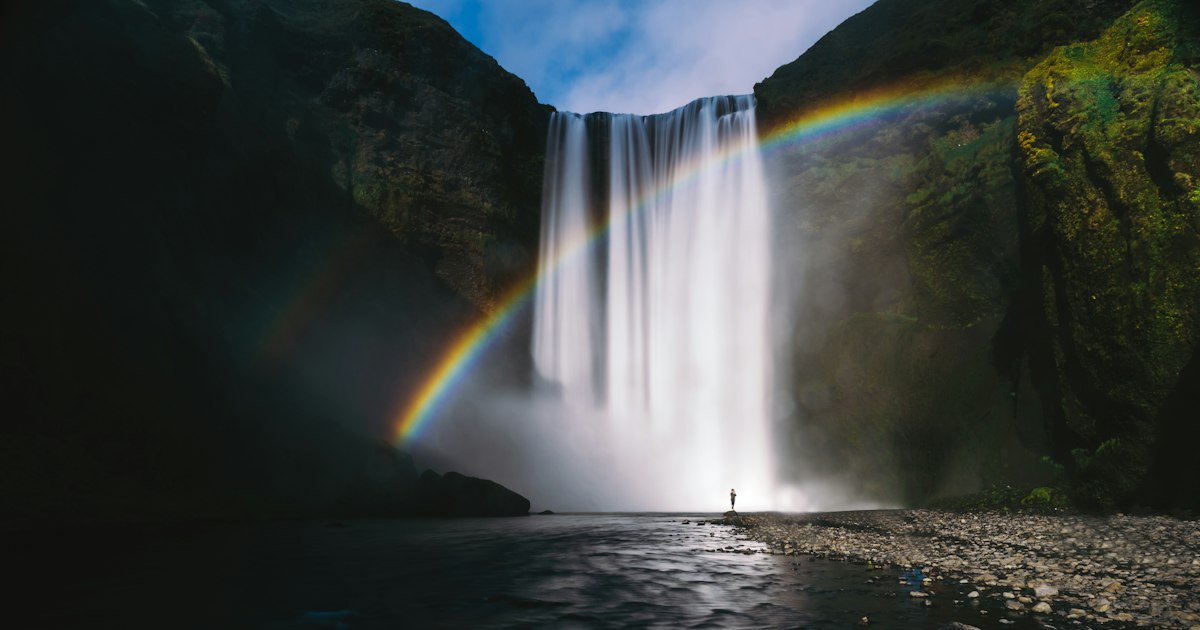
    Most visitors to the Mount Fuji area spend their day shuttling between the fifth station parking lot and a lake viewpoint, cameras aimed at the same postcard silhouette. A 20-minute drive away, a 150-meter-wide curtain of water pours out of a volcanic cliff face into a jade-colored pool, and most of those same visitors never hear about it. Shiraito Falls (白糸の滝) is free to enter, officially recognized as part of Mount Fuji’s UNESCO World Heritage listing, and on a weekday morning you can often have long stretches of the viewing platform to yourself. Here’s what you actually need to know before you go.

    What Makes Shiraito Falls Different from Every Other Waterfall in Japan

    Most waterfalls are a single river dropping over a ledge. Shiraito isn’t — it’s hundreds of thin threads of water seeping out of a 20-meter-high, 150-meter-wide cliff of porous volcanic rock, which is why its name translates to “white threads.” The water isn’t runoff from a rainstorm; it’s rain and snowmelt that fell on Mount Fuji’s slopes years earlier and has been slowly filtering down through layers of lava rock before emerging here, filtered and ice-cold, as groundwater. A small stream (the Shibakawa) also spills over the top of the same cliff, so you get both a classic drop and the curtain effect side by side.

    This hydrology is exactly why the falls were designated a component site of the “Fujisan” UNESCO World Heritage Site in 2013, alongside shrines and other spots tied to Mount Fuji’s role as a sacred, water-giving mountain. Shiraito is also widely counted among Japan’s official top 100 waterfalls. There’s no admission fee and no closing gate — it’s an open park area, so you can visit at any hour, though the souvenir shops and food stalls near the entrance generally run from roughly 9:00 am to 5:00 pm.

    Getting There: Train, Bus, and Driving Routes

    From Tokyo, the fastest route is the Tokaido Shinkansen to Shin-Fuji Station (about 1 hour on the Hikari). From there, take a Fujikyu City Bus bound for Shiraito no Taki / Asagiri Kogen; the ride takes roughly 50 minutes and costs in the ballpark of ¥1,000–1,200 one way. If you’re coming by local train, JR Fujinomiya Station (reached via Fuji Station on the JR Tokaido Line, then the Minobu Line) is closer — the bus from there takes about 25–30 minutes and costs roughly ¥500–700.

    Buses to Shiraito Falls run only every hour or two depending on the season, so check the timetable before you set out rather than assuming you can hop on whenever you arrive at the station. If you’re driving, it’s about 20–25 minutes from the Fujinomiya interchange via Route 139, and there are several paid parking lots right by the entrance, typically around ¥500 per car for the day. A rental car is genuinely the easiest way to combine this stop with other spots on the Asagiri Kogen plateau, including the approach roads toward Mount Fuji’s climbing trails — if a Fuji summit attempt is part of your trip, it’s worth reading our guide to booking a mountain hut on the Yoshida Trail while you’re planning logistics for this side of the mountain.

    From the bus stop or parking lot, it’s a short walk — about 5 to 10 minutes — down a street lined with shops and then down a set of stone stairs into the gorge to reach the main viewing platform at river level.

    Otodome Falls: The Taller Waterfall Right Next Door

    Almost everyone who visits Shiraito skips the waterfall that’s a five-minute walk away. Otodome Falls (音止の滝) drops from a single ledge about 26 meters high — taller than Shiraito’s main drop — in a narrow, powerful column rather than a wide curtain. It shares the same free entry and the same path network, so there’s no reason to see one and not the other; the viewing platform for Otodome gets a fraction of the foot traffic that Shiraito does, which makes it a good spot to linger if you want a quieter moment.

    Best Time to Visit: Season, Timing, and Crowds

    Because the water is groundwater rather than direct rainfall runoff, Shiraito’s flow stays fairly consistent year-round — you won’t find it reduced to a trickle in a dry spell the way a river-fed waterfall might be. That said, the visual experience changes a lot with the seasons. Late April through June brings fresh green foliage on the surrounding cliffs; November brings autumn color. Winter cold snaps sometimes form icicles along the edges of the falls, which is a striking and much less commonly photographed version of the spot.

    For the fewest people, arrive right when the shops open, around 9:00 am, especially on weekdays. Tour buses and the Asagiri Kogen sightseeing crowd tend to build from late morning through early afternoon, and weekends and national holidays are noticeably busier than weekdays. The whole visit — both waterfalls and the walk between them — takes about 45 minutes to an hour if you’re not lingering, so it’s an easy half-day add-on rather than a full day trip on its own.

    What to Eat and Buy Nearby

    The shopping street leading down to the falls is small but worth a stop. Asagiri Kogen is dairy country, and several stands sell soft-serve ice cream made with local milk for around ¥400–500. Grilled rainbow trout (nijimasu) on a skewer, sold by small vendors near the entrance, is a regional specialty worth trying if you haven’t had it elsewhere. The other local dish to look for is Fujinomiya yakisoba — a regionally certified version of fried noodles made with a firmer noodle and pork back fat, typically ¥500–700 a plate at the shops here. It’s a budget-friendly, filling stop before or after the walk down to the water.

    Combining Shiraito Falls with a Mount Fuji Day Trip

    Shiraito Falls sits on the Asagiri Kogen plateau on Mount Fuji’s southwestern flank, which makes it a natural stop if you’re driving the loop roads toward the Fujinomiya Fifth Station or exploring the Fuji Five Lakes area by car. If you’re building a longer itinerary around off-the-beaten-path nature spots rather than the standard Fuji photo stops, it pairs well conceptually with other quiet, low-crowd day trips — if that’s the kind of outing you enjoy, our guide to Sarushima, Tokyo Bay’s uninhabited island, covers a similarly overlooked destination on the other side of the region.

    Common Mistakes to Avoid

    • Stopping at the top instead of walking down. The best view is from the river-level platform at the bottom of the stone stairs, not from the street above. Skipping the stairs means missing the actual curtain effect.
    • Wearing slippery footwear. The stairs and platform area get wet with spray and can be slick, especially after rain.
    • Skipping Otodome Falls. It’s free, five minutes away, and most tour groups never walk over to it — don’t make the same mistake.
    • Not checking the bus schedule in advance. Buses from Shin-Fuji or Fujinomiya stations run infrequently, and missing one can mean a long wait with few alternatives besides a taxi.
    • Treating it as a full-day destination. Budget 45 minutes to an hour here and build the rest of your day around it rather than the other way around.
  • Hakkeijima Sea Paradise: Yokohama’s Aquarium-and-Theme-Park Combo

    Thirty minutes from Yokohama Station, a small artificial island in Kanazawa Ward packs in four aquarium buildings, a seaside roller coaster, a drop tower, and a Ferris wheel that looks out over Tokyo Bay. Hakkeijima Sea Paradise is one of the few places in Japan where you can watch dolphins through glass in the morning and ride a coaster that skims the waterline by afternoon, all on a single ticket. It’s a popular weekend trip for Yokohama and Tokyo families, but it’s easy to visit badly — arriving without a plan for the ticket tiers, the show schedule, or the long walk back to the train means losing an hour you didn’t need to lose. Here’s how to do it properly.

    What You’ll Find on Hakkeijima Island

    Hakkeijima is a man-made island connected to the Yokohama mainland by a short bridge, and the whole complex is split into two halves that share the same grounds: the aquarium side and the ride side. The aquarium side has four separate facilities under one roof-and-walkway system — Aqua Museum, Fureai Lagoon, Dolphin Fantasy, and Umi Farm — and the ride side is a compact amusement park built around a roller coaster that runs partly over open water. Unlike Tokyo Disneyland or Fuji-Q Highland, you can realistically see most of it in a single day without rope-dropping at opening, which makes it a good fit for travelers who want one solid day trip rather than a multi-day park commitment.

    Getting There from Tokyo and Yokohama

    The easiest route is by train the whole way. From Yokohama Station, take the JR Negishi Line or the Keikyu Main Line to Shin-Sugita Station, then transfer to the Yokohama Seaside Line — a driverless, elevated commuter train — and ride it to Hakkeijima Station, which drops you almost at the park’s front gate. The whole trip from Yokohama Station runs around 30–40 minutes depending on your connection, and from central Tokyo you should budget roughly 1 to 1.5 hours door to door.

    There’s a second option worth knowing about if you’re traveling on a budget: take the Keikyu Main Line to Kanazawa-Hakkei Station instead, then walk about 15–17 minutes along the Umi-no-Koen seaside promenade to reach the park. It skips the Seaside Line fare entirely and the walk itself is pleasant on a clear day, with views over the bay. It’s a poor choice in heavy rain or if you’re hauling luggage, since there’s no shelter for most of the route.

    Driving is also possible — the park has its own parking structure — but weekend traffic on the approach roads and the parking fee (charged separately from admission) usually make the train the more relaxed choice unless you’re coming from somewhere with no rail connection nearby.

    The Four Aquariums, One Ticket

    Aqua Museum is the headline building: a multi-floor aquarium you descend through via escalators and ramps that cut past a large open-water tank, with hundreds of species on display, from tuna and sharks down to jellyfish and smaller reef fish. Fureai Lagoon is the hands-on counterpart — touch pools and close-range enclosures where you can get near sea lions, otters, and seabirds. Dolphin Fantasy centers on a stadium tank with scheduled dolphin and sea lion shows and underwater viewing windows. Umi Farm leans into its name, focusing on aquaculture and fish-farming displays, with touch pools for rays and smaller sharks — and a restaurant on-site where some of the fish raised there end up on the menu, which is a fun novelty if you’re curious about where your dinner came from.

    Show times at Dolphin Fantasy are limited to a few slots a day and get crowded fast, so check the schedule board near the entrance as soon as you arrive and plan your aquarium order around it rather than wandering in randomly and missing the one you wanted.

    The Rides: Leviathan, Blue Fall, and the Rest of Pleasure Land

    The signature ride is Surf Coaster Leviathan, a wooden-steel hybrid coaster that’s unusual for running directly alongside — and over — the water, which gives it sea views most coasters can’t match. Blue Fall is the park’s drop tower, a straight vertical fall over open water that’s considerably more intense than the coaster if heights unsettle you. Beyond those two anchors, Pleasure Land has a Ferris wheel with bay views, a pedal-powered Sky Cycle on elevated rails, and a handful of gentler family rides, so it works for mixed groups with small kids as well as thrill-seekers.

    Lines for Leviathan and Blue Fall build quickly after midday on weekends and during school holidays. If riding is your priority, go to the ride side first thing and save the aquariums, which stay comfortable to walk through even when busy, for the afternoon.

    Tickets and Budgeting Your Day

    Hakkeijima sells a tiered ticket system rather than one flat gate price, and it’s worth understanding before you arrive. The main option most visitors want is the One Day Pass, which bundles entry to all four aquariums with unlimited rides — this runs roughly ¥5,000–6,000 for adults, with reduced pricing for children, seniors, and sometimes an evening discount pass sold after mid-afternoon. If you only want the aquariums and have no interest in rides, there’s a cheaper aquarium-only pass at roughly half that price. Individual ride tickets and coupon books also exist if you’re splitting up a family where only some members want to ride.

    Because Sea Paradise revises its pricing periodically, treat the figures above as a planning range rather than the exact number you’ll pay at the counter — confirm current pricing on the official site before you go, and decide in advance whether rides matter to your group, since that single choice determines which pass makes sense. On a budget, skip the rides and do the aquarium-only pass with a packed lunch eaten at the free seating areas rather than the park restaurants. Mid-range visitors get the most value from the full One Day Pass used start to finish. For a splurge, Umi Farm’s restaurant and a slower, two-show Dolphin Fantasy visit turn the day into something closer to a leisurely outing than a checklist.

    Best Season and Time of Day to Go

    Weekday mornings outside school holidays are the quietest window by a wide margin — arrive near opening and you can clear Leviathan and Blue Fall with minimal waiting before the aquariums fill in. Spring (April–May) and autumn offer the most comfortable weather for the outdoor rides and the seaside walk from Kanazawa-Hakkei Station; if you’re already timing a Kanto trip around flowering season, this pairs naturally with a spring day trip like wisteria viewing at Ashikaga or Kawachi Fuji Garden earlier in the week. Summer brings longer operating hours and evening illuminations but also the heaviest crowds and the most humid outdoor-ride lines; it’s also peak season for sunflower-field day trips elsewhere in the region if you’re building a multi-stop itinerary. Winter weekdays are the single best value: shorter lines, cooler indoor aquarium time, and sometimes seasonal lighting events after dark. Opening is generally mid-morning and closing time swings widely by season, from as early as 5pm on winter weekdays to as late as 8–9pm in summer, so check the specific month’s hours on the official site rather than assuming a fixed schedule.

    Common Mistakes to Avoid

    The most common misstep is buying the full ride-inclusive pass for a group where half the people have no interest in coasters — check everyone’s appetite for Leviathan and Blue Fall before paying for unlimited rides nobody uses. The second is skipping the Dolphin Fantasy schedule board, which leads to arriving at the stadium right as a show ends and waiting an hour for the next one. The third is choosing the free seaside walk from Kanazawa-Hakkei Station in bad weather — it’s genuinely pleasant on a clear day and genuinely miserable in rain or midsummer heat with no shade. And the fourth is treating this as a half-day stop: between the four aquariums and the ride side, most visitors need a full day to see it properly, so don’t schedule a tight dinner reservation elsewhere in Yokohama right after.

    If you want to extend the Yokohama Bay theme afterward, the harbor area has good seafood dining worth seeking out — chirashizushi is a natural, lighter way to close out a day spent looking at fish rather than eating them. And if Hakkeijima leaves you wanting more of Yokohama’s coastal day-trip options, the uninhabited island of Sarushima, off nearby Yokosuka, is a very different but equally easy add-on for a second day in the area.

  • Takarakuji: Japan’s Year-End Lottery and the Ginza Booth Everyone Lines Up At

    Takarakuji: Japan’s Year-End Lottery and the Ginza Booth Everyone Lines Up At

    Photo by Timo Volz on Unsplash

    Every December, a line forms on a Ginza sidewalk that has nothing to do with sushi, flagship boutiques, or seasonal illuminations. People stand for hours, sometimes overnight in sleeping bags, to buy a 300-yen piece of paper at a single lottery booth. That’s takarakuji, Japan’s government-run lottery, and the booth is the Nishi-Ginza Chance Center — reputedly the luckiest ticket window in the country. If you’re in Tokyo between mid-November and New Year’s Eve, it’s a genuinely fun, low-cost cultural experience, and this guide covers exactly how to buy a ticket, what the odds and prizes look like, and how not to waste your trip standing in the wrong line.

    What Is Takarakuji, and Can Tourists Buy One?

    Takarakuji (宝くじ) is Japan’s legal, government-authorized lottery system, sold through local governments and administered through Mizuho Bank. Tickets are anonymous bearer instruments — you don’t need a My Number card, residency status, or even a passport to buy one. You just need cash. That makes it one of the few forms of legal wagering in Japan that’s genuinely open to any visitor off the street, alongside things like public bicycle and boat racing; if you’re curious about Japan’s other legal betting options, our guide to keirin and kyotei racing covers the two main alternatives.

    Because the ticket itself is the only proof of ownership — there’s no registration tied to your name — losing it means losing any prize attached to it, with no way to recover it. Photograph both sides of your ticket and keep the original somewhere safe.

    The Year-End Jumbo: Japan’s Biggest Draw of the Year

    Takarakuji runs several “Jumbo” lotteries a year, but the Year-End Jumbo (年末ジャンボ, Toshi Jumbo) is the biggest by far, roughly equivalent to a Christmas/New Year’s lottery special. Tickets typically go on sale in mid-to-late November and are sold right up through December 31, with the drawing broadcast that same evening. In recent years the top prize has run around ¥700 million, with an additional “front/back number” bonus prize of around ¥150 million awarded to tickets numbered just before or after the winning number — meaning a single winning set can pay out close to ¥1 billion combined. Below that sit several more tiers down to smaller cash prizes, so plenty of tickets pay out something even if you’re not chasing the jackpot.

    Why Everyone Lines Up at the Nishi-Ginza Chance Center

    Lottery booths exist at major stations and shopping streets all over Japan, but one has built an outsized reputation: the Nishi-Ginza Chance Center (西銀座チャンスセンター), a freestanding kiosk near the Sukiyabashi crossing in Ginza. Over the decades it’s reportedly sold more billion-yen winning tickets than any other single location in Japan, and that track record has turned it into a folk-superstition pilgrimage site — especially its Window No. 1, which many regulars specifically queue for, believing it to be the luckiest of the booth’s several ticket windows.

    To be clear: every takarakuji ticket nationwide is drawn from the same pool with the same odds, no matter where you buy it. The Ginza booth isn’t statistically luckier — it’s culturally lucky, the way a specific shrine or a specific seat at a stadium becomes “the” place people believe in. That doesn’t make the experience less fun; it just means you shouldn’t expect better math, only a better story.

    How to Buy: Ticket Types, Prices, and Smart Choices

    Standard Jumbo tickets cost ¥300 each. Rather than buying loose singles, most people buy a “set” of 10 tickets for ¥3,000, and here’s where a real decision matters:

    • Budget: a single ticket (¥300) — fine if you just want a souvenir-style shot at the jackpot with minimal spend.
    • Mid-range: a 10-ticket set, either 連番 (renban, consecutive numbers) or バラ (bara, scattered numbers) for ¥3,000 — renban gives you a shot at the full front/back bonus prize if your set wins (since the numbers run consecutively around the winner), while bara spreads your numbers out, improving your odds of catching at least one smaller prize somewhere in the draw. Tell the clerk “renban” or “bara” and how many sets you want.
    • Splurge: multiple sets (10 sets = ¥30,000 and up) — serious regulars buy several renban sets specifically to maximize the chance of landing the bonus prize tier, though the expected return doesn’t scale any better than smaller purchases — it’s a bigger bet, not a smarter one.

    Getting There and Timing Your Visit

    The Nishi-Ginza Chance Center sits right at the Sukiyabashi intersection in Ginza, about a 2-3 minute walk from Ginza Station (Exit C2, served by the Ginza, Marunouchi, and Hibiya subway lines) or from Yurakucho Station’s Ginza exit. Opening hours shift through the season and tend to be shorter on weekends and right around the final sales deadline — check the hours posted on the booth itself or on Mizuho Bank’s official takarakuji site before you go, since showing up at the wrong hour is the single most common disappointment people report.

    The queue builds steadily as December 31 approaches, with the worst waits — sometimes several hours — on the final weekend before the deadline. If you want the experience without the multi-hour wait, go on a weekday morning in late November or early December, shortly after sales open for the day. While you wait (or after), Ginza itself rewards a wander, and the Maruzen flagship in nearby Nihonbashi — about a 20-minute walk or one subway stop away — is a good spot to browse English-language books if you need something to pass the time; see our guide to where to buy English-language books in Japan for other options around Tokyo.

    Common Mistakes to Avoid

    • Assuming you need ID or residency to buy. You don’t — it’s cash, no questions asked.
    • Losing or damaging the ticket. There’s no backup record of ownership. Treat it like cash, not a receipt.
    • Missing the claim deadline. Winning tickets must be redeemed within one year of the draw date, or the prize is forfeited entirely — no exceptions, no extensions.
    • Showing up on a day the booth is closed or on reduced hours. Lottery booths don’t run identical hours year-round, and the final sales day often has a hard cutoff time, sometimes mid-afternoon rather than evening.
    • Expecting the Ginza booth to have better odds. It doesn’t — the appeal is history and atmosphere, not mathematics.

    If You Win: Claiming and Tax Rules

    Smaller prizes can usually be cashed at the lottery booth where you bought the ticket or at a bank counter; larger prizes need to be claimed in person at a Mizuho Bank branch, where you’ll be asked to show photo ID (a passport works) to verify you’re the person presenting the ticket — not to prove nationality or residency, just to confirm identity for the payout record. One genuinely useful fact for visitors: lottery winnings in Japan are completely tax-free, unlike in many other countries, so whatever the ticket pays out is exactly what you take home, no income tax or withholding involved.

    Realistically, you’re not going to from Ginza with ¥700 million. But for the price of a coffee, standing in that line is a small, memorable slice of Tokyo street life — and if your numbers do come up, you’ll have one of the better travel stories anyone’s told you in years.

  • Chirashizushi: Japan’s Scattered Sushi Rice Bowl and Where to Try It

    Order “chirashizushi” at a sushi counter and you’ll get a bowl of vinegared rice scattered with a colorful assortment of raw fish, cooked shrimp, thin egg ribbons, and pickled vegetables — no rolling, no pressing, just an edible mosaic you eat with chopsticks straight from the bowl. It’s one of the most approachable ways for a visitor to try good sushi without committing to an omakase course, and it’s also one of the most misunderstood, since menus and guidebooks often blur it together with similar-looking rice bowls. Here’s what it actually is, where it’s done well, and how to order it without an awkward surprise.

    What Chirashizushi Actually Is

    “Chirashi” (散らし) means “scattered,” and that’s the whole concept: sushi rice seasoned with rice vinegar, sugar, and salt, topped with whatever a cook wants to scatter across it — tuna, salmon, sea bream, shrimp, roe, cucumber, shiitake mushroom, and almost always a layer of kinshi tamago (shredded thin egg omelet). Because the rice is seasoned sushi rice, chirashizushi is technically a sushi dish, not a rice-bowl dish.

    This is the point of confusion for most tourists: chirashizushi is frequently mixed up with kaisendon (海鮮丼), which looks almost identical — raw fish piled on rice — but uses plain steamed rice with no vinegar seasoning. Menus in English sometimes translate both as “sushi rice bowl,” so if the dish matters to you, look for the kanji 散らし寿司 (chirashizushi) versus 海鮮丼 (kaisendon), or just ask “sumesu desu ka?” (is the rice vinegared?).

    Edo-Style vs. Kansai-Style: Two Very Different Bowls

    There are two distinct regional traditions, and knowing which one you’re being served changes your expectations:

    • Edo-style (Tokyo/Kanto): The classic “scattered” version — plain sushi rice on the bottom, with raw fish and toppings arranged neatly on top, more like deconstructed nigiri. This is what most sushi restaurants and department store food halls sell.
    • Kansai-style (Osaka/Kyoto), often called gomokuzushi: Ingredients — usually cooked items like simmered shiitake, lotus root, carrot, and fish flakes — are mixed directly into the rice rather than placed on top, then finished with a garnish layer. It’s closer to a seasoned rice salad and contains little to no raw fish, which makes it a good option if you’re traveling with kids or anyone wary of raw seafood.

    Both are correct; they’re just different dishes wearing the same name. If a restaurant’s version isn’t what you expected, it’s regional style, not a mistake.

    Where to Try It

    Tsukiji Outer Market, Tokyo — Dozens of sushi counters and seafood stalls around Tsukiji Jogai sell chirashizushi bowls, typically from around 7:00am until stalls sell out in the early afternoon. Most shops close by 2pm and many are shut on Sundays and some Wednesdays, so go in the morning. Note that the old wholesale fish market itself relocated to Toyosu in 2018 — the auctions and most famous sushi-counter institutions moved there, while the outer market strip of shops and eateries stayed in Tsukiji. Both are worth knowing about separately.

    Omicho Market, Kanazawa — On the Sea of Japan side, Kanazawa gets a different seafood lineup than Tokyo, including excellent winter crab, yellowtail (buri), and sweet shrimp (shiroebi). Several stalls and small restaurants inside and around the market serve chirashizushi bowls built around whatever’s in season that week.

    Kuromon Ichiba Market, Osaka — A tourist-friendly covered market with sushi counters and standing food stalls selling individual chirashizushi portions you can eat on the spot. If you’re arriving from Kansai Airport, deciding between the Nankai Rapi:t and JR Haruka is the first logistics question, and once you’re based in the Kansai area, the Hankyu, Hanshin, and Kintetsu private lines are often faster and cheaper than JR for hopping between Osaka, Kyoto, and Nara day trips.

    Department store basements (depachika) — Every major department store — Mitsukoshi, Isetan, Takashimaya, Daimaru — has a basement food hall with a prepared-foods section selling boxed chirashizushi to go. This is the easiest option if you want a high-quality meal for a hotel room or a train (shinkansen bento included), and it’s a good way to compare regional styles side by side since several vendors are often represented in one hall.

    Budget, Mid-Range, and Splurge Options

    • Budget (¥500–900): Convenience stores (7-Eleven, Lawson, FamilyMart) and supermarkets sell packaged chirashizushi boxes, usually with cooked or cured toppings rather than pristine raw fish. Fine for a quick, legitimately tasty meal, but don’t expect restaurant-grade fish.
    • Mid-range (¥1,200–3,000): Depachika boxed sets and sit-down sushi restaurant lunch sets fall here. Many sushi restaurants offer a chirashizushi lunch set at a noticeable discount compared to ordering the same fish as individual nigiri, making it one of the better-value lunches in a sushi restaurant.
    • Splurge (¥3,500–10,000+): High-end sushi restaurants and the counter shops that relocated to Toyosu Market build chirashizushi around premium seasonal items — otoro, uni, ikura, live scallop — priced closer to an omakase experience. Worth it once, especially if you want the sushi-counter experience without committing to a multi-hour omakase booking.

    Best Time to Eat It

    Chirashizushi doesn’t have one strict season, but there’s a strong cultural moment for it: Hinamatsuri, the Girls’ Day festival on March 3rd, when families across Japan traditionally eat chirashizushi alongside clam soup (hamaguri no osuimono). Around late February and early March, department stores and supermarkets roll out elaborate, colorful Hinamatsuri chirashizushi sets, often decorated to look festive — a good window to try a special-occasion version even as a visitor. Outside of that, it’s served year-round, with the fish selection simply shifting with the season — think fattier tuna and crab in winter, bonito and sea bream in spring, and lighter white fish in summer when the dish is often served extra cold.

    Common Mistakes to Avoid

    • Confusing it with kaisendon. If the rice isn’t vinegared, it’s not technically chirashizushi — not wrong to order, just a different flavor profile (milder, less tangy).
    • Drowning the whole bowl in soy sauce. Pour a small amount into the side dish provided (if given one) and dip individual pieces, or drizzle lightly — soaking the rice makes it soggy and overpoweringly salty.
    • Assuming all versions contain raw fish. Kansai-style gomokuzushi and most convenience store versions are often fully cooked — ask if you specifically want (or want to avoid) raw seafood.
    • Showing up to market stalls in the afternoon. Market-area sushi shops are built around morning freshness and frequently close by early-to-mid afternoon, with many shut entirely on Sundays — go before noon for the best selection.
    • Skipping it because it “looks like just a rice bowl.” It’s an easy, often cheaper way to taste a wide range of a restaurant’s fish in one sitting, which makes it a smart choice on a first sushi outing in Japan.
  • Where to Buy English-Language Books in Japan: Maruzen, Kinokuniya and Good Day Books

    Where to Buy English-Language Books in Japan: Maruzen, Kinokuniya and Good Day Books

    Photo by amandazi photography on Unsplash

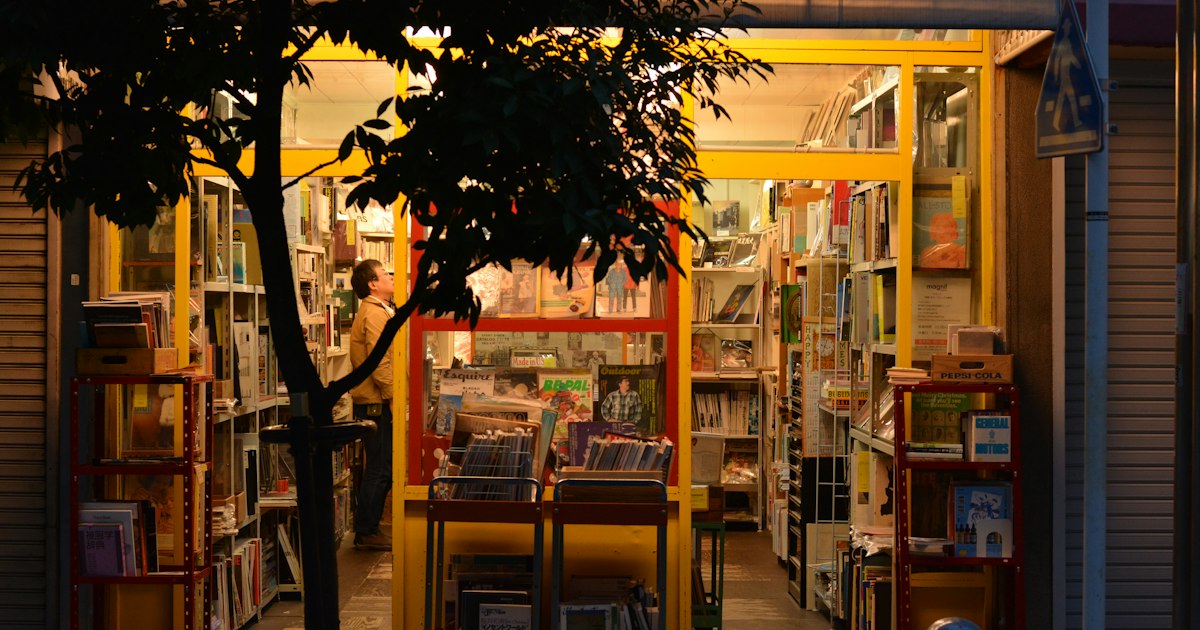
    Running out of reading material halfway through a three-week trip is a common problem in Japan, and so is simply wanting a souvenir that isn’t another box of snacks. The good news is that Japan has a long, well-organized tradition of importing and selling English-language books — you just need to know which chain to walk into. This guide covers the three names every long-term expat and frequent visitor eventually learns: Kinokuniya, Maruzen, and Good Day Books, plus what to actually expect to pay.

    Why This Takes Planning in Japan

    Unlike a trip to the US, UK, or Australia, you won’t find English paperbacks at convenience stores or in every neighborhood bookshop. Foreign-language books are concentrated in a handful of large stores in major cities, almost all of them in Tokyo and Osaka, with smaller outposts in Kyoto, Nagoya, and Fukuoka. Import costs also mean prices run noticeably higher than list price in your home country — a mass-market paperback that’s $9.99 in the US often sells for ¥1,700–¥2,400 new in Japan. Knowing this in advance helps you decide whether to buy before you fly, pack a Kindle, or budget for the premium of a physical Japanese-bought book.

    Kinokuniya: The Easiest One-Stop Option

    Kinokuniya is Japan’s largest bookstore chain, and its flagship branches dedicate entire floors to foreign-language books — overwhelmingly English, with smaller French, German, and Chinese sections. The Tokyo flagship inside Takashimaya Times Square in Shinjuku has one of the country’s best English selections: current bestsellers, a deep backlist of literary fiction, a strong travel and business section, and a genuinely good children’s and YA corner. In Osaka, the Umeda main store (near Hankyu Umeda Station) is the Kansai equivalent in scale.

    Hours at the big flagship stores typically run around 10:00–21:00 daily, though it’s worth double-checking the specific branch’s hours before a special trip since individual floors sometimes close earlier. New paperback fiction runs roughly ¥1,500–¥2,500, hardcovers and non-fiction ¥3,000–¥5,500, and imported art or photography books can run well past ¥8,000 — that’s the “splurge” end of the English-book market in Japan. If you’re heading to the Umeda store from Kansai Airport, it’s worth reading up on Hankyu, Hanshin & Kintetsu: The Kansai Private Railways Tourists Overlook first, since Kinokuniya Umeda sits right above Hankyu’s home station and the private-rail route is often faster and cheaper than JR.

    Maruzen: Japan’s Oldest Foreign Bookseller

    Maruzen has been importing Western books since 1869, making it the historical root of English-language bookselling in Japan, and it still shows in the collection’s character — strong academic, scientific, art, and reference sections alongside general fiction. The Nihonbashi flagship in Tokyo (merged in recent years with Junkudo, operating as Maruzen & Junkudo) is the standout branch, spanning several floors with one of the city’s largest foreign-book departments and useful adjoining stationery and art-supply floors if you’re also hunting for Japanese notebooks or brush pens as gifts.

    Maruzen also has a well-known Kyoto branch inside the Kyoto BAL building near Kawaramachi, convenient if you’re killing time between temples and worth combining with a Hankyu or Keihan ride through the same area covered in the Kansai private-rail guide above. Expect similar pricing to Kinokuniya — new books aren’t noticeably cheaper at one chain versus the other — but Maruzen is the better bet specifically for university-level textbooks, research titles, and oversized art books that Kinokuniya may not stock in as much depth. Most branches open around 9:30 or 10:00 and close by 20:30–21:00.

    Good Day Books: Secondhand and Budget-Friendly

    If new-book prices make you wince, Good Day Books is Tokyo’s go-to secondhand English bookstore, built around a buy-sell-trade model aimed at the city’s long-term expat community rather than tourists passing through — which is exactly why it’s useful for budget travelers. Used paperbacks commonly sell for ¥400–¥900, a fraction of what the same title costs new at Kinokuniya or Maruzen, and the inventory skews toward the kind of fiction expats actually finish and pass along: mysteries, literary fiction, a surprising amount of nonfiction, and a rotating stock of graphic novels.

    Because it’s a small independent shop rather than a chain, its address and hours have shifted over the years as leases change — confirm the current location and opening hours online before making a special trip, since showing up to a shuttered storefront is the single most common complaint about secondhand bookshops in Tokyo. If you’ve got books you’re finished with, ask about their trade-in policy before you leave Japan; it’s a good way to offset the cost of whatever you buy.

    Budget, Mid-Range, and Splurge at a Glance

    • Budget: Good Day Books secondhand paperbacks, roughly ¥400–¥900 each.
    • Mid-range: New paperback fiction at Kinokuniya or Maruzen, roughly ¥1,500–¥2,500.
    • Splurge: Imported hardcovers, art books, and academic references at Maruzen Nihonbashi, often ¥4,000–¥8,000+.

    Common Mistakes to Avoid

    The biggest mistake is assuming any bookstore you pass will have an English section — most won’t, and wandering into a random neighborhood shop looking for one wastes time better spent heading straight to a known flagship branch. The second is underestimating how much floor space these stores cover; the foreign-language section is often on an upper floor, not near the entrance, so check the floor guide (usually posted in English at major branches) rather than browsing blind. Third, don’t assume prices are negotiable or that stock is unlimited on popular new releases — bestsellers can sell out of their small import run and not get restocked for weeks. Finally, if you’re combining a bookstore visit with sightseeing in Kyoto or Osaka, build in buffer time: browsing a well-stocked foreign-book floor at Maruzen or Kinokuniya easily eats an hour, longer if you’re also stationery shopping.

    Best Time to Go

    There’s no strong seasonal pattern to English-book shopping in Japan, but weekday mornings right after opening are noticeably quieter than weekend afternoons at the Shinjuku and Umeda flagships, both of which double as general meeting spots and get crowded by early afternoon. If you’re flying into Kansai specifically to hit Maruzen Kyoto or Kinokuniya Umeda, pairing the trip with transport research like Nankai Rapi:t vs JR Haruka: Which Train from Kansai Airport to Osaka and Kyoto will save you more time than any single shopping tip in this guide.

  • Nankai Rapi:t vs JR Haruka: Which Train from Kansai Airport to Osaka and Kyoto

    Nankai Rapi:t vs JR Haruka: Which Train from Kansai Airport to Osaka and Kyoto

    Photo by James Lo on Unsplash

    Landing at Kansai International Airport (KIX) and seeing two sleek, futuristic-looking limited express trains both claiming to whisk you into the city can be confusing. The Nankai Rapi:t and the JR Haruka are Kansai’s two signature airport trains, but they go to different places, cost different amounts, and suit different trips. Picking the wrong one doesn’t ruin your day, but it can mean an extra transfer with luggage, a longer ride, or paying for speed you didn’t need. Here’s how to choose correctly the first time.

    The Short Answer

    If your first stop is Kyoto, or you’re staying near Shin-Osaka or Osaka Station (the Umeda/Kita side of the city), take the JR Haruka. If you’re staying in Namba, Shinsaibashi, Dotonbori, or Tennoji (the Minami/southern side of Osaka), take the Nankai Rapi:t. The two trains use the same airport but run on completely different rail networks — JR West versus Nankai Electric Railway — so there’s no “transfer between them” shortcut once you’re aboard.

    JR Haruka: Best for Kyoto and Shin-Osaka

    The Haruka is a JR West limited express that runs directly from Kansai Airport Station to Tennoji, Shin-Osaka, and terminates in Kyoto. It’s the only direct train link between the airport and Kyoto Station, which is why most Kyoto-bound travelers default to it.

    • Kansai Airport → Tennoji: about 35–40 minutes
    • Kansai Airport → Shin-Osaka: about 50 minutes
    • Kansai Airport → Kyoto: about 75–80 minutes

    Regular one-way reserved-seat fares (adult, undiscounted) run roughly ¥2,300 to Tennoji, ¥3,000 to Shin-Osaka, and ¥3,600 to Kyoto. Trains run about every 30 minutes through the day, with a couple of unreserved cars attached to most departures if you’d rather not book a seat.

    If you’re traveling on a Japan Rail Pass, the Haruka is covered in the ordinary (non-reserved) cars at no extra charge, and reserved seats can usually be booked for free as well — a detail a lot of first-timers miss, since they assume “limited express” always means a surcharge.

    Nankai Rapi:t: Best for Namba and Southern Osaka

    The Rapi:t is Nankai Electric Railway’s limited express, instantly recognizable by its retro-futuristic rounded nose and portholes. It runs from Kansai Airport Station straight to Namba Station, Nankai’s main terminal in southern Osaka, with no stop at Shin-Osaka or Tennoji along the main line.

    • Kansai Airport → Namba: about 34–39 minutes
    • One-way fare (regular fare + limited express charge): roughly ¥1,550–¥1,600

    That’s both faster and cheaper than the Haruka for this specific route, which makes sense — Namba is Nankai’s home turf. From Namba Station, you’re already inside the Dotonbori/Shinsaibashi entertainment district, and you can connect onward via the Osaka Metro Midosuji Line to reach other parts of the city. If you don’t need reserved seating, Nankai also runs the “Airport Express,” a rapid service covering the same route in about 44 minutes for roughly ¥930 — a solid budget alternative with no seat reservation needed.

    Price and Discount Ticket Breakdown

    Both railways sell discounted tourist tickets that undercut the standard fares above, but only to travelers with a passport showing short-term visitor status, and typically only at ticket counters inside the airport or at major stations (not at every local station).

    • ICOCA & HARUKA set: JR West’s bundled ticket pairs a discounted Haruka fare with a prepaid ICOCA IC card. Historically priced around ¥2,200 one-way to the Osaka area (Tennoji/Shin-Osaka/Osaka) and ¥3,200 one-way to Kyoto, including IC card balance — noticeably cheaper than buying the Haruka fare and a separate IC card at full price.
    • Nankai value tickets: Nankai periodically offers discounted Rapi:t or Airport Express fares bundled with subway day passes for Osaka, aimed at visitors heading straight into Namba sightseeing.

    Prices and bundle details change periodically, so treat these as a realistic ballpark and confirm the current offer at the JR West or Nankai counter in the KIX arrivals hall before buying.

    Timing, Luggage, and Platform Tips

    Both trains run from early morning (first departures around 6:30 AM) until roughly 11 PM, at intervals of 30–40 minutes — not so frequent that you can wander up to the platform without checking a timetable. During cherry blossom season (late March–early April) and autumn foliage season (mid-November), Haruka trains to Kyoto fill up well in advance; reserving a seat a day or two ahead, or at least as soon as you land, is worth it. Both trains have dedicated luggage space near the doors, which matters since neither has the overhead racks of a shinkansen.

    At KIX, JR and Nankai share the same station building but use separate ticket gates and platforms — look for the signage color (blue for JR, green for Nankai) rather than just following the crowd, since both queues can look similar during busy arrival waves.

    Common Mistakes to Avoid

    • Assuming Haruka goes to Namba: it doesn’t. If Namba is your destination, the Rapi:t or Nankai Airport Express is the direct option; Haruka would mean an extra transfer at Tennoji.
    • Paying for the Rapi:t to reach Kyoto: Nankai’s line doesn’t go there at all — you’d still need to transfer onto JR or the subway, erasing any time saved.
    • Confusing Haruka with the Kansai-Airport Rapid: JR also runs a regular rapid (commuter-style) train from KIX to Osaka Loop Line stations for around ¥1,210, taking about 70 minutes with no reserved seats. It’s a legitimate budget option if you’re not in a hurry, but it’s not the Haruka and runs on a different schedule.
    • Forgetting the discount tickets require a passport: staff will ask to see it, and the discounted fare generally isn’t available once you’re already past the gates on a regular ticket.

    Worth noting separately: once you’re in Osaka, the JR and Nankai lines are only two of several rail operators you’ll encounter. If your trip includes day trips to places like Kobe, Nara, or Arashiyama, it’s worth reading up on Hankyu, Hanshin, and Kintetsu — the Kansai private railways tourists overlook, since none of them connect directly to the airport but all three are faster or cheaper than JR for specific routes within the region.

    Which One Should You Actually Book?

    Budget: the JR Kansai-Airport Rapid (~¥1,210, no reservation) or Nankai Airport Express (~¥930) if you’re heading to the Loop Line area or Namba and don’t mind a slightly longer ride with your luggage.

    Mid-range: the ICOCA & HARUKA set ticket if Kyoto or Shin-Osaka is your destination — it bundles the IC card you’ll use for the rest of the trip anyway, so the discount effectively pays for itself.

    Splurge (relatively speaking): a reserved Rapi:t α seat to Namba during peak season, where the extra few hundred yen buys a guaranteed seat and the shortest possible transfer time before you’re out exploring Dotonbori with bags in tow.

  • Keirin and Kyotei: Japan’s Legal Bicycle and Boat-Race Betting, and How Tourists Can Watch

    Keirin and Kyotei: Japan’s Legal Bicycle and Boat-Race Betting, and How Tourists Can Watch

    Photo by Shot by Cerqueira on Unsplash

    Most visitors assume gambling is illegal across Japan, and mostly it is — except for a handful of government-sanctioned exceptions. Horse racing, auto racing, and two lesser-known sports get their own carve-outs in Japanese law: keirin (競輪), track cycling, and kyotei (競艇), motorboat racing. Both are loud, cheap to attend, wildly local, and almost never seen by foreign tourists, which is exactly what makes a race day worth building into a trip. Here’s how the betting actually works and where to go.

    What Exactly Are Keirin and Kyotei?

    Keirin is banked-velodrome cycling, invented in Japan in 1948, where up to nine riders in numbered, color-coded jerseys sprint the final lap after a pace-setting opening. Kyotei is motorboat racing: six boats, always numbered 1 through 6, roar around a flooded oval course at speeds over 80 km/h. Both sports run under their own national laws (the Bicycle Racing Act and the Motorboat Racing Act), with proceeds funding local municipalities — it’s essentially a legalized, government-run alternative to a casino, and it predates Japan’s integrated resort casinos by decades.

    The racer/boat numbering system is identical everywhere in the country, which is the single most useful thing to know as a non-Japanese-speaking visitor: No. 1 is always white, No. 2 black, No. 3 red, No. 4 blue, No. 5 yellow, No. 6 green (keirin adds No. 7 orange, No. 8 pink, No. 9 purple). You can follow an entire race just by color, no kanji required.

    How the Betting Works

    The minimum bet at both keirin and kyotei is ¥100, and amounts go up in ¥100 increments from there — there’s no pressure to bet big, and plenty of regulars spend an entire afternoon on a few thousand yen. Legal betting age is 20, not the general adult age of 18, since the racing laws kept the older threshold; carry your passport in case staff ask.

    Modern bet types are combination bets rather than simple win/place: exacta (2-tan, pick 1st and 2nd in order), quinella (2-fuku, 1st and 2nd in any order), trifecta (3-tan), trio (3-fuku), and wide (a looser “both finish in the top three” bet that’s the easiest for beginners to hit). At kyotei specifically, the No. 1 boat starts closest to the first turn and wins close to half of all races, so betting the inside lane isn’t a bad way to learn the ropes.

    Tickets are bought at manned windows (just say the race number and your chosen numbers, cash only) or at self-service machines where you mark a card with a pencil and feed it in — machines accept yen coins and bills, not credit cards, so bring cash. If you win, you cash out at the same machines or windows before leaving; nothing transfers automatically.

    Best Venues for Visitors to Watch Live

    Near Tokyo, Tachikawa Keirin Jo is the easiest keirin option: JR Chuo Line to Tachikawa Station (about 40 minutes from Shinjuku), then a 10–15 minute bus or taxi ride. If you’re making a day of it, the Edo-Tokyo Open-Air Architectural Museum is a short ride away in Koganei Park and pairs nicely with an afternoon at the track. Matsudo Keirin Jo in Chiba is similarly convenient, about 25 minutes from Ueno on the JR Joban Line.

    For kyotei, Toda Kyotei Jo in Saitama is the closest to central Tokyo — about 20 minutes from Akabane via the Saitama Railway Line to Toda-Koen Station. Train fans can tack on a trip to The Railway Museum in Saitama, which sits on the same JR Joban/Utsunomiya corridor. Heiwajima Kyotei Jo in Ota-ku is minutes from Haneda Airport and regularly hosts the sport’s top-tier SG races, making it a good option if you have a layover or an early flight the next morning.

    Further afield, Kokura Keirin Jo in Kitakyushu is one of the most prestigious keirin venues in the country, and in the Kansai region, Amagasaki Kyotei Jo is reachable via the Hanshin private rail line tourists usually skip. Yokkaichi Keirin in Mie, accessible on the Kintetsu Nagoya Line, is another option if you’re based around Nagoya or Osaka. Omura Kyotei in Nagasaki is worth seeking out specifically for its night races under floodlights — a genuinely atmospheric way to spend an evening.

    Admission, Hours, and the Best Time to Go

    Admission is nominal: keirin venues typically charge around ¥50 at the gate, kyotei venues around ¥100 — some offer free entry on weekdays or for special events, so check the schedule before you go. Racing calendars rotate; most venues run multi-day meets rather than racing every day, so confirm dates on the venue’s official page or the national JKA (keirin) or BOAT RACE (kyotei) portals before planning a trip around one.

    Daytime racing generally runs from around 10:00 or 11:00 through the final race in the mid-to-late afternoon. A number of kyotei venues, including Heiwajima, Omura, and Tamagawa, also hold “naitā” (night) programs that run into the evening, with the last race around 8:30–9:00pm — a better option if you want to combine it with dinner rather than build a whole day around it.

    Budget, Mid-Range, and Splurge Ways to Spend a Race Day

    On a strict budget, the gate fee plus a stack of ¥100 bets is the whole cost of entry — you can watch several races for under ¥1,000 total. Mid-range visitors can add a reserved seat in a glassed-in grandstand section, usually a few hundred yen more than general admission, which matters on a hot or rainy day since general seating is largely open-air. For a splurge, some venues offer private box seating with table service near the finish line for a few thousand yen; these sell out fast on marquee race days (the keirin Grand Prix in late December, or kyotei’s SG and Grand Prix races), so check availability in advance if a big event lines up with your trip. Either way, the food stalls inside are cheap and good — regional specialties for ¥500–¥1,000 are the norm, and they’re often a bigger draw for locals than the racing itself.

    Common Mistakes First-Timers Make

    The biggest one is assuming you can bet online: Japan’s keirin and kyotei betting apps (WINTICKET, Telebo, and similar) require a Japanese bank account and phone number to register, so unless you already live in Japan, in-person cash betting at the venue is the only realistic path. Don’t expect credit cards at the ticket windows or machines — bring enough cash, and note that most tracks have an ATM but not always one that accepts foreign cards. Finally, don’t skip the gate fee thinking it’s a free facility; it’s small, but staff do check, and the small fee is part of what funds the municipality hosting the race.

    Keirin and kyotei aren’t polished tourist attractions, and that’s the appeal — you’ll be sitting among retirees studying racing forms and office workers on a half-day off, in a slice of everyday Japan that rarely makes it into guidebooks.

  • Himawari Fields: Japan’s Summer Sunflower Festivals Beyond the Postcards

    Himawari Fields: Japan’s Summer Sunflower Festivals Beyond the Postcards

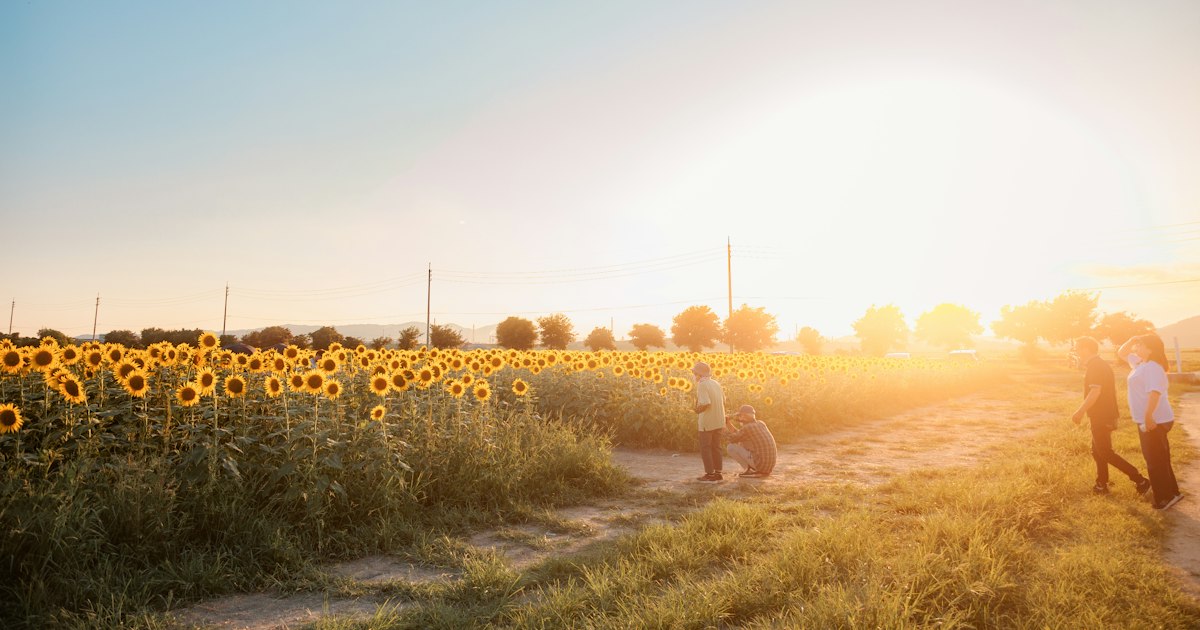
    Photo by Gaku Suyama on Unsplash

    Every July, Japanese social media fills up with the same handful of sunflower photos — a wall of yellow with Mount Fuji poking out behind it, or a single perfect stalk backlit at golden hour. What those photos don’t show is that sunflower season in Japan lasts about three weeks per location, the “best” field changes depending on which prefecture you’re in, and showing up on the wrong weekend means wilted brown heads instead of the postcard. Here’s how to actually plan around it.

    Why Sunflower Fields Are a Summer-Only Window

    Unlike cherry blossoms, which bloom on a predictable national wave, sunflowers are planted in staggered batches by local farms and city governments specifically to hit a festival weekend, and the flowers themselves only stay fresh for 10–14 days before they droop and go to seed. That means the “same” field looks completely different depending on whether you arrive on day 3 or day 13 of bloom. As a rough map of the season:

    • Mid-to-late July: Kanto-area fields (Kanagawa, Saitama, Chiba) typically peak first.
    • Late July–mid August: Yamanashi and other highland fields follow, roughly two to three weeks behind Tokyo due to the cooler elevation.
    • Early August–early September: Hokkaido runs latest, since its growing season starts later in spring.

    Always check the specific field’s official site or Twitter/X account the week before you go — most post real-time bloom reports (満開 = full bloom, 見頃 = good viewing, 終了 = finished) the way Kyoto shrines post autumn leaf updates.

    Zama, Kanagawa: Tokyo’s Easiest Sunflower Day Trip

    The Zama Himawari Matsuri, held along the Sagami River floodplain in Zama City, is the most convenient option for anyone based in Tokyo. The city plants roughly 450,000–550,000 sunflowers across two large fields, and the main festival weekend (usually the first weekend of August) adds food stalls, but the flowers are viewable for free any day the fields are open, dawn to dusk, for about two weeks around that peak.

    Getting there: take the Odakyu Odawara Line or Sotetsu Line to Zama Station, then walk roughly 15–20 minutes to the riverside fields (shuttle buses run during the festival weekend itself). There’s no admission fee, which makes this a genuinely free half-day activity — just bring water and sun protection, since the fields have zero shade. If you’re combining a Kanagawa summer trip with other low-key day trips, the uninhabited island hike at Sarushima near Yokosuka is in the same general direction and pairs well with a sunflower morning.

    Akeno, Yamanashi: Sunflowers With Mount Fuji in the Frame

    If you want the Fuji-in-the-background photo, head to Hokuto City’s Akeno district, about two hours west of Tokyo by car via the Chuo Expressway (Nirasaki IC, roughly 10 minutes) or by train to JR Nirasaki Station followed by a taxi (about 15–20 minutes). The Akeno Sunflower Fiesta plants around 2 hectares with an estimated 600,000–800,000 stalks on a plateau facing Fuji directly, usually blooming from mid-July into mid-August. Admission runs about ¥300 during the festival period (children are typically free or discounted), and the field is generally open from early morning until around 17:00.

    Because this field sits at elevation with an open mountain view, the best light is early — arrive by 7:00–8:00 AM both to beat the crowds and to catch Fuji before afternoon haze rolls in, which happens on most summer days by late morning. If you’re already deep into Fuji-area planning, it’s worth checking the nearby Chureito Pagoda viewpoint for another angle on the mountain, and climbers extending the trip into August should look at booking a Yoshida Trail mountain hut well in advance, since huts sell out fast in peak summer.

    Hokkaido’s Biei and Furano: Sunflowers Among the Rainbow Fields

    Hokkaido doesn’t do single-crop sunflower fields the way Honshu does — instead, sunflowers appear as stripes within the famous patchwork flower farms around Biei and Furano. Shikisai-no-Oka, a hillside flower farm in Biei, plants sunflowers alongside lavender, salvia, and other blooms in long color-blocked rows, generally at their fullest from late July through August. Admission is around ¥500 for adults in peak season (it’s free in winter when nothing is blooming), and the farm is typically open from around 8:30 or 9:00 AM to 17:00–18:00 depending on the month.

    Because Biei’s farms are spread across rolling countryside with no real sidewalk network, a rental car is the most practical way to see more than one field in a day; if you don’t want to drive, Biei and Furano both run seasonal tourist shuttle buses in summer, but schedules are infrequent, so check timings before building a tight itinerary. Hokkaido’s later, cooler bloom also means it’s a good backup plan if a typhoon or heatwave wrecks your Kanto sunflower timing in July.

    Common Mistakes to Avoid

    • Treating it like a year-round attraction. Most of these fields are bare dirt or a completely different crop for 11 months of the year — there’s no “off-season visit” option.
    • Going by the calendar date instead of the bloom report. The same festival date can mean full bloom one year and already-faded flowers the next, since bloom timing shifts with that year’s weather. Check the field’s own social media the week before, not a blog post from a previous summer.
    • Underestimating the heat. These are open fields with no shade, visited in Japan’s most humid months. Go early morning, carry more water than feels necessary, and expect the ground to radiate heat by late morning.
    • Driving to Zama or Akeno on festival weekends. Both get serious local traffic and limited parking during the main festival days; trains plus a short walk or taxi are usually faster.
    • Only shooting straight-on photos. Sunflowers face the morning sun, so if you arrive in the afternoon, most of the flowers will have their backs partly turned from a direct front angle — plan your visit time around light direction, not just crowd avoidance.

    Budget, Mid-Range, and Splurge Options

    Budget: Zama’s free fields plus a round-trip train ticket from central Tokyo (roughly ¥600–900 each way) make for an essentially free outing beyond transport.

    Mid-range: Akeno’s ¥300 entry fee plus a rental car for the day (roughly ¥6,000–9,000 depending on season and company) gets you the Fuji backdrop and the flexibility to stop at other Yamanashi sights on the way back.

    Splurge: A multi-day Hokkaido itinerary covering Biei and Furano’s flower farms, with a rental car and a night or two at a local onsen ryokan, turns the sunflower stop into part of a broader countryside trip rather than a single-afternoon detour — a better use of the flight if you’re already crossing the country to get there.

    However you slice it, the rule that matters most is the same everywhere: pick your field, confirm the current bloom status, and go early in the day. Sunflowers don’t wait for your itinerary to catch up.

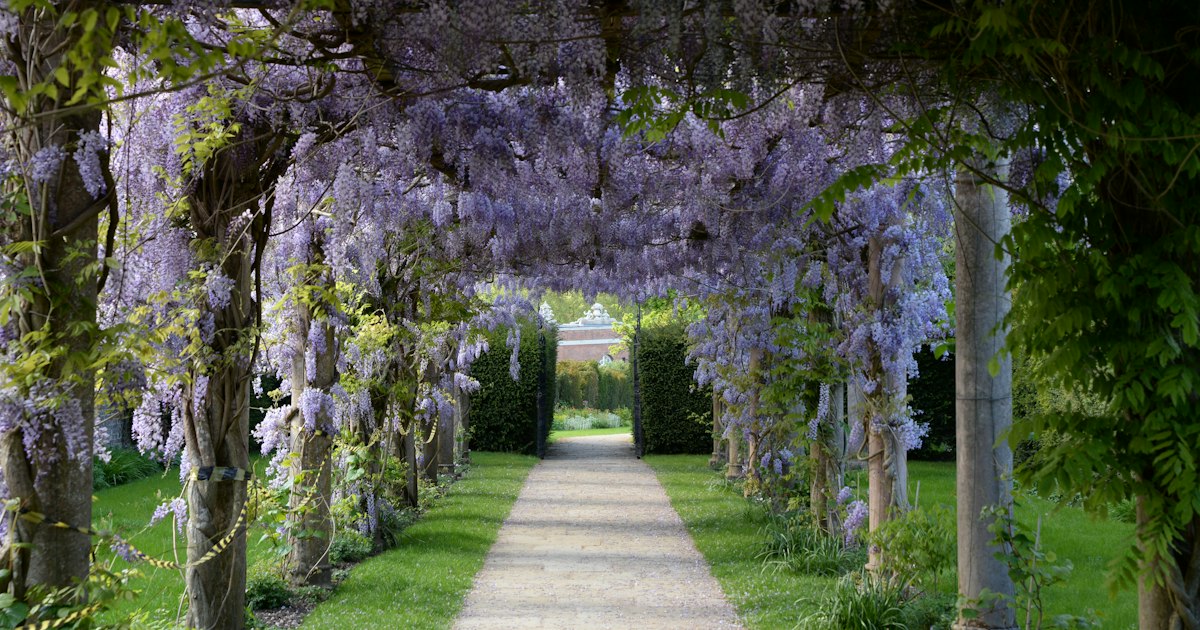
  • Fuji (Wisteria) Season: Ashikaga Flower Park and Kawachi Fuji Garden’s Tunnel of Blooms

    Fuji (Wisteria) Season: Ashikaga Flower Park and Kawachi Fuji Garden’s Tunnel of Blooms

    Photo by Jaroslaw Laka on Unsplash

    Every April and May, two gardens on opposite ends of Japan turn purple, pink, and white under curtains of hanging wisteria — and neither one is actually named after Mount Fuji. “Fuji” (藤) just means wisteria, a coincidence that trips up a lot of first-time visitors Googling “Fuji flower park Japan.” Ashikaga Flower Park, north of Tokyo in Tochigi Prefecture, and Kawachi Fuji Garden, in Kitakyushu on the island of Kyushu, are the two most photographed wisteria sites in the country. They’re very different experiences — one is a big, easy day trip from Tokyo; the other is a small private garden that requires advance planning — so here’s what you actually need to know before you go.

    Ashikaga Flower Park: The Great Wisteria

    Ashikaga Flower Park (あしかがフラワーパーク) in Tochigi Prefecture is built around several enormous wisteria trees, including a single specimen often called the “Great Wisteria” that’s over 150 years old and spreads across roughly 1,000 square meters, held up on a framework of trellises so you can walk beneath its canopy. There are also white, pink, and yellow wisteria varieties, plus a long wisteria tunnel of its own, blooming in sequence from mid-April into mid-May.

    The park uses a variable admission system tied to how much is actually in bloom that day — a practice worth knowing about before you arrive, because the price swings a lot. Outside of major flower seasons, adult admission can be as low as 300–900 yen. During peak wisteria season (typically the last week of April through early May), it rises to around 1,800–2,000 yen for adults, with children roughly half price. Check the park’s official site the morning of your visit — they post the day’s fee and a bloom-status report.

    Regular hours run from about 9:00 to 18:00, but during wisteria season the park extends into an evening illumination, with wisteria lit up after dark until around 21:00. The night illumination is a separate highlight from the daytime visit — the lanterns and colored lighting under the wisteria canopy are genuinely different from the daytime scene, so if your schedule allows, it’s worth staying past sunset rather than treating it as an either/or choice.

    Getting to Ashikaga Flower Park

    This is the easy one logistically. The park has its own train station, Ashikaga Flower Park Station, on the JR Ryomo Line — it’s a roughly three-minute walk from the platform to the entrance. From central Tokyo, the typical route is a JR Shonan-Shinjuku Line or Utsunomiya Line train north to Oyama Station, then a transfer onto the JR Ryomo Line to Ashikaga Flower Park Station. Total travel time is around 1.5 to 2 hours each way, and a one-way fare runs roughly 2,000–2,500 yen depending on your starting station. Driving is also straightforward if you’re renting a car, with large on-site parking lots (a parking fee applies during flower seasons).

    If you’re traveling with kids or rail enthusiasts and want to build this into a longer Saitama/Tochigi day, it’s worth knowing the route passes near Omiya, home to The Railway Museum in Saitama — easy to combine as a stop on the way up or back if you break the trip into two days.

    Kawachi Fuji Garden: Kyushu’s Wisteria Tunnels

    Kawachi Fuji Garden (河内藤園) in Kitakyushu, Fukuoka Prefecture, is a small, privately run garden that became internationally famous after CNN listed it among the “31 Most Beautiful Places in the World.” Its signature feature is a pair of wisteria tunnels — one about 80 meters long, one about 110 meters — where the blossoms form a dense, color-graded ceiling you walk through, along with a wisteria-covered dome area nearby.

    That fame came with a catch: this is a modest, family-run garden, not a large public park, and it genuinely wasn’t built to handle the crowds the CNN feature brought. As a result, the garden now runs on a variable, bloom-condition-based admission fee similar in spirit to Ashikaga’s — generally somewhere in the 500–1,500 yen range for adults depending on how far along the flowers are, with the garden sometimes closing entirely in the days just before or after peak bloom for maintenance. During the fullest bloom window, which usually falls in the last week of April into the first few days of May, expect the higher end of that range and sizeable crowds regardless of price.

    Getting to Kawachi Fuji Garden (and Why You Need to Plan Ahead)

    This garden is far less convenient to reach than Ashikaga, and that’s the single biggest thing to plan around. There’s no train station nearby. The standard approach is to take the JR Kagoshima Main Line to Yahata Station, then transfer to a shuttle bus that runs only during the wisteria season — it doesn’t operate the rest of the year. The shuttle ride takes roughly 20–30 minutes, and because capacity is limited, lines for the bus can stretch into an hour or more on weekends at peak bloom. A taxi from Kokura or Yahata Station covers the same distance in a similar amount of time without the queue, but at taxi prices.

    Because of the crowding problems after the CNN exposure, the garden has in recent years required advance online ticket reservations with a designated entry time slot during the busiest weeks — walk-up admission without a reservation may simply not be possible on the most popular days. Reservations open on the garden’s official website before the season starts and sell out for the best time slots, so if your trip dates are fixed, book as soon as the window opens rather than assuming you can decide on the day.

    Best Timing and Common Mistakes

    Both gardens bloom on roughly the same calendar — mid-to-late April through early May — but the exact peak shifts year to year by about a week depending on spring temperatures, so a fixed date on a travel itinerary booked months in advance is a gamble. A few mistakes are easy to avoid:

    • Booking around Golden Week without checking crowds. Japan’s Golden Week holiday (roughly April 29–May 5) overlaps with peak wisteria at both gardens, and also happens to be when most of the country is traveling domestically. Expect the heaviest crowds, longest shuttle-bus lines at Kawachi Fuji Garden, and highest variable admission fees at both sites during this stretch.
    • Assuming “Fuji” means Mount Fuji. If you’re actually trying to plan around Mount Fuji sightseeing or climbing, these wisteria gardens won’t help — for that, see Chureito Pagoda for the classic mountain photo spot, or booking a mountain hut on the Yoshida Trail if you’re climbing.
    • Not checking same-day bloom reports. Both gardens post daily bloom status online because the flowers only look spectacular for a narrow window — arriving a week early or late can mean paying peak-adjacent prices for partially bare trellises.
    • Underestimating Kawachi Fuji Garden’s access bottleneck. Visitors used to Japan’s excellent train network sometimes assume they can wing it; the seasonal-only shuttle bus and reservation requirement make this one of the few sights in the country where showing up without a plan can mean not getting in at all.

    Budget, Mid-Range, and Splurge Options

    For budget travelers, visiting Ashikaga Flower Park just before or after peak bloom keeps admission near the 300–900 yen floor while still catching some color, since the park has staggered wisteria varieties that bloom across several weeks. Mid-range visitors should budget for peak admission (around 1,800–2,000 yen at Ashikaga, up to 1,500 yen at Kawachi Fuji Garden) plus transport, and treat the evening illumination at Ashikaga as the mid-range splurge — it’s included in the same admission if you simply stay past dark. For a genuine splurge, pair a wisteria-season trip with a few nights in the region: the Tochigi/Saitama area and northern Kyushu both have good onsen towns within reach, turning a single-garden visit into a proper regional loop rather than a rushed day trip.