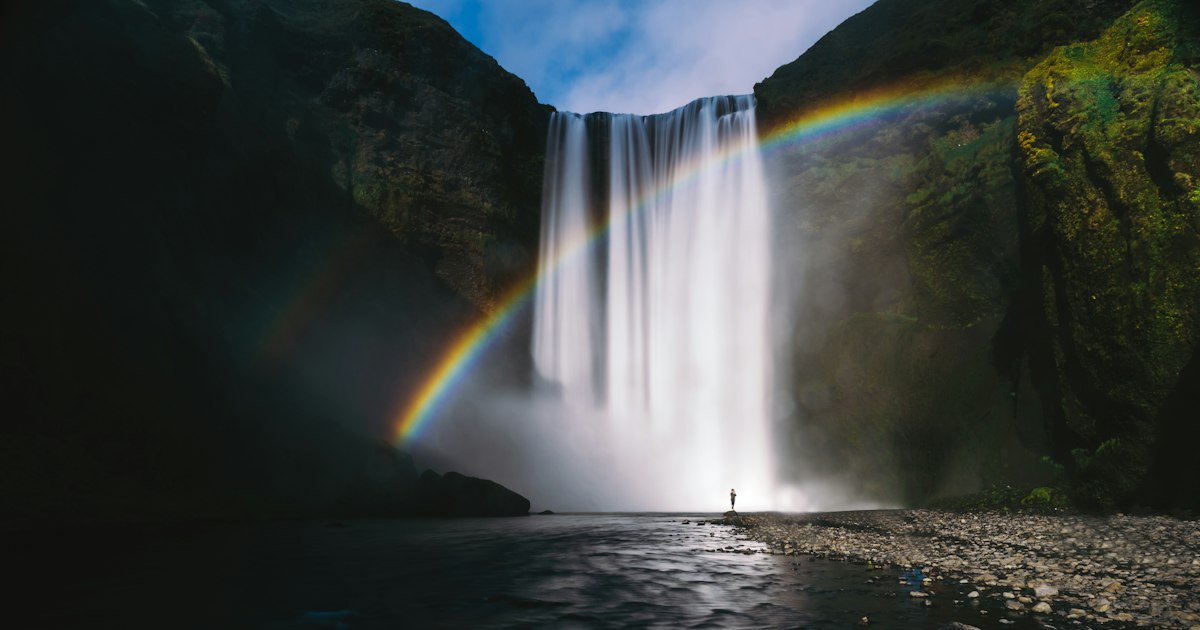
Most visitors to the Mount Fuji area spend their day shuttling between the fifth station parking lot and a lake viewpoint, cameras aimed at the same postcard silhouette. A 20-minute drive away, a 150-meter-wide curtain of water pours out of a volcanic cliff face into a jade-colored pool, and most of those same visitors never hear about it. Shiraito Falls (白糸の滝) is free to enter, officially recognized as part of Mount Fuji’s UNESCO World Heritage listing, and on a weekday morning you can often have long stretches of the viewing platform to yourself. Here’s what you actually need to know before you go.
What Makes Shiraito Falls Different from Every Other Waterfall in Japan
Most waterfalls are a single river dropping over a ledge. Shiraito isn’t — it’s hundreds of thin threads of water seeping out of a 20-meter-high, 150-meter-wide cliff of porous volcanic rock, which is why its name translates to “white threads.” The water isn’t runoff from a rainstorm; it’s rain and snowmelt that fell on Mount Fuji’s slopes years earlier and has been slowly filtering down through layers of lava rock before emerging here, filtered and ice-cold, as groundwater. A small stream (the Shibakawa) also spills over the top of the same cliff, so you get both a classic drop and the curtain effect side by side.
This hydrology is exactly why the falls were designated a component site of the “Fujisan” UNESCO World Heritage Site in 2013, alongside shrines and other spots tied to Mount Fuji’s role as a sacred, water-giving mountain. Shiraito is also widely counted among Japan’s official top 100 waterfalls. There’s no admission fee and no closing gate — it’s an open park area, so you can visit at any hour, though the souvenir shops and food stalls near the entrance generally run from roughly 9:00 am to 5:00 pm.
Getting There: Train, Bus, and Driving Routes
From Tokyo, the fastest route is the Tokaido Shinkansen to Shin-Fuji Station (about 1 hour on the Hikari). From there, take a Fujikyu City Bus bound for Shiraito no Taki / Asagiri Kogen; the ride takes roughly 50 minutes and costs in the ballpark of ¥1,000–1,200 one way. If you’re coming by local train, JR Fujinomiya Station (reached via Fuji Station on the JR Tokaido Line, then the Minobu Line) is closer — the bus from there takes about 25–30 minutes and costs roughly ¥500–700.
Buses to Shiraito Falls run only every hour or two depending on the season, so check the timetable before you set out rather than assuming you can hop on whenever you arrive at the station. If you’re driving, it’s about 20–25 minutes from the Fujinomiya interchange via Route 139, and there are several paid parking lots right by the entrance, typically around ¥500 per car for the day. A rental car is genuinely the easiest way to combine this stop with other spots on the Asagiri Kogen plateau, including the approach roads toward Mount Fuji’s climbing trails — if a Fuji summit attempt is part of your trip, it’s worth reading our guide to booking a mountain hut on the Yoshida Trail while you’re planning logistics for this side of the mountain.
From the bus stop or parking lot, it’s a short walk — about 5 to 10 minutes — down a street lined with shops and then down a set of stone stairs into the gorge to reach the main viewing platform at river level.
Otodome Falls: The Taller Waterfall Right Next Door
Almost everyone who visits Shiraito skips the waterfall that’s a five-minute walk away. Otodome Falls (音止の滝) drops from a single ledge about 26 meters high — taller than Shiraito’s main drop — in a narrow, powerful column rather than a wide curtain. It shares the same free entry and the same path network, so there’s no reason to see one and not the other; the viewing platform for Otodome gets a fraction of the foot traffic that Shiraito does, which makes it a good spot to linger if you want a quieter moment.
Best Time to Visit: Season, Timing, and Crowds
Because the water is groundwater rather than direct rainfall runoff, Shiraito’s flow stays fairly consistent year-round — you won’t find it reduced to a trickle in a dry spell the way a river-fed waterfall might be. That said, the visual experience changes a lot with the seasons. Late April through June brings fresh green foliage on the surrounding cliffs; November brings autumn color. Winter cold snaps sometimes form icicles along the edges of the falls, which is a striking and much less commonly photographed version of the spot.
For the fewest people, arrive right when the shops open, around 9:00 am, especially on weekdays. Tour buses and the Asagiri Kogen sightseeing crowd tend to build from late morning through early afternoon, and weekends and national holidays are noticeably busier than weekdays. The whole visit — both waterfalls and the walk between them — takes about 45 minutes to an hour if you’re not lingering, so it’s an easy half-day add-on rather than a full day trip on its own.
What to Eat and Buy Nearby
The shopping street leading down to the falls is small but worth a stop. Asagiri Kogen is dairy country, and several stands sell soft-serve ice cream made with local milk for around ¥400–500. Grilled rainbow trout (nijimasu) on a skewer, sold by small vendors near the entrance, is a regional specialty worth trying if you haven’t had it elsewhere. The other local dish to look for is Fujinomiya yakisoba — a regionally certified version of fried noodles made with a firmer noodle and pork back fat, typically ¥500–700 a plate at the shops here. It’s a budget-friendly, filling stop before or after the walk down to the water.
Combining Shiraito Falls with a Mount Fuji Day Trip
Shiraito Falls sits on the Asagiri Kogen plateau on Mount Fuji’s southwestern flank, which makes it a natural stop if you’re driving the loop roads toward the Fujinomiya Fifth Station or exploring the Fuji Five Lakes area by car. If you’re building a longer itinerary around off-the-beaten-path nature spots rather than the standard Fuji photo stops, it pairs well conceptually with other quiet, low-crowd day trips — if that’s the kind of outing you enjoy, our guide to Sarushima, Tokyo Bay’s uninhabited island, covers a similarly overlooked destination on the other side of the region.
Common Mistakes to Avoid
- Stopping at the top instead of walking down. The best view is from the river-level platform at the bottom of the stone stairs, not from the street above. Skipping the stairs means missing the actual curtain effect.
- Wearing slippery footwear. The stairs and platform area get wet with spray and can be slick, especially after rain.
- Skipping Otodome Falls. It’s free, five minutes away, and most tour groups never walk over to it — don’t make the same mistake.
- Not checking the bus schedule in advance. Buses from Shin-Fuji or Fujinomiya stations run infrequently, and missing one can mean a long wait with few alternatives besides a taxi.
- Treating it as a full-day destination. Budget 45 minutes to an hour here and build the rest of your day around it rather than the other way around.