Photo by Paras Kapoor on Unsplash
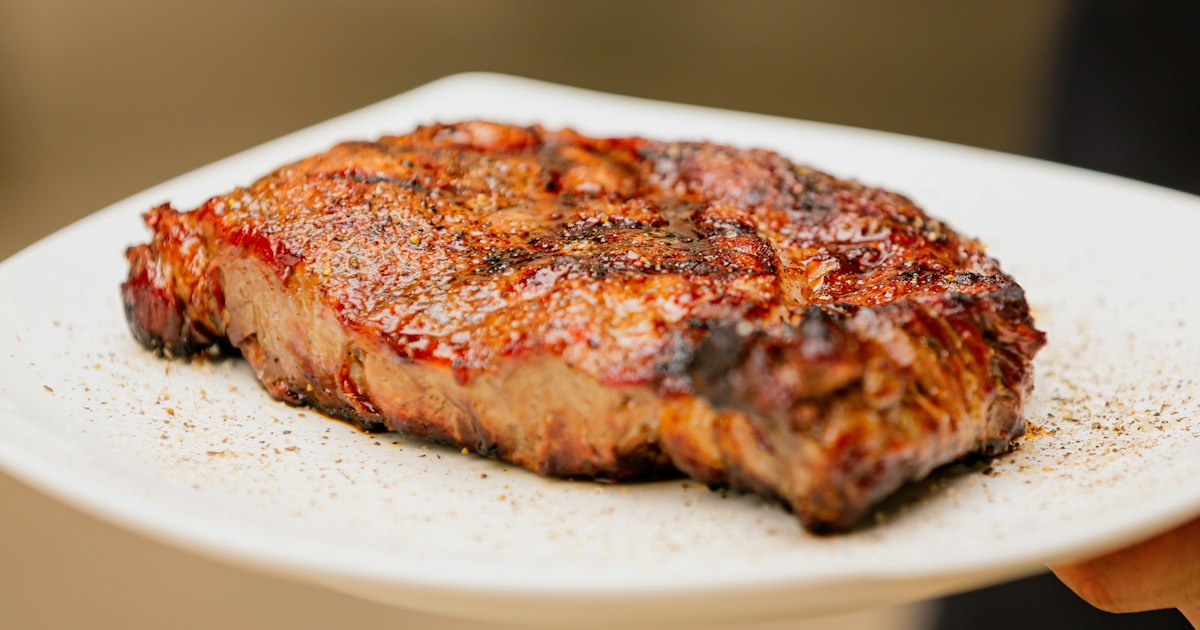
If you’ve only ever had tonkatsu, tonteki will surprise you. There’s no breading, no deep-fryer — just a thick slab of pork, seared hard on a griddle, and drenched in a sticky-sweet sauce loaded with raw garlic chips. It’s the signature dish of Yokkaichi, an industrial port city in Mie Prefecture that most foreign visitors skip entirely on their way between Nagoya and Kyoto or Osaka. That’s exactly why it’s worth a detour: tonteki is one of the few regional “B-grade gourmet” dishes in Japan that hasn’t been watered down for tourists, because until recently there weren’t any.
What Tonteki Actually Is
Tonteki (豚テキ, literally “pork steak”) is a thick-cut pork loin or shoulder steak, usually 1.5–2.5 cm thick, grilled or pan-fried on a hot iron plate until the edges char slightly. The defining feature is the sauce: a reduction of soy sauce, sugar, and Worcestershire-style sauce, finished with a generous handful of sliced or minced garlic that gets slightly crisped in the pan fat. It’s sweeter and more aggressively garlicky than a typical Japanese steak sauce — closer to a Western-style steak sauce than to tonkatsu sauce, even though the names sound similar.
The dish is almost always served with a large pile of shredded raw cabbage on the side, and often a small dab of karashi (hot Japanese mustard) to cut through the sweetness. Many shops pour extra sauce directly over the cabbage too, so don’t be shy about eating it as part of the dish rather than as a garnish.
Why Yokkaichi, Specifically
Tonteki is said to have emerged in Yokkaichi after World War II as an affordable, hearty alternative to Western-style beef steak, served in local shokudo (diner-style eateries) to factory workers from the city’s petrochemical complexes. It stuck around because it travels well between lunch rush and dinner crowd — cheap, filling, and fast to cook on a griddle. The dish is now formally promoted by the Yokkaichi Tonteki Association (四日市とんてき協会), a local group that sets informal standards (thick-cut meat, a garlicky sauce, a mountain of cabbage) and keeps a list of participating shops. Look for their logo on signage or menus as a rough quality signal — it’s the closest thing Yokkaichi has to an official seal of approval.
Getting to Yokkaichi
Yokkaichi is easiest to reach via Nagoya. From Nagoya Station, take the Kintetsu Nagoya Line limited express toward Osaka/Kuwana and get off at Kintetsu Yokkaichi Station — the ride takes about 30–35 minutes and costs roughly ¥1,000–1,200 depending on the train grade. A slower JR option (Kansai Main Line to JR Yokkaichi Station) also exists and is covered by the Japan Rail Pass if you have one, though it takes a bit longer. From Osaka or Kyoto, Kintetsu limited expresses run fairly directly, with a total journey of around 1.5–2 hours depending on connections. If you’re coming from Tokyo, take the Shinkansen to Nagoya first — it’s about the same transfer pattern travelers use when connecting onward to places like Gifu’s mountain ropeways, since Nagoya is the regional hub for this whole area.
Once in Yokkaichi, most tonteki shops cluster around the Kintetsu and JR stations and along the Suwa shopping arcade in the city center — walkable, low-key, and nothing like a tourist food street. Ask at the station’s tourist information counter for a current list of Tonteki Association shops; the exact roster shifts over time as small family-run diners open and close.
What to Expect: Hours, Prices, and Budget Levels
Tonteki is lunch-and-dinner diner food, not a special-occasion dish, and pricing reflects that:
- Budget (¥900–1,300): A standard tonteki teishoku (set meal) at a no-frills shokudo — pork steak, rice, miso soup, and that pile of cabbage. This is the most authentic and common way to eat it.
- Mid-range (¥1,400–2,000): A larger or thicker cut, sometimes with a choice of loin versus slightly fattier cuts, at restaurants that specialize in tonteki rather than serving it as one item on a broader menu.
- Splurge (¥2,000–3,000+): Shops using thicker premium cuts or branded local pork, served as more of a standalone dinner plate rather than a set lunch.
Many of the best shops are small, family-run operations with limited seating and old-school hours — expect a midday break (roughly 2pm–5pm) between lunch and dinner service, and at least one closed day per week that varies shop to shop. Cash is still common at the smaller places, so don’t rely solely on cards.
Common Mistakes to Avoid
The biggest mix-up foreign visitors make is confusing tonteki with tonkatsu when ordering — the names are close enough in English transliteration that it’s an easy slip, but you’ll get a completely different dish (breaded and fried versus griddled and sauced) if you say the wrong one. If you want the pork steak, say “tonteki” clearly, or just point at a photo if the shop has a menu with pictures.
Another common misstep is treating the cabbage as a throwaway side. It’s meant to be eaten throughout the meal, often with sauce spooned over it, and it genuinely helps balance the richness of the garlic and sugar. Skipping it makes the dish feel heavier and more one-note than it’s meant to be. And because the sauce is garlic-forward and lingers, this is better scheduled for a dinner than right before an afternoon of meetings or close-quarters sightseeing.
Finally, don’t expect tonteki at convenience stores or chain restaurants to represent the real thing — it has spread nationally in bento and frozen-food form, but those versions are milder and use thinner cuts than what you’ll get at an actual Yokkaichi diner.
Beyond Tonteki: Pairing It With a Mie Itinerary
Yokkaichi itself is a working port city rather than a postcard destination, so most travelers treat tonteki as a half-day detour or a stopover meal rather than a standalone trip. It pairs naturally with a broader swing through the Tokai region — Nagoya for regional sweets like uiro, or onward toward Mie’s coast and the Ise-Shima area if you have more time. If you’re building out a food-focused itinerary across Japan’s lesser-known regional dishes, tonteki sits well alongside other local specialties worth seeking out, like suppon hot pot or doburoku, Japan’s rustic unfiltered sake — dishes and drinks that rarely show up on a first-time Japan trip but reward the detour for travelers who’ve already covered the main circuit.
Tonteki won’t win any elegance awards, and that’s the point. It’s unpretentious, garlicky, filling diner food that tells you something real about postwar Japanese comfort cooking — and reaching Yokkaichi to eat it properly is a far more interesting afternoon than another pass through Nagoya Station.