Some links below are affiliate links. If you book through them, Japan Trove may earn a small commission at no extra cost to you.
There’s no single “best” month to visit Japan — it depends on whether you’re chasing cherry blossoms, autumn leaves, snow, or just fewer crowds and lower prices. Here’s an honest month-by-month breakdown.
Season by season
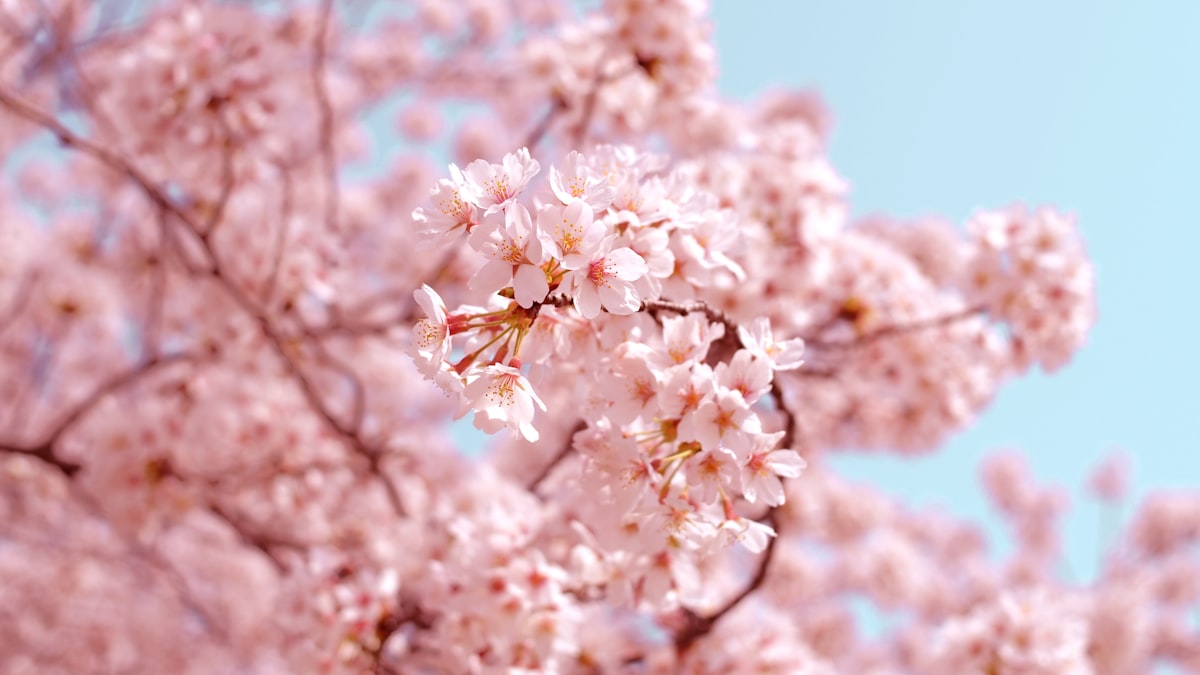
Spring (March–May) — cherry blossoms
The famous sakura bloom, usually late March to early April in Tokyo/Kyoto. Beautiful but the busiest and priciest window — book hotels months ahead. Late May is quieter and pleasant.
Summer (June–August) — festivals & heat
June is rainy season; July–August are hot and humid but full of fireworks and matsuri festivals. Great for northern Japan (Hokkaido) and mountains, tough in the cities.
Autumn (September–November) — best all-rounder
Comfortable temperatures and spectacular fall foliage (peaking Nov in Kyoto). Arguably the best mix of weather, scenery, and manageable crowds. Watch for typhoons in September.
Winter (December–February) — snow & deals
Cold but crisp and clear, world-class skiing in Hokkaido/Nagano, onsen in the snow, and the lowest prices and crowds (outside New Year). Illuminations everywhere.
Quick picks
- First trip, best weather: late October–November.
- Cherry blossoms: late March–early April (book early).
- Fewest crowds & cheapest: January–February (skip New Year week).
- Skiing: January–February.
Crowds & costs
Avoid the three big domestic holidays when everything is packed and pricey: New Year (late Dec–early Jan), Golden Week (late April–early May), and Obon (mid-August). Traveling just outside these saves money and stress. Whenever you go, lock in central hotels early via Booking.com .
Once you’ve picked your month, map out the days with our 7-day itinerary and sort trains and an eSIM.
What seasonal pricing swings look like
- Peak cherry blossom week and Golden Week can push hotel rates 30-50% above baseline, while January-February (outside New Year) often sees the lowest rates of the year alongside genuinely pleasant, crisp weather for city sightseeing.
- Flight prices follow a similar pattern — booking for late October/November or January/February shoulder-season windows frequently costs meaningfully less than flying during the three big domestic holiday clusters.
- Ski season (Dec-Mar) sees Hokkaido and Nagano resort accommodation priced at a premium, but city hotels elsewhere in the country often stay at winter’s generally lower baseline rate during the same months.
Common mistakes to avoid
- Fixating on a specific bloom or foliage date without flexibility — both cherry blossoms and autumn leaves shift by 1-3 weeks year to year depending on weather; a rigid single-week plan risks missing peak entirely, while a flexible window improves your odds substantially.
- Assuming summer is universally bad for a Japan trip — while central and southern cities get genuinely hot and humid, Hokkaido and mountain regions offer a comfortable, less crowded summer alternative that many travelers overlook.
- Not checking the specific year’s Golden Week and Obon dates — these shift slightly year to year and can extend with adjacent weekends; verify current dates rather than assuming a fixed calendar week.
Matching the season to your trip priorities
If photogenic scenery matters most, spring and autumn win outright; if budget and quiet matter most, winter (avoiding New Year) is hard to beat; and if festivals and lively atmosphere matter most, summer’s matsuri season — despite the heat — delivers an energy the other seasons don’t match.
Regional timing differences worth knowing
Okinawa and Hokkaido effectively run on their own seasonal calendars — Okinawa’s beach season peaks when much of the mainland is uncomfortably hot and humid, while Hokkaido’s summer offers cool relief and its winter brings some of the best powder snow in the world, making both worth considering specifically to counter whatever the mainland’s current season is doing.