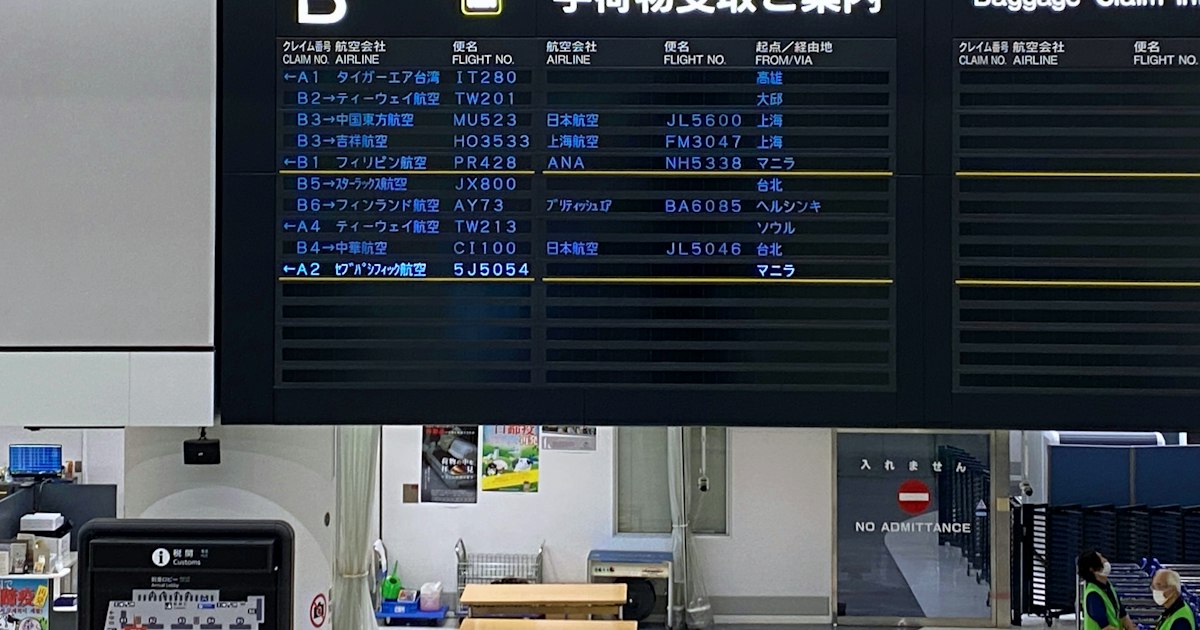
If you’ve flown in Europe or the US, you probably assume a long delay or a cancelled flight comes with a cash payout. Japan doesn’t work that way. There’s no national law forcing airlines to hand you a fixed sum per hour of delay, and understanding what you’re actually entitled to — versus what’s purely goodwill — will save you a frustrating argument at the gate. Here’s how compensation really works at Narita, Haneda, Kansai, and every regional airport in between.
Japan Has No EU261-Style Compensation Law
The EU’s regulation 261/2004 guarantees fixed cash compensation (roughly €250–€600) for long delays, cancellations, and denied boarding. Japan has nothing equivalent. The Ministry of Land, Infrastructure, Transport and Tourism (MLIT) publishes guidelines encouraging airlines to rebook passengers and cover reasonable costs, but these are not enforceable cash-compensation rules. In practice, each airline’s own “conditions of carriage” (運送約款) decides what you get, and that document gives the airline a lot of discretion. Don’t walk up to a JAL or ANA counter expecting a guaranteed payout — ask instead what they can do for you right now.
What JAL and ANA Actually Offer When It’s Their Fault
If a delay or cancellation is caused by something within the airline’s control — a mechanical issue, crew scheduling, a late inbound aircraft — JAL and ANA will generally rebook you on the next available flight at no charge and issue a refund if you no longer want to fly. For delays that stretch into an overnight wait, they’ll typically arrange a hotel room and a modest meal voucher (often in the ¥1,000 range per meal, decided case by case rather than by a fixed schedule). Ask the ground staff for a 延着証明書 (enchaku shoumeisho) — a delay certificate — even if they don’t offer it automatically. You’ll need it to file a claim with travel insurance or a credit card’s travel benefits.
When Airlines Owe You Nothing: Weather and Force Majeure
This is the part that catches tourists off guard: weather-related delays and cancellations are treated as force majeure, and airlines are not expected to pay for hotels or meals in that case — only to rebook you or refund your ticket without a change fee. Japan’s two main risk windows are:
- Typhoon season, roughly June through October, peaking in August–September — this is when most flight disruption happens, especially at Okinawa, Kyushu, and island airports.
- Snow season, December through February — Hokkaido (New Chitose), Tohoku, and Hokuriku airports see frequent delays and de-icing backlogs.
One genuinely useful habit of Japanese carriers: ahead of a forecast typhoon, JAL and ANA often announce a special waiver 1–2 days in advance, letting you change your flight for free even before any cancellation is confirmed. Check the airline’s website or app the moment a typhoon warning appears for your route — rebooking early, before the scramble, gives you far better options. If you’re traveling to a ski region in winter, build in a buffer day; it pairs well with checking gear from brands covered in our guide to Descente, Goldwin and Phenix ski wear, since a delayed arrival often means your first day on snow is the one that gets cut.
The EU Rule That Sometimes Still Applies
Here’s a quirk few travelers know: EU261 can apply to a flight that departs from Japan, if it’s operated by an EU-registered carrier flying to an EU airport — for example, an Air France or Lufthansa flight from Tokyo to Paris or Frankfurt. The regulation covers flights arriving in the EU on an EU carrier regardless of where they originate. So if your itinerary includes a European airline for the international leg, check EU261 eligibility separately — it may entitle you to meaningfully more than what Japan’s domestic framework provides. Note this does not apply to ANA or JAL metal, even on codeshare routes, unless the EU partner airline is the one operating the aircraft.
Budget Carriers Play by Stricter Rules
Peach, Jetstar Japan, Spring Japan, and Zipair are a different story. Their fare rules are thinner, their schedules have less slack to absorb a delay, and they’re quicker to cancel outright in bad weather since they often operate fewer daily frequencies on a route. If you’re flying a low-cost carrier:
- Budget trip: accept the risk, but avoid booking a same-day onward connection (train, ferry, or another flight) right after landing.
- Mid-range: pay the modest fee for a flexible fare class if your dates are even slightly uncertain during typhoon or snow season.
- Splurge: fly JAL or ANA on weather-sensitive routes (Okinawa, remote islands, Hokkaido in winter) — their rebooking flexibility and ground support are genuinely better when things go wrong.
Remote island routes are especially exposed. If your trip includes somewhere like the smaller Izu islands — see our piece on Toshima, the smallest and least-visited of the Izu Seven Islands — know that the tiny aircraft serving these islands cancel in wind conditions that wouldn’t affect a jet, and the backup is usually a slower ferry, not another flight.
What to Do the Moment Disruption Hits
- Get the delay certificate at the gate or service counter before you leave the airport — it’s your only paper trail for insurance claims.
- Rebook through the app first — JAL and ANA apps often show alternative flights faster than the counter queue during a mass disruption.
- Keep every receipt for meals, transport, and hotels you pay for yourself; travel insurance generally reimburses against receipts, not estimates.
- Consider ground alternatives for short hops — Shinkansen or a rental car can beat waiting for a rebooked flight on routes like Tokyo–Osaka or Tokyo–Sendai. If you’re traveling with young kids and may need a taxi or rental car on short notice, it’s worth knowing the rules in advance — our guide to child car seat rules for taxis and rental cars in Japan covers what families are legally required to arrange.
One more train-specific fact worth knowing: if a Shinkansen or limited express is delayed two hours or more due to the railway’s own fault, JR will refund the special express surcharge on request — a separate, better-defined rule than anything in the airline world.
Protect Yourself Before You Fly
Because Japan doesn’t mandate cash compensation, your real safety net is travel insurance bought before departure. Many policies and travel-benefit credit cards include a trip-delay rider that pays a fixed amount once a delay passes a set threshold (commonly somewhere in the ¥10,000–¥30,000 range), separate from any reimbursement the airline offers. Check the policy wording for “weather exclusions” — some cheaper plans exclude the exact typhoon and snow delays most likely to affect you in Japan, which defeats the purpose. Timing your trip to avoid peak typhoon weeks (late August–September) and the heaviest snow weeks (mid-January–February) also meaningfully cuts your disruption risk; shoulder seasons like early spring, when travelers head out for ume blossom season before the cherry trees bloom, tend to have calmer, more predictable skies than either extreme.