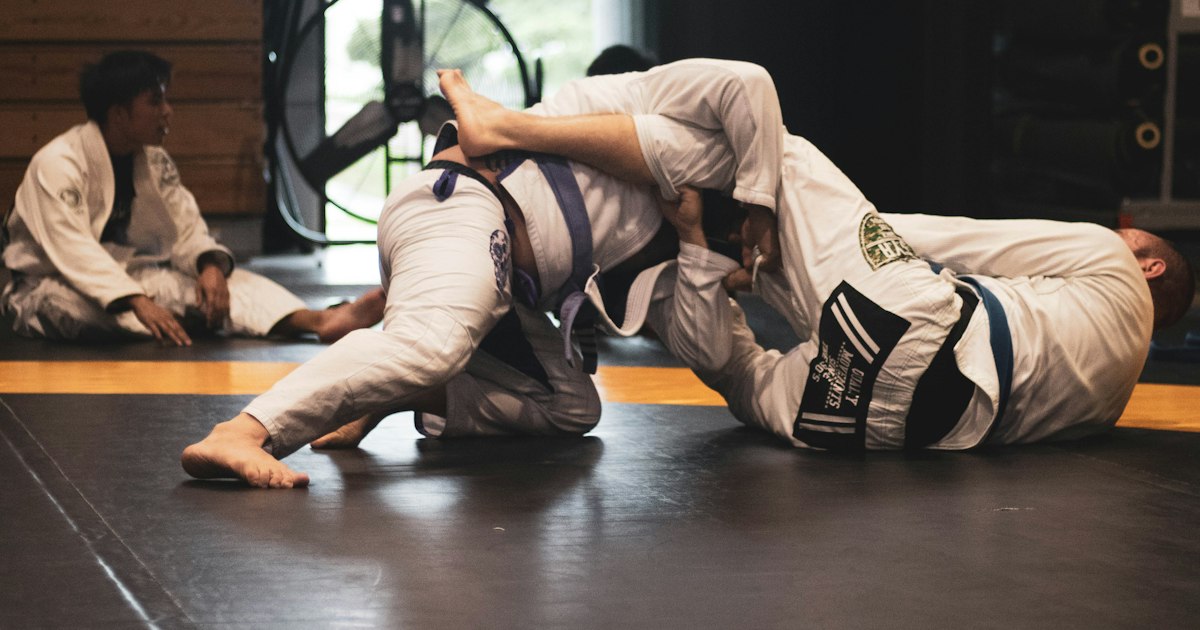
Photo by Samuel Castro on Unsplash
If you train judo or karate and you’re heading to Tokyo, there’s no reason to pay full retail for a gi — especially if you’re a beginner who hasn’t settled on a brand, or a traveler who just wants a decent uniform for a guest class without flying home with a brand-new ¥20,000 jacket. Tokyo has a surprisingly deep secondhand market for martial arts uniforms, from citywide resale chains to a wholesale district that’s supplied dojos for decades. Here’s how to actually find a good one, what it should cost, and what to check before you hand over cash.
Why Secondhand Gi Shopping Makes Sense in Japan
A new cotton judo gi from a quality maker like Mizuno or Kusakura runs anywhere from ¥12,000 to ¥30,000 for a jacket-and-pants set, more for competition-weight “triple weave” tops. Karate gi are cheaper new (roughly ¥6,000–¥15,000) but the good ones still add up once you factor in a belt, a bag, and possibly a second uniform for competition versus practice. Buying used cuts that by half to two-thirds, and because Japanese dojo culture treats uniforms with real care — washed, air-dried, rarely thrown in a dryer — secondhand gi here tend to be in far better shape than what you’d find at a used sporting goods store elsewhere. Students graduate, retire from a club, or size up, and their old gi end up in resale shops rather than landfills.
Where to Look: Tokyo’s Resale Landscape
There isn’t one dedicated “used gi shop” chain, so you’re working two angles:
- Citywide secondhand chains — 2nd Street (セカンドストリート) and Mode Off are the two biggest players, with dozens of Tokyo locations (Shimokitazawa, Koenji, and Nakano have unusually dense clusters of secondhand stores worth a browsing afternoon). Most branches keep a small sportswear rack that includes judo and karate gi, usually priced ¥1,500–¥6,000 depending on brand and condition. Typical hours are 11:00–20:00 daily, no holidays. Stock is inconsistent — call ahead or check their apps (search by store, not nationwide) if you want a specific size.
- The Kuramae/Asakusabashi budogu district — the stretch along the Edo-dori between Kuramae and Asakusabashi Stations (Toei Asakusa Line) has a cluster of martial arts equipment wholesalers that have supplied Tokyo dojos for generations. These shops sell mostly new gear, but many carry graded “B-grade” stock (cosmetic flaws, discontinued colors, floor samples) at discount prices, and some will know of secondhand pieces floating around from club closures — it’s worth simply asking, since staff often deal directly with dojos. This is also the best place to buy a new gi if secondhand hunting comes up empty, since prices here undercut sporting goods stores by a wide margin.
- Flea markets and recycle shops — general-purpose recycle shops (not the big chains) occasionally have gi donated by retiring practitioners, and weekend flea markets like the ones at Oedo or local shrine markets sometimes have a stall or two selling used sports gear, gi included, though this is hit-or-miss and not something to plan a trip around.
- Mercari and Yahoo Auctions — the two biggest secondhand apps in Japan have huge inventories of used gi, often cheaper than any physical shop. The catch for visitors is that most sellers won’t ship internationally and listings are Japanese-only, so this really only works if you have a Japanese address (including a short-term one — see our guide to weekly mansions and monthly apartments if you’re in Tokyo for an extended training stint) or a friend who can receive the package.
Judo Gi vs. Karate Gi: What to Check Before You Buy
The two uniforms are built differently, and a secondhand bargain is only a bargain if it fits the sport. Judo gi are heavier, looser, and reinforced at the collar and underarms to survive grip fighting — fit should allow a fist-width of slack when the jacket is crossed at the chest, since a too-tight gi will rip in randori. Karate gi are lighter and cut closer to the body, meant for unobstructed kicks and strikes; a loose karate gi just flaps. Weave matters too: “single weave” judo gi are lighter and cheaper but wear out faster, “double” and “triple weave” are heavier, stiffer, and what most serious practitioners want secondhand since they age well. Always check the collar and knees (the first places to wear through), smell the fabric (mildew doesn’t wash out), and look at the chest and back for a sewn-on or embroidered mon (club emblem/patch) — removal often leaves a visible outline or holes, so ask the shop whether it’s already been taken off and how cleanly.
Budget, Mid-Range, and Splurge Options
At the budget end (¥1,500–¥3,500), expect single-weave judo gi or basic karate gi from mainstream brands, light wear, no belt included — fine for casual practice or a one-off guest class. Mid-range (¥4,000–¥8,000) gets you double-weave judo gi or competition-cut karate gi from recognizable names like Mizuno, Kusakura, or Tokaido in good condition, sometimes with the belt. For a splurge (¥8,000–¥15,000+), look for barely-worn triple-weave judo gi or Tokaido’s top competition karate lines secondhand — still a steep discount off the ¥25,000–¥40,000 new price, and worth it if you’re training seriously rather than just trying a class.
Best Timing to Shop
Resale stock turns over most heavily in spring, right after Japan’s school and dojo year ends in March — graduating students and club members moving away sell off gear, so April is consistently the best month to find fresh secondhand stock. January also sees a bump, both from New Year “hatsuuri” clearance sales at the budogu shops and from post-holiday decluttering feeding the recycle chains. Avoid summer if you can; demand from new dojo enrollments (many clubs start new member intakes in September) thins out the good sizes.
Common Mistakes to Avoid
The biggest one is buying by label size rather than trying it on — Japanese gi sizing runs by height in centimeters (a “size 3” judo gi fits roughly 160–170cm), which doesn’t map cleanly to US/EU numbering, so always measure or try before buying. Second is forgetting that competition rules (IJF for judo, most karate federations) have specific requirements on gi color, patch placement, and fabric weight — a gorgeous used gi can be worthless if you’re buying it for an actual tournament rather than practice. Third is underestimating weight in your luggage: a judo gi set is 1.5–2kg, and two or three secondhand finds will eat into your checked-bag allowance fast. Finally, don’t skip asking about the belt — many secondhand gi are sold jacket-and-pants only, and matching your rank’s actual belt isn’t guaranteed to be included.
Whether you’re kitting out for a dojo visit near Kodokan in Bunkyo or just want an authentic, well-worn gi to take home as a genuinely useful souvenir, Tokyo’s resale shops reward a little patience — and leave plenty of yen left over for the rest of the trip.