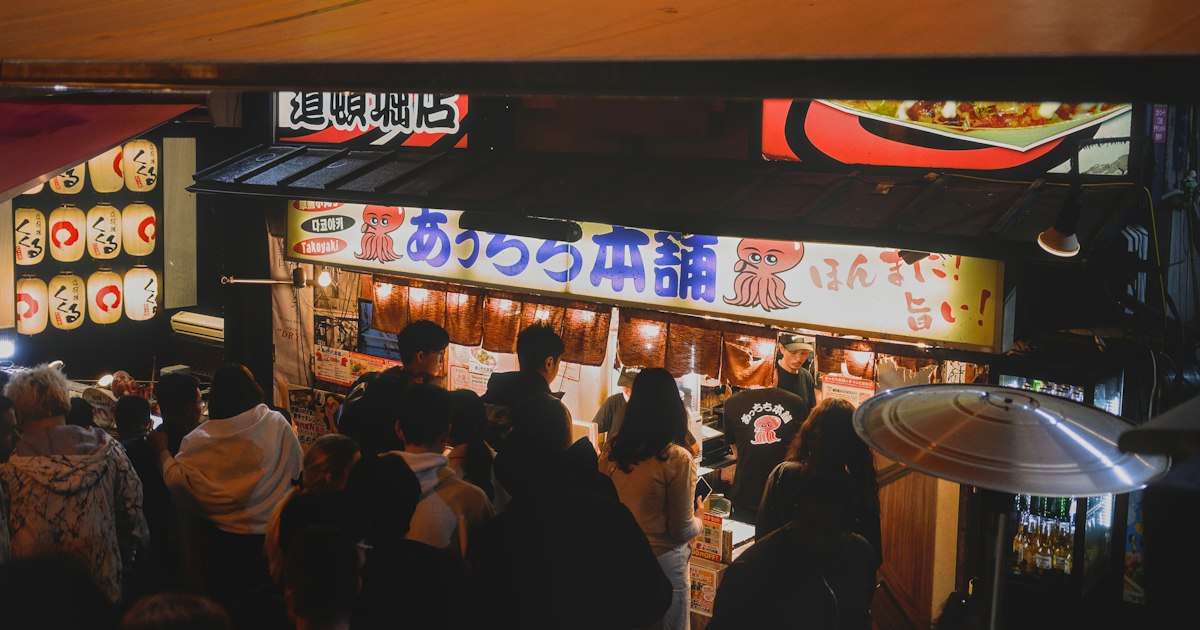
Step off the shinkansen in Osaka and the first thing you’ll notice isn’t the food or the neon—it’s the way people talk. Kansai-ben, the regional dialect spoken across Osaka, Kyoto, and Kobe, has its own rhythm, vocabulary, and sense of humor that textbook Japanese never prepares you for. You don’t need to speak it to enjoy your trip, but recognizing a handful of phrases will help you follow conversations, get the jokes at a comedy theater, and understand why locals react the way they do when you try out a word or two. Here’s a practical primer for visitors.
What Makes Kansai-ben Different
Standard Japanese (hyojungo), the version taught in textbooks and used on NHK news, is based on Tokyo speech. Kansai-ben shifts verb endings, swaps out common words, and uses a different pitch pattern—sentences tend to rise and fall more dramatically, which is part of why Osaka speech sounds more animated or “comedic” to other Japanese people. It’s not a separate language, just a strong regional accent with its own vocabulary, similar to the gap between British and American English but more pronounced. Osaka’s version is the most widely recognized form, partly because so many Japanese comedians (owarai) come from the city and perform in dialect on national TV.
Phrases You’ll Actually Hear
You won’t need to produce these yourself, but recognizing them will save confusion:
- Akan (あかん) – “No good” / “can’t do that,” replacing standard Japanese’s dame. You’ll see it on signs (“Akan!”) and hear shopkeepers use it casually.
- Ookini (おおきに) – “Thank you,” an older, warmer alternative to arigatou. Common in traditional shops and from older vendors at markets.
- Honma (ほんま) – “Really” / “seriously,” replacing hontou. You’ll hear it constantly in casual conversation and comedy routines.
- Chau chau (ちゃうちゃう) – “No, that’s not it,” a doubled-up version of chigau used for emphasis.
- Nande yanen (なんでやねん) – “Why on earth” / “come on now,” a stock phrase in manzai comedy routines, roughly equivalent to a comedic “what?!”
- Maido (まいど) – Literally “every time,” used by shopkeepers as a greeting (“welcome back”) and by customers as a casual “thanks, see you.”
- …ya (や) instead of …da/desu – Kansai speakers often end sentences with ya where standard Japanese uses da: “Sou ya” instead of “Sou da” (that’s right).
A quick note on usage: these phrases work fine passively—nodding along when you hear honma? or responding with a smile—but a foreign visitor attempting a full Kansai-ben sentence usually gets a laugh rather than recognition of fluency. Locals generally find it charming when visitors know a word or two, but don’t expect to pass as a native speaker after one trip.
Where to Hear Kansai-ben in Action
The single best place to hear dialect at full speed and with context clues (gestures, slapstick, visual cues) is a live manzai comedy show. Namba Grand Kagetsu, Yoshimoto Kogyo’s flagship theater near Namba Station, runs daily programs mixing manzai duos, rakugo-style storytelling, and sketch comedy, almost entirely in Kansai-ben. General admission runs roughly ¥4,000–4,600 for a daytime program; shows typically run a few hours with multiple acts, so even without full comprehension you’ll pick up cadence and stock phrases like nande yanen fast. It’s a five-minute walk from Namba Station (Midosuji, Sennichimae, or Yotsubashi lines).
For a more everyday dose, spend time at Kuromon Ichiba Market near Nippombashi Station, where vendors shouting maido! and ookini! at customers is part of the daily soundtrack. Most stalls open around 9:00 and wind down by 17:00–18:00, though hours vary shop by shop. Shinsekai and the Dotonbori canal area are also good for overhearing dialect in a relaxed, low-stakes setting—shopkeepers haggling, friends calling out across narrow streets.
Common Mistakes Visitors Make
The biggest mistake is assuming Kansai-ben is “slang” or somehow less proper than standard Japanese—it isn’t, and treating it that way in front of a Kansai local can land badly. It’s a point of regional pride, not a shortcut or a degraded form of the language.
The second mistake is overusing a phrase after learning it once. Visitors who pick up nande yanen from a comedy show often repeat it in unrelated contexts (like a convenience store transaction), which reads as odd rather than clever—it’s a comedic stock phrase, not a general-purpose interjection.
The third: assuming all of Kansai sounds the same. Kyoto’s dialect, while related, is softer and more formal-sounding than Osaka’s, reflecting the city’s history as the former imperial capital. Kobe speech sits somewhere between the two. If you’re bouncing between all three cities on a typical Kansai itinerary, listen for the differences rather than treating “Kansai-ben” as one monolithic accent.
Best Time to Experience Osaka’s Dialect Culture
There’s no strict season for this—comedy theaters and markets run year-round—but a few timing notes help. Namba Grand Kagetsu schedules change month to month and sell out around major holidays (New Year’s, Golden Week in early May, Obon in mid-August), so book a few weeks ahead if traveling during those windows. Outside of holiday periods, same-week tickets are usually available at the box office or online. If your trip allows flexibility, weekday matinees tend to be less crowded and give you a more relaxed view of the stage.
Travelers planning to stay in Osaka long enough to actually absorb the dialect—rather than just sample it on a day trip from Kyoto—might consider a longer stay rather than hotel-hopping. For stays of a few weeks or more, weekly mansions and monthly apartments are often cheaper per night than hotels and put you in residential neighborhoods where you’ll hear everyday Kansai-ben at the local supermarket or sentō, not just in tourist-facing shops.
Bringing a Piece of It Home
If you want a souvenir connected to this trip beyond a phrasebook, Osaka’s antique and secondhand shops around Tenjinbashi and Kyoto’s Teramachi area are worth a look. Traditional tansu chests and smaller decorative pieces like koro incense burners turn up in Kansai’s antique markets and dealer shops at a range of price points, from a few thousand yen for small ceramic pieces to well into six figures for restored chests—good browsing even if you’re not buying, and a chance to practice your ookini on a shopkeeper who’ll appreciate it.
Ultimately, Kansai-ben is less a hurdle than a texture that makes Osaka feel distinct from Tokyo. You don’t need fluency—just enough ear for a handful of words to catch the joke, follow a market vendor’s banter, and notice when a conversation shifts from standard Japanese into something warmer and more local.