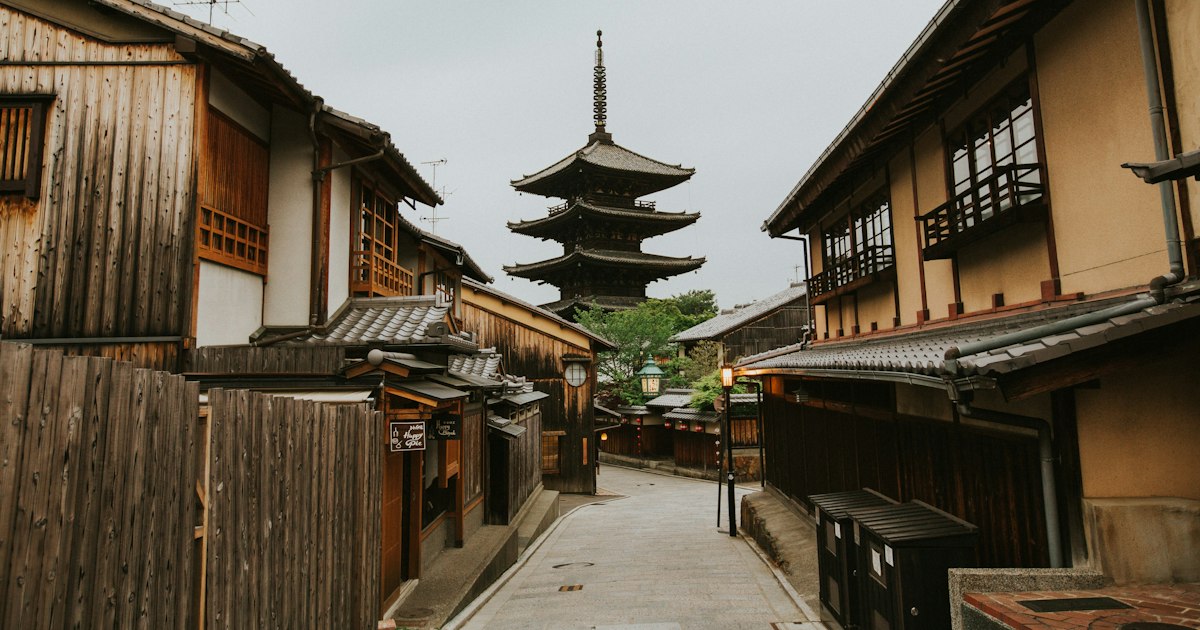
Starbucks is the last thing most travelers plan a Japan itinerary around — until they see photos of a coffee shop built from 2,000 crossed wooden beams, or one where you sip a latte sitting on tatami mats in a 100-year-old townhouse. Japan has turned a handful of its Starbucks locations into genuine architectural destinations, and three in particular are worth detouring for: the Kengo Kuma-designed store in Dazaifu, the traditional machiya branch on Kyoto’s Ninenzaka slope, and the Reserve Roastery in Tokyo’s Nakameguro, one of only a handful of such flagship roasteries in the world. Here’s what each one actually offers, how to get there, and how to avoid the mistakes that turn a quick coffee stop into a 45-minute queue.
Starbucks Dazaifu Omotesando: the wooden tunnel
Opened in 2011, this store sits on the pedestrian approach to Dazaifu Tenmangu Shrine in Fukuoka Prefecture, designed by architect Kengo Kuma using roughly 2,000 interlocking wooden laths that form a tunnel-like lattice running the length of the building. It’s one of the most photographed Starbucks interiors anywhere, and it works as both a functional coffee shop and a quiet piece of architecture — the wood is meant to echo the torii gates and cedar groves nearby rather than compete with them.
Getting there: it’s about a 5-minute walk from Nishitetsu Dazaifu Station, roughly 20 minutes by train from Nishitetsu Fukuoka (Tenjin) Station, with one transfer at Nishitetsu Futsukaichi. Hours generally run from early morning to 8pm, but Starbucks Japan does adjust hours seasonally, so check the store locator on the Starbucks Japan site or app before you go. There’s no table service or reservation system — you order at the counter like any other branch, and seating is limited, especially on weekends and during shrine festivals.
Because Dazaifu Tenmangu is one of Japan’s best-known plum blossom sites, late January through February is a particularly good window to combine a coffee stop with blossom viewing before the shrine gets crowded for cherry blossom season. For a broader look at timing that trip, see Ume Blossom Season: Where to See Japan’s Plum Blossoms Before the Cherry Trees Bloom.
Starbucks Ninenzaka Yasaka Chaya: coffee on tatami
In Kyoto’s Higashiyama district, on the stone-paved Ninenzaka slope leading up toward Kiyomizu-dera, Starbucks converted a roughly century-old wooden machiya townhouse into a working café while keeping its original structure intact. The ground floor looks like a standard counter-service Starbucks; the upper floor is where it gets interesting — low tables and tatami-mat seating, shoes off at the entrance, looking out over the sloped tiled roofs of the neighborhood. It was, for years, the only Starbucks in the world with tatami seating, and it remains a genuine novelty rather than a gimmick.
Access is on foot: it’s about a 15–20 minute walk uphill from Kiyomizu-dera’s main approach, or you can take a city bus toward Gojo-zaka/Kiyomizu-dera from Kyoto Station (about 15 minutes) and walk up from there. Hours are typically 8am to 8pm, though as with any Kyoto tourist-district shop, it’s worth checking current hours online since they shift around major holidays. The tatami floor seats a limited number of people, so arriving right at opening or on a weekday morning is the only reliable way to get a seat without a wait — by midday, especially during cherry blossom season (late March–early April) and autumn foliage (mid-November), the line can stretch well outside the door.
One practical note: this is a counter-order store, so you pay first, then carry your own drink upstairs and remove your shoes at the base of the tatami platform — don’t walk up in shoes expecting staff to seat you.
Starbucks Reserve Roastery Tokyo: the flagship
Opened in February 2019 in Nakameguro, this is Starbucks’ large-format roastery concept — the kind of store that exists in only a handful of cities worldwide (alongside Seattle, Chicago, New York, Shanghai, and Milan). The Tokyo building spans several floors around a working roasting cask, with a Teavana tea bar, an Arriviamo bar serving coffee-based cocktails, and a Princi bakery counter for Italian bread, pizza, and pastries alongside the usual espresso menu. It functions more like a multi-floor food-and-drink destination than a quick coffee stop.
It’s about a 3-minute walk from Nakameguro Station, served by the Tokyu Toyoko Line and the Tokyo Metro Hibiya Line, making it an easy add-on to a day exploring the Meguro River — itself a well-known cherry blossom spot in late March. Hours have historically run longer than a standard Starbucks, roughly 7am to 11pm, though it’s worth confirming current hours on the official site since large flagship stores occasionally adjust seasonal closing times. Expect to pay more here than at a regular branch: standard drinks start around the usual ¥400–600 range, but Reserve-exclusive coffees and the Arriviamo cocktail-style drinks run roughly ¥800–1,500, and exclusive mugs or tumblers sold only at this location are typically ¥2,000–5,000.
Budget, mid-range, and splurge ways to visit
- Budget: Order a regular drip coffee or a basic latte at any of the three (¥350–500) — you’re paying for the building, not the drink, so there’s no need to order a premium item to enjoy the space.
- Mid-range: Try the seasonal or regional Frappuccino/specialty drinks (¥550–750) plus a small snack — a reasonable splurge for a photo-worthy stop without overspending.
- Splurge: At the Reserve Roastery specifically, a Reserve single-origin pour-over or an Arriviamo coffee cocktail (¥1,000–1,500), paired with a Princi pastry, makes for a legitimate light meal rather than just a coffee break.
Common mistakes to avoid
The biggest mistake is treating any of these as a five-minute stop. At Ninenzaka and Dazaifu especially, the draw is the building, and by late morning on weekends both can have queues of 20–40 minutes just to order, let alone find a seat. Arriving within the first hour of opening is consistently the best way around this. Second, don’t expect reservations or table service — all three are standard Starbucks ordering formats (counter order, then find your own seat), just in unusual buildings. Third, at Ninenzaka, don’t skip removing your shoes before stepping onto the tatami platform; staff will stop you, and it’s a minor but real breach of etiquette if a visitor doesn’t notice the shoe rack at the base of the stairs.
Best timing and nearby detours
If you’re building a Kyushu leg of your trip around Dazaifu, Fukuoka Prefecture sits close to other Kyushu food specialties worth a detour — Oita’s hand-pulled dumpling soup is one example covered in Dango Jiru: Oita’s Flat Hand-Pulled Dumpling Soup and Where to Try It, and travelers continuing south toward Kagoshima can read up on the region’s signature condiment in Kurozu: Kagoshima’s Amber Black Vinegar and Where to Taste It at the Source. For Kyoto and Tokyo, the best strategy is simply sequencing: visit Ninenzaka early in the morning before the Higashiyama crowds build, and save the Reserve Roastery for an afternoon or evening in Nakameguro when you have time to sit down properly rather than grab a drink and go. None of these three stores require advance booking, which makes them easy to slot into an existing itinerary rather than something you need to plan a whole day around.