Japan Trove

Category: Destinations & Day Trips

City and region guides beyond Tokyo — Kyoto, Osaka, Hokkaido, Okinawa and more.

  • Best Things to Do in Kyoto: A First-Timer’s Guide

    Best Things to Do in Kyoto: A First-Timer’s Guide

    Some links below are affiliate links. If you book through them, Japan Trove may earn a small commission at no extra cost to you.

    Kyoto is Japan’s cultural heart — over a thousand temples and shrines, geisha districts, and gardens that define the seasons. It’s also busy, so a little planning goes a long way. Here’s what’s genuinely worth your time.

    The essentials

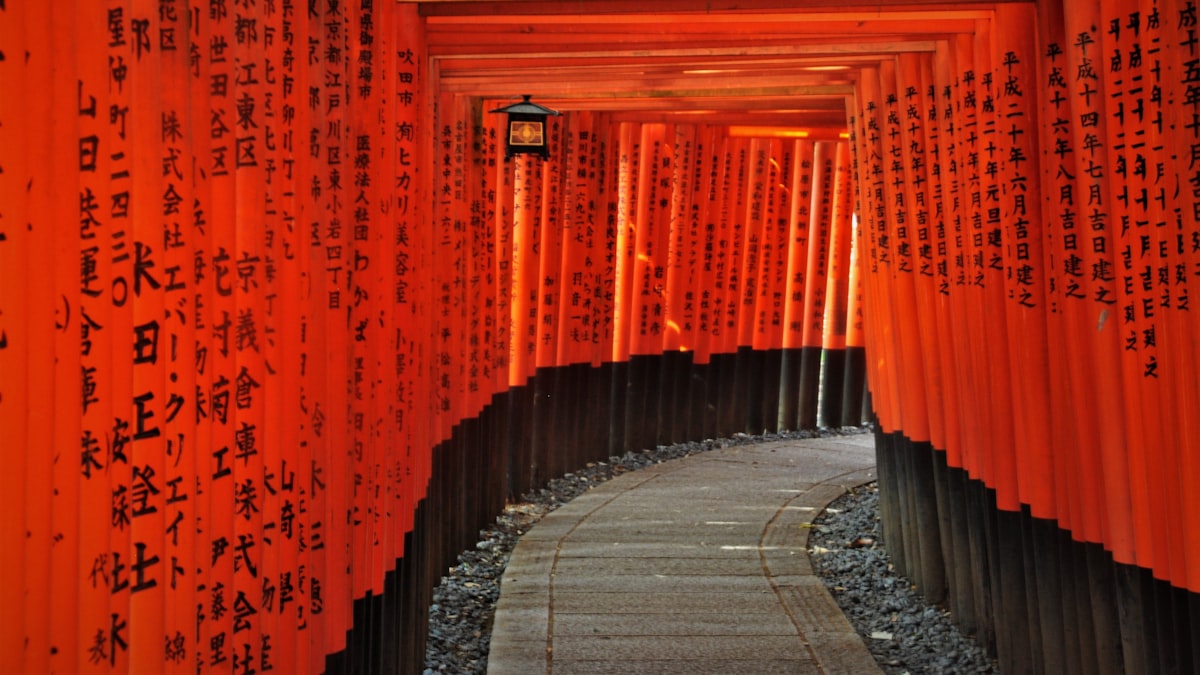
    • Fushimi Inari Taisha — the endless red torii gates; go at sunrise to have them nearly to yourself.
    • Kiyomizu-dera — a hillside temple with sweeping views; wander the old Higashiyama lanes below.
    • Arashiyama Bamboo Grove — plus the monkey park and riverside; again, early is best.
    • Kinkaku-ji — the Golden Pavilion, dazzling on a clear day.
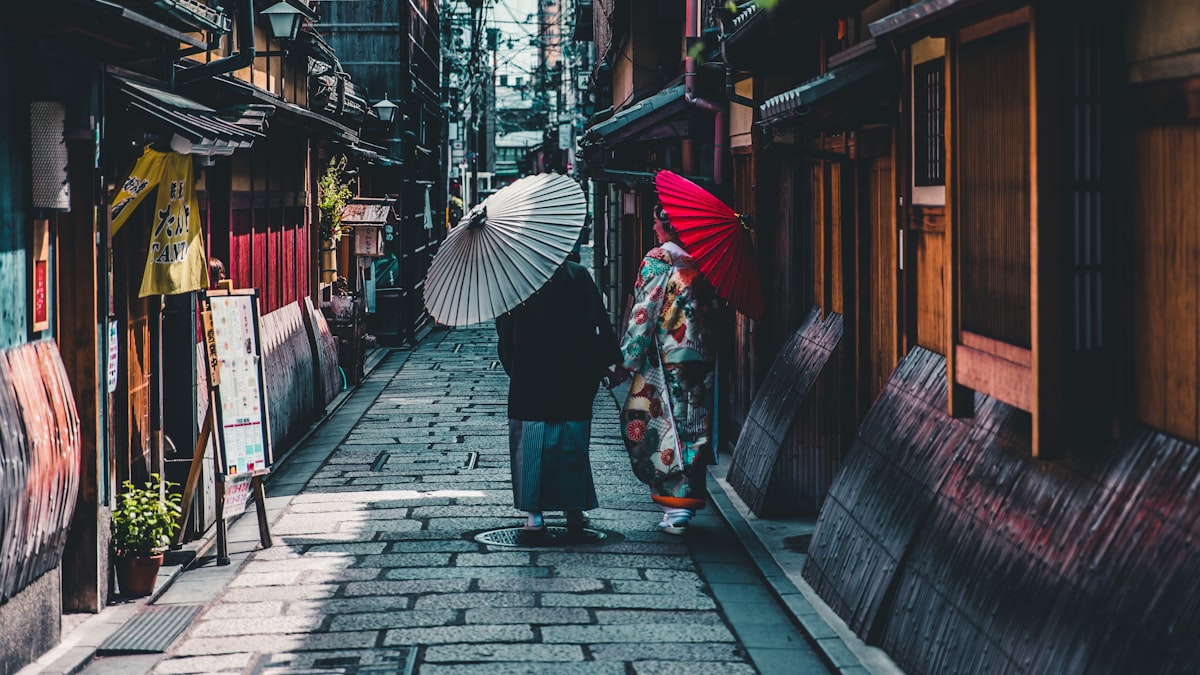
    • Gion — the geisha district; stroll the lantern-lit streets in the evening (respectfully — no chasing geiko for photos).

    Beat the crowds

    • Start at dawn. The famous spots are magical and empty before 8am.
    • Go north. The moss temples and Ohara in the northern hills stay quiet.
    • Pick a theme per day (east Kyoto, west Kyoto, north) to cut down on backtracking.

    Experiences

    • A tea ceremony or matcha experience — book in English on Klook .
    • Kimono rental for a day of photos in Higashiyama.
    • Nishiki Market for street food and — see our Japanese green tea guide — excellent tea to take home.

    Where to sleep & how to get around

    Kyoto relies on buses, so stay central — see where to stay in Kyoto. Coming from Tokyo, check whether the JR Pass is worth it; a Kansai regional pass is often better. And Kyoto pairs naturally with Osaka and Nara.

    Slot it all into our 7-day Japan itinerary.

    What things typically cost

    • Most major temples charge JPY 400-600 entry; Fushimi Inari is free and open 24 hours, one of the best-value major sights in the entire country.
    • A kimono rental for a Higashiyama photo walk runs JPY 4,000-8,000 for a basic half-day set, more with hair styling add-ons.
    • A tea ceremony experience runs JPY 3,000-6,000 for a beginner-friendly session, typically including a sweet and a bowl of whisked matcha as part of the demonstration.

    Common mistakes to avoid

    • Trying to see all five essentials in one rushed day — Kyoto’s sights are spread across the city, and cramming Fushimi Inari, Kiyomizu-dera, Arashiyama, Kinkaku-ji, and Gion into one day means mostly transit time; grouping by geographic area across 2-3 days works far better.
    • Visiting Arashiyama’s bamboo grove at midday — it’s one of the most crowded single photo spots in Kyoto by late morning; arriving at opening gives you a genuinely different, peaceful version of the same path.
    • Approaching Gion hoping to photograph geiko or maiko up close — this is treated as harassment in parts of the district and some lanes now ban tourist photography entirely; admire respectfully from a distance or book a proper cultural performance instead.

    Grouping sights by area to save time

    A geographic day-by-day structure — east Kyoto (Kiyomizu-dera, Higashiyama lanes, Gion) one day, west Kyoto (Arashiyama, bamboo grove) another, and north Kyoto (Kinkaku-ji, quieter temples) a third — cuts backtracking dramatically compared to jumping between areas based on a list of “must-sees” without regard to location.

    A quiet alternative to the big five

    If the essential sights feel too crowded even with good timing, Kyoto’s northern hills around Ohara and the moss temples of the western hills offer a genuinely quieter, equally beautiful alternative — worth a half-day for travelers on a second or third Kyoto visit who’ve already covered the headline sights.
  • Best Things to Do in Osaka (Beyond Dotonbori)

    Best Things to Do in Osaka (Beyond Dotonbori)

    Some links below are affiliate links. If you book through them, Japan Trove may earn a small commission at no extra cost to you.

    Osaka is Japan’s kitchen and its friendliest big city — louder, funnier, and hungrier than Tokyo. Most visitors only see Dotonbori, but there’s a lot more. Here’s what to do, eat, and where to look beyond the neon.

    The must-sees

    • Dotonbori — yes, do it: the giant signs, the Glico runner, and street food at night.
    • Kuromon Ichiba Market — a fresh-food market; go in the morning for seafood and fruit.
    • Osaka Castle — the park is lovely, especially in cherry blossom season.
    • Umeda Sky Building — a striking floating-garden observatory.

    Beyond Dotonbori (the local side)

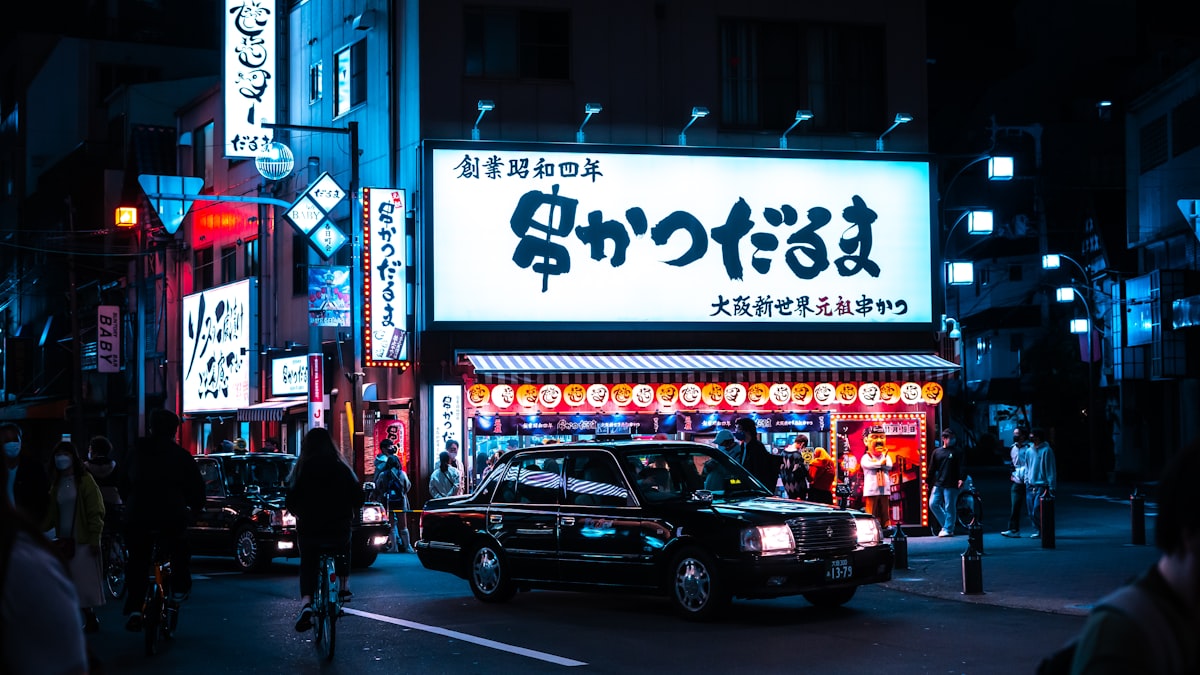
    • Shinsekai & Tsutenkaku — retro, gritty, and full of kushikatsu (deep-fried skewers).
    • Nakazakicho — a hipster pocket of indie cafés and vintage shops.
    • Hozenji Yokocho — a tiny lantern-lit alley just off the chaos of Dotonbori.

    Eat like an Osakan

    • Takoyaki (octopus balls) and okonomiyaki (savory pancake) — Osaka’s signatures.
    • Kushikatsu in Shinsekai — remember: no double-dipping the sauce.
    • Kitsune udon — Osaka claims it as its own.

    Day trips from Osaka

    Osaka is a great base for the Kansai region: Nara (bowing deer and a giant Buddha), Kobe (beef and port views), and of course Kyoto — see where to stay in Kyoto if you split your nights. Book tours easily on Klook .

    Practical tips

    • Kansai has its own regional passes — often better value than the nationwide one; see the JR Pass guide.
    • Grab an IC card and an eSIM on arrival.

    Osaka usually closes out our 7-day Japan itinerary — a tasty way to end the trip.

    What things typically cost

    • Kuromon Ichiba Market street food runs JPY 300-1,500 per item, with premium seafood skewers (like grilled scallop or a small portion of wagyu) at the higher end of that range.
    • Osaka Castle’s main tower entry costs JPY 600, though the surrounding park and moat views are free and arguably just as photogenic, especially during cherry blossom season.
    • Kushikatsu in Shinsekai runs JPY 100-300 per skewer, with a satisfying meal of 8-10 skewers plus a drink costing JPY 1,500-2,500.

    Common mistakes to avoid

    • Double-dipping kushikatsu skewers in the shared sauce — this is one of the most commonly cited etiquette slips in Osaka specifically; use the provided cabbage to scoop extra sauce instead of re-dipping a bitten skewer.
    • Only visiting Dotonbori and missing Shinsekai — the retro, slightly gritty neighborhood around Tsutenkaku Tower offers a genuinely different, less polished side of Osaka that many visitors find more memorable than the more famous neon strip.
    • Visiting Kuromon Ichiba Market in the late afternoon — like most fresh food markets, the best selection and liveliest atmosphere are in the morning; many stalls wind down or close by mid-afternoon.

    Osaka as a food-first city break

    Osaka rewards visitors who prioritize eating over sightseeing checklists — a day built around Kuromon Ichiba Market breakfast, a Dotonbori street food crawl, and a Shinsekai kushikatsu dinner covers more of what makes the city special than trying to fit in every landmark on a tight schedule.

    Combining Osaka with a wider Kansai loop

    Osaka’s central position makes it a genuinely practical base for day trips beyond Nara, Kobe, and Kyoto — Wakayama’s Koyasan and Himeji Castle are both within a comfortable day-trip radius, meaning a longer Osaka stay can anchor an entire Kansai region exploration rather than just the city itself.

  • Where to Stay in Kyoto: Best Areas & Ryokan for First-Timers

    Where to Stay in Kyoto: Best Areas & Ryokan for First-Timers

    Some links below are affiliate links. If you book through them, Japan Trove may earn a small commission at no extra cost to you.

    Kyoto’s sights are spread out, so where you sleep really matters. Pick the right base and you’ll walk to temples in the morning and reach the train easily. Here’s a first-timer’s guide to Kyoto’s best neighborhoods and what to book.

    Best areas to stay

    Near Kyoto Station — most convenient

    Best for easy arrivals/departures (the Shinkansen stops here), buses to everywhere, and a wide range of hotels. Less atmospheric but the most practical base, especially for short stays.

    Downtown (Kawaramachi / Gion) — central & atmospheric

    Walkable to shopping, restaurants, the Nishiki food market, and the geisha district of Gion. The best all-round location if you want to stroll in the evening. Pricier.

    Higashiyama — traditional & scenic

    Steps from Kiyomizu-dera and the old lanes. Quieter at night and full of character; ideal for early temple mornings.

    Arashiyama — nature retreat

    The bamboo grove and riverside. Beautiful and calm, but further from the center — great for a night, less ideal for your whole stay.

    Stay in a ryokan at least once

    Kyoto is the place to try a ryokan (traditional inn) with tatami rooms, a kaiseki dinner, and sometimes a private onsen. Even one night is memorable. Filter for ryokan and machiya (townhouse) stays on Booking.com and Agoda .

    Booking tips

    • Book very early. Kyoto sells out first in cherry blossom and autumn seasons.
    • Mind the buses. Kyoto relies on buses; staying central saves a lot of transit time.
    • One-night ryokan + central hotel is a great combo: splurge once, stay practical otherwise.

    Coming from Tokyo? See whether the JR Pass is worth it, and slot Kyoto into your 7-day itinerary. Staying in Tokyo too? Here’s where to stay in Tokyo.

    What accommodation typically costs

    • Business hotels near Kyoto Station run JPY 8,000-15,000/night for a comfortable double, while the same quality in Downtown Kawaramachi/Gion runs JPY 12,000-20,000 given the more central, atmospheric location.
    • A ryokan or machiya townhouse stay runs JPY 20,000-50,000+ per person with dinner and breakfast, with Higashiyama-area properties commanding a premium for their proximity to the famous temple lanes.
    • Arashiyama accommodation, being further from the center, often prices slightly lower than downtown for comparable quality, a reasonable trade-off if you’re prioritizing a quiet, scenic night over central convenience.

    Common mistakes to avoid

    • Choosing Kyoto Station for a longer, exploration-focused stay — it’s genuinely the most convenient area for arrivals and departures, but staying there for multiple nights while exploring Higashiyama and Gion means longer daily bus or train rides than a more central base would require.
    • Underestimating how much Kyoto relies on buses rather than a dense subway network — unlike Tokyo, getting around Kyoto efficiently depends more on bus routes, and staying somewhere with easy bus access matters more here than in most other Japanese cities.
    • Booking a Higashiyama ryokan without confirming late check-in flexibility — some traditional properties have earlier check-in windows than standard hotels; if your arrival time is uncertain, confirm this before booking a traditional-style stay.

    A practical two-base strategy

    Splitting a Kyoto stay between one night at a special ryokan in Higashiyama and the remaining nights at a practical, well-located hotel downtown gives you both the memorable traditional experience and the convenience needed for day-to-day sightseeing and transit, without paying ryokan prices for every night of a longer stay.

    Booking timing for peak seasons

    Kyoto’s cherry blossom and autumn leaf seasons see hotels and ryokan booked out 2-3 months ahead for the best properties, sometimes longer for particularly famous ryokan — if your travel dates fall in either window, treat accommodation booking as the very first task on your planning list, before flights or a detailed itinerary.