Japan Trove

Category: Destinations & Day Trips

City and region guides beyond Tokyo — Kyoto, Osaka, Hokkaido, Okinawa and more.

  • Nikko Day Trip from Tokyo: Shrines, Waterfalls & Lakes

    Nikko Day Trip from Tokyo: Shrines, Waterfalls & Lakes

    Nikko is one of the best day trips (or overnights) from Tokyo — a mountain town where ornate shrines meet waterfalls, lakes, and hot springs. Here’s how to do it.

    What to see

    • Toshogu Shrine — the lavishly decorated mausoleum of shogun Tokugawa Ieyasu; look for the famous “hear/see/speak no evil” monkeys and the sleeping cat.
    • Rinnoji Temple and the surrounding UNESCO-listed shrine complex.
    • Shinkyo Bridge — the iconic vermilion bridge over the river.
    • Kegon Falls — a dramatic 97-meter waterfall near Lake Chuzenji.
    • Lake Chuzenji & Irohazaka — a scenic highland area up a hairpin road (spectacular in autumn).

    Day trip vs overnight

    You can see the shrines as a day trip, but adding the lake and falls (a bus ride up the mountain) makes for a long day — an overnight lets you enjoy the highlands and an onsen too. See other day trips from Tokyo.

    Getting there

    • From Tokyo (Asakusa), the Tobu line runs direct to Nikko in about 2 hours; JR routes also work with the JR Pass.
    • Consider a Nikko area pass if you’ll use the local buses to the lake and falls.
    • Buy an IC card for the trains.

    When to go

    • Autumn is legendary for foliage — and very busy; go early. See autumn leaves in Japan.
    • Spring and summer are lush and cooler than the city.
    • Winter is cold and snowy up the mountain — beautiful but check bus schedules.

    Tips

    • Start early — the shrines and the mountain together fill a full day.
    • The Irohazaka road and buses get congested in peak autumn weekends.
    • Bring layers; the highlands are much cooler than Tokyo. Add it to your itinerary.
  • Kanazawa Travel Guide: Gardens, Gold Leaf & Seafood

    Kanazawa Travel Guide: Gardens, Gold Leaf & Seafood

    Kanazawa is one of Japan’s most rewarding smaller cities — a beautifully preserved castle town with one of the country’s finest gardens, gold-leaf crafts, and superb seafood. Here’s how to visit.

    Top sights

    • Kenrokuen Garden — ranked among Japan’s three great gardens; stunning in every season.
    • Kanazawa Castle — right next to the garden.
    • Higashi Chaya District — atmospheric old teahouse streets, great for gold-leaf treats and crafts.
    • Nagamachi — a preserved samurai quarter.
    • 21st Century Museum of Contemporary Art — playful modern art, including the famous “swimming pool.”

    Food & crafts

    • Omicho Market — fresh seafood; try a kaisendon (seafood rice bowl).
    • Gold leaf (kinpaku) — Kanazawa makes most of Japan’s gold leaf; even gold-topped soft-serve.
    • Kutani ware & Kaga crafts — beautiful ceramics and lacquer; see our Japanese ceramics guide.

    Getting there

    • The Hokuriku Shinkansen connects Tokyo to Kanazawa in about 2.5–3 hours (covered by the JR Pass).
    • It pairs naturally with Takayama & Shirakawa-go by bus for an “old Japan” loop.
    • Easy to add between Tokyo and Kyoto — see our 14-day itinerary.

    How long to stay

    One to two nights is ideal. The center is compact and walkable, with a loop bus linking the main sights; grab an IC card.

    Tips

    • Kanazawa can be rainy — pack a compact umbrella (locals lend them freely here).
    • Go to Kenrokuen early to beat crowds and get soft morning light.
    • Gorgeous in autumn and under snow in winter.
  • Things to Do in Okinawa: Beaches, Diving & Island Culture

    Things to Do in Okinawa: Beaches, Diving & Island Culture

    Some links below are affiliate links. If you book through them, Japan Trove may earn a small commission at no extra cost to you.

    Okinawa is Japan’s tropical side — turquoise water, white-sand beaches, a distinct island culture, and some of the country’s best diving. It feels worlds away from Tokyo. Here’s what to do.

    Top experiences

    • Beaches & islands — the Kerama Islands and Miyako have jaw-dropping water; great for swimming and snorkeling.
    • Diving & snorkeling — coral reefs, sea turtles, and the famous Blue Cave near Naha.
    • Churaumi Aquarium — one of the world’s best, home to whale sharks.
    • Shurijo Castle — the seat of the old Ryukyu Kingdom (check reconstruction status before visiting).
    • Ryukyu culture — distinctive music, textiles, and cuisine unlike mainland Japan.

    Okinawan food to try

    • Okinawa soba — thick noodles in a light pork broth.
    • Goya champuru — bitter-melon stir-fry, the signature dish.
    • Taco rice and Blue Seal ice cream — local comfort food. More in must-try Japanese food.

    When to go

    • Best weather: spring and autumn; summer is hot, humid, and peak season.
    • Beach season runs roughly April–October.
    • Typhoons are possible late summer — build in flexibility. See best time to visit.

    Getting there & around

    • Fly into Naha (about 2.5 hours from Tokyo) — far quicker than any train.
    • The main island rewards a rental car; the monorail covers central Naha.
    • Island-hop by ferry or short flights to Miyako and Ishigaki.
    • Book stays early for summer — compare on Booking.com .

    Tips

    • Okinawa is a fly-in trip — it pairs poorly with a rail-pass-only itinerary, so plan it as its own leg. See our 14-day itinerary.
    • Grab an eSIM for maps and translation.
    • Reef-safe sunscreen and water shoes are worth packing.
  • Takayama & Shirakawa-go: Old Japan in the Mountains

    Takayama & Shirakawa-go: Old Japan in the Mountains

    For a taste of old, rural Japan, head into the mountains to Takayama and Shirakawa-go — a historic town and a fairytale village of thatched farmhouses. Here’s how to visit.

    Takayama

    • Sanmachi old town — beautifully preserved Edo-era streets of sake breweries and craft shops.
    • Morning markets along the river — local produce, pickles, and crafts.
    • Hida beef — the region’s prized wagyu; try it grilled or as sushi.
    • Festivals — the spring and autumn Takayama Matsuri are among Japan’s finest.

    Shirakawa-go

    • Gassho-zukuri farmhouses — UNESCO-listed houses with steep thatched roofs built to shed heavy snow.
    • Shiroyama viewpoint — the postcard panorama over the village.
    • Winter light-ups — the snow-covered village glows on select evenings (reservations required).
    • Nearby Gokayama is a quieter alternative with similar houses.

    Getting there

    • Takayama is reached by the scenic limited express from Nagoya (covered by the JR Pass).
    • Buses connect Takayama, Shirakawa-go, and Kanazawa — book ahead in peak seasons.
    • It fits neatly between Tokyo/Kyoto trips — see our 14-day itinerary.

    When to go

    Gorgeous year-round: fresh green in summer, autumn leaves in fall, and snow-globe scenery in winter. Summers are cooler than the cities — a nice escape.

    Tips

    • Stay overnight in a Takayama ryokan or a Shirakawa-go farmhouse minshuku for the full experience.
    • It’s rural — carry cash and an eSIM.
    • Pair with Kyoto and Kanazawa for a great “old Japan” loop.
  • Things to Do in Hokkaido: Nature, Powder & Seafood

    Things to Do in Hokkaido: Nature, Powder & Seafood

    Hokkaido, Japan’s northern island, is a world apart — wide-open nature, world-class powder snow, incredible seafood, and cooler summers. Here’s what to do and when to go.

    Top experiences

    • Sapporo — the lively capital; ramen, beer, and the famous February Snow Festival.
    • Otaru — a charming canal town near Sapporo, great for glassware and sushi.
    • Furano & Biei — rolling lavender and flower fields in summer.
    • Hakodate — night views, a morning seafood market, and historic streets.
    • Shiretoko & Daisetsuzan — pristine national parks for hiking and wildlife.

    Winter: powder paradise

    • Niseko — legendary light, dry powder and international ski resorts.
    • Furano & Rusutsu — great slopes with fewer crowds.
    • Pair skiing with an onsen soak — the classic Hokkaido combo.

    Eat your way around

    • Seafood — uni (sea urchin), crab, salmon roe, and scallops.
    • Sapporo miso ramen and soup curry.
    • Dairy — Hokkaido milk, cheese, and soft-serve are famous. More in must-try foods.

    When to go

    • Winter (Dec–Mar): skiing, snow festival, drift ice.
    • Summer (Jun–Aug): flowers, hiking, and cool escapes from the mainland heat.

    Getting there & around

    • Fly into New Chitose (Sapporo) or Hakodate — usually faster than the train from Honshu.
    • Distances are big; renting a car is often the best way to explore rural areas.
    • Plan it into a longer trip with our 14-day itinerary and best time to visit.
  • Hiroshima & Miyajima: The Peace Park and Floating Torii

    Hiroshima & Miyajima: The Peace Park and Floating Torii

    Hiroshima pairs a moving history with one of Japan’s most beautiful islands next door. It’s an easy and rewarding stop on any wider trip. Here’s how to do Hiroshima and Miyajima.

    Hiroshima: the essentials

    • Peace Memorial Park & Museum — a powerful, essential visit remembering the 1945 atomic bombing.
    • A-Bomb Dome — the preserved ruin and UNESCO site by the river.
    • Hiroshima Castle and Shukkeien Garden for a calmer afternoon.
    • Okonomiyaki, Hiroshima-style — layered with noodles; don’t miss it.

    Miyajima (Itsukushima)

    • The floating torii gate — the iconic vermilion gate that appears to float at high tide.
    • Itsukushima Shrine — the over-water shrine complex.
    • Mount Misen — hike or take the ropeway for island views.
    • Friendly deer roam the town (don’t feed them; watch your maps and snacks).
    • Momiji manju — maple-leaf-shaped cakes, the local sweet.

    Getting there

    • Hiroshima is on the shinkansen line — about 1.5 hours from Osaka, ~4 from Tokyo.
    • To Miyajima: local train/tram to the ferry terminal, then a short ferry (JR ferry is covered by the JR Pass).
    • Time the ferry for high tide to see the torii “float.”

    How long to stay

    You can day-trip Hiroshima + Miyajima from Osaka/Kyoto, but an overnight lets you enjoy Miyajima after the day-trippers leave. See accommodation tips and plan with our 14-day itinerary.

    Tips

    • The Peace Museum is emotionally heavy — allow time and space for it.
    • Check the tide schedule before your Miyajima visit.
    • Carry an eSIM and an IC card for the trams and ferry.
  • How to See Mt. Fuji: Best Views, Times & Climbing

    How to See Mt. Fuji: Best Views, Times & Climbing

    Some links below are affiliate links. If you book through them, Japan Trove may earn a small commission at no extra cost to you.

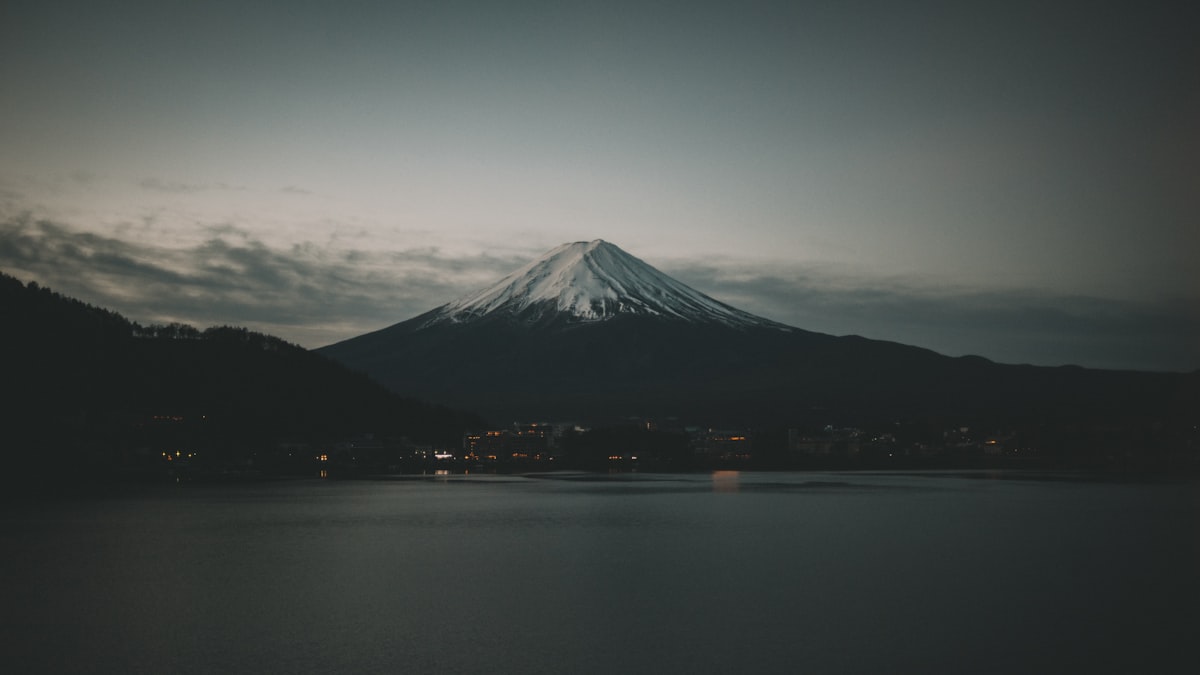
    Mt. Fuji is Japan’s most iconic sight — but it’s famously shy, often hidden by cloud. Here’s how and where to actually see it (and whether to climb it).

    Best time to see Fuji

    • Clearest views: autumn and winter (roughly Nov–Feb), especially crisp mornings.
    • Time of day: early morning and late afternoon beat hazy midday.
    • Summer is climbing season but often too hazy for good distant views.

    Best places to view it

    • Hakone — hot springs with Fuji views; an easy day trip or overnight from Tokyo. See day trips from Tokyo.
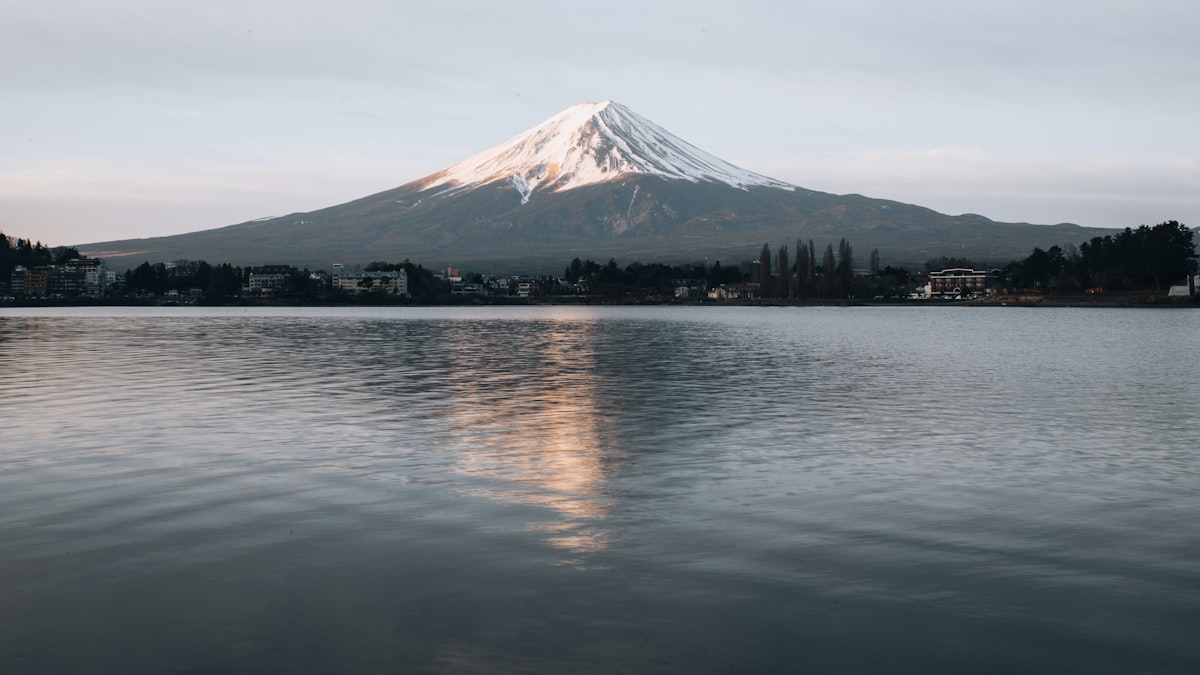
    • Kawaguchiko (Fuji Five Lakes) — postcard reflections of Fuji over the lake.
    • Chureito Pagoda — the famous pagoda-with-Fuji shot near Fujiyoshida.
    • From the shinkansen — sit on the right side Tokyo→Kyoto; see our bullet train guide.
    • Gotemba / Oshino Hakkai — outlet shopping and spring-water village with mountain views.

    Should you climb it?

    • Season: official climbing is only early July to early September.
    • Difficulty: no technical skill needed, but it’s a long, steep, cold slog — altitude and weather are the real challenges.
    • Classic plan: climb in the afternoon, sleep in a mountain hut, summit for sunrise (goraiko).
    • Rules: trails now have entry fees and daily limits — check the current-year rules before booking.

    Getting there

    Buses run from Tokyo (Shinjuku) to Kawaguchiko and the Fuji trailheads; trains reach Fujiyoshida/Kawaguchiko. Guided day tours bundle transport and the best viewpoints — browse Fuji day tours on Klook . Bring layers, and don’t forget an eSIM to check the forecast.

    Reality check

    Fuji hides behind clouds often — build in a flexible day or two, chase a clear morning, and you’ll get your shot. Fold it into our 7-day itinerary.

  • Nara Day Trip: Deer, the Great Buddha & How to Visit

    Nara Day Trip: Deer, the Great Buddha & How to Visit

    Some links below are affiliate links. If you book through them, Japan Trove may earn a small commission at no extra cost to you.

    Nara was Japan’s first permanent capital, and it packs a giant bronze Buddha, ancient temples, and a park full of famously polite (and cheeky) deer into an easy day trip from Kyoto or Osaka. Here’s how to do it.

    Getting there

    Nara is about 45 minutes from Kyoto or Osaka by train. The Kintetsu line drops you closest to the park; JR works too and may be covered by a regional pass. It’s an easy half- or full-day.

    The deer of Nara Park

    Hundreds of free-roaming deer are the star attraction. You can buy shika senbei (deer crackers) to feed them — and yes, many will bow for a cracker. Tips:

    • Keep crackers hidden until you’re ready; the deer are bold and will nudge you.
    • They’re wild animals — gentle is best, and watch small children.
    • Feed and move on; don’t tease them with food you won’t give.

    Don’t miss

    • Todai-ji — a colossal wooden temple housing the Great Buddha (Daibutsu). Genuinely awe-inspiring.
    • Kasuga Taisha — a shrine famous for thousands of bronze and stone lanterns.
    • Isuien Garden — a serene stroll garden if you want a quiet break.

    How much time?

    Half a day covers the deer and Todai-ji; a full day lets you add the shrine and gardens at a relaxed pace. Most sights are walkable from the park.

    Fit it into your trip

    Nara pairs perfectly with a Kansai base — see where to stay in Kyoto or our Osaka guide. Great with kids, too — see Japan with kids. Book a guided Nara tour in English on Klook if you’d rather not plan the logistics.

    Slot it into the wider 7-day itinerary.

  • Best Things to Do in Kyoto: A First-Timer’s Guide

    Best Things to Do in Kyoto: A First-Timer’s Guide

    Some links below are affiliate links. If you book through them, Japan Trove may earn a small commission at no extra cost to you.

    Kyoto is Japan’s cultural heart — over a thousand temples and shrines, geisha districts, and gardens that define the seasons. It’s also busy, so a little planning goes a long way. Here’s what’s genuinely worth your time.

    The essentials

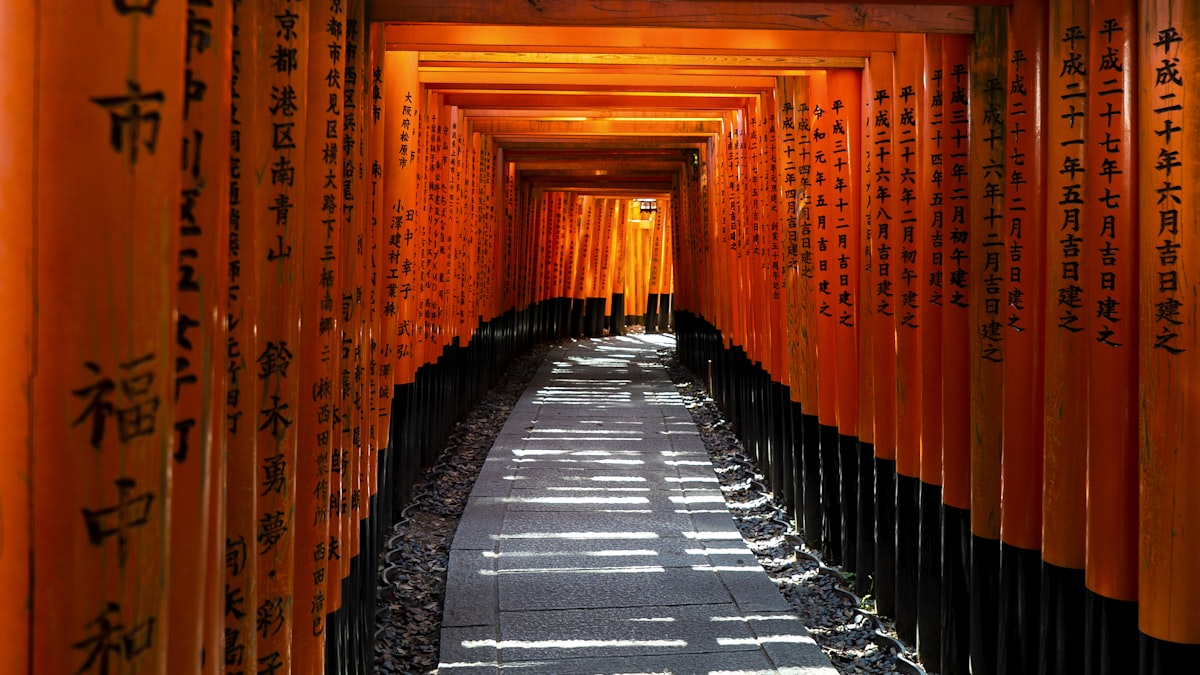
    • Fushimi Inari Taisha — the endless red torii gates; go at sunrise to have them nearly to yourself.
    • Kiyomizu-dera — a hillside temple with sweeping views; wander the old Higashiyama lanes below.
    • Arashiyama Bamboo Grove — plus the monkey park and riverside; again, early is best.
    • Kinkaku-ji — the Golden Pavilion, dazzling on a clear day.
    • Gion — the geisha district; stroll the lantern-lit streets in the evening (respectfully — no chasing geiko for photos).

    Beat the crowds

    • Start at dawn. The famous spots are magical and empty before 8am.
    • Go north. The moss temples and Ohara in the northern hills stay quiet.
    • Pick a theme per day (east Kyoto, west Kyoto, north) to cut down on backtracking.

    Experiences

    • A tea ceremony or matcha experience — book in English on Klook .
    • Kimono rental for a day of photos in Higashiyama.
    • Nishiki Market for street food and — see our Japanese green tea guide — excellent tea to take home.

    Where to sleep & how to get around

    Kyoto relies on buses, so stay central — see where to stay in Kyoto. Coming from Tokyo, check whether the JR Pass is worth it; a Kansai regional pass is often better. And Kyoto pairs naturally with Osaka and Nara.

    Slot it all into our 7-day Japan itinerary.

  • Best Things to Do in Osaka (Beyond Dotonbori)

    Best Things to Do in Osaka (Beyond Dotonbori)

    Some links below are affiliate links. If you book through them, Japan Trove may earn a small commission at no extra cost to you.

    Osaka is Japan’s kitchen and its friendliest big city — louder, funnier, and hungrier than Tokyo. Most visitors only see Dotonbori, but there’s a lot more. Here’s what to do, eat, and where to look beyond the neon.

    The must-sees

    • Dotonbori — yes, do it: the giant signs, the Glico runner, and street food at night.
    • Kuromon Ichiba Market — a fresh-food market; go in the morning for seafood and fruit.
    • Osaka Castle — the park is lovely, especially in cherry blossom season.
    • Umeda Sky Building — a striking floating-garden observatory.

    Beyond Dotonbori (the local side)

    • Shinsekai & Tsutenkaku — retro, gritty, and full of kushikatsu (deep-fried skewers).
    • Nakazakicho — a hipster pocket of indie cafés and vintage shops.
    • Hozenji Yokocho — a tiny lantern-lit alley just off the chaos of Dotonbori.

    Eat like an Osakan

    • Takoyaki (octopus balls) and okonomiyaki (savory pancake) — Osaka’s signatures.
    • Kushikatsu in Shinsekai — remember: no double-dipping the sauce.
    • Kitsune udon — Osaka claims it as its own.

    Day trips from Osaka

    Osaka is a great base for the Kansai region: Nara (bowing deer and a giant Buddha), Kobe (beef and port views), and of course Kyoto — see where to stay in Kyoto if you split your nights. Book tours easily on Klook .

    Practical tips

    • Kansai has its own regional passes — often better value than the nationwide one; see the JR Pass guide.
    • Grab an IC card and an eSIM on arrival.

    Osaka usually closes out our 7-day Japan itinerary — a tasty way to end the trip.