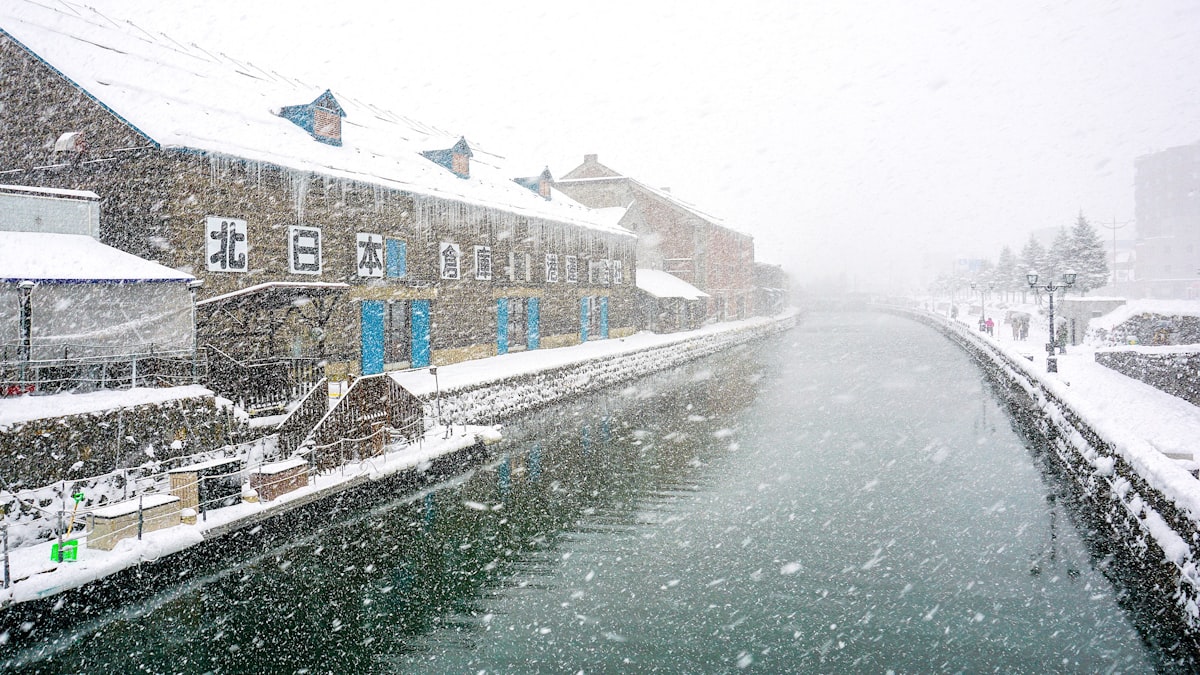
Hokkaido, Japan’s northern island, is a world apart — wide-open nature, world-class powder snow, incredible seafood, and cooler summers. Here’s what to do and when to go.
Top experiences
- Sapporo — the lively capital; ramen, beer, and the famous February Snow Festival.
- Otaru — a charming canal town near Sapporo, great for glassware and sushi.
- Furano & Biei — rolling lavender and flower fields in summer.
- Hakodate — night views, a morning seafood market, and historic streets.
- Shiretoko & Daisetsuzan — pristine national parks for hiking and wildlife.
Winter: powder paradise
- Niseko — legendary light, dry powder and international ski resorts.
- Furano & Rusutsu — great slopes with fewer crowds.
- Pair skiing with an onsen soak — the classic Hokkaido combo.
Eat your way around
- Seafood — uni (sea urchin), crab, salmon roe, and scallops.
- Sapporo miso ramen and soup curry.
- Dairy — Hokkaido milk, cheese, and soft-serve are famous. More in must-try foods.
When to go
- Winter (Dec–Mar): skiing, snow festival, drift ice.
- Summer (Jun–Aug): flowers, hiking, and cool escapes from the mainland heat.
Getting there & around
- Fly into New Chitose (Sapporo) or Hakodate — usually faster than the train from Honshu.
- Distances are big; renting a car is often the best way to explore rural areas.
- Plan it into a longer trip with our 14-day itinerary and best time to visit.
What things cost
- Round-trip flights from Tokyo to New Chitose run JPY 15,000-40,000 depending on season and booking lead time — winter ski season and the February Snow Festival window both command premium pricing.
- Niseko lift passes run JPY 6,000-9,000/day in peak season, among the pricier ski destinations in Japan given its international reputation, while smaller regional resorts like Rusutsu offer comparable snow at somewhat lower rates.
- Rental cars for exploring Furano, Biei, or rural Hokkaido run JPY 6,000-12,000/day and are close to essential outside the Sapporo-Otaru corridor, where public transport thins out significantly.
Common mistakes to avoid
- Underestimating driving distances — Hokkaido is roughly the size of Austria, and towns that look close on a national map can be a 3-4 hour drive apart; plan road routes with realistic time buffers, especially in winter conditions.
- Visiting Furano’s lavender fields outside the narrow bloom window (roughly mid-July) expecting the famous purple hillsides — the flowers have a short, specific peak season unlike more forgiving cherry blossom viewing.
- Skipping winter tire or 4WD rental in snow season — driving conditions genuinely require it, and standard rental cars in warmer regions won’t prepare you for how differently Hokkaido winter roads handle.
Hokkaido as a distinct regional trip
Because of the flight requirement and driving distances, Hokkaido works best treated as its own dedicated leg of a longer Japan trip rather than a quick add-on — most visitors budget at least 4-5 days to see even a focused selection of Sapporo, Otaru, and one further region like Furano or Hakodate.
Summer Hokkaido versus winter Hokkaido
The two seasons offer almost entirely different trips — summer’s cool temperatures, flower fields, and hiking suit travelers escaping mainland heat, while winter’s powder snow and the Sapporo Snow Festival draw a completely different crowd; most repeat visitors eventually experience both rather than assuming one visit covers “Hokkaido” as a whole.