Japan Trove

Category: Where & How to Buy

Tax-free shopping, Don Quijote, Akihabara, proxies and how to buy from Japan.

  • Buying Audio Gear in Japan: Headphones & Hi-Fi

    Buying Audio Gear in Japan: Headphones & Hi-Fi

    Some links below are affiliate links. If you buy through them, Japan Trove may earn a small commission at no extra cost to you.

    Japan is an audiophile’s paradise — home to legendary audio brands, specialist shops, and gear you can’t easily find elsewhere. If you love headphones and hi-fi, here’s what to know and where to buy.

    Why buy audio in Japan

    • Japan-exclusive models and colorways from major brands.
    • Deep specialist stores where you can audition dozens of headphones and IEMs.
    • Tax-free savings for tourists, plus a strong used market.

    Brands & gear to explore

    • Headphones & IEMs — famous Japanese audio houses and boutique in-ear brands.
    • Portable players & DACs — high-res audio players and amps.
    • Vinyl & hi-fi — turntables and components; pair with our vinyl records guide.

    Where to shop

    • e-earphones (Akihabara/Osaka) — a legendary headphone/IEM store with huge audition walls; see our Akihabara guide.
    • Yodobashi & Bic Camera — big tax-free selections; see our electronics guide.
    • Fujiya Avic and used shops for pre-owned bargains; see secondhand shopping.

    Before you buy

    • Audition first — bring your own music; staff are used to careful listeners.
    • Warranty may be domestic-only — ask for international if it matters.
    • Bring your passport for tax-free; some gear is on Amazon or via a proxy service for Japan-only items.

    Typical prices & what counts as a deal

    • Flagship over-ear headphones from Japanese brands often launch JPY 5,000-15,000 cheaper in Japan than their US/EU retail price, before tax-free savings are even applied.
    • Entry-level IEMs (in-ear monitors) from boutique Japanese and Chinese-import brands start around JPY 3,000-8,000 at specialist shops like e-earphones — a good way to try the hobby without committing to a flagship price.
    • Used and demo-unit gear at shops like Fujiya Avic can run 20-40% below new retail, and is a normal, well-regarded way to buy hi-fi in Japan, not a last resort.

    Common mistakes to avoid

    • Buying sealed without auditioning — nearly every specialist shop has open demo units on the audition wall; use them, since Japanese tuning preferences (often brighter or more detailed) can surprise buyers used to warmer Western tunings.
    • Assuming tax-free pricing applies everywhere — smaller specialist shops sometimes require a minimum purchase amount to process the tax refund; ask before you commit to multiple smaller items across different visits.
    • Forgetting voltage/plug compatibility for desktop amps and DACs — Japan runs 100V, which most modern chargers and small amps handle fine, but check the label on anything with a larger power brick.

    Best time and place to shop

    Weekday afternoons at e-earphones and similar shops are far quieter than weekends, giving you real time on the audition wall without feeling rushed. If you’re combining audio shopping with a wider electronics run, pair it with a stop at Yodobashi or Bic Camera for mainstream gear and save the specialist shops for anything niche or Japan-exclusive.

    Budget, mid-range & splurge shopping tiers

    • Budget: entry IEMs and used cables/accessories at specialist secondhand counters, JPY 2,000-8,000.
    • Mid-range: a well-regarded over-ear headphone or portable DAC/amp combo, JPY 20,000-60,000, often with meaningful tax-free savings.
    • Splurge: flagship reference headphones or a desktop tube amp setup, JPY 100,000+, best bought after auditioning several competitors on the same demo wall.

    Shipping gear home

    Larger or fragile purchases (turntables, floor-standing speakers, boxed amps) can usually be shipped internationally from the shop itself or via a forwarding service for a reasonable fee, which is worth asking about before you decide to check a bulky item as luggage. Keep your tax-free receipt and passport-linked purchase record until you clear customs at departure, since Japan’s tax-free system requires the paperwork to match the item leaving the country with you.
  • Buying a Camera in Japan: Tax-Free & Used Gear

    Buying a Camera in Japan: Tax-Free & Used Gear

    Some links below are affiliate links. If you buy through them, Japan Trove may earn a small commission at no extra cost to you.

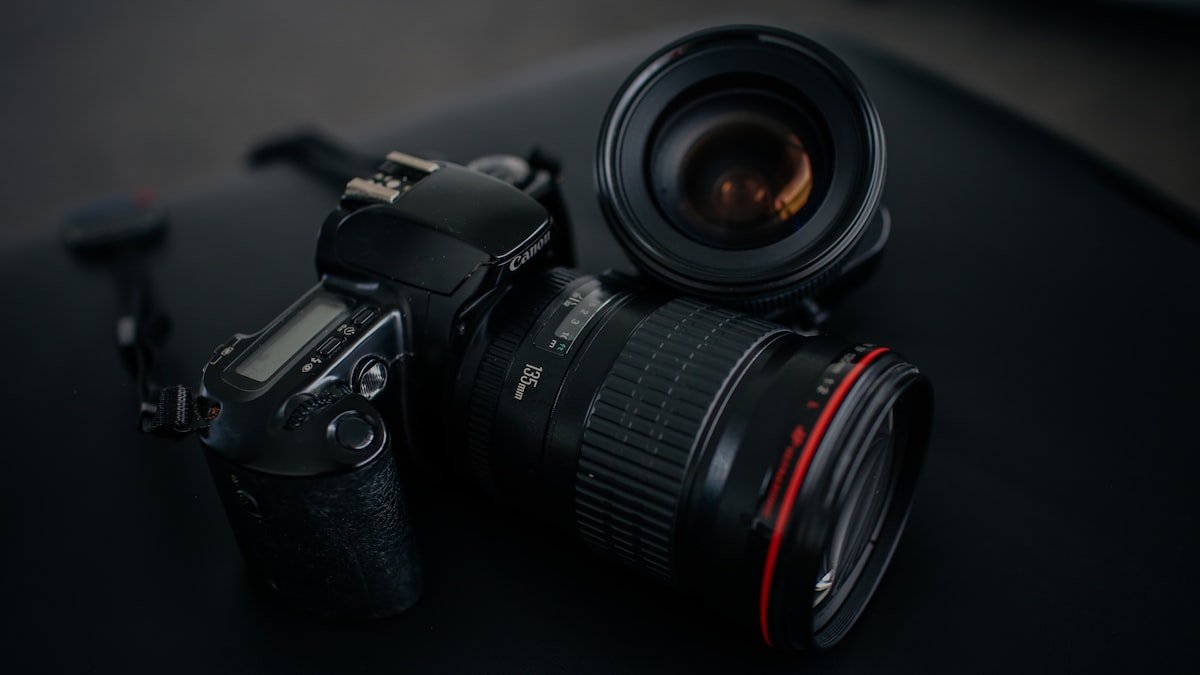
    Japan is a dream destination for camera shopping — huge selection, tax-free savings, and a legendary used-gear scene. Here’s how to buy a camera or lens without the pitfalls.

    Why buy a camera in Japan

    • Selection — enormous stock of bodies, lenses, and accessories under one roof.
    • Tax-free savings for tourists on top of competitive prices.
    • World-class used market — honestly graded, often near-mint gear at great prices.

    Where to shop

    • Yodobashi Camera & Bic Camera — giant tax-free electronics stores with English support; see our electronics guide.
    • Map Camera, Fujiya Camera, and Kitamura — famous for used gear (Shinjuku/Nakano).
    • Nakano Broadway & secondhand shops for vintage finds; see secondhand shopping.

    Before you buy

    • Warranty: many Japanese warranties are domestic-only — ask about international warranty for new gear.
    • Menus & markings are usually switchable to English, but confirm.
    • Voltage: chargers are typically universal, but check.
    • Bring your passport for tax-free.

    Used-gear tips

    • Learn the shop’s grading system (e.g. AB, B) — conditions are reliable.
    • Inspect the sensor and test the shutter where possible.
    • Can’t visit? A proxy service can bid on Japanese used-camera sites; some gear is on Amazon .

    What cameras and lenses typically cost

    • New mirrorless bodies often price JPY 20,000-50,000 below US/EU retail before tax-free savings, especially for Japan-market color variants and kit lens bundles not sold abroad.
    • Well-graded used lenses at Map Camera or Kitamura commonly run 20-40% below new price, with condition grading reliable enough that many professional photographers buy used gear exclusively in Japan.
    • Budget an extra 30-60 minutes at the register for tax-free processing during busy periods — Yodobashi and Bic Camera have dedicated tax-free counters, but they queue up on weekends.

    Common mistakes to avoid

    • Assuming all accessories are tax-free — consumables like batteries and cleaning supplies are sometimes excluded from the tax refund even when bought alongside a camera body.
    • Not testing the specific unit before leaving the store — reputable used shops allow this, and it takes only a few minutes to check the shutter count display and sensor for dust.
    • Buying a camera with a region-locked firmware feature (rare but possible on some accessories) without checking compatibility with software back home.

    Which shop for which need

    New, tax-free, English-speaking-staff purchases point toward Yodobashi or Bic Camera; if you want the widest possible used selection and don’t mind browsing without much English support, Map Camera and Fujiya Camera in Shinjuku have the deepest inventories. Nakano Broadway rewards patient browsers hunting for vintage film cameras and unusual lenses rather than a specific model on a list.

    International shipping for camera gear

    If you buy more than you want to carry, most large electronics stores can arrange international shipping for an added fee, and specialist used-camera shops are used to overseas buyers who return home and later regret not picking up one more lens — ask about their mail-order service for future purchases even after you’ve left Japan.

  • Cheap Souvenirs from Japan: Best Budget Gifts

    Cheap Souvenirs from Japan: Best Budget Gifts

    You don’t need to splurge to bring home great gifts from Japan. Some of the best souvenirs cost just a few hundred yen. Here’s where to find cheap, cheerful, unmistakably-Japanese finds.

    Best budget souvenirs

    • Kit Kats & regional snacks — fun flavors that travel well; see our Kit Kat guide.
    • Cute stationery — pens, sticky notes, washi tape; see stationery.
    • Chopsticks, tenugui cloths, folding fans, and small ceramic dishes.
    • Face masks & beauty samples — see drugstore buys.
    • Character goods & gachapon — see our capsule toy guide.

    Where to shop cheap

    • 100-yen shops (Daiso, Seria) — the champion of cheap souvenirs; see our 100-yen shop guide.
    • Don Quijote for snacks and novelties; see the Donki guide.
    • Konbini for last-minute edible gifts; see konbini must-buys.
    • Station & temple stalls for regional omiyage.

    Smart tips

    • Buy multipacks of individually wrapped sweets — perfect for sharing at work.
    • Prices are before tax; over 5,000 yen, shop tax-free with your passport.
    • Pack a foldable bag for the haul. For pricier picks, see our best gifts from Japan.

    Realistic budget for souvenir shopping

    • A well-stocked 100-yen shop haul of 10-15 small items (chopsticks, stationery, snacks) runs JPY 1,500-2,500 total including tax, making it possible to cover a whole gift list for under JPY 3,000.
    • Individually wrapped sweet multipacks at Don Quijote or a supermarket run JPY 500-1,200 per box and typically contain 8-16 pieces, ideal for splitting among coworkers without buying separate gifts for each person.
    • Station omiyage counters price regional specialty snacks slightly higher than supermarkets (JPY 800-1,500 per box) but offer flavors and packaging genuinely unique to that city or region, which can justify the premium for a memorable gift.

    Common mistakes to avoid

    • Buying all your souvenirs on the last day — popular regional snacks and limited items can sell out at station shops during a busy travel weekend; buy as you go rather than saving everything for departure day.
    • Forgetting the 5,000 yen tax-free minimum applies per store, per day, not across your whole trip — consolidating a big souvenir run at one store on one visit maximizes your chances of qualifying.
    • Overpacking glass or liquid items (sauces, drinks) without checking your airline’s carry-on liquid rules — these are safer in checked luggage, well-wrapped in clothing.

    Gifts that double as packing-friendly

    Flat items travel best: washi tape, tenugui cloths, and folding fans pack into almost no extra space and rarely break, unlike ceramics or bottled items. If you’re buying for a large group back home, prioritize these flat, lightweight categories over anything fragile to keep your luggage weight and stress down.

    Where budget souvenirs cluster together

    Station-adjacent shopping is the most efficient place to knock out most of your list at once — a big Don Quijote or a 100-yen shop near a major train station lets you compare regional snacks, everyday goods, and character merchandise side by side, which beats hunting through several smaller specialty shops across a city if time is limited near the end of a trip.

  • Ginza Shopping Guide: Luxury, Depachika & Flagships

    Ginza Shopping Guide: Luxury, Depachika & Flagships

    Ginza is Tokyo’s most elegant shopping district — flagship boutiques, historic department stores, and refined dining. Whether you’re window-shopping or splurging, here’s how to enjoy it.

    What Ginza is known for

    • Luxury flagships — the global fashion houses line Chuo-dori.
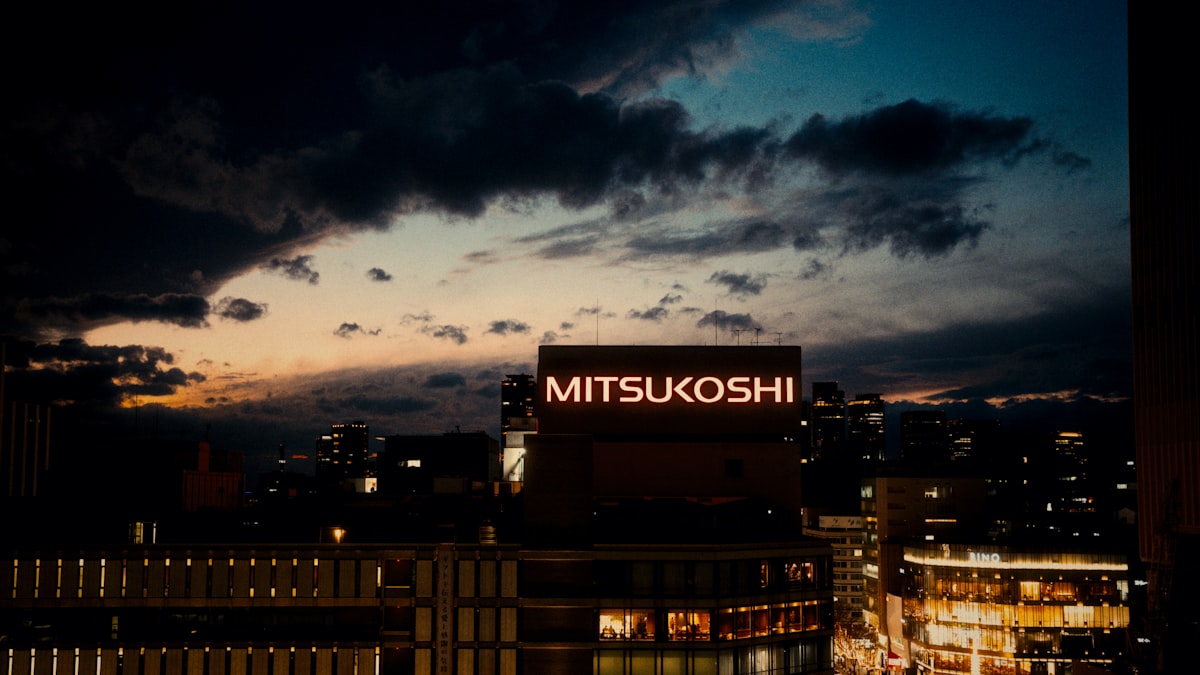
    • Historic department stores — Mitsukoshi, Matsuya, and Wako with its iconic clock tower.
    • Uniqlo & Muji flagships — the giant Ginza stores have the widest ranges; see Uniqlo vs Muji and Muji must-buys.
    • Depachika — the department-store food halls are a must for edible gifts and sweets.

    Don’t-miss stops

    • Ginza Six — a stylish mall with art installations and a rooftop garden.
    • Itoya — a legendary multi-floor stationery emporium; see Japanese stationery.
    • Weekend pedestrian paradise — Chuo-dori closes to cars on weekend afternoons.

    Shopping smart

    • Bring your passport for tax-free at department stores.
    • Depachika discount seafood/deli near closing time is a fun (and tasty) hack.
    • For cheaper souvenirs, pair with Don Quijote or 100-yen shops elsewhere.

    Getting there

    Ginza Station (multiple lines) drops you in the heart of it; grab an IC card. It pairs well with nearby Tsukiji. More in our Tokyo guide.

    What things cost in Ginza

    • A set lunch at even a well-regarded Ginza restaurant often runs JPY 2,000-4,000, a fraction of the equivalent dinner price — lunch is genuinely the way to experience Ginza dining without a splurge-level bill.
    • Window-shopping is free, and Ginza Six’s rooftop garden costs nothing to visit, making it possible to spend a full afternoon in the district without buying anything beyond a coffee.
    • Itoya’s stationery ranges from JPY 200 pens to museum-piece fountain pens well into six figures — browse the lower floors for affordable gifts and work up if a splurge item catches your eye.

    Common mistakes to avoid

    • Visiting on a Monday — some galleries, smaller boutiques, and specific floors within larger stores close or reduce hours on Mondays; check ahead if a specific shop is your reason for visiting.
    • Missing the weekend pedestrian paradise hours — Chuo-dori closes to traffic on weekend afternoons, transforming the main street into a walkable promenade; visiting on a weekday misses this entirely.
    • Assuming Ginza is only for luxury spending — the depachika food halls and Uniqlo/Muji flagships offer genuinely accessible price points alongside the high-end boutiques.

    Pairing Ginza with a fish-market morning

    Ginza sits within easy walking or short train distance of Tsukiji’s outer market, making an early sushi breakfast followed by a late-morning Ginza wander a popular and efficient combination for a first Tokyo visit.

    A relaxed half-day plan

    Start at Itoya for stationery browsing, walk Chuo-dori’s flagship stores at a window-shopping pace, stop into a department store depachika for a late lunch or snacks, and finish at Ginza Six’s rooftop garden before heading toward Tsukiji or back to your hotel — a comfortable structure that doesn’t require rushing between any single must-see stop.

  • Secondhand Shopping in Japan: Thrift & Luxury Deals

    Secondhand Shopping in Japan: Thrift & Luxury Deals

    Japan is a secondhand paradise — used goods here are famously clean, honestly graded, and cheap. From designer bags to vintage kimono, thrifting is one of the smartest ways to shop. Here’s how.

    Why Japan’s secondhand scene is special

    Japanese resale culture prizes condition and honesty: items are meticulously cleaned, carefully graded, and often look nearly new. Because many owners treat things gently, you’ll find high-quality goods — including luxury — at a fraction of retail.

    The big chains to know

    • Book-Off — used books, manga, games, CDs; see buying manga.
    • Hard-Off / Off-House — electronics, instruments, and general goods.
    • 2nd Street & Mode Off — used fashion and accessories.
    • Mandarake — collectibles, figures, and vintage anime goods; great in Akihabara.

    What to hunt for

    • Luxury bags & watches — reputable resellers authenticate; huge savings. See Japanese watches.
    • Vintage fashion — Shimokitazawa and Koenji in Tokyo are treasure troves.
    • Vintage kimono — beautiful and inexpensive; see the kimono & yukata guide.
    • Cameras, games & collectibles — often mint condition.

    How grading works

    Shops grade items (often S/A/B/C or similar) by condition, with prices to match. Inspect anything electronic or mechanical, and don’t be shy — staff are used to careful browsing.

    Tips

    • Bring your passport — many chains offer tax-free over the threshold.
    • Prices are usually fixed (little haggling), but sales and bargain corners are common.
    • Can’t visit in person? A proxy service can bid on Japanese resale sites and auctions for you.
    • It’s a sustainable, budget-friendly way to find unique gifts.

    What secondhand prices actually look like

    • Used designer bags at reputable resellers (like a well-graded Louis Vuitton or Coach piece) commonly sell 30-60% below retail, with authentication already done by the shop — a real advantage over marketplace buying elsewhere.
    • Book-Off manga runs JPY 100-500 per volume for older or common titles, while rare first editions and complete sets command a premium closer to new pricing.
    • Vintage kimono at secondhand shops often run JPY 2,000-8,000 for pieces that would cost tens of thousands new, since younger generations increasingly don’t want the formal garments passed down from grandparents.

    Common mistakes to avoid

    • Assuming secondhand means poor condition — Japan’s resale culture treats “used” and “well-cared-for” as compatible ideas; genuinely mint-condition electronics, bags, and clothing are the norm at graded shops, not the exception.
    • Skipping the grading label — shops post condition grades (often S, A, B, C) directly on the price tag; learning this system in the first store you visit makes every subsequent shop faster to browse.
    • Not checking working condition on used electronics — reputable shops test and warranty items for a short period, but asking staff to demonstrate a camera or game console before buying is normal practice.

    A neighborhood-based approach

    Rather than hunting individual shops across a city, pick one secondhand-dense neighborhood and spend a half-day there — Shimokitazawa and Koenji in Tokyo cluster dozens of vintage and resale shops within walking distance, making for a far more efficient (and fun) afternoon than crossing town between isolated stores.

    Shipping bulkier secondhand finds

    If a shopping trip turns up more than your suitcase can handle — a stack of manga, a vintage camera, several kimono — most large chains and specialist shops can arrange international shipping for an added fee, which is often cheaper than paying overweight baggage charges at the airport.

  • Electronics to Buy in Japan (and What to Avoid)

    Electronics to Buy in Japan (and What to Avoid)

    Some links below are affiliate links. If you buy through them, Japan Trove may earn a small commission at no extra cost to you.

    Japan is a gadget lover’s playground — but before you fill your suitcase, there are voltage, region, and warranty catches to know. Here’s a smart buyer’s guide.

    Read this first: compatibility

    • Voltage: Japan runs on 100V. Many electronics are dual-voltage, but not all — check the label, especially for hair tools and appliances.
    • Plugs: Japan uses Type A (like North America). You may need an adapter at home.
    • Region locks: Blu-rays and some game hardware are region-specific. Nintendo Switch is region-free — see buying Nintendo games.
    • Warranty: Japanese warranties are usually domestic-only; look for “international warranty” if it matters.

    What’s actually worth buying

    • Cameras & lenses — great selection; tax-free savings add up.
    • Audio — headphones, earbuds, and hi-fi from Japanese brands.
    • Beauty tech — facial devices and hair tools (check voltage!); see beauty tools.
    • Kitchen gadgets — rice cookers (buy the overseas-voltage export models), quirky tools.
    • Watches — Japanese watch brands at good prices.
    • Gaming — see Nintendo and retro finds in Akihabara.

    Where to buy

    • Yodobashi Camera & Bic Camera — huge, tax-free, English support.
    • Don Quijote for cheap gadgets — see our Donki guide.
    • Akihabara for specialist and used gear.

    Save money

    • Bring your passport for tax-free shopping (5,000 yen+).
    • Ask for the export model for voltage-sensitive appliances.
    • Buying big or heavy? Consider a proxy service or check prices on Amazon back home.

    What things typically cost

    • New camera bodies and lenses often price JPY 20,000-50,000 below overseas retail before tax-free savings, while headphones and audio gear from Japanese brands run 10-30% cheaper than export pricing.
    • Rice cookers built for the export market (110-240V) run JPY 15,000-40,000 for a good mid-range model — always confirm you’re buying the export version, since the domestic 100V-only models are often displayed alongside them at a lower price.
    • Nintendo Switch games run JPY 5,000-7,500 new, occasionally cheaper than Western retail depending on exchange rates, with a much deeper back-catalog of used titles at Japanese game shops.

    Common mistakes to avoid

    • Buying a hair styling tool without checking the voltage label — this is the single most common regret purchase; many hair dryers and straighteners sold in Japan are 100V-only and will burn out or malfunction on a 220-240V home circuit without a proper voltage converter (not just a plug adapter).
    • Assuming region locks apply to everything — Nintendo Switch games are region-free worldwide, but some older console formats and Blu-rays are not; check the specific product rather than assuming based on gaming habits from a different console generation.
    • Skipping the international warranty question on expensive purchases — ask explicitly at the register, since it’s not always volunteered, and a domestic-only warranty can matter if something needs repair after you’re home.

    Where to compare prices efficiently

    Yodobashi and Bic Camera often price-match or come close to each other on the same models, so a quick comparison between their nearby branches (many cities have both within walking distance) before committing to a purchase is a low-effort way to ensure a fair price on bigger-ticket electronics.

    Shipping heavier electronics purchases

    For a large camera and lens combo or a rice cooker, ask about international shipping directly from Yodobashi or Bic Camera rather than checking fragile electronics as luggage — this is a routine service for overseas visitors and often costs less than the risk of damage or excess baggage fees.

  • Akihabara Shopping Guide: Anime, Games & Electronics

    Akihabara Shopping Guide: Anime, Games & Electronics

    Akihabara — “Akiba” — is Tokyo’s electric town and the beating heart of anime, gaming, and gadget culture. Here’s how to shop it without getting overwhelmed.

    What Akihabara is famous for

    • Anime & manga goods — figures, merch, doujinshi, and more.
    • Electronics — from tiny components to the latest gadgets.
    • Retro & current gaming — consoles, cartridges, and arcades.
    • Otaku culture — maid cafes, gachapon halls, and themed stores.

    Stores to know

    • Yodobashi Akiba — a giant one-stop electronics department store, tax-free for tourists.
    • Mandarake — floors of collectibles, vintage figures, and manga.
    • Super Potato — the famous retro-game shrine.
    • Animate & Kotobukiya — anime merch and model kits; see buying anime figures.
    • Gachapon halls — walls of capsule-toy machines.

    Shopping smart

    Tips

    • Weekends are busy; the main street (Chuo-dori) goes pedestrian-only on Sundays (weather permitting).
    • Building basements and upper floors hide the best specialist shops — look up.
    • Can’t carry it all? Use a proxy service to ship home.

    Akiba is a half-day easily — pair it with the rest of our Tokyo guide.

    What things cost

    • Used figures and collectibles at Mandarake run a wide range, JPY 500 for common items to JPY 50,000+ for rare, boxed, or discontinued pieces — the grading system on display tags is worth learning on your first visit.
    • Retro games at Super Potato run JPY 1,000-8,000 depending on rarity and condition, often cheaper than equivalent Western retro-gaming marketplace prices despite the shop’s cult reputation.
    • A gachapon hall session realistically runs JPY 1,000-3,000 in coins if you’re trying for a few specific items, on top of whatever else you buy in the district.

    Common mistakes to avoid

    • Only visiting ground-floor shops — many of Akihabara’s best specialist stores are on upper floors or basements of nondescript buildings; looking up at building directories as you walk reveals far more than street-level browsing alone.
    • Shopping only on a weekend — Chuo-dori’s pedestrian-only Sunday hours are fun for atmosphere but also the most crowded time to actually browse inside shops; a weekday visit is more efficient for serious shopping.
    • Not budgeting time separately for electronics versus collectibles — Yodobashi Akiba alone can take an hour to properly browse, and treating the whole district as a quick single stop usually means shortchanging one category or the other.

    A practical half-day sequence

    Start with Yodobashi Akiba for electronics while you’re fresh, move to Mandarake and Super Potato for collectibles and retro games, and finish at a gachapon hall or Animate for smaller, lighter souvenirs — ending on the lightest, most packable purchases makes sense if you’re carrying everything for the rest of the day.

    Akihabara beyond the shopping

    Maid cafes and themed cafes are a genuine part of the district’s culture, not just a novelty for tourists — a short visit (most run a cover charge plus a drink minimum, roughly JPY 1,500-2,500 total) gives a taste of otaku entertainment culture that complements the shopping rather than distracting from it.

  • Don Quijote (Donki) Shopping Guide for Tourists

    Don Quijote (Donki) Shopping Guide for Tourists

    Don Quijote — “Donki” to locals — is Japan’s chaotic, wonderful discount megastore, and a must-visit for souvenir shopping. Here’s how to conquer it.

    What is Don Quijote?

    A maze-like discount chain (look for the blue penguin mascot, Donpen) selling everything: snacks, cosmetics, electronics, costumes, luxury bags, and bizarre novelties. Many branches are open late or 24 hours, and the big ones are tax-free.

    What to buy

    • Snacks & candy — Kit Kats, matcha treats, and regional flavors. See our Kit Kat flavors guide.
    • Cosmetics & skincare — Japanese skincare and drugstore buys at good prices.
    • Character goods — Studio Ghibli, Sanrio, Pokémon.
    • Kitchen & gadgets — quirky tools and cheap knives.
    • Only-in-Japan novelties — the top floors are a rabbit hole.

    Save the most: tax-free + coupons

    • Spend 5,000 yen+ and bring your passport for tax-free shopping.
    • Donki often has tourist coupons (online or via their app) you can stack on top of tax-free.
    • Prices vary by branch — the tourist-heavy stores aren’t always cheapest.

    Survival tips

    • The layout is deliberately confusing and the jingle is relentless — embrace the chaos.
    • Go late at night to dodge crowds at central branches.
    • Bring a bag; give yourself more time than you think.

    Donki is one stop — round out your haul with the best gifts from Japan and konbini must-buys.

    Know the floors before you go

    Bigger Donki branches are loosely themed by floor: snacks and drinks near the entrance, cosmetics and health goods a level up, then character goods, homeware, electronics, and the famous top-floor novelties and costumes. If you’re short on time, ask staff to point you to the floor you want rather than spiraling through the maze.

    Best time to go

    Central tourist branches (Shibuya, Shinjuku, Dotonbori) are calmest late at night — many are open 24 hours. Go after dinner to dodge the daytime crush, and keep your passport on you for tax-free checkout.

    What things typically cost

    • Snacks and drinks run JPY 100-500, similar to konbini pricing but with far more variety and occasional bulk discounts on multi-packs.
    • Cosmetics and drugstore items are often 10-20% cheaper than department store prices for the same brands, making Donki a smart stop specifically for stocking up on J-beauty favorites rather than a one-off browse.
    • A full tax-free shopping trip (5,000 yen+) can save a genuine 10% on top of already-discounted prices, and stacking a tourist coupon from the Donki app on top of that pushes savings further still.

    Common mistakes to avoid

    • Assuming every branch has the same prices — tourist-heavy locations in Shibuya or Dotonbori aren’t always the cheapest; a branch in a less touristy neighborhood can have lower prices on the same items if you have time to compare.
    • Skipping the app coupon before checkout — the Donki tourist coupon is typically shown at checkout and easy to miss if you didn’t download it in advance; grab it before you start shopping, not after you’re already in line.
    • Getting overwhelmed and leaving without your priority items — the maze-like layout genuinely disorients first-time visitors; deciding on 2-3 priority categories before entering keeps a visit focused rather than aimless.

    Donki as a one-stop souvenir solution

    Because it stocks nearly every souvenir category under one roof — snacks, cosmetics, character goods, kitchenware, novelties — a single well-planned Donki visit can realistically complete an entire gift list in one stop, which is part of why it’s such a popular last-day shopping destination before a flight home.

    Late-night shopping etiquette

    Many central branches stay genuinely lively at 1-2am, and shopping late is completely normal there, but keep noise down and be mindful of staff restocking shelves overnight — late hours are for shopper convenience, not an excuse to treat the space differently than you would during the day.

  • Tax-Free Shopping in Japan: How It Works for Tourists

    Tax-Free Shopping in Japan: How It Works for Tourists

    Tourists can shop tax-free in Japan and save the 10% consumption tax — but there are rules, thresholds, and a few gotchas. Here’s how to do it right.

    Who qualifies

    Foreign visitors on a “temporary visitor” status (short-term tourists) can buy tax-free. You’ll need your physical passport at the register — a photo usually isn’t accepted.

    The 5,000 yen rule

    • Minimum spend: 5,000 yen (before tax) at one store, in one day.
    • Two categories: “general goods” (electronics, clothing, bags) and “consumables” (cosmetics, food, drugstore items). Each category counts its own 5,000 yen threshold — but many stores let you combine them.
    • Consumables get sealed in a special bag you shouldn’t open until you leave Japan.

    How it works at the till

    1. Look for a “Tax-Free” sign (common at department stores, drugstores, Don Quijote, and electronics shops).
    2. Some stores deduct the tax on the spot; others refund it at a dedicated tax-free counter after you pay.
    3. Bring your passport; the purchase is recorded digitally to it.

    Good to know

    • Consumables must be unopened and taken out of Japan — don’t crack open that sealed bag early.
    • Customs may check your tax-free purchases when you depart.
    • Not everything is eligible, and some small shops don’t offer it.
    • Tax-free is separate from any store coupons — stack a tourist coupon on top where allowed (e.g. Don Quijote — see our Don Quijote guide).

    Where it pays off most

    Big-ticket electronics, cosmetics hauls, and gift shopping are where the 10% adds up. Planning a serious shopping day? Combine tax-free with our buying-from-Japan guide for items you can’t carry home.

    How much tax-free actually saves

    • The 10% consumption tax refund on a JPY 30,000 shopping day saves JPY 3,000 — add this up across a full trip’s cosmetics, electronics, and gift purchases and it becomes a meaningful chunk of a shopping budget.
    • Some larger stores deduct the tax immediately at checkout, effectively giving you the discounted price on the spot, while others require paying full price and processing the refund at a separate tax-free counter — ask which system a store uses before you check out.
    • Airport tax refund counters exist for purchases made at non-tax-free stores, but the process is slower and requires keeping every receipt; it’s simpler to shop at clearly marked tax-free stores throughout your trip rather than relying on airport processing.

    Common mistakes to avoid

    • Opening sealed consumable bags before leaving Japan — customs can and does check these at departure, and an opened bag can mean losing the tax exemption or facing questions at the gate; wait until you’re through security or even until you land home.
    • Forgetting your passport on a shopping day — without the physical passport in hand at checkout, tax-free processing simply isn’t possible, no exceptions for photos or digital copies.
    • Assuming small independent shops offer tax-free — it’s mainly larger stores and chains; boutique shops and most restaurants don’t participate, so check for the sign rather than assuming.

    Planning a dedicated tax-free shopping day

    If shopping is a real trip priority, consolidating bigger purchases into one or two dedicated days at large tax-free stores (department stores, electronics megastores, Donki) makes the passport-and-receipt process far more efficient than spreading purchases thinly across many small transactions throughout the trip.

    Combining tax-free with other savings

    Tax-free status stacks with sale prices and most store discounts, so timing a purchase during an end-of-season sale on top of the tax exemption can mean substantial total savings — worth checking whether a specific item you want is on sale before assuming the tax-free price alone is the best deal available.

  • Best Gifts from Japan: 15 Ideas Under $30

    Best Gifts from Japan: 15 Ideas Under $30

    Some links below are affiliate links. If you buy through them, Japan Trove may earn a small commission at no extra cost to you.

    Whether you’re bringing back souvenirs or shopping for a Japan-loving friend from home, these gift ideas hit the sweet spot: distinctly Japanese, genuinely useful or delicious, and mostly under $30. Here’s what to get and where.

    Edible gifts (crowd-pleasers)

    • Regional Kit Kats — matcha, sake, and local flavors in gift boxes; see our Kit Kat guide.
    • A Japanese snack box — the easiest “wow” gift, delivered monthly; compare the best snack boxes.
    • Matcha or sencha tea — a small tin of good green tea is elegant and light to carry.

    Beauty & self-care

    • Japanese sunscreen — the cult textures make a great, affordable gift; see the best Japanese sunscreens.
    • Sheet masks & skincare — a little set from our J-beauty guide.
    • A quality nail clipper or beauty tool — Japan’s are famously precise.

    Things they’ll actually use

    • A great pen or notebook — from our stationery guide; the JetPens gift sets are perfect.
    • A furoshiki (wrapping cloth) or tenugui (patterned towel) — beautiful and flat-packing.
    • Ceramics or chopsticks — a nice pair of chopsticks with a rest feels special.

    For the hobbyist

    Anime and gaming fans love a figure, a keychain, or a beginner Gunpla kit — see how to buy figures from Japan.

    Where to buy from abroad

    Many of these are on Amazon and YesStyle . For anything Japan-only, use a proxy — see how to buy from Japan.

    Tip: gift-intent shoppers convert best on pre-packaged sets (snack boxes, tea tins, stationery kits) — they look premium and travel well.

    What things typically cost

    • Regional Kit Kat gift boxes run JPY 800-1,500 for 8-12 pieces, comfortably under the $30 budget with room to add a second small item.
    • A quality tea tin (sencha or matcha) runs JPY 1,500-3,000, elegant enough to feel like a considered gift rather than a generic snack purchase.
    • A good pen or small stationery set from a specialty shop runs JPY 1,500-4,000, often the most-used and longest-lasting gift on this entire list relative to its price.

    Common mistakes to avoid

    • Buying only edible gifts for a large group — while safe and crowd-pleasing, mixing in at least one non-edible item (stationery, a furoshiki cloth) gives variety and avoids everyone receiving nearly identical snack boxes.
    • Choosing skincare or beauty items without checking the recipient’s skin type or preferences — unlike snacks, beauty products carry some risk of mismatch; a neutral pick like a nail clipper or fragrance-free item is safer for someone whose preferences you don’t know well.
    • Underestimating how well pre-packaged sets perform as gifts — a station or airport-bought snack box or stationery set already looks put-together and gift-ready, saving you the effort of assembling and wrapping several loose items yourself.

    Matching the gift to the recipient

    For a coworker or acquaintance, an individually wrapped snack box keeps things easy and shareable; for a close friend or family member with a specific interest (cooking, stationery, anime), a more targeted pick from this list — a good pen, a Gunpla kit, or quality tea — reads as more thoughtful than a generic omiyage box.

    Packing gifts to survive the trip home

    Flat items (stationery, furoshiki, tea tins) pack far more reliably than anything glass or ceramic; if you’re buying breakable items as gifts, wrap each one individually in clothing and pack centrally in your suitcase rather than near the edges, where the risk of impact damage is highest.