Japan Trove

Category: Uncategorized

  • Fukiware Falls: Gunma’s “Little Niagara” and the Tanigawa River Gorge

    Most waterfalls in Japan are about height — a single ribbon of water dropping off a cliff. Fukiware Falls is about width and violence: the Katashina River splits, twists, and tears through a 500-meter slot in volcanic rock, dropping only about 7 meters but spreading across roughly 30 meters of churning water. Locals have nicknamed it “Toyo no Naiagara,” the Niagara of the East, and while that’s a stretch in scale, the comparison nails the feeling — this is a river actively carving its own gorge in front of you, not a static postcard scene. It sits in Numata, a quiet corner of Gunma Prefecture that most foreign visitors skip entirely, which is exactly why it’s worth the detour.

    What Makes Fukiware Falls Different

    Fukiware Falls (吹割の滝) is designated one of Japan’s Natural Monuments and Places of Scenic Beauty, and the designation is really about the gorge, not just the drop. The Katashina River runs over a wide bed of andesite, hits a fault line, and funnels into a narrow trench that it has been cutting deeper for thousands of years. The result is a braided set of cascades and whirlpools rather than one clean waterfall face — the water sprays sideways as much as it falls down. A pedestrian suspension bridge crosses the gorge just downstream, giving you a straight-on view into the slot, and walking paths on both banks let you look almost straight down into the churn.

    Getting There: Train, Bus, and Driving Options

    By car from Tokyo, it’s about 150km: take the Kan-etsu Expressway to Numata IC, then local roads for roughly 20–25 minutes — figure 2.5 to 3 hours total depending on traffic. There’s a paid lot right by the falls (around ¥500 per car) plus a scattering of shop-run lots nearby.

    Without a car, take the Joetsu Shinkansen from Tokyo to Jomo-Kogen Station (about 80 minutes), then a taxi the rest of the way (roughly 20–25 minutes, expect somewhere around ¥4,000–5,000). The cheaper but slower route is a local JR Joetsu Line train to Numata Station, then a Kan’etsu Kotsu bus bound for Hanazono Onsen or Oze, getting off at the “Fukiware no Taki” stop — the ride is about 40–50 minutes and fares run roughly ¥1,000–1,200 one-way. These rural buses run on a limited schedule, especially outside the April–October Oze hiking season, so check timetables before you commit to this route, and build in slack for the return bus. If you’re traveling light and flexible on timing, this is also the kind of rural stretch where hitchhiking in Japan is actually a realistic backup plan when buses are sparse.

    Best Time to Visit: Seasons and Water Levels

    Fukiware Falls looks genuinely different depending on the season. Late April through May brings fresh green (shinryoku) on the gorge walls and generally strong water volume from snowmelt, which is when the falls look their most dramatic. Mid-October through early November brings autumn color — Numata sits at higher elevation than Tokyo, so the foliage peaks noticeably earlier, often two to three weeks ahead of the city. Summer (July–August) is popular with domestic day-trippers escaping the heat, since the gorge stays cool and misty, but water levels can spike quickly after rain upstream, which matters for the safety point below. Winter is quiet and the crowds disappear, but bus service thins out and some shops close, so a car is the more reliable option.

    Walking the Gorge: Trails, Viewpoints, and Safety

    The site itself has no admission fee — it’s a public riverside area, not a ticketed attraction. A loop along both banks, including crossing the suspension bridge, takes about 20–30 minutes at an easy pace; add another 15–20 minutes if you walk upstream to Hantaki, a smaller secondary cascade. The paths are mostly flat and paved near the main viewpoints but get uneven and slippery on the rock shelves closer to the water.

    This is also where the common mistake happens: the flat rock surfaces beside the gorge look safe to stand on, and every year visitors climb past the railings for a better photo. The current through the slot is fast and the rock gets slick with spray, and there have been fatal accidents here from people being swept in — this isn’t a theoretical warning sign. Stay on the marked paths and bridge, and don’t treat the riverbed rocks as a viewing platform, no matter how calm the water looks on a given day.

    What to Eat and Buy Nearby

    Because Fukiware sits on an old rest-stop road, the cluster of shops by the parking area has been selling snacks to travelers for generations. Gunma is one of Japan’s biggest konnyaku (konjac) producing regions, and you’ll see it everywhere here — grilled konnyaku skewers with miso (dengaku) for a few hundred yen, plus packaged konnyaku blocks and noodles to take home. Soba and udon shops line the approach for a sit-down lunch (budget roughly ¥800–1,200 for a bowl), and there are usually a few stalls selling manju and fresh fruit in season. None of this is fine dining, but it’s an easy, cheap stop that pairs naturally with the walk.

    Nearby Day-Trip Extensions

    Numata itself is known regionally as a fruit-growing area — apple, peach, pear, and grape orchards open for pick-your-own visits from summer through autumn, much like the more famous setup at Hirosaki’s apple orchards in Aomori, just on a smaller scale and far closer to Tokyo. If you have a car and want to turn this into an overnight trip, Gunma borders Tochigi to the east, where Yunishigawa Onsen makes a scenic hot-spring stop, particularly in winter when its snow-hut festival is running. Heading north from Fukiware instead leads toward the entrances to Oze National Park, a popular hiking destination in warmer months.

    Practical Tips and Common Mistakes

    • Don’t assume same-day round trips on public transport are easy. Bus frequency to Fukiware drops sharply outside the Oze hiking season — check the return bus time before you arrive, or you may be stuck arranging a taxi back to Numata Station.
    • Bring cash. The parking lot and most of the small food shops near the falls are cash-based; don’t count on card payment this far outside central Tokyo.
    • Check the weather upstream, not just locally. Heavy rain in the mountains can raise the river fast even on a clear day at the falls — if water looks unusually high or fast, keep extra distance from the edges.
    • Combine it with Numata, not just a straight there-and-back. The town has little in the way of major sights, but it’s a reasonable lunch stop and a place to pick up Gunma-grown produce or konnyaku products before heading back to Tokyo or on to Nikko and Tochigi.

    Fukiware Falls won’t match Nikko or Kamikochi for sheer visitor infrastructure, and that’s the point — it’s an easy, uncrowded half-day detour that rewards anyone willing to get slightly off the Tokyo day-trip script.
  • Kijoshu: Japan’s Rare Aged Sweet Sake and Where to Try It

    Kijoshu: Japan’s Rare Aged Sweet Sake and Where to Try It

    Photo by Beth Macdonald on Unsplash

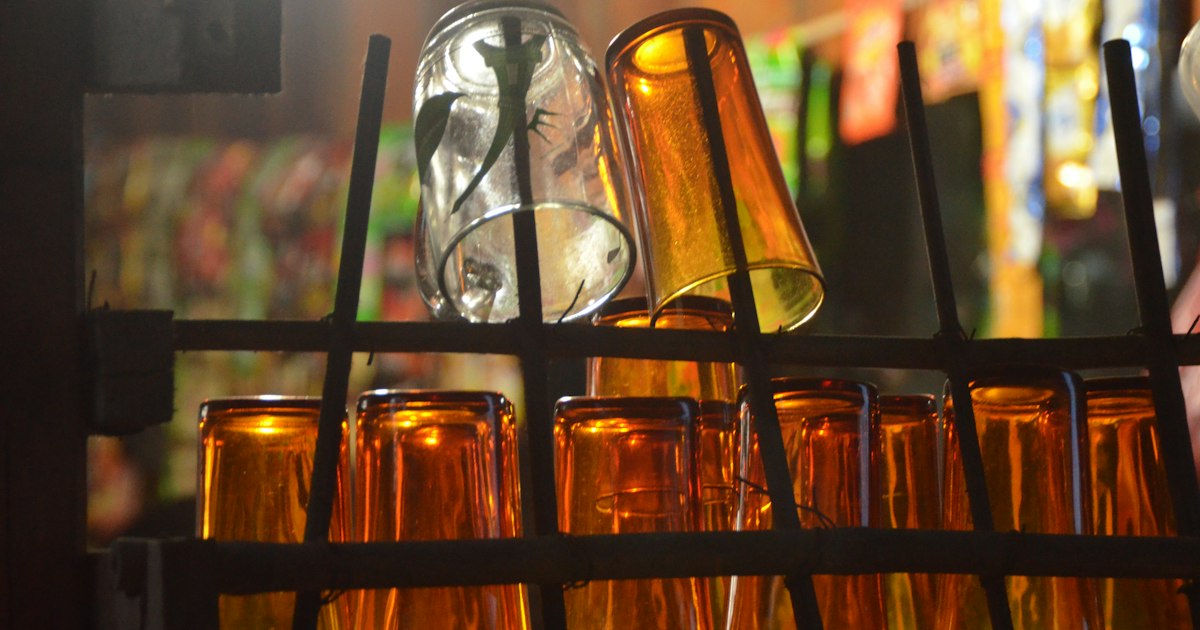
    Most sake is made to be drunk by the cup, pairing quietly with a meal. Kijoshu (貴醸酒) is the opposite: a thick, amber, intensely sweet sake meant to be sipped slowly from a small glass, like a dessert wine. It’s one of the strangest and least-exported styles of sake Japan makes, and unless you know to look for it, you can spend a week in the country’s best sake bars and never see a bottle. Here’s what it is, how it’s made, and the handful of places where you can actually track it down.

    What Makes Kijoshu Different

    Ordinary sake is brewed by fermenting steamed rice, koji mold, and water together. Kijoshu uses the same process with one deliberate substitution: during the final water addition to the fermenting mash (the step brewers call tome-zoe), the brewer replaces some or all of the water with sake itself. Pouring alcohol into a fermenting mash slows the yeast down before it can convert all the sugar into alcohol, so the finished sake comes out syrupy, deep amber, and far sweeter than anything fermented with plain water.

    The technique isn’t ancient — it was developed in 1973 at Japan’s National Research Institute of Brewing in Hiroshima, reviving a much older Nara-period idea of brewing sake with sake instead of water. Because it uses extra sake as a raw ingredient, kijoshu is expensive to make and brewers only release small batches, which is why it’s sold as a specialty item rather than a everyday drink. Expect color ranging from pale gold to a sherry-like amber, and a texture closer to liqueur than table sake.

    How It Tastes, and How to Drink It

    Good kijoshu tastes like a cross between sherry, Sauternes, and caramelized rice — raisin and honey notes up front, a sticky-sweet body, and a short, slightly bitter or nutty finish that keeps it from feeling cloying. Alcohol content typically runs 13–17%, noticeably stronger than it tastes, which is the single biggest trap for first-timers.

    Serve it chilled or at cool room temperature, in a small wine glass rather than a sake cup — a 30–60ml pour is standard, not a full glass. It’s traditionally drunk as an aperitif or, more often, as a dessert pairing: with blue cheese, foie gras, dark chocolate, or vanilla ice cream. Because of the sugar and density, most bottles are sold in 300ml or 360ml formats rather than the usual 720ml or 1.8L, which also explains why prices per milliliter look steep compared to regular sake.

    Where to Buy a Bottle

    Kijoshu isn’t something you’ll find at a convenience store, and even large supermarkets rarely stock it. Your realistic options, roughly by budget:

    • Budget (around ¥1,200–¥2,000 for 300ml): Specialty sake retailers like Imadeya, which has branches in Tokyo (Ebisu, Shibuya) and Osaka, occasionally carry one or two kijoshu labels among their craft sake selection. Stock rotates, so call ahead or ask staff if none is on the shelf.
    • Mid-range (¥2,500–¥4,500 for 300–500ml): Department store sake corners, such as Isetan Shinjuku’s basement food hall, carry a more curated, often more aged selection, including gift-boxed bottles.
    • Splurge (¥5,000+): Long-aged kijoshu, sometimes cellared for 3–10 years, develops a darker, soy-sauce-like color and deeper flavor. These limited vintage releases show up around New Year gift season and at sake fairs, and are the closest thing Japan has to a dessert-sake equivalent of vintage port.

    A quirk worth knowing before you buy: the bottling date printed on the label is usually given in the Japanese imperial era system rather than the Western calendar, so a bottle marked “令和7年” was bottled in 2025. If the date format on a label throws you, this explainer on why Reiwa still shows up on receipts and labels walks through the conversion.

    Visiting a Kijoshu Brewery in Hiroshima

    Saijo, a district of Higashihiroshima City, is one of Japan’s three great sake-brewing towns (alongside Nada in Kobe and Fushimi in Kyoto), and it’s the birthplace of kijoshu. Several breweries sit within a 15-minute walk of JR Saijo Station, itself about 25–40 minutes from Hiroshima Station on the JR Sanyo Line (around ¥680 one-way). Sanyo Jozo, maker of the widely cited Misonotsuru Kijoshu, is one of the breweries based here and a good first stop if you want to taste the style at its source.

    Brewery shops in the district generally open around 9:00–17:00 and close for the New Year holidays; hours and tasting availability vary by brewery, so it’s worth checking ahead rather than showing up unannounced. The best single time to visit is the second weekend of October, when Saijo hosts its annual Sake Matsuri — tens of thousands of visitors sample sake from dozens of breweries for the cost of a tasting cup, and limited-run kijoshu often appears alongside the regular lineup. Outside festival weekend, late autumn through winter is brewing season, so some breweries restrict tours to protect the work in progress; spring and early autumn visits are generally easier for a casual walk-through.

    Tasting in Tokyo Without a Trip to Hiroshima

    If Hiroshima isn’t on your itinerary, the Japan Sake and Shochu Information Center, near Toranomon/Nishi-Shimbashi in Minato City, is the most reliable place in Tokyo to taste a range of sake styles — including kijoshu when it’s in rotation — for a small per-glass fee using a coupon system. It’s run by the national sake and shochu trade association rather than a single brewery, so the selection changes; staff can tell you on the spot whether kijoshu is currently poured. It’s closed on weekends and public holidays, so this is strictly a weekday stop — confirm current hours before you go, since trade-association facilities like this adjust their schedule more often than retail shops do.

    Common Mistakes to Avoid

    • Drinking it like regular sake. It’s sweeter and often stronger than it tastes, and a full sake-cup pour will hit much harder than expected — treat it like a fortified wine, not a table sake.
    • Serving it warm. Unlike many junmai or honjozo styles, kijoshu is almost always better chilled; warming it emphasizes the sweetness without the balancing acidity.
    • Confusing it with mirin. The color and syrupy texture look similar, but mirin is a cooking seasoning, not a drinking sake — check the label for “清酒” (seishu) or “貴醸酒” before buying.
    • Not refrigerating after opening. The higher residual sugar makes it more prone to flavor change once opened; keep it cold and finish within a few weeks.
    • Expecting every sake shop to stock it. Because production is small and seasonal, it’s genuinely rare outside specialty retailers and brewery shops — budget time to hunt for it rather than assuming you’ll stumble on it.

    Bringing a Bottle Home

    Liquids over 100ml can’t go in carry-on luggage, so any bottle you buy needs to travel in checked baggage — wrap it well, since 300ml glass bottles are more fragile than they look in a packed suitcase. Duty-free shops at Narita, Haneda, and Kansai airports occasionally stock a kijoshu label as a premium gift item, which sidesteps the packing problem entirely since it’s handed to you after security. If you’d rather not deal with wine checks at all, some specialty retailers in Japan do offer international shipping for sake, in the same way mail-order catalogs have long let overseas fans order Japanese goods without visiting in person — worth exploring if you’ve already discovered how Japan’s mail-order catalog culture works for ordering goods from abroad, since the same logic applies to drink.

    Kijoshu will never be the sake you drink by the carafe over dinner, but as a one-bottle souvenir — something to crack open back home with cheese or dessert while you talk through your trip — it’s one of the more distinctive pours Japan makes.

  • Namero: Chiba’s Minced Fish Fisherman’s Dish and Where to Try It

    Long before “nikkei” and “donburi bowls” became buzzwords abroad, fishermen on the Boso Peninsula in Chiba Prefecture were inventing their own fast food on the deck of a boat: raw fish, minced with a kitchen knife and mixed with miso, ginger, and herbs, eaten straight off the cutting board with chopsticks or fingers. That dish is namero (なめろう), and it’s still one of the best reasons to take a day trip out of Tokyo toward the Pacific coast. It’s cheap, it’s not on most tourist itineraries, and it tastes like nothing you’ll find in a conveyor-belt sushi shop.

    What Namero Actually Is

    Namero is minced fish — traditionally aji (horse mackerel), though iwashi (sardine), katsuo (bonito), and sanma (Pacific saury) are all common depending on the season — chopped finely with a knife alongside miso, grated ginger, chopped scallion or myoga, and shiso leaf, then mashed together until it turns glossy and slightly sticky. The name comes from “nameru,” to lick, because the dish is supposedly so good fishermen would lick the plate clean. There’s no cooking involved; the acidity of the miso and the aromatics of the ginger and shiso are what make raw fish safe and appealing to eat this way, much the way a squeeze of vinegar transforms Okinawa’s mozuku seaweed from odd texture to addictive snack.

    It was born as working food — something a fisherman could prepare on a rocking boat with no stove, using whatever he’d just pulled out of the net, before heading back out. That’s also why it’s traditionally eaten with your hands or scooped onto a shiso or myoga leaf rather than plated formally.

    Sanga-Yaki: The Grilled Cousin

    Once namero made it onshore, someone had the good idea to form the leftover mixture into a patty and grill it, either directly on a hotate (scallop) shell or wrapped in a hoba (magnolia) leaf over charcoal. This grilled version is called sanga-yaki (さんが焼き), and it’s worth ordering alongside the raw version if a restaurant offers both — the miso caramelizes slightly and the texture firms up into something closer to a fish cake. Most izakaya and fishing-port restaurants in Chiba will have one or the other on the menu, and a few serve both as a set.

    Where to Try It in Chiba

    Namero isn’t hard to find once you’re on the Boso Peninsula — it shows up on nearly every seafood menu — but a few towns are particularly associated with it:

    • Katsuura — A small fishing city about 1 hour 50 minutes from Tokyo Station on the JR Sotobo Line limited express (Wakashio train, roughly ¥4,000–4,500 one way including reserved seat). Katsuura is home to one of Japan’s oldest morning markets, the Katsuura Asaichi, running since the late 1500s. Stalls open around 6:00–7:00 and wind down by 11:00; you’ll find vendors selling fresh aji and iwashi that end up as namero at lunch counters nearby. The market alternates between two streets (Ishimachi and Nakamise) depending on the day of the week, and it closes for a stretch in winter, so check ahead if you’re visiting January–February.
    • Tateyama and the southern Boso coast — Reachable via the JR Uchibo Line limited express (Sazanami train) from Tokyo, around 1 hour 40 minutes. Small fishing-port set-meal restaurants here serve namero teishoku (set meals) for roughly ¥1,200–2,000, usually with rice, miso soup, and a few small sides included.
    • Choshi — At the northeastern tip of Chiba, Choshi’s fishing port consistently ranks among Japan’s highest-volume catch landings. It’s about 2 hours from Tokyo via JR Narita Line and the small Choshi Electric Railway. Sashimi and namero set meals here lean toward whatever just came off the boat that morning rather than a fixed menu.

    In all three towns, look for small, no-frills shokudo (diners) clustered near the fish market or port rather than restaurants aimed at bus tours — the namero is fresher and the prices are lower.

    Best Season and Timing

    Namero is available year-round because it adapts to whatever fish is running, but the character changes with the season. Aji is fattiest and most common from late spring through summer (May–August), which is also when most visitors find the dish on menus as “aji no namero.” In autumn, sardine and saury versions appear as those fish come into season. Arrive at a fishing port restaurant for lunch rather than dinner if you want the best selection — many of these small diners sell out of the day’s fresh catch by early afternoon and either close or switch to frozen stock.

    Common Mistakes to Avoid

    • Ordering it at a generic Tokyo izakaya and expecting the Chiba version. Namero has become a standard izakaya item nationwide, usually listed as “aji no namero,” but the quality and freshness vary enormously. It’s a fine ¥600–900 appetizer in the city, but it won’t taste like the version made from fish caught that morning on the Boso coast.
    • Treating it like sashimi and eating it plain. The whole point of namero is the mix of miso, ginger, and herbs — it’s meant to be pungent and savory, not a delicate raw-fish tasting experience. If a bowl tastes mild, ask for extra shiso or ginger on the side.
    • Skipping the rice bowl version. Many shops serve namero-don, where the minced fish goes straight over a bowl of hot rice, sometimes with a raw egg yolk on top. It’s a filling, inexpensive lunch (often ¥900–1,500) and arguably the easiest way to eat a full portion without feeling like you’re picking at a side dish.
    • Assuming it’s safe for anyone avoiding raw fish. Namero is raw. If you’re pregnant, immunocompromised, or simply prefer cooked seafood, order the grilled sanga-yaki instead.

    Budget, Mid-Range, and Splurge Options

    At the budget end, a small plate of namero at a Boso fishing-port diner runs about ¥500–800 as a side dish, or ¥900–1,500 as a rice bowl. Mid-range options are the teishoku (set meal) format at ¥1,200–2,500, which typically bundles namero or sanga-yaki with sashimi, grilled fish, rice, and soup — a filling lunch for the price of a Tokyo conveyor-belt sushi set. For a splurge, some ryokan and seafood restaurants along the Boso coast build an entire kaiseki-style dinner course around the day’s catch, with namero as one of several raw and grilled courses; expect ¥5,000–10,000 per person at that level, often including a stay.

    Getting There and What to Pair It With

    All three towns above are realistic day trips from Tokyo if you catch an early limited express train, though staying a night lets you hit the morning market before the crowds and still make dinner. If you’re building out a broader Chiba or Tohoku-coast food itinerary, namero pairs well conceptually with other regional, fisherman-rooted dishes covered elsewhere — the taro hot pots of Yamagata’s riverside imoni-kai tradition, or the retro gyoniku soseji fish sausage if you want a shelf-stable souvenir version of Japan’s fish-processing culture to bring home. And if the idea of fishermen’s food has you wanting to see the catch happen yourself, the guided sweetfish trips on Kochi’s Shimanto River are a similar hands-on, working-coast experience on the other side of the country.

  • Gomadofu: Kyoto’s Silky Sesame Tofu and Where to Try It

    Gomadofu: Kyoto’s Silky Sesame Tofu and Where to Try It

    Photo by Sherman Kwan on Unsplash

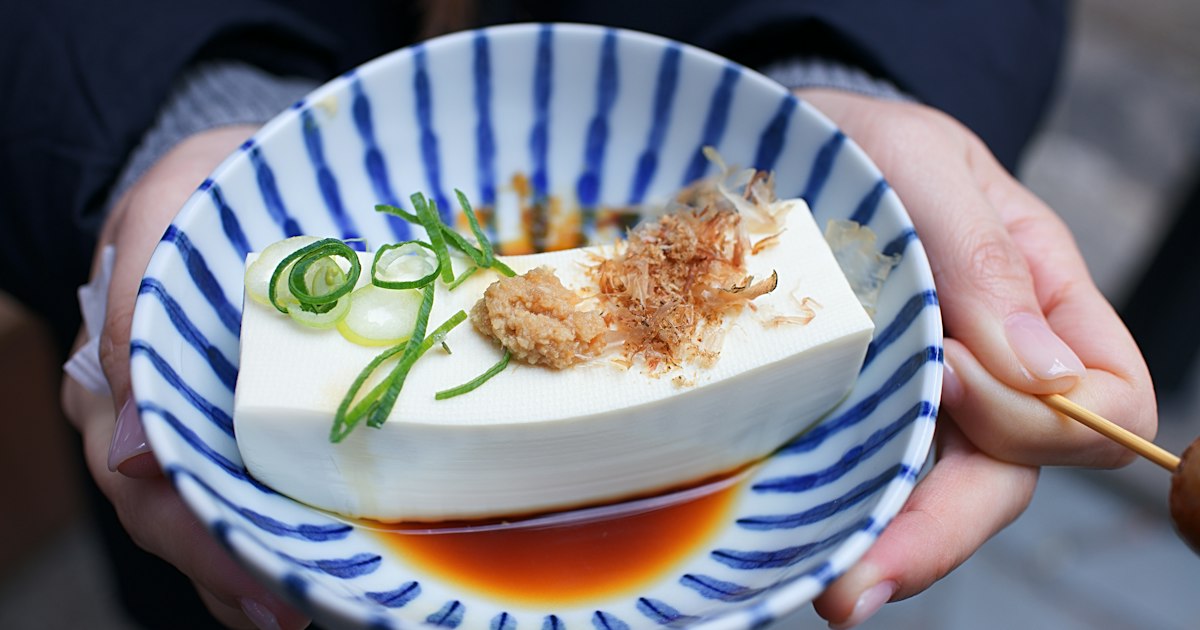
    Order “tofu” at a traditional Kyoto restaurant and you might get something that wobbles like panna cotta, tastes of toasted sesame, and has to be eaten with a spoon because it won’t hold its shape on chopsticks. That’s gomadofu (ごま豆腐) — sesame tofu — one of Kyoto’s quietest culinary specialties and one of the easiest to miss if you don’t know where to look. It isn’t made from soybeans at all, and once you’ve tried the real thing, the supermarket version back home will seem almost unrelated.

    What Gomadofu Actually Is

    Despite the name, gomadofu contains no soy. It’s made by grinding white or black sesame seeds into a thick paste, then simmering that paste with kudzu (kuzu) starch and water until it sets into a custard-like block as it cools. The kuzu is what gives it that distinctive silky, slightly stretchy texture — closer to the agar-set jelly of tokoroten than to anything soy-based, though gomadofu is denser and far richer, with a deep nutty flavor instead of tokoroten’s neutral one.

    It developed within Kyoto’s shojin ryori (Buddhist vegetarian temple cuisine) tradition, where monks needed protein- and fat-rich dishes that used no meat, fish, or dairy. Sesame, pressed for its oil and ground for its paste, fit perfectly. Today it’s served two ways: a firmer version sliced into cubes and dressed with a little soy sauce, wasabi, or sweet miso, and a much softer, almost drinkable version served in a lacquer cup with a spoon.

    Nanzenji and Okazaki: The Historic Tofu-Restaurant District

    The area around Nanzenji temple in eastern Kyoto has specialized in tofu cuisine for centuries, originally because monks there needed hearty vegetarian food and local spring water was well suited to it. Several restaurants here built entire menus around tofu, and gomadofu usually appears as one course within a multi-dish set.

    Okutan, just inside Nanzenji’s temple grounds, has served tofu dishes since the Edo period and is one of the most atmospheric places to try it — low tables, garden views, and unhurried service. Expect a set course built around yudofu (simmered tofu) that typically includes a small dish of gomadofu, running roughly ¥3,500–¥5,000 per person. It’s generally open for lunch only, around 11:00–16:00, and often closed on Thursdays, so check the current schedule before making the trip out.

    A short walk away in Okazaki, Junsei has operated a tofu-kaiseki restaurant in a traditional garden setting since the 1800s. Courses here run from around ¥4,000 up to ¥8,000+ for the fuller kaiseki menus, and gomadofu typically shows up as a palate-cleansing course partway through. Both restaurants are a 10–15 minute walk from Keage Station on the Tozai subway line, or reachable by bus from Kyoto Station in about 30–40 minutes.

    Ginkakuji and the Philosopher’s Path: The Famous Soft Version

    If you only try gomadofu once in Kyoto, the version to seek out is the extremely soft, almost liquid style served at Tofu Cafe Fujino, near the base of the Philosopher’s Path not far from Ginkakuji (the Silver Pavilion). This is the gomadofu that shows up constantly in food photos — scooped with a spoon from a small cup, so soft it barely holds together, available in both white and black sesame versions. A set with both colors plus a simple tofu-based main dish generally costs around ¥1,500–¥2,500, making it one of the more affordable ways to try high-quality gomadofu as a light lunch rather than a formal kaiseki.

    It’s a popular enough spot that queues form around midday on weekends, especially in spring and autumn when Ginkakuji and the Philosopher’s Path draw heavy foot traffic. Arriving right at opening (usually around 11:00) or in the mid-afternoon lull avoids most of the wait.

    Arashiyama: Gomadofu as Part of a Full Shojin Ryori Meal

    Arashiyama’s temples, especially Tenryuji, offer another route into gomadofu: full shojin ryori courses eaten at a temple restaurant, where sesame tofu appears alongside seasonal vegetables, simmered dishes, and rice. Shigetsu, located within Tenryuji’s own grounds, serves this kind of course in tatami rooms overlooking a Zen garden, with set menus generally starting around ¥5,000 and climbing from there. It’s a more formal, slower meal than a casual lunch, so budget at least an hour and a half.

    Arashiyama is also where many visitors combine a gomadofu lunch with a ride on the Sagano Scenic Railway through the Hozugawa Gorge — the torokko train station is a short walk from Tenryuji, so a late-morning ride followed by a shojin ryori lunch makes an efficient half-day itinerary.

    Buying Gomadofu to Take Home

    Gomadofu doesn’t travel as well as dried goods since it’s a refrigerated fresh product, but it’s still worth seeking out for same-trip eating or a next-day treat at your ryokan. Nishiki Market has a few tofu specialty stalls selling individually packaged cups of gomadofu meant to be eaten within a day or two — useful if you want to try it without booking a restaurant seat. Department store basement food halls (depachika) in central Kyoto, such as those at Daimaru or Takashimaya on Shijo-dori, also carry packaged gomadofu from known Kyoto tofu makers, usually in the ¥400–¥900 range per portion.

    If you’d rather bring the idea home than the perishable product, kuzu starch and quality sesame paste are both shelf-stable and sold in the same food halls or at specialty kitchenware shops, letting you make a version of it yourself. It’s a similar logic to how specialty goods get shipped or mail-ordered from Japan more broadly, the way mail-order catalogs let people keep buying Japanese ingredients after a trip ends.

    Timing, Budget, and Common Mistakes

    Gomadofu is served year-round, but it feels most at home in the warmer months, from late spring through early autumn, when the chilled, custard-like texture is genuinely refreshing rather than just a novelty. Many temple restaurants also rotate in seasonal accompaniments — a different pickled vegetable or dipping sauce — so the same dish can taste noticeably different between a spring and autumn visit.

    A few things trip up first-timers: ordering it expecting a savory soy-tofu texture and being thrown by how sweet-nutty and dense it actually is; eating it too quickly, since the whole point is the slow, custardy mouthfeel; and skipping the better-known temple restaurants because they look expensive, when a simple gomadofu-focused lunch at Tofu Cafe Fujino is actually one of the cheaper quality meals in that part of Kyoto. It’s also worth bringing enough cash, since some of the older, family-run tofu restaurants around Nanzenji still don’t take cards — and don’t be surprised if an old-fashioned receipt shows a Reiwa-era date instead of the Western calendar year.

    For a one-day sense of the range: start cheap and casual at Tofu Cafe Fujino, splurge on a full tofu-kaiseki course at Junsei or Shigetsu if the budget allows, and pick up a packaged portion from a depachika food hall to snack on back at your ryokan in the evening.

  • Hirosaki’s Apple Orchard Pick-Your-Own Farms: A Fall Day Trip Beyond the Cherry Blossoms

    Hirosaki’s Apple Orchard Pick-Your-Own Farms: A Fall Day Trip Beyond the Cherry Blossoms

    Photo by Fumiaki Hayashi on Unsplash

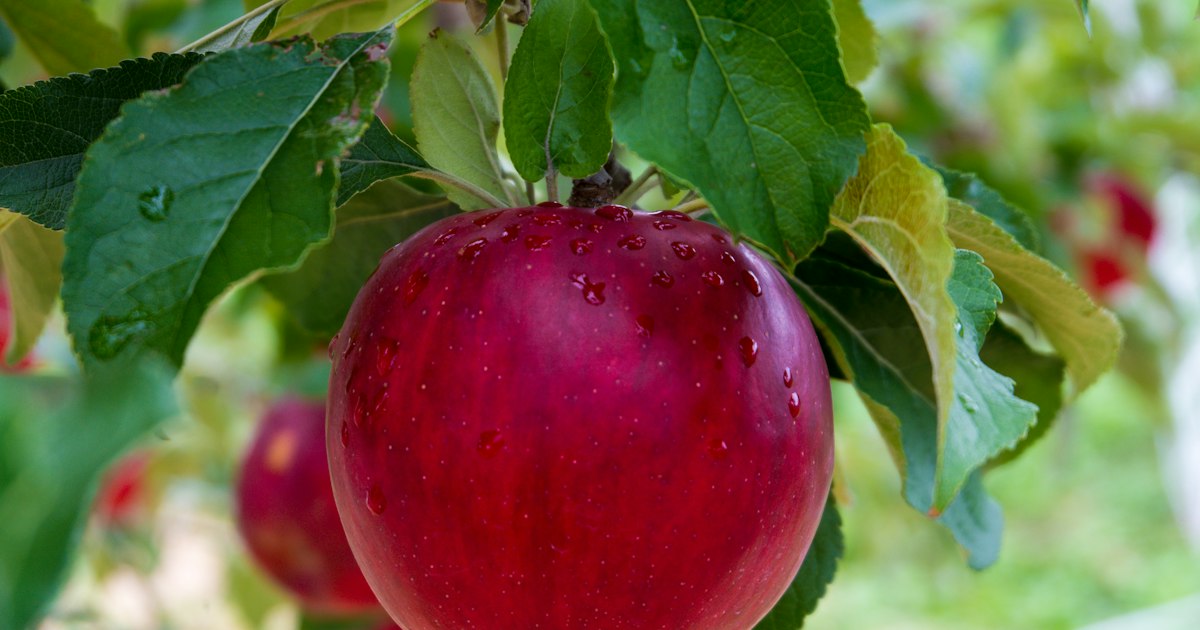
    Most people only know Hirosaki for one thing: the thousand-plus cherry trees that turn its castle moat into a pink tunnel every late April. But swap the season, and this same small city in Aomori Prefecture turns into one of the best — and least crowded — fruit-picking day trips in Japan. Aomori grows more apples than any other prefecture by a wide margin, and Hirosaki sits at the center of that industry. From September through November, you can walk into a working orchard, twist a Fuji or a Jonagold off the branch yourself, and eat it on the spot. Here’s how to actually plan that day.

    Why Fall, Not Spring, Is Hirosaki’s Other Season

    Hirosaki’s tourism calendar is lopsided toward sakura season, when hotel rates spike and the castle park fills with tour groups. Apple season draws a fraction of those crowds, even though the orchards are arguably more interesting to actually walk through — rows of trees heavy with fruit, farmers out working the harvest, and roadside stands selling varieties you won’t find exported. If you’re already building a Tohoku itinerary around autumn colors, this pairs naturally with other regional traditions happening at the same time of year, like Yamagata’s riverside imoni hot pot gatherings, which run on a similar September–November clock.

    When to Go: Reading the Apple Harvest Calendar

    Different varieties ripen at different times, so “apple season” isn’t one block of weeks — it’s a rolling calendar:

    • Late August–September: Tsugaru, an early, sweet, low-acid variety — good for a first taste of the season.
    • Early–mid October: Jonagold and Mutsu, tarter and firmer, popular for both eating and baking.
    • Mid-October–November: Fuji, the variety most orchards build their picking experience around, along with Orin (a yellow apple) in the same window.

    Most pick-your-own farms stay open into mid-to-late November, right up until the first heavy snow or frost shuts the orchard down for winter. If you want Fuji specifically — the apple most visitors recognize — aim for the last two weeks of October through mid-November. Weekday mornings are quieter than weekend afternoons, when local families turn up in bulk to stock up for winter.

    Hirosaki Apple Park: The Easiest Starting Point

    For a first visit, Hirosaki Apple Park (弘前市りんご公園), a city-run orchard and visitor facility in the Shimizu area south of the castle, is the simplest option. Admission to the park grounds is free, and the on-site orchard lets you pick and eat apples right there, with additional apples to take home charged per piece — typically a few hundred yen each depending on the variety and size, so budget roughly ¥1,000–¥2,000 if you want to bring home a small bag. The park also has a restaurant serving apple-based dishes, a shop selling cider and apple sweets, and a gift area for shipping boxes of fruit home. It’s open daily through the harvest season, generally from around 9:00 a.m. to 5:00 p.m., with the orchard portion closing once winter weather sets in (usually by late November or early December). Hours and per-apple pricing shift slightly year to year, so it’s worth a quick check with the Hirosaki tourist information desk at the station on arrival rather than relying on last year’s numbers.

    Family Orchards Around Hirosaki for a Deeper Dive

    Beyond the city park, Hirosaki is ringed by dozens of smaller, family-run orchards that also offer “ringo mogi” (apple picking) experiences, concentrated in areas like Iwaki and Soma on the city’s outskirts. These tend to be more working-farm than visitor facility — no restaurant, no gift shop, just an orchard, a farmer, and a small fee. Some require advance reservation by phone (Japanese only, so hotel staff or the tourist information center can help call ahead), while others accept walk-ins during peak season. These are worth seeking out if you want a quieter, more personal version of the same experience, or if you’re visiting with a rental car and don’t mind driving between stops.

    Getting There

    From Tokyo, take the Tohoku Shinkansen to Shin-Aomori (around 3 hours), then transfer to a limited express or local train on the Ou Line to Hirosaki Station, adding another 35–45 minutes. From Hirosaki Station, Apple Park is roughly 20–25 minutes away by local bus (around ¥300–¥400 one-way) or about 15 minutes by taxi (around ¥2,000–¥2,500). If you’re coming from Aomori City or already touring the prefecture — say, after catching the Hachinohe Enburi festival in a different season — Hirosaki is an easy rail connection within Aomori itself. A rental car gives you the most flexibility for reaching the smaller outlying orchards, and parking at Apple Park and most farms is free.

    Budget, Mid-Range, and Splurge Options

    Budget: Visit Apple Park on a free-admission basis, pick and eat one or two apples on the spot for a few hundred yen each, and skip the restaurant — a snack-level visit can cost under ¥1,000 total.
    Mid-range: Budget ¥2,000–�be3,000 per person for a bag of take-home apples plus a bowl of apple curry or an apple-based dessert at the park restaurant.
    Splurge: Arrange a reservation at a family orchard for a more guided picking session, and have a box of premium Fuji shipped home — mail-order shipping of fruit boxes within Japan commonly runs ¥2,000–¥4,000 depending on box size and destination, on top of the fruit itself.

    If you’re planning to carry apples in your luggage rather than ship them, pack smart: a few compressible packing cubes or a soft-sided produce bag (sold at Don Quijote or Tokyu Hands) keep fruit from bruising against clothes — see this packing cubes and travel organizer guide for what to buy before the trip.

    Common Mistakes to Avoid

    • Assuming any apple on the tree is free to eat. At most orchards, apples you pick and eat on-site are included or very cheap, but anything you take with you is counted and charged — don’t start filling a bag before confirming the pricing with staff.
    • Showing up expecting Fuji in September. Early-season visits mean early-season varieties. If Fuji is the goal, go in late October or November.
    • Not checking the weather or closure status in late November. Aomori’s snow season arrives early, and orchards close for winter without much notice once frost sets in. Call ahead or check with the Hirosaki tourist office if you’re visiting in the final weeks of the season.
    • Skipping cash. Smaller family orchards, in particular, often don’t take cards — bring enough yen in small bills.
    • Treating it as a quick stop. Between transit time, picking, and a meal, this is a half-day to full-day trip from central Hirosaki, not a 30-minute detour.

    Pair the orchard visit with a walk through Hirosaki’s castle park — quiet and nearly empty in autumn compared to sakura season — and you’ll come away with a very different, much less touristy picture of a city most visitors only ever see in pink.

  • Shimanto River Ayu Fishing Charters: Booking a Guided Sweetfish Trip in Kochi

    Shimanto River Ayu Fishing Charters: Booking a Guided Sweetfish Trip in Kochi

    Photo by Rishabh Gagneja on Unsplash

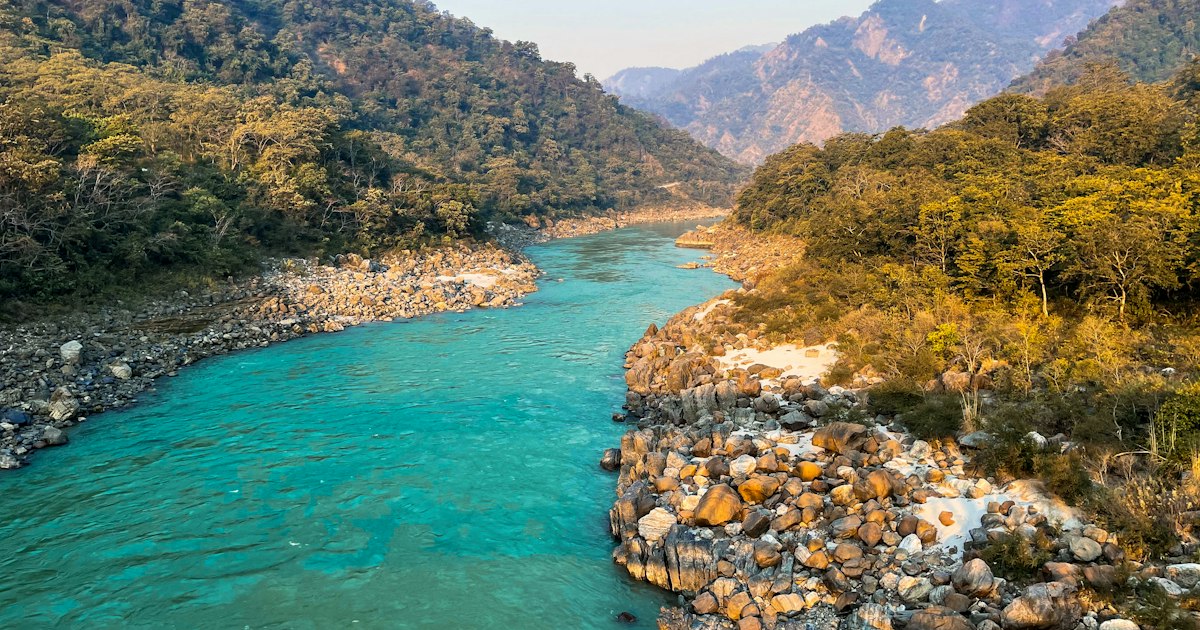
    The Shimanto River in Kochi Prefecture is routinely called “Japan’s last clear stream” — no major dams interrupt its 196-kilometer run from the mountains of Shikoku to the Pacific, and that clarity is exactly what makes it one of the country’s best places to fish for ayu, the sweet, almost cucumber-scented river fish that Japanese anglers travel across the country to catch. If you’re planning a trip to rural Kochi and want an outdoor activity that’s genuinely local rather than staged for tourists, a guided ayu charter on the Shimanto is worth the detour. Here’s how to actually book one, what it costs, and what trips you up if you’ve never done it before.

    What Ayu Fishing Actually Involves

    Ayu aren’t caught with bait — they’re territorial algae-grazers, and the traditional method, tomozuri (友釣り), uses a live decoy ayu rigged with a ring of hooks to provoke a territorial attack from a wild fish. It’s a genuinely skillful technique using a long rod (often 7-9 meters) with no reel, and it takes most first-timers a good hour just to stop tangling the line. This is why booking a guide matters here far more than for, say, a generic lake fishing trip: a local gyokyo (fishing cooperative) guide or independent charter captain will rig your rod, show you the wading line along the riverbed, and read the water for the deeper pools where ayu school in late summer.

    Some charters also offer ami-ryo (net scooping) or simple bait-and-float fishing for beginners and kids, which is far less technically demanding if you just want to be on the water rather than master tomozuri in an afternoon.

    Season and Timing

    Ayu fishing on the Shimanto is strictly seasonal and regulated by the local fisheries cooperative, which sets the opening and closing dates each year to protect spawning stock. As a rule of thumb, the season runs from early June through late September, with July and August as peak months — this is also when the water is warm enough to wade comfortably and ayu are at their most active and best-tasting, having fed all summer on river algae. Early morning charters (departing around 6:00-7:00am) consistently outperform afternoon trips, since ayu feed most actively before the water warms and before upstream rafters and kayakers start stirring up the pools. Avoid typhoon season stragglers in September — heavy rain upstream can cloud the water for days and shut fishing down entirely, so build a buffer day into your itinerary if this trip is a priority rather than a maybe.

    Booking a Charter: Where to Start

    There’s no large English-language booking platform dedicated to Shimanto ayu charters — this is a cottage industry run by local guides, ryokan operators, and the river’s fisheries cooperatives, so most bookings happen by phone or through the Shimanto City or Kochi Prefecture tourism offices rather than an app. The most reliable approach for a foreign visitor is:

    • Contact the Shimanto City Tourism Association (四万十市観光協会) or your accommodation directly — many riverside ryokan and minshuku in towns like Nakamura or Taisho have standing relationships with local ayu guides and can arrange the charter, permit, and gear as a package.
    • Ask specifically for a tomozuri or ayu-zuri guided charter (ガイド付きアユ釣り) if you want the full traditional experience rather than a general fishing boat trip.
    • Book at least a few weeks ahead in July and August — this is when domestic anglers from Osaka and Hiroshima also target the Shimanto, and the small number of licensed guides fill up on weekends.

    If you don’t speak Japanese, ask your hotel to call on your behalf, or use a translation app for the initial inquiry — most guides are used to fielding calls through intermediaries and are generally patient with non-native speakers once the trip is underway.

    What It Costs

    Budget for three separate cost layers, since Japanese river fishing almost always separates the license fee from the guiding fee:

    • Daily fishing permit (nyugyo-ken): typically in the ¥2,000–3,500 range per person, paid to the local fisheries cooperative and required even if you’re fishing on your own.
    • Budget option — self-guided with rental gear: around ¥5,000–8,000 total per person if you rent a rod locally and just fish from the bank with basic instruction, suited to travelers comfortable figuring out the technique themselves or sticking to simpler methods.
    • Mid-range — half-day guided charter: roughly ¥10,000–18,000 per person for a 3-4 hour session with a guide who rigs your gear, walks you into the right pools, and helps net your catch, permit usually included.
    • Splurge — full-day private charter with a veteran guide: ¥20,000–35,000+ per person (sometimes priced per boat/group rather than per head), often including a riverside lunch where your catch is grilled with salt (shioyaki) on the spot — this is the version worth doing if ayu fishing is the main reason for your Kochi trip rather than a side activity.

    Prices shift year to year with the cooperative’s fee schedule, so always confirm the current rate when you book rather than relying on last season’s figures.

    Getting There

    The Shimanto River isn’t on the shinkansen network, which is part of why it stays uncrowded. The practical route is to fly or shinkansen-plus-transfer into Kochi, then take the JR Dosan or Tosa Kuroshio Railway lines toward Nakamura Station (中村駅), which sits close to the lower and middle river and is the usual base for arranging charters. From Kochi city, Nakamura is roughly 1.5–2 hours by limited express train. Renting a car in Kochi and driving is genuinely the easier option if your charter departs from a smaller upriver point like Taisho or Ekawasaki, since local bus service along the river thins out fast outside the main towns. If you’re assembling a rural Japan itinerary that mixes trains, rentals, and the occasional ride from a stranger, it’s worth reading up on how backpackers actually get around rural Japan before you commit to a car-free plan here.

    Common Mistakes First-Timers Make

    • Skipping the permit. Cooperative wardens do check, and fishing without a nyugyo-ken on a managed river is a real problem, not a formality — your guide will handle this, but confirm it’s included if booking independently.
    • Wearing the wrong shoes. River wading here is done over smooth, slick rocks in moving current; sandals are a genuine injury risk. Felt-soled wading shoes or sturdy river sneakers, often rentable through your guide, are worth insisting on.
    • Underestimating the sun. You’ll be standing in open water for hours in July-August heat with no shade — bring a hat, sun sleeves, and more water than you think you need.
    • Assuming you can keep everything you catch. Some guided trips release smaller fish or cap your take per the cooperative’s rules; ask upfront whether your catch is yours to keep and grilled on-site, since this varies by operator.
    • Booking a single fixed day with no flexibility. Given how weather-dependent the river is, a one-day trip with no buffer is the single most common reason visitors miss out — pad your schedule if you can.

    Beyond the Fishing

    A Shimanto charter pairs naturally with a slower few days in Kochi: the river’s famous low-water “chinka-bashi” submersible bridges are nearby and worth photographing, and the grilled ayu you catch — simply salted and cooked over charcoal — is reason enough to skip the guided restaurant tours elsewhere in the prefecture. If you’re the type of traveler who likes seeking out one good regional food story per region the way we’ve covered Yamagata’s riverside imoni-kai hot pot tradition, a Shimanto ayu trip is the Shikoku equivalent: a local food ritual you can only really get by going to the river itself.

  • Booking a Fundoshi Festival Loincloth Rental for Hadaka Matsuri Participation

    Booking a Fundoshi Festival Loincloth Rental for Hadaka Matsuri Participation

    Photo by Kate Kasiutich on Unsplash

    Every February, thousands of men strip down to a white cotton loincloth and plunge into near-freezing water or a crush of bodies competing for a sacred stick — and a growing number of foreign visitors are joining them. If you’ve seen footage of Okayama’s Saidaiji Eyo or Aichi’s Konomiya Hadaka Matsuri and thought “I want to try that,” the first practical question is simple: where do you actually get the fundoshi, and how much does it cost? Here’s what to know before you book.

    What a Hadaka Matsuri Actually Requires You to Wear

    “Hadaka matsuri” translates to “naked festival,” but participants aren’t actually nude — the standard outfit is a fundoshi (a long strip of cotton tied into a loincloth), white tabi socks, and often a hachimaki headband. At the biggest events, like Saidaiji Eyo at Kannonin Temple in Okayama (held every year on the third Saturday of February), several thousand men wear this exact combination while dousing each other with cold water before the main scramble for the sacred shingi sticks at midnight. Konomiya Shrine’s naked festival in Inazawa, Aichi, follows a similar format on a different February date. Both are men-only for the main night event, though Saidaiji also runs a separate, smaller daytime event for women and children in different dress.

    Where to Rent or Buy a Fundoshi Set

    Most participants don’t rent a fundoshi so much as buy one, since it’s a single-use cotton garment that gets soaked, muddied, and often torn in the crush. In Okayama, the official “Eyo fundoshi” participation set — fundoshi, tabi, and sometimes a hachimaki — is sold by the Saidaiji Eyo Preservation Society and by sporting-goods and workwear shops near Saidaiji Station in the weeks leading up to the festival. Some hotels and ryokan in Okayama City also stock sets for guests who book a festival package. If you’re arranging participation through a local tour operator or a company “kumi” (participation group), the set is frequently bundled into the registration fee rather than sold separately — ask this explicitly when you register, since showing up without one and expecting to improvise is a common mistake.

    Don’t expect to find fundoshi rental counters the way you’d find kimono rental shops near Kyoto’s temples. This is a much smaller, more local market, and supply is tightest in the final week before the festival, so sort this out early rather than planning to buy on arrival.

    How Much It Costs

    Budget roughly 3,000–6,000 yen for a basic fundoshi, tabi, and hachimaki set bought locally in Okayama or Inazawa. Mid-range participation packages sold through tour operators, which bundle the clothing with event registration, group placement, and sometimes a post-festival hot bath or meal, typically run 10,000–20,000 yen. At the splurge end, some operators offer English-speaking guide support plus accommodation and transport as part of a multi-day package, which can run well over 30,000 yen depending on the operator and whether it includes lodging during the festival’s peak dates when Okayama hotels sell out. Always confirm current pricing directly with the shrine’s preservation society or your tour operator, since neither publishes a fixed rate card and prices can shift year to year.

    Joining a Kumi Group and Registering in Advance

    Unlike most festivals you can simply show up to, Saidaiji Eyo and Konomiya’s naked festival expect participants to register as part of a kumi — an organized group, traditionally a company, neighborhood association, or club. Foreign visitors almost always need to go through a tour operator, a local hotel’s festival package, or occasionally a university/exchange group that has an existing relationship with the shrine. Independent walk-up participation is possible at the margins but is genuinely difficult without Japanese language support and local contacts, so book your spot at least a few months ahead of the February date rather than deciding on a whim after arriving in Japan.

    Best Timing and What the Night Actually Involves

    Saidaiji Eyo runs on the third Saturday of February, with participants gathering from around 7–8pm, cold-water purification (mizukake) through the evening, and the main shingi scramble beginning at midnight and lasting around 30–45 minutes. Temperatures in Okayama in February regularly sit near freezing, and you will be wet for hours before the climax — this is genuinely demanding, not a costume photo op. If your main interest is in Japan’s winter folk festivals more broadly rather than the extreme physical side of a naked festival, it’s worth comparing the vibe to a gentler midwinter tradition like the Hachinohe Enburi dance festival in Aomori, which runs on similar winter dates but without the cold-water ordeal.

    Getting There

    Saidaiji Station is on the JR Ako Line, about 20 minutes by local train from Okayama Station, which itself is roughly 50 minutes from Osaka and under an hour from Himeji on the Sanyo Shinkansen. From Saidaiji Station it’s a 10–15 minute walk to Kannonin Temple. For Konomiya’s festival, Konomiya Station is on the Meitetsu Nagoya Line, about 20 minutes from Nagoya. Both festivals draw large local crowds, so trains and nearby parking fill up well before the evening program starts — plan to arrive in the afternoon if you want a decent viewing spot, even if you’re not participating yourself.

    Common Mistakes and Practical Tips

    • Assuming you can rent a fundoshi on the day. Local supply is limited and most visible stock disappears early; buy or arrange your set in advance.
    • Underestimating the cold. You’ll be doused in cold water and standing around wet for hours before the main event — bring a dry change of clothes, a towel, and warm layers for immediately after.
    • Skipping group registration. Showing up solo without a kumi affiliation makes participation in the main event very difficult; this isn’t a spectator festival you can casually join.
    • Not planning for your soaked gear afterward. Your fundoshi and tabi will be wet, muddy, and generally not something you want in your main luggage — pack a sealable bag, and if you’re moving on to another city the next day, consider sending your main suitcase ahead so you’re not hauling it through a crowded festival night; the rules for same-day hotel luggage forwarding are covered in this guide to takuhai cutoff times.
    • Treating it like a costume event. The fundoshi itself is simple, but the context is a genuine religious purification ritual — treat the shrine grounds, the priests, and the other participants with the same respect you’d show at any sacred site.

    If the idea of renting unusual formal wear for a one-off Japanese occasion appeals to you beyond festivals, the same rent-don’t-buy logic applies to Western formal events too — see our guide to renting a tuxedo or formal suit in Japan for the equivalent process on the other end of the dress-code spectrum.

  • Morioka Reimen: Iwate’s Chilled Spicy Noodle and Where to Try It

    Morioka Reimen: Iwate’s Chilled Spicy Noodle and Where to Try It

    Photo by Michael Lee on Unsplash

    Order “reimen” in most of Japan and you’ll get a blank look or a plate of chilled ramen. Order it in Morioka, the capital of Iwate Prefecture, and you’ll get something far more distinctive: a bowl of glassy, almost rubbery noodles in an icy, faintly sweet beef or chicken broth, a wedge of watermelon or Asian pear perched on the rim, and a small mountain of fiery kimchi you’re expected to spoon in yourself, bite by bite, until the broth turns from refreshing to properly spicy. It’s one of Morioka’s three signature noodle dishes (alongside jajamen and wanko soba), and it’s reason enough on its own to build a day or two in Iwate into a Tohoku itinerary.

    What Morioka Reimen Actually Is

    Morioka reimen traces back to the early 1950s, when Korean residents in the city adapted Pyongyang-style naengmyeon to local tastes and ingredients. The noodles are the giveaway: made from wheat flour and potato or sweet potato starch rather than buckwheat, they come out translucent, very chewy, and almost bouncy — closer in texture to Korean naengmyeon or even glass noodles than to soba or ramen. They’re served cold in a broth built from beef or chicken bones, seasoned to a clean, lightly sweet-savory balance rather than anything heavy.

    The spice isn’t mixed in by the kitchen. Each bowl arrives with a portion of chili-laced kimchi on the side, and diners stir it in to taste — a little for a mild, tangy bowl, all of it for something that will make you sweat even with ice cubes floating in the broth. This DIY heat control is the whole point of the dish, and it’s worth understanding before you sit down.

    How to Order It (and Not Overdo the Kimchi)

    The most common rookie mistake is dumping in the entire kimchi portion at once because it looks small. It isn’t. Iwate kimchi for reimen is built to be potent, and once it’s stirred into cold broth you can’t dial it back. Add it in two or three small spoonfuls, tasting between each, especially if you’re ordering alongside someone who wants a milder bowl — some shops will let you request extra kimchi on the side (追いキムチ, oi-kimuchi) for a small additional charge instead of loading the standard portion all at once.

    Most menus also offer a choice of beef broth or chicken broth (some shops do a mixed version), and many let you choose noodle firmness. If you’re not used to intensely chewy noodles, say so — some shops will adjust. Expect to pay roughly ¥900–1,100 for a standard bowl of reimen on its own, or ¥1,300–1,600 as part of a set with yakiniku, bibimbap, or gyoza, which is how many locals actually order it: reimen as the cooling finale after a round of grilled meat.

    Where to Try It in Morioka

    Shokudoen (食道園) is generally credited as the originator of Morioka reimen, dating to the 1950s, and its main branch near Morioka Station is still considered the benchmark bowl by many locals. It functions as a yakiniku restaurant first, with reimen as the closing act — a good budget-to-mid-range choice if you want the full grilled-meat-then-noodles experience for around ¥2,500–3,500 per person.

    Pyonpyonsha (ぴょんぴょん舎) is the name most visitors will recognize, with a flagship a short walk from Morioka Station and several other branches around the city. It’s touristy and often has a short wait in the evening, but the reimen is reliably good, portions are generous, and the menu has English and photos, which makes it the easiest first stop if you’re not confident ordering in Japanese. A bowl alone runs roughly ¥950–1,050; combo sets with yakiniku push toward ¥2,000–3,000.

    Daiichi Hanten (第一亭) and several smaller, long-running yakiniku-ya around the station and Odori area also serve respected versions of the dish at lower prices and with shorter lines, if you’d rather skip the queue at the bigger names — worth asking your hotel or a local tourist information desk for whichever is currently least crowded, since popularity shifts year to year.

    For a splurge version of the night out, pair reimen with a full yakiniku course of Iwate’s prized short-horn beef (Iwate-gyu) at a sit-down grill restaurant — expect ¥5,000–8,000 per person — and treat the noodles as the proper ending rather than the main event.

    Getting to Morioka

    Morioka is a straightforward Tohoku Shinkansen trip from Tokyo: the Hayabusa service takes about 2 hours 10 minutes and costs around ¥14,000–15,000 one-way for a reserved seat (less with a rail pass that covers Tohoku, if you’re holding one). From Morioka Station, the main reimen shops cluster within a 10–15 minute walk or a short taxi ride, so you don’t need a car for a noodle-focused day trip.

    If you’re building out a longer Tohoku route, Morioka also connects well by local or express train to the Sanriku Railway on the Iwate coast, making it realistic to combine a reimen lunch in the city with a coastal rail trip the same week.

    Best Time to Go

    Despite being a cold dish, Morioka reimen is eaten year-round and locals order it in winter as readily as summer — the broth is chilled but the overall meal, especially paired with yakiniku, isn’t meant to be a hot-weather-only food. That said, summer (July–August) is when it feels most purpose-built: Morioka can get surprisingly hot and humid, and a bowl of icy, spicy noodles is genuinely one of the better ways to cool down after a day of sightseeing. If your trip lines up with early February, consider combining it with a detour north to see Hachinohe Enburi in neighboring Aomori, since both are reachable from the same Tohoku Shinkansen line.

    A Note for Noodle Completists

    If Morioka reimen gets you interested in Japan’s regional cold-noodle culture more broadly, it’s worth comparing notes with other chilled dishes that work on completely different principles — Okinawa’s seaweed-based mozuku or the jelly-like tokoroten are both worlds away from reimen’s chewy, starch-based noodles, but they’re part of the same national instinct for building entire dishes around texture and temperature rather than heavy seasoning. And if you’re touring Tohoku’s regional specialties in general, don’t skip Yamagata’s riverside imoni hot pot tradition on the opposite end of the temperature spectrum — autumn taro stew cooked outdoors over an open fire, which makes an interesting bookend to a summer bowl of reimen in Morioka.

    However you build the itinerary, go in hungry, add the kimchi slowly, and don’t be shy about asking staff which broth and noodle firmness they’d recommend — in a city with three competing noodle traditions, the people serving you eat this food every day and genuinely like talking about it.

  • Hachinohe Enburi: Aomori’s Midwinter Rice-Prayer Dance Festival

    Hachinohe Enburi: Aomori’s Midwinter Rice-Prayer Dance Festival

    Photo by Yuri Li on Unsplash

    Every February, while most of Japan is still waiting out the cold, the port city of Hachinohe in Aomori Prefecture fills its streets with dancers wearing tall black horse-head headdresses, bowing and stamping in rhythm to flutes and hand drums. This is Enburi, a folk performing art that prays for a good rice harvest months before anyone plants a single seedling. It’s one of Tohoku’s great midwinter festivals, and because it happens outdoors, in the snow, and largely for free, it rewards visitors who come prepared rather than those who just show up and hope.

    What Enburi Actually Is

    Enburi takes its name from the “eburi,” a wooden rake-like tool farmers once used to smooth and level paddy fields after plowing. The dance mimics that whole agricultural cycle in miniature — plowing, sowing, scaring off birds, and finally the harvest — performed as a ritual prayer (toshigoi) for abundance in the coming growing season. Local tradition traces the custom back roughly 800 years, and it’s registered as a National Important Intangible Folk Cultural Property.

    The lead dancers, called tayu, wear lacquered black eboshi headgear shaped to resemble a horse’s head and decorated with artificial flowers representing rice at different stages of growth. When a tayu snaps the headdress forward and down in a sharp nodding motion, it’s meant to echo the physical act of plowing — it’s the single image most people remember from Enburi. Roughly 30 individual Enburi groups are based in neighborhoods around Hachinohe, each with its own troupe of dancers, drummers, and flute players, and each performing on a slightly different rotation through the festival.

    When and Where to Go

    Enburi runs every year from February 17 to 20 in central Hachinohe, Aomori Prefecture — it’s one of the few major Tohoku festivals that happens reliably in the dead of winter rather than summer. The festival’s traditional starting point is the Choja Shrine area at the base of Chojagashira hill, where a dedication performance opens the event on the morning of the 17th, typically before 8am and in genuinely cold conditions.

    Through the rest of the day, groups fan out across the city doing “kadotsuke” — short door-to-door performances at shops, banks, and offices along Hachinohe’s downtown shopping streets, blessing each business for the year ahead. In the afternoon, several groups rotate through scheduled stage performances at central gathering points, including the plaza at Hacchi, Hachinohe’s glass-roofed community and tourism building downtown. On the evening of the 17th, groups perform again near Choja Shrine lit by open bonfires, which is the most photographed and atmospheric session of the whole festival.

    Because dates, exact performance times, and venues shift slightly year to year, confirm the current schedule with the Hachinohe tourism bureau before you go, and pick up a printed schedule map at Hacchi or the Hachinohe Station tourist counter once you arrive — it tells you which group is performing where and when, which matters a lot since the action is spread across the whole downtown area rather than concentrated in one spot.

    Getting There

    From Tokyo, take the Tohoku Shinkansen Hayabusa directly to Hachinohe Station — the ride takes about two hours fifty minutes to three hours, and a one-way reserved seat runs roughly ¥17,000–18,000 if you’re not using a rail pass. Hachinohe Station itself sits a bit outside the city center, so plan another 20–25 minutes by local bus or taxi to reach the downtown area around Hon-Hachinohe, where most of the festival action happens. If you’re coming from Aomori City, local and rapid trains connect the two in under an hour, making Aomori City a workable base if Hachinohe hotels are full.

    Dressing and Preparing for the Cold

    This is the single biggest thing first-time visitors underestimate. Enburi happens almost entirely outdoors, in mid-February, in a region that regularly sees heavy snow — temperatures well below freezing are normal, especially at the early-morning dedication and the evening bonfire session. Dress the way you would for a day in deep snow country: insulated waterproof boots, wool socks, a proper down or insulated coat, and hand warmers (kairo), which are sold everywhere in Japanese convenience stores and drugstores for a few hundred yen. If you’re planning to explore Aomori’s snow country beyond the festival itself, it’s worth reading up on renting snowshoes for backcountry walks in Japan’s snow country, since the same gear logic applies to standing around outside for hours watching Enburi.

    If your Japan itinerary has you moving on to another cold-weather stop — a ski town, an onsen village, another winter festival — don’t try to haul bulky winter gear through train transfers. Using hotel-to-hotel luggage forwarding to send your main bag ahead and travel light with just a day pack makes festival-hopping through Tohoku’s winter much less miserable.

    What It Costs, and Common Mistakes

    The street kadotsuke performances and outdoor plaza shows are free to watch. A limited number of indoor seated sessions are ticketed, usually for a modest fee of a few hundred yen for a reserved seat — these sell out, so check availability as soon as the year’s schedule is published rather than assuming you can buy in on the day.

    • Mistake 1: Treating it as an indoor event. Most of Enburi happens on open streets and plazas in the snow. There’s no warm lobby to retreat to between performances.
    • Mistake 2: Trying to see every group. With around 30 troupes performing on a rolling schedule across downtown, trying to catch all of them is a losing game — pick two or three fixed points (the morning dedication, one afternoon stage session, the evening bonfire) and let the groups come to you.
    • Mistake 3: Booking a hotel at the last minute. Hachinohe’s hotel inventory is modest, and Enburi weekend fills rooms fast. Book well ahead, or base yourself in Aomori City and day-trip in.
    • Mistake 4: Standing too close or blocking dancers for photos. This is a genuine religious ritual for the neighborhoods performing it, not a staged tourist show — keep a respectful distance and don’t step into the performance space.

    Food and Where to Warm Up

    Hachinohe’s signature local dish, senbei-jiru — a hot pot where unsweetened rice crackers are simmered directly in a chicken or pork broth with vegetables until they go chewy — shows up at food stalls set up around the main festival areas during Enburi, and it’s exactly the kind of hot, filling food you’ll want after an hour standing in the snow. Expect to pay somewhere in the ¥500–800 range for a bowl at a festival stall, with hot sake or amazake alongside it at similar prices. Budget travelers can eat well just working through the stall village; if you want a sit-down meal indoors to thaw out between performances, the izakaya and ramen shops around Hon-Hachinohe stay open through the festival and are used to visitors coming in half-frozen.

    Making It Part of a Bigger Tohoku Winter Trip

    Enburi pairs naturally with a broader Tohoku winter itinerary. If midwinter folk festivals are your thing, Aomori isn’t the only region doing something unusual with the season — Tochigi’s Yunishigawa Onsen Kamakura snow festival runs on a similar winter calendar and makes for a good comparison if you’re building a season-themed trip around Japan’s quieter cold-weather traditions. And if Enburi’s ritual intensity appeals to you, Japan’s naked festivals (hadaka matsuri) occupy a similar niche of physically demanding, deeply local midwinter ritual worth seeking out elsewhere in the country.

  • Renting a Tuxedo or Formal Suit in Japan for a Black-Tie Event

    Renting a Tuxedo or Formal Suit in Japan for a Black-Tie Event

    Photo by Pawel Janiak on Unsplash

    Getting invited to a black-tie dinner, an embassy reception, a wedding, or a hotel gala while you’re in Japan is a nice problem to have — until you realize your suitcase is full of travel clothes, not formalwear. The good news is that Japan has a well-organized, often same-day rental industry for tuxedos and formal suits, built originally around the country’s wedding-guest culture, where renting rather than owning formal attire is completely normal. Here’s how to actually use it as a visitor.

    Why renting is the right call for travelers

    Japanese weddings and corporate formal events generate huge demand for short-term formalwear, so an entire retail category exists just to dress people for one or two nights. That means you’re not dealing with a niche costume shop — you’re dealing with mainstream suit retailers and department stores that rent tuxedos, morning coats, and formal business suits as a routine service, with same-week turnaround and staff used to fitting first-time customers. For a visitor who doesn’t want to check a garment bag through security or iron a jacket in a hotel room, this is far more practical than packing your own.

    Where to actually go

    There are three realistic channels, in order of convenience for a foreign visitor:

    • Mainstream suit chains: AOKI, Aoyama (洋服の青山), and Konaka are the Toyota and Honda of Japanese suiting — nationwide chains with large stores near almost every major train station. Many locations offer tuxedo and formal-suit rental alongside their regular suit sales, with staff trained to fit walk-in customers. These stores are usually open daily from around 10:00 or 11:00 to 20:00, with no fixed closing day, which matters if you’re working around a tight trip schedule.
    • Department store rental counters: Large department stores in Tokyo, Osaka, and other major cities (Isetan, Takashimaya, and similar) often run formalwear rental corners, especially around their bridal or ceremony-occasion floors. These tend to carry a slightly higher-end range of tuxedos and tailcoats than the suburban suit chains.
    • Online rental-and-ship services: Several Japanese rental platforms let you reserve a tuxedo online and have it shipped to your hotel a day or two before the event, then return it in a prepaid envelope or box afterward. This is the best option if your event is outside a major city or your schedule is too packed for a store visit.

    If you’re staying at a hotel that regularly hosts black-tie events — think Imperial Hotel Tokyo, the Peninsula, or similar — the concierge can usually arrange a rental tuxedo through a partner shop directly, sometimes with next-day delivery to your room.

    What’s included and what it costs

    A standard rental package — jacket, trousers, dress shirt, bow tie or necktie, and cummerbund or vest — typically runs somewhere in the ¥10,000–¥25,000 range for a one- to three-day rental period, depending on the brand and whether you’re getting a basic black tuxedo or a more tailored, premium cut. Dress shoes are often a separate add-on, usually another ¥2,000–¥3,000. A full morning coat or tailcoat set for a more formal daytime ceremony tends to sit toward the higher end of that range. Expect to pay a deposit that’s refunded (or partially forfeited) based on the item’s condition when you return it, so treat the rented pieces carefully and avoid eating or drinking in the jacket.

    Budget-conscious travelers can keep costs down by renting just the jacket and trousers and pairing them with a shirt and shoes they already own or buy cheaply elsewhere. Mid-range renters get the full matching set from a chain store. If you want something closer to a proper fit with better fabric, the department store counters and a handful of boutique tailor-rental shops in Ginza offer a step up in quality for a higher fee, sometimes with same-day minor alterations like hemming trousers.

    Sizing: the part visitors underestimate

    This is where most problems happen. Japanese formalwear inventory is sized for the local population, so jacket chests, sleeve lengths, and especially shoe sizes skew smaller and shorter than what’s common in North America, Europe, or Australia. Taller or larger-framed visitors — especially anyone above roughly 185cm or with a chest over about 110cm — should call ahead or check online stock before assuming a same-day walk-in will work. Shoe rental is the single most common bottleneck; larger foot sizes (above about 28cm/US 10) are far less available, so bringing your own dress shoes is a safe hedge. Book a fitting appointment rather than just showing up, since proper fitting takes 30–45 minutes and last-minute rushes near wedding season (spring, March–May, and autumn, September–November) can leave the larger sizes picked over.

    Timing your rental around your trip

    Reserve at least a few days ahead if your event falls during peak Japanese wedding season, since that’s when rental inventory is tightest at the chain stores. Outside those months, same-day or next-day rental is usually realistic at the big suit chains. If you’re moving between cities on your trip — say, sightseeing in Kyoto before a formal dinner back in Tokyo — and don’t want to lug a tuxedo bag on the Shinkansen, consider using hotel-to-hotel luggage forwarding to send the rented suit ahead to the hotel where your event is happening, rather than carrying it on every train.

    Common mistakes to avoid

    • Confusing “black tie” with a business suit: Rental staff will ask what the event calls for — black tie, white tie, or lounge suit — and will steer you toward the wrong item if you’re vague. Know the dress code before you walk in.
    • Skipping the fitting: Ordering online without trying anything on is tempting but risky given the sizing gap mentioned above; use an in-store fitting whenever your schedule allows it.
    • Leaving items on transit: Rented formalwear in a garment bag is exactly the kind of thing that gets left on a train rack in the rush to disembark. If it happens on a bullet train, Japan’s lost-item recovery system is efficient, but you’ll want to act fast — our guide to Shinkansen lost item recovery walks through exactly who to contact and how quickly.
    • Returning late: Rental periods are usually strict, with daily late fees. Confirm the return deadline and method (in-store vs. mail) before you leave the shop.

    With a little advance planning around sizing and timing, renting formalwear in Japan is genuinely one of the easier logistics problems your trip will throw at you — and far less hassle than trying to fly in with a tuxedo of your own.