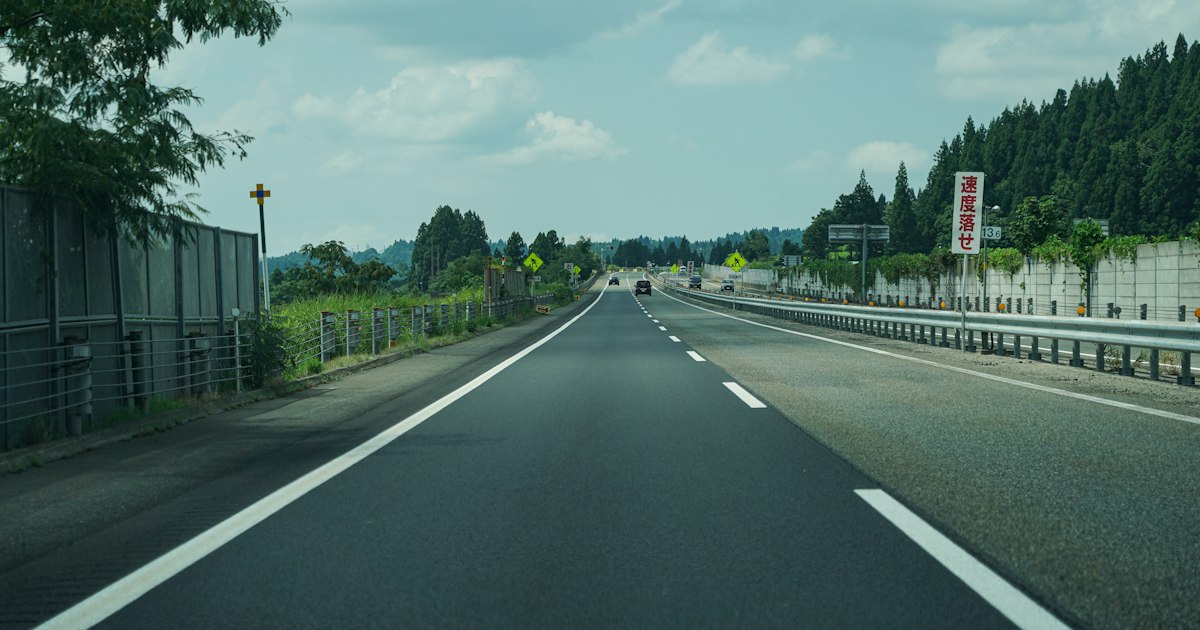
Hitchhiking in Japan sounds like a contradiction — a country famous for punctual trains and expensive taxis doesn’t seem like hitchhiker territory. But a steady stream of backpackers, mostly on long-haul routes through Tohoku, Kyushu, and Hokkaido, still do it, and most come away saying it was one of the safest versions of hitchhiking they’ve tried anywhere. That doesn’t mean you can just stand on a shoulder with a cardboard sign and expect it to work the way it might in Europe. Japan’s hitchhiking culture has its own rules, its own geography, and its own etiquette — get those wrong and you’ll spend a frustrating day in a parking lot.
Is Hitchhiking in Japan Actually Safe?
By most measures, yes — Japan has one of the lowest violent crime rates among wealthy nations, and the overwhelming majority of hitchhiker reports involve bored long-haul truck drivers happy for company, retirees curious about a foreign traveler, or small business owners who picked someone up once and now do it as a hobby. Solo female travelers do hitchhike in Japan and generally report positive experiences, though the usual precautions apply everywhere: sit in the back seat if the car has one, keep your phone charged and location visible to a friend, and trust your gut if something feels off — it’s fine to decline a ride or ask to be let out.
The bigger practical risk isn’t personal safety, it’s logistics: getting stuck somewhere with no public transport, no convenience store, and a driver who’s long gone. Hitchhiking here rewards patience and a flexible schedule more than it tests your nerve.
Where to Stand: Service Areas, Not Shoulders
This is the detail that trips up most first-timers. Japan’s expressways (the tolled, high-speed “kōsoku” network) are legally closed to pedestrians — you cannot walk on the shoulder or stand near an on-ramp the way you might on a European motorway. Instead, the entire hitchhiking scene in Japan runs through Service Areas (SA) and Parking Areas (PA), the rest stops built every 15-50km along expressways, plus Michi-no-Eki roadside stations on regular national highways.
The technique is simple: walk up to trucks and cars in the parking area, not the entrance ramp, and ask drivers directly while they’re fueling up, eating, or on a break — most SAs have restaurants, vending machines, and clean restrooms, so there’s no shortage of approachable people. Truck drivers are the best target by far; Japan’s domestic freight industry runs enormous overnight hauls between cities, and many drivers appreciate a bit of conversation on a long shift. Weekday mornings and early afternoons tend to have more traffic and more approachable drivers than late at night.
Making Yourself Easy to Pick Up
A sign still helps, but write the destination in Japanese, not romaji — kanji or hiragana for the city name (e.g., 仙台 for Sendai) is far more recognizable to a driver glancing over than “Sendai” spelled phonetically. If you can’t write it yourself, ask a hostel staffer or convenience store clerk to jot it down; it takes thirty seconds and makes a real difference.
A short bow and a clear “Sumimasen, [destination] made ikitai no desu ga…” (“Excuse me, I’d like to get to…”) goes further than English. Basic manners matter a lot here: don’t eat in someone’s car without offering to share, take your shoes off if asked, and offer a small snack or drink as a thank-you — a 150-300 JPY item from a convenience store is a normal, appreciated gesture, though most drivers will wave off any offer of gas money. If you’re stopping at a Michi-no-Eki, picking up a small regional snack to carry as a thank-you gift for your next driver is an easy habit to build in.
Best Regions and Seasons
Spring (April-May) and autumn (late September-November) are the easiest windows — mild weather, clear roads, and drivers who aren’t rushing through a typhoon or a snowstorm. Avoid the rainy season (tsuyu, roughly mid-June to mid-July) and peak typhoon season (August-September), when long waits at exposed SAs get genuinely unpleasant. Winter hitchhiking through Tohoku, Hokkaido, or anywhere in Japan’s snow country adds real risk — roads close, trucks run on tight schedules with chains, and standing around in -5°C weather is dangerous, not just uncomfortable. If you’re traveling that region in winter anyway, it’s worth checking out renting snowshoes for backcountry walks instead and saving hitchhiking for a different season.
Tohoku’s coastal routes are a popular hitchhiking corridor precisely because public transport options are thinner there than around Tokyo or Osaka — if you end up stuck in that region, the Sanriku Railway is a reliable fallback that covers a long, scenic stretch of coastline a hitched ride would otherwise take all day to cover. Kyushu and parts of Hokkaido, with lower traffic density but very friendly rural communities, are also well-regarded among the small community of foreign hitchhikers who blog about their routes.
Common Mistakes First-Timers Make
- Trying to hitchhike on the expressway shoulder itself. It’s illegal and there’s nowhere safe to stand — always work from an SA, PA, or ordinary road.
- Underestimating rural gaps. Some stretches of Tohoku or Kyushu have SAs an hour or more apart with almost no traffic between buses. Carry snacks, water, and a paper map or offline map app — cell signal drops in mountain passes.
- Carrying too much luggage. A giant backpack or suitcase makes drivers hesitate, especially in Japan’s smaller kei cars. Pack light, and if you’re worried about carrying everything for a multi-day hitchhiking stretch, consider forwarding your main bag ahead by takuhai and traveling with just a day pack — it’s typically 2,000-3,000 JPY depending on distance and far easier than negotiating trunk space with a stranger.
- No backup plan. If you haven’t gotten a ride by late afternoon, know the nearest bus stop, train station, or taxi stand. A one-way shinkansen from Tokyo to Osaka runs roughly 14,000-15,000 JPY versus a long-distance overnight bus around 4,000-9,000 JPY — useful numbers to keep in your head when deciding whether to keep waiting or cut your losses.
- Assuming English will work. Few long-haul truck drivers speak much English. A translation app, a phrasebook, or a few memorized phrases matter more here than in touristy city centers.
What Else to Pack
Beyond snacks and water, bring cash — rural SAs and Michi-no-Eki don’t always take cards — a portable charger, and something to pass the time during long waits. If you want a low-stakes way to practice chatting with strangers over tea or coffee before committing to a hitchhiking day, picking up a postcard set is a nice icebreaker gift; the washi stationery sets sold near ryokan make a small, portable thank-you for a driver who goes out of their way for you.
Hitchhiking won’t replace Japan’s rail network for most of a trip, and it shouldn’t — the trains are simply too good. But as a deliberate, slower way to see rural stretches of the country and meet people you’d never otherwise talk to, it works, and it works more safely here than almost anywhere else in the world. Just respect the expressway rules, bring a Japanese-language sign, and build in enough slack that a long wait is an adventure rather than a crisis.