Japan Trove

Category: Uncategorized

  • Tokoroten: Japan’s Cold Agar-Jelly Noodle and How to Dress It With Vinegar or Kuromitsu

    Tokoroten: Japan’s Cold Agar-Jelly Noodle and How to Dress It With Vinegar or Kuromitsu

    Photo by Jinomono Media on Unsplash

    Slide a bowl of what looks like clear, slightly wobbly glass noodles in front of a first-time visitor and you’ll get a confused poke with chopsticks. That’s tokoroten — one of Japan’s oldest prepared foods, made entirely from seaweed, served ice-cold, and dressed with either a sharp vinegar sauce or a dark, sweet syrup depending on which part of the country you’re in. It has almost no calories, almost no flavor of its own, and a devoted following that’s kept it on menus for well over a thousand years. Here’s what it actually is, how to order it without confusion, and where to find it.

    What Tokoroten Actually Is

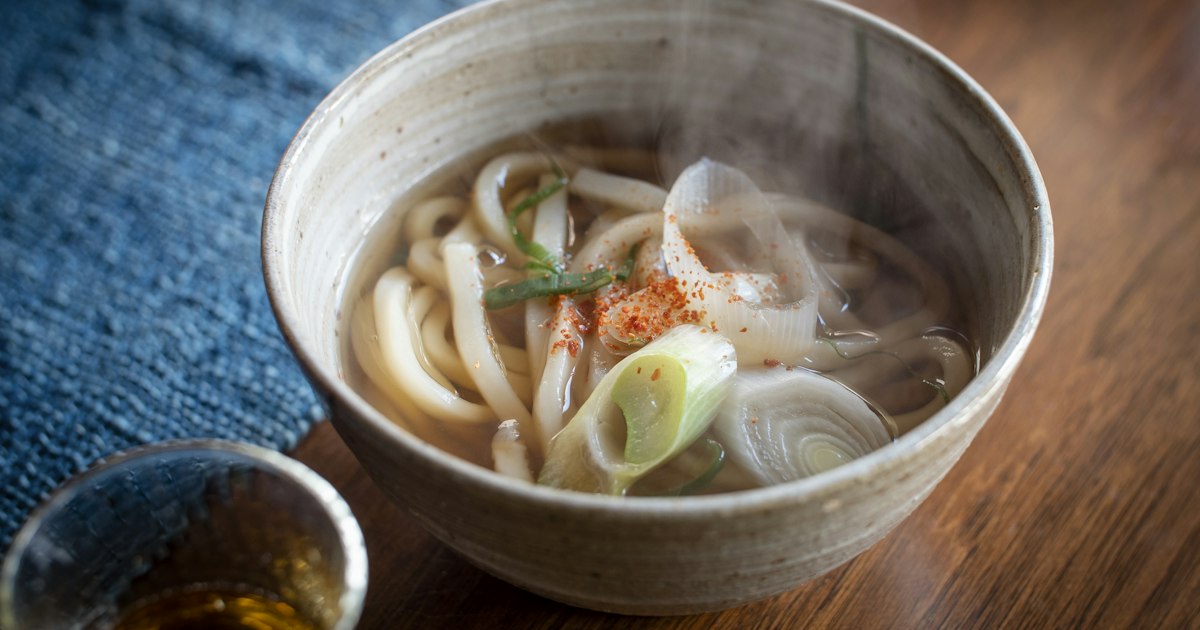
    Tokoroten is made by boiling down tengusa or ogonori seaweed until it releases a gelling agent, straining the liquid, and letting it set into a firm block. That block is then pushed through a wooden or metal box press called a tensuki, which has a grid of small square holes at one end — the pressure forces the jelly out as long, squared-off strands that look like glass noodles. It’s the same base substance as kanten (agar), just left in noodle form instead of being cut into blocks or powdered. The flavor is famously neutral; texture is the whole point — firm, slightly springy, and cool.

    If you’ve had warabimochi or seen kanten used as a vegetarian gelatin substitute in Japanese desserts, tokoroten is a savory-leaning cousin of the same family, just unsweetened at the base and shaped like noodles rather than cubes.

    The Great Sauce Divide: Vinegar or Kuromitsu

    This is the detail that actually matters when you order. Tokoroten itself carries almost no taste, so the dressing defines the dish, and Japan is split roughly along regional lines:

    • Kanto style (Tokyo and the east): served with sanbaizu, a savory-tart sauce of vinegar, soy sauce, and a little sugar or dashi, sometimes with a dab of karashi mustard on top. This is the more common style in Tokyo convenience stores and soba shops.
    • Kansai and Kyoto style: often served sweet, with kuromitsu (dark unrefined sugar syrup) poured over and a dusting of kinako (roasted soybean flour) — the same toppings used on warabimochi and kuzumochi. This version is treated more as a dessert than a side dish.

    Neither is “correct” — both are traditional, and plenty of shops nationwide now offer both, often with small sauce packets so you can choose. If you’re ordering at a counter and want the savory version, ask for “su (vinegar) de” or just point at the vinegar bottle; for the sweet version, ask for “kuromitsu de.”

    Where and When to Eat It

    Tokoroten is firmly a warm-weather food — it’s marketed and eaten most heavily from late spring through the end of summer (roughly May to September) as a cooling snack, though packaged versions sit in supermarket chiller cases year-round.

    A few places worth seeking it out:

    • Izu Peninsula, Shizuoka: the coastal towns around Shimoda and Shuzenji have long been a source of high-quality tengusa seaweed, and small local shops here serve it fresh and firm, often as a side with other seafood dishes.
    • Kyoto kanmidokoro (traditional sweets shops): look for tokoroten on the menu alongside kuzukiri and anmitsu — this is where you’ll most reliably find the kuromitsu-and-kinako version served as a proper dessert course.
    • Tokyo soba and unagi restaurants, and depachika food halls: many old-school soba shops offer tokoroten as a cold starter in summer, and department store basement food floors (depachika) sell take-home cups.

    If you just want to try it cheaply and immediately, skip the restaurant hunt — supermarkets and convenience stores are the easiest entry point. It’s the kind of small, cold, oddball snack worth grabbing on a hot afternoon alongside whatever else is filling the fridge case; if you’re curious about that whole category of grab-and-go afternoon snacking, it overlaps a lot with what’s covered in our guide to Japan’s 3 PM snack break and what convenience stores stock for it.

    How to Order and Eat It Without Looking Lost

    A few practical notes that will save you confusion at the table:

    • No cutting needed. The tensuki press already breaks it into bite-length strands. Just pick up a clump with chopsticks like noodles — slurping is completely normal.
    • Don’t confuse it with konnyaku. Both are translucent and neutral-tasting, but konnyaku is denser, chewier, and made from konjac root, not seaweed. If a menu lists both, they’ll taste and feel noticeably different.
    • Go easy on the sauce. Packaged versions come with a small single-serving packet for a reason — it’s meant to coat, not drown, the noodles. Pour half first and taste.
    • It’s genuinely a diet food. Because it’s almost entirely water and agar, a serving is typically under 10 calories. This is part of why it’s historically popular as a light summer dish.

    Buying It and the Tools to Make It at Home

    Packaged tokoroten is cheap and everywhere: supermarkets and convenience stores sell single-serving plastic cups (usually with a sauce sachet already included) for roughly ¥100–¥160. These sit in the chilled section near tofu, konnyaku, and other refrigerated noodle-adjacent items — look for the word “寒天” (kanten) or “ところてん” on the label.

    If you want to try making it yourself, you’ll need a tensuki press. A basic plastic version can sometimes be found for a few hundred yen at large kitchenware sections of discount stores — it’s exactly the kind of single-purpose novelty kitchen gadget worth checking a big-format store for rather than a small neighborhood branch, similar to the sizing logic we cover in our piece on Daiso’s Harajuku flagship vs. your neighborhood branch. For a sturdier wooden or stainless tensuki, Tokyo’s Kappabashi kitchen-supply district is the reliable source, typically running ¥1,500–¥3,500 depending on material and size. If you’re generally drawn to Japan’s niche single-purpose cooking molds and presses, it’s worth also browsing our guide to kanban-yaki and taiyaki griddle molds — the tensuki sits in the same category of “you’ll only ever use this for one thing, and that’s fine.”

    Budget, Mid-Range, and Splurge

    • Budget (¥100–¥160): a convenience store or supermarket cup, sauce included. Fine for a first taste.
    • Mid-range (¥400–¥700): a proper serving at a soba shop or traditional sweets café, often with better-quality, firmer noodles and a choice of sauce.
    • Splurge (¥800–�at 1,200+): a multi-topping dessert version at a Kyoto kanmidokoro, layered with kuromitsu, kinako, and sometimes fruit or anko, served as part of a small set.

    None of these tiers require a reservation or special timing — tokoroten is a low-stakes, cheap thing to try on the way to or from somewhere else, which is exactly why it’s worth keeping on your radar for a hot afternoon in Japan.
  • Hadaka Matsuri: Japan’s Naked Festivals and How Tourists Can Watch (or Join) Safely

    Hadaka Matsuri: Japan’s Naked Festivals and How Tourists Can Watch (or Join) Safely

    Photo by Yanhao Fang on Unsplash

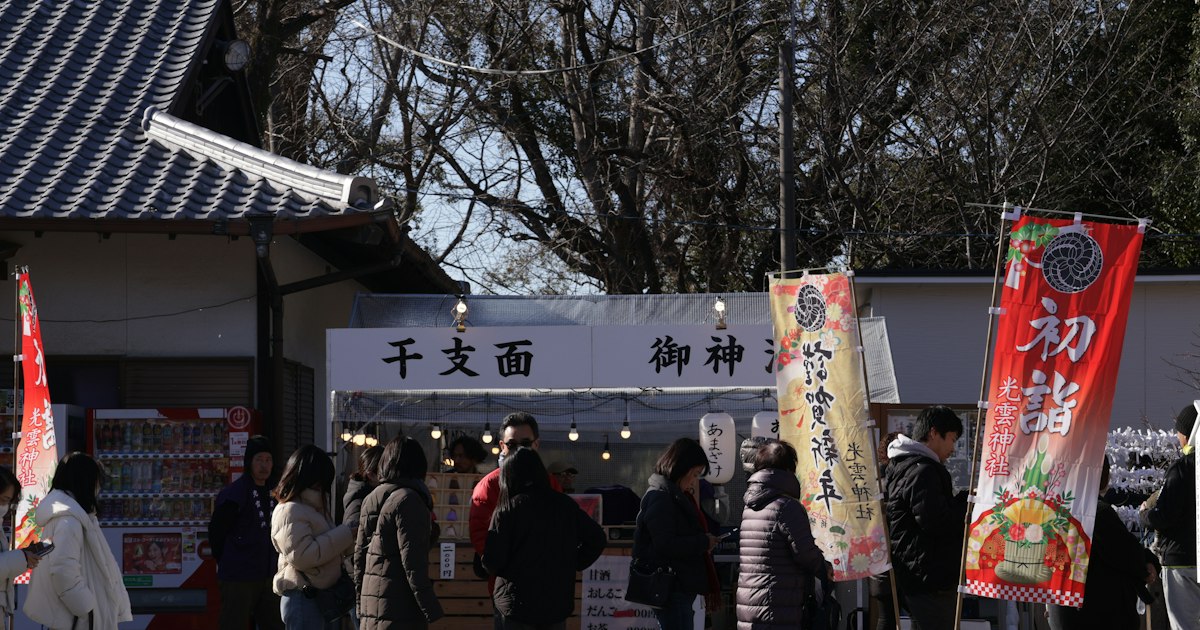
    Despite the name, nobody is actually naked at a hadaka matsuri. Participants wear a fundoshi, a tight white or red loincloth, and the “naked” part refers to everything else being stripped away — coats, shoes, and in many cases the cold itself, since most of these festivals happen in the dead of winter. They’re among the most physical, photogenic, and genuinely startling events on Japan’s festival calendar, and a handful of them actively welcome foreign tourists to join the crowd, not just watch it from behind a rope.

    What actually happens at a hadaka matsuri

    The format varies by town, but the core idea is shared: hundreds or thousands of men (occasionally mixed or women’s versions exist, but the famous ones are male) stripped down to fundoshi, dousing themselves in cold water or sake, then crushing together to touch a sacred object — a wooden stick, a talisman, a priest’s blessing — believed to transfer good luck and ward off bad fortune for the coming year. The crush itself is the point. It’s part Shinto purification ritual, part full-contact rugby scrum, and it’s taken completely seriously by everyone involved even as it looks like chaos from the sidelines.

    The most famous is Saidaiji Eyo at Saidaiji Kannonin temple in Okayama City, held every third Saturday of February (so 2027’s date will be the third Saturday — check the temple’s site each year since it’s fixed to the day of the week, not the date). Around 9,000 men in fundoshi pack the temple grounds from 10pm, climaxing around midnight when two wooden shingi sticks are thrown into the crowd from a window — whoever grabs one is crowned “lucky man” for the year. Temperatures are often near freezing and participants have been dousing themselves in water for hours beforehand.

    Where and when to see one

    • Saidaiji Eyo (Okayama) — third Saturday of February, Saidaiji Kannonin temple. The big one, with official English-language visitor information and bleacher seating for spectators.
    • Kokubunji Hadaka Matsuri (Niigata) — early January, smaller and more local, less tourist infrastructure.
    • Konomiya Naked Festival (Owari, Aichi) — mid-February, built around chasing off a “ogre man” (shin-otoko) scapegoat.
    • Yamugi Tenman-gu Hadaka Matsuri and others — scattered through Tohoku and Kyushu, usually January–February, almost entirely word-of-mouth/local.

    Winter is the overwhelming season for these events — the cold water is part of the purification, and New Year timing ties into fortune-telling for the year ahead. If you’re building a February Japan itinerary around Okayama, note that this is also a good stretch to pair with onsen recovery; somewhere like Takeo Onsen or a local foot bath (see our guide to free ashiyu foot baths if you’d rather warm up without fully undressing yourself) makes a sensible next stop after standing in a crowd for hours in February air.

    How to get to Saidaiji Eyo

    Saidaiji is a district of Okayama City. From Okayama Station, take the JR Ako Line to Saidaiji Station (about 15–20 minutes, roughly ¥240), then walk about 15 minutes to the temple, or take a short taxi (around ¥700–900). Okayama itself is on the Sanyo Shinkansen line, about 45 minutes from Osaka or 50 minutes from Hiroshima, making it an easy day or evening trip if you’re based in the Kansai area. Expect the station and approach roads to be heavily congested after about 8pm on festival night — local trains run later than usual to accommodate the crowds leaving around midnight, but confirm the last train back before you go, since missing it in a small town with limited taxis is a real risk.

    Spectating: cost, timing, what to bring

    Watching is free if you stand in the general public areas around the temple grounds, though these fill up fast — arrive by 7–8pm for a decent view of the main event around midnight. Saidaiji Kannonin sells numbered bleacher-style spectator seats for a fee (historically in the ¥3,000–5,000 range depending on seating tier; prices are set fresh each year, so check the temple’s official announcement rather than relying on an old figure) which guarantee you an unobstructed view and are worth it if you don’t want to fight a crowd for three hours in winter.

    Bring: a thermos of something hot, hand warmers, waterproof footwear (the ground gets wet and icy from the water participants throw), and a charged phone — cell service can get congested in the dense crowd right before midnight. If you want festival photos without missing the moment live, set your camera to a fast shutter beforehand; there’s no time to fiddle with settings once the crush starts.

    Joining as a participant

    Yes, tourists can join Saidaiji Eyo, including non-Japanese visitors, and this is one of the few hadaka matsuri that actively encourages outside participation. Registration is typically required in advance through the temple or local tourism association (an entry fee, historically around ¥3,000, covers the fundoshi rental and a commemorative item) — this is not a walk-up activity. You’ll need to arrive hours early for the ritual cold-water purification (mizugori) that precedes the main event, which is itself an experience: standing in near-freezing weather pouring cold water over your own shoulders repeatedly is the actual initiation, not a formality.

    Practical notes for participants:

    • Fundoshi are provided or sold on-site; you do not need to bring your own, though some participants buy and keep theirs as a souvenir.
    • Fitness matters more than most tourists expect — this is a genuine physical crush, and elbows, falls, and bruises are common. If you have joint issues, heart conditions, or are pregnant, sit this one out and watch instead.
    • Alcohol is often part of the pre-festival atmosphere among local participants, but going in intoxicated into a dense, physical crowd is how people get hurt. Pace yourself.
    • Valuables (phone, wallet) should stay with a non-participating companion or in a locker — there are no pockets in a fundoshi.

    Common mistakes tourists make

    The biggest one is underestimating the cold-to-crowd-heat swing: you’ll be freezing while waiting, then suddenly overheated and crushed once the scrum starts, so dress in easily removable layers rather than one heavy coat. Second is assuming you can just show up and jump in — most organized participation requires pre-registration weeks ahead, and foreign visitors who skip this step are directed to spectator areas instead. Third is treating it like a photo-op free-for-all; this is an active religious ritual for the local community, and shoving a camera into someone’s face mid-ritual is poorly received. Shoot from the designated areas, and if you’re unsure, ask festival staff (many Saidaiji Eyo staff speak at least basic English given the event’s international profile).

    Finally, don’t underestimate logistics around a small station town absorbing a huge one-night crowd — hotels in Okayama City book out well ahead of the February date, and if you’re sorting accommodation yourself, our comparison of Rakuten Travel, Jalan, and Booking.com is worth a look before you commit, since availability and cancellation terms differ meaningfully between the three for a date this in-demand.

    Budget, mid-range, and splurge ways to experience it

    Budget: stand in the free public viewing area (¥0) and take the train back to Okayama City same night. Mid-range: buy a numbered bleacher seat (¥3,000–5,000) and stay one night in Okayama City rather than rushing for the last train. Splurge: register as a participant (~¥3,000 entry plus transport/lodging), stay two nights so you can recover the next day, and treat yourself to an onsen soak afterward — your body will want it after hours of cold water and a crowd crush. If naked festivals turn out to be your gateway into Japan’s rowdier matsuri scene, Tokyo’s own Sanja Matsuri in Asakusa is a good (fully clothed) follow-up in May, with a similarly intense crowd energy around its mikoshi processions.

  • Japan’s Pollen Forecast Season: Kafunsho Masks, Eye Drops and When Cedar Pollen Peaks

    Japan’s Pollen Forecast Season: Kafunsho Masks, Eye Drops and When Cedar Pollen Peaks

    Photo by Dmitry Kropachev on Unsplash

    If you’re planning a Japan trip for February through May and start noticing half the country sneezing, wearing wraparound glasses indoors, and checking their phones for a “pollen count” the way other countries check for rain — welcome to kafunsho season. Japan’s seasonal allergy problem is severe enough to have its own TV segments, dedicated drugstore aisles, and a vocabulary of products that can be baffling if you’ve never had to shop for them. Here’s what’s actually happening, when it peaks, and what’s worth buying.

    Why Japan’s Pollen Season Catches Visitors Off Guard

    The culprit is sugi, or Japanese cedar, a tree planted on a massive scale across the country after World War II for timber. Decades later, those forests have matured and now release enormous volumes of pollen every spring. An estimated 40% or more of the Japanese population has some degree of kafunsho (literally “pollen illness”), so when the season hits, it’s not a niche complaint — it’s a national event covered on morning news with the same seriousness as a typhoon track. Visitors who arrive in March expecting cherry-blossom season and nothing else are often surprised to find themselves with itchy eyes and a runny nose within a day or two outdoors.

    When Does Cedar Pollen Peak? A Month-by-Month Forecast

    Timing shifts by region and by year’s weather, but the general pattern is consistent enough to plan around:

    • Kyushu and western Honshu: Cedar pollen can start as early as late January, peaking mid-February through mid-March.
    • Tokyo, Kanto and Kansai: Pollen usually begins around February 10–20, with the heaviest days from late February through late March.
    • Tohoku: Starts roughly two to three weeks later than Tokyo, peaking in late March to mid-April.
    • Hokkaido: Cedar barely grows there, so cedar pollen is a non-issue — but birch (shirakaba) pollen takes over from late April into May.
    • Hinoki (cypress) pollen: Follows cedar almost everywhere, typically peaking in April and tapering off by mid-May. If you’re still symptomatic after cedar season “ends,” this is usually why.

    Warm, dry, windy days after a cold snap are consistently the worst — pollen counts spike noticeably on the first clear, breezy day following rain.

    Checking the Daily Pollen Forecast

    Locals don’t guess — they check a daily kafun forecast the same way they’d check the weather. The two most useful tools for visitors are:

    • Weathernews’ “Pollen Navi” (花粉ナビ) app or site, which gives a color-coded count (少ない/multi/非常に多い — low to very high) by prefecture, updated several times a day.
    • tenki.jp’s pollen page, which layers the forecast onto a regular weather app many visitors already use for trip planning.

    Both are in Japanese, but the color scale (green = low, yellow = moderate, red/purple = severe) is easy to read without translation. If you’re also tracking train delays or planning day trips — say, after checking the shinkansen schedule for a regional excursion — it’s worth a quick glance before heading out on a high-pollen day.

    What to Buy: Masks, Glasses and Nasal Sprays

    Every drugstore chain — Matsumotokiyoshi, Sugi Drug, Cocokara Fine, Welcia, Tsuruha — dedicates significant shelf space to kafunsho goods from January through May, usually near the entrance. Hours are typically 9:00 or 10:00 to 21:00 or later, and station-front branches often stay open even later.

    • Budget: A box of 30–50 high-filtration pollen masks (look for “花粉用” or high PFE/BFE percentages on the box) runs about ¥400–700. These are finer-mesh than standard surgical masks and fit closer to the face.
    • Mid-range: Pollen-blocking glasses from opticians like JINS or Zoff (¥3,000–5,500) use a soft seal around the lens edge to stop pollen reaching the eyes — genuinely effective and sold at most mall locations. A static-resistant spray for coats and scarves (¥600–900, often called 花粉ブロックスプレー) stops pollen from clinging to outerwear fabric, which matters more than people expect since pollen rides indoors on clothes.
    • Splurge: Air purifiers with pollen-rated HEPA filters for hotel or Airbnb rooms aren’t practical to buy for a short trip, but many business hotels and serviced apartments now list one as a room amenity during pollen season — worth checking when booking through Rakuten Travel, Jalan or Booking.com if you’re sensitive.

    Also look for a small tube or cream (often labeled 花粉ブロック or ガードジェル) that you dab just inside the nostrils before going out — it traps pollen before it’s inhaled and is a favorite of Japanese commuters during peak weeks, priced around ¥700–900.

    Eye Drops and Other Drugstore Remedies

    Japanese eye drops are a category unto themselves, and the pollen-specific ones are worth knowing apart from general “refreshing” drops. Look for drops labeled 花粉 (pollen) or アレルギー (allergy) on the box — Rohto and Sante are the two biggest brands, and their allergy-formula lines (such as Rohto’s “Antibac” allergy range or Sante’s “Medical Guard”) contain mild antihistamine ingredients, priced roughly ¥700–1,300 for a 12–15ml bottle. Standard “cooling” eye drops without the allergy label will feel nice but won’t actually touch the itching.

    For oral relief, Japan sells OTC antihistamines (look for 鼻炎 for rhinitis formulas) at the same drugstores, though dosing and active ingredients differ from what you may be used to at home — if you take a specific medication for allergies, it’s safer to bring your own supply from home rather than trying to match it on the shelf, since not every overseas brand name has a direct Japanese equivalent.

    Regional Escapes: Where Pollen Is Lighter

    If a trip lands squarely in peak season and you’re badly affected, geography can help more than any product. Okinawa has minimal cedar coverage and stays largely pollen-light through spring. Hokkaido is cedar-free, though its own birch pollen kicks in from late April — a trip timed for March or early April, like a visit to Asahiyama Zoo while its cold-weather exhibits are still in full swing, sidesteps both cedar and birch pollen entirely. Within Tokyo, pollen counts also tend to feel less oppressive in riverside, green neighborhoods with lower density and more open air circulation than the packed city center — a quieter stretch like Futako-Tamagawa is a reasonable half-day retreat if symptoms are flaring in the center.

    Common Mistakes Visitors Make

    • Assuming cherry blossom season and pollen season don’t overlap. They do — peak cedar pollen in Tokyo and Kyoto runs right through the early sakura weeks in March, so pack masks and drops alongside your hanami plans, not instead of them.
    • Buying a regular surgical mask instead of a pollen-rated one. Standard masks block droplets, not the much smaller pollen particles as effectively — check the box for a pollen-specific filtration claim.
    • Not changing clothes or washing hair after a high-pollen day. Locals rinse hair and swap jackets at the door specifically to stop carrying pollen indoors overnight, which is why symptoms often feel worse at night than people expect.
    • Ignoring hinoki season. Travelers who tough out cedar season in March sometimes assume they’re clear by April, only to get hit by cypress pollen through May — if you’re still reacting into late spring, it’s not a new problem, just the second wave.

    None of this should derail a spring trip — it’s a manageable, well-understood seasonal fact of life that millions of residents navigate every year with a mask, a bottle of eye drops, and a daily glance at the forecast app. Pack light defenses, check the pollen count the way you’d check rain odds, and the season becomes a minor footnote rather than a surprise.

  • Oyatsu Time: Japan’s 3 PM Snack Break and What Convenience Stores Stock For It

    Oyatsu Time: Japan’s 3 PM Snack Break and What Convenience Stores Stock For It

    Photo by dari gan on Unsplash

    Walk into almost any Japanese convenience store at 2:45 PM and you’ll notice something: the snack aisle gets busy. This is oyatsu time (おやつの時間), the roughly 3 PM snack break that’s as culturally embedded in Japan as afternoon tea is in England — except it happens in office break rooms, school genkan, and train station platforms, and the shopping cart is almost always a konbini basket. For visitors, understanding oyatsu is a cheap, delicious way to eat like a local and build a snack run into any itinerary.

    What Oyatsu Actually Means

    The word “oyatsu” comes from an old time-telling system where the day was divided into units called “toki,” and the eighth unit (yatsudoki) fell around 2–3 PM — hence the “3 o’clock snack.” Historically it referred to a light bite that tided people over between lunch and dinner, especially for children coming home from school and laborers taking a mid-afternoon break. Today it’s less rigid about the exact hour but the concept has stuck: a small, often sweet, often shared snack eaten in the mid-afternoon lull, distinct from dessert (which follows a meal) or a full meal replacement.

    You’ll see it everywhere — office workers quietly unwrapping a chocolate at their desk, kids walking home from school clutching a bag of candy, and construction crews taking a tea break with manju buns. It’s casual, low-stakes, and usually costs under 300 yen.

    Why Convenience Stores Are Oyatsu Headquarters

    Japan’s “big three” chains — 7-Eleven, Lawson, and FamilyMart — all restock sweets and snacks shelves multiple times a day, and many rotate seasonal items weekly. Because oyatsu is an individual, impulse-driven purchase (not a planned grocery trip), the konbini’s single-serving portions and 100–300 yen price points are a near-perfect match. Stores are open 24 hours in most urban areas, so there’s no “closing time” risk, but the 2–4 PM window is genuinely when shelves are freshest and fullest, since morning commuter stock (onigiri, sandwiches) has usually been picked over and afternoon sweets deliveries have just landed.

    If you’re traveling and want to time a snack run well, mid-afternoon on a weekday is ideal — weekend stock patterns can be less predictable in residential areas, though tourist-district stores (Shibuya, Dotonbori, near major stations) restock constantly regardless of day.

    What to Actually Buy

    Budget tier (under 150 yen): the classics are konbini-brand chocolate bars, Baby Star ramen-flavored snacks, and dagashi-style candies like Umaibo. These are the purest oyatsu experience — cheap, unpretentious, and sold individually so you can mix and match without committing to a full bag.

    Mid-range (150–350 yen): this is where the seasonal rotation shines. Look for konbini-exclusive sweets like Lawson’s Uchi Café soft-serve-style puddings, 7-Eleven’s seasonal dorayaki, or FamilyMart’s “Famima Premium” baked goods. Castella cake, taiyaki (the fish-shaped filled cake — if you get curious about the molds these are cooked in, this guide to taiyaki pans and kanban-yaki molds explains the difference), and imagawayaki are frequently sold hot from a warmer case near the register in winter months, though availability depends on the specific store having that equipment installed.

    Splurge (350–600 yen): seasonal limited-edition items, particularly from Uchi Café (Lawson) or Famima’s collaboration lines, often featuring strawberry, matcha, or chestnut depending on the season. These sell out fast and are usually only in stock for 2–4 weeks before rotating.

    No oyatsu is complete without a drink, and Japan’s bottled milk tea is a near-universal pairing with sweet snacks — this rundown of royal milk tea options at the konbini covers which bottles (around 140–160 yen) are worth grabbing.

    Best Season for Oyatsu Hunting

    Konbini sweets rotate seasonally, so timing your trip affects what you’ll find:

    • Spring (March–May): sakura-flavored everything — pink mochi, cherry blossom Kit Kats, sakura daifuku, typically 150–300 yen.
    • Summer (June–August): chilled sweets dominate — kakigori-flavored ice pops, warabi mochi, cold jelly cups, often under 200 yen, kept in dedicated freezer cases.
    • Autumn (September–November): chestnut (kuri) and sweet potato (satsumaimo) flavors across pudding, pastries, and even chocolate, usually 200–400 yen.
    • Winter (December–February): hot snacks return — oden counters and hot baked sweets near the register, plus matcha and hoji-cha flavored treats.

    If you’re visiting during one of these windows, checking a convenience store’s seasonal shelf is worth five minutes even if you weren’t planning to buy anything.

    Common Mistakes Visitors Make

    The biggest one is treating the konbini sweets aisle as an afterthought squeezed between sightseeing stops rather than budgeting a few minutes to actually browse — shelves are usually two or three rows deep and the best items aren’t always at eye level. Second, skipping the hot snack warmer case near the register because it looks like it’s for staff only; it’s self-service at nearly all locations, you just tell the cashier what you grabbed if it’s not barcoded. Third, not checking expiration/best-by stickers on perishable items like pudding or cream-filled pastries, which often have same-day or next-day dates. And finally, assuming all three chains carry the same products — Lawson’s Uchi Café line, FamilyMart’s Famima Premium, and 7-Eleven’s seven-premium sweets are chain-exclusive, so if you loved something at one store, don’t expect to find it at another.

    Making It Part of Your Itinerary

    Oyatsu time fits naturally into a travel day because it requires zero planning — just a convenience store, which in most Japanese cities is never more than a few minutes’ walk away. It’s a particularly good excuse to pause during a long shopping afternoon; if you’re in Tokyo and already exploring upscale retail, the area around Futako-Tamagawa has both high-end sweets shops and ordinary konbini within a short walk of the station, making it easy to compare a 500 yen department-store confection against a 150 yen konbini equivalent. Similarly, train travel is a great built-in oyatsu moment — grabbing a snack before boarding, rather than relying only on the dining cart or station kiosks, is standard practice for Japanese commuters and long-distance travelers alike.

    Ultimately, oyatsu time isn’t about finding one perfect snack — it’s about adopting the rhythm. Pick a 2:30–3:30 PM window on a travel day, duck into whatever convenience store is nearest, and spend under 500 yen trying two or three things you’ve never seen before. It’s one of the lowest-cost, highest-reward cultural experiences Japan offers, and you don’t need a reservation, a ticket, or even much Japanese to participate.

  • Kanimeshi: Oshamambe Station’s Famous Crab Rice Ekiben and Where Else to Find It

    Of the hundreds of ekiben (train station boxed lunches) sold across Japan, only a handful have become destinations in their own right. Oshamambe Station’s kanimeshi — a box of vinegared rice piled with flaked crab meat — is one of them. It’s a strange thing to plan a stop around: a small Hokkaido junction town, a lunch box, and a train that only pauses for a few minutes. But for ekiben hunters and crab lovers, it’s worth knowing exactly how this works before you go, because the logistics are tighter than they look.

    What Makes Oshamambe’s Kanimeshi Different

    Kanimeshi (蟹飯, literally “crab rice”) exists in several regional versions around Japan, but the Oshamambe version is the one most associated with the dish nationally. It’s been made by the local shop Kaniya since 1928, using a recipe that hasn’t changed much: steamed rice seasoned with crab-infused broth, topped with a generous layer of shredded crab meat (traditionally zuwaigani, snow crab), a few strands of kinshi tamago (shredded egg omelet) and pickled ginger. It’s served cold, which is normal for ekiben and actually suits the dish — the rice has had time to absorb the broth, and the crab doesn’t need to be hot to taste good.

    What sets it apart from, say, a chirashizushi bowl is the simplicity: there’s no raw fish, no wasabi, nothing delicate about the presentation. It’s built to survive a train journey and taste good eaten with the included plastic fork while watching Hokkaido farmland go by. If you’re curious how it compares to other rice-based Japanese classics, our guide to chirashizushi, Japan’s scattered sushi rice bowl, covers a related but very different style of seafood-and-rice dish.

    Buying It at Oshamambe Station Itself

    Oshamambe is a small station on the Hakodate Main Line, roughly halfway between Hakodate and Sapporo, and it’s also where the Muroran Main Line branches off toward Tomakomai. It is not a major tourist stop — there’s no town center built for visitors, and most travelers only know it as a name announced over the train speakers.

    Kaniya’s shop sits right by the station and sells the kanimeshi directly, along with a smaller version for lighter appetites. Prices have generally run in the ¥1,300–¥1,600 range for the standard box (the mini size is cheaper), though you should treat this as a ballpark since ekiben prices creep up a little most years — confirm on site or on Kaniya’s own listings if you want an exact figure before you go. The shop keeps shopfront hours roughly matched to daytime train traffic, so this is not a late-night or last-minute stop; if you’re routing a trip around it, plan to arrive in the late morning or early afternoon.

    How to Actually Get There — and the Catch

    Oshamambe is served by limited express trains running between Hakodate and Sapporo (historically the Hokuto and Super Hokuto services), as well as local Hakodate Main Line trains. The practical problem is stop duration: limited express trains typically pause at Oshamambe for only a couple of minutes, which is not enough time to leave the platform, buy a box, and get back on. Ekiben hunters handle this one of two ways: either get off at Oshamambe deliberately and catch a later train (checking the timetable first, since local trains on this line can be infrequent), or buy in advance through a vendor who boards the train or sells on the platform during the stop — this isn’t guaranteed and has become less reliable as staffing on rural lines has thinned out.

    If your trip is built around Hokkaido sightseeing rather than ekiben chasing specifically — say you’re heading toward Asahikawa for the penguin walks at Asahiyama Zoo — it’s more realistic to pick up Kaniya’s kanimeshi at one of the depachika (department store basement food halls) in Sapporo or Hakodate, or at Shin-Hakodate-Hokuto Station, rather than engineering a stop at Oshamambe itself. Treat an actual Oshamambe stop as a bonus for rail enthusiasts with flexible timing, not a dish you need to risk missing a connection for.

    Best Season and Timing

    Crab is sold year-round at Oshamambe, but quality and the specific crab used can shift seasonally — snow crab season in Hokkaido runs roughly from autumn through winter, which is when crab dishes across the island tend to be at their best and most heavily promoted. Summer travel is fine too; the kanimeshi is a stable product rather than a seasonal special, but if your trip is flexible, aim for a cooler month for the best crab overall.

    Timing within the day matters more than time of year here. Arrive mid-morning to early afternoon when the shop is reliably open and stock hasn’t sold out, rather than evening.

    Common Mistakes to Avoid

    • Assuming you can buy it mid-stop on a limited express. Unless a vendor happens to be working that platform that day, a two-minute stop isn’t enough. Don’t plan a tight connection around buying lunch here.
    • Not checking train frequency before getting off. Local trains on the Hakodate Main Line past Oshamambe can run infrequently, especially outside peak hours. Getting off to buy the box without checking the next departure can cost you an hour or more.
    • Expecting a big station with amenities. Oshamambe is small. There’s limited food, shopping, or sightseeing around the station itself, so this isn’t a stop to build a half-day around unless you’re specifically chasing the ekiben or connecting lines.
    • Forgetting it’s sold cold. This isn’t a defect — it’s correct for the dish — but travelers expecting a hot meal are sometimes caught off guard.

    Where Else to Find Kanimeshi

    If reaching Oshamambe itself doesn’t fit your itinerary, you have reasonable alternatives:

    • Budget: Convenience stores and supermarkets across Hokkaido sell their own crab rice bowls, especially around New Chitose Airport and Sapporo Station — not the same recipe, but a similar idea for under ¥800.
    • Mid-range: Kaniya’s kanimeshi is regularly sold at Hakodate Station, Shin-Hakodate-Hokuto Station, and in Sapporo’s major department store food halls, generally at close to the same price as at Oshamambe itself.
    • Splurge: Hokkaido’s crab restaurants — particularly in Sapporo’s crab-specialist districts and in Hakodate’s morning market — serve fresh crab meals (including crab-topped rice) well above ekiben prices, often ¥3,000–¥8,000 depending on the crab type and preparation.

    Kanimeshi also occasionally shows up at national ekiben fairs held at major stations like Tokyo Station, where regional boxes from across Japan are sold for a limited run — worth watching for if you’re not making it to Hokkaido on this trip.

    Planning the Rest of the Trip

    If Oshamambe is one stop on a longer Hokkaido rail itinerary, it’s worth booking accommodation in Hakodate or Sapporo before you lock in train times, since both cities fill up fast in peak crab and snow seasons. Our comparison of Rakuten Travel, Jalan and Booking.com is a useful starting point for deciding where to book Hokkaido lodging before you finalize the rail schedule around your kanimeshi stop.

  • Royal Milk Tea and Japan’s Bottled Milk Tea Craze: What to Grab at the Konbini

    Royal Milk Tea and Japan’s Bottled Milk Tea Craze: What to Grab at the Konbini

    Photo by Mylène Larnaud on Unsplash

    Walk into any 7-Eleven, Lawson, or FamilyMart in Japan and you’ll find an entire refrigerated wall dedicated to tea — and a surprising chunk of it isn’t green tea at all. It’s milk tea, usually labeled ロイヤルミルクティー (Royal Milk Tea) or ミルクティー (milk tea), sold in cans, PET bottles, and little cardboard cartons. For foreign visitors, it’s one of the easiest, cheapest, and most satisfying konbini discoveries — but the shelf is crowded, the Japanese-only labeling can be confusing, and not every “milk tea” is the rich, custardy drink you might be picturing. Here’s what to actually look for.

    What Makes “Royal” Milk Tea Different

    “Royal Milk Tea” isn’t a generic descriptor — it’s a specific brewing method popularized in Japan by Lipton in 1965. Instead of steeping tea in water and adding milk afterward (the way you’d make British-style tea), Royal Milk Tea is brewed by steeping black tea leaves directly in hot milk (or a milk-and-water mix), which pulls more tannins and color out of the leaves and produces a noticeably richer, creamier, slightly more astringent drink than standard milk tea. It’s sweeter and heavier than the milk tea you’d get at a Western cafe, closer in spirit to a chai without the spices.

    This matters when you’re shopping, because “milk tea” (ミルクティー) and “Royal milk tea” (ロイヤルミルクティー) are often two different SKUs from the same brand, sitting next to each other. The Royal version is usually a little more expensive and a little more milk-forward; the plain milk tea version is lighter and less sweet.

    The Konbini Shelf, Decoded: Brands to Look For

    A few names show up at nearly every convenience store:

    • Lipton Royal Milk Tea — the original and still the benchmark. Comes in a yellow-and-blue carton (around 280–500ml) and in cans, typically ¥130–¥170.
    • Kirin Gogo no Kocha (午後の紅茶) — Kirin’s long-running “Afternoon Tea” line includes a Milk Tea variant that’s lighter and less sweet than Lipton’s Royal version, sold in 500ml PET bottles for roughly ¥150–¥160.
    • Suntory and Pokka Sapporo both run their own milk tea lines, often slightly cheaper, closer to ¥120–¥150 for a can.
    • Nittoh Kocha makes a well-regarded straight milk tea in a carton, popular for its smoother, less syrupy sweetness.
    • Each konbini chain’s private-label line (7-Eleven’s 7 Premium, Lawson’s own brand) usually has a budget milk tea too, often the cheapest option on the shelf.

    If you can’t read the packaging, look for the word 紅茶 (kocha, “black tea”) combined with ミルク (milk) — that combination almost always means milk tea rather than plain iced tea.

    Hot or Cold? Reading the Season (and the Shelf)

    Konbini fridges are split into clearly marked hot and cold sections, and milk tea is one of the few drinks sold meaningfully both ways. From roughly October through March, look for the heated shelf (often near the register, sometimes a separate small case) stocked with cans labeled あたたかい or ホット — hot canned milk tea is genuinely good and a nice way to warm up between sightseeing stops. In the warmer months, April through September, it’s all about the cold PET bottles and cartons, which you’ll find in the main beverage fridge. Vending machines follow the same hot/cold split and are everywhere — train platforms, near temples, outside convenience stores — so you’re never more than a few minutes from a drink regardless of season.

    Budget, Mid-Range, and Splurge Picks

    Budget (¥110–¥140): A small can of a konbini private-label or Suntory/Pokka Sapporo milk tea. Perfectly drinkable, best iced.

    Mid-range (¥150–¥180): A 500ml bottle of Kirin Gogo no Kocha Milk Tea or a Lipton Royal Milk Tea carton — the sweet spot for flavor and volume, and what most visitors end up buying repeatedly.

    Splurge (¥250–¥500): Skip the fridge and look for bottled milk tea sold at department store basement food halls (depachika) or specialty tea cafes, where brands make small-batch versions with higher-grade Assam or Ceylon leaves and less sugar. Some depachika food halls — the same kind of basement floor you’d find useful when hunting down other regional specialties — also sell gift-boxed tea bag sets of Royal Milk Tea blends for bringing home, which travel far better in a suitcase than liquid bottles.

    Common Mistakes to Avoid

    • Grabbing plain “kocha” thinking it’s milk tea. Unsweetened or lemon black tea (レモンティー) sits on the same shelf and looks similar at a glance — check for the ミルク (milk) label.
    • Assuming hot and cold versions taste the same. Some brands formulate their hot and cold milk tea slightly differently (sweetness and milk ratio adjusted for temperature), so don’t be surprised if your favorite cold brand tastes a bit different hot.
    • Ignoring the carton option. Cartons (like Lipton’s) are often the richest, most “Royal” version of a given brand, but travelers sometimes overlook them in favor of the more visible PET bottles.
    • Expecting it unsweetened. Almost all bottled and canned Japanese milk tea is pre-sweetened — if you want something closer to unsweetened black tea with milk added yourself, you’ll need to make it at a hotel kettle with tea bags and a milk portion, not buy it bottled.

    Where and When to Buy

    You genuinely don’t need to plan around this — convenience stores in Japan are open 24 hours (a few rural locations trim overnight hours, but it’s rare) and milk tea is a permanent fixture, not a seasonal item, so there’s no wrong time to grab one. The only timing nuance is hot vs. cold stock, as above. If you’re staying somewhere without an in-room fridge, konbini runs are an easy substitute — something worth factoring in if you’re comparing accommodation on Rakuten Travel, Jalan, or Booking.com and picking a neighborhood. And if you’re the type who likes tracking down one distinctly local food or drink per region — the way travelers seek out something like the Sasebo burger in Nagasaki or a bowl of chirashizushi — milk tea brands can actually vary slightly by region, so it’s worth checking a konbini fridge in each new city rather than assuming it’s identical everywhere.

    Total cost for a milk tea habit during a two-week trip: even at two bottles a day, you’re looking at roughly ¥2,000–¥4,000 total — a small, easy indulgence that ends up being one of the more memorable small pleasures of a Japan trip.

  • Sasebo Burger: Nagasaki’s American-Style Burger Born Beside the US Naval Base

    Sasebo Burger: Nagasaki’s American-Style Burger Born Beside the US Naval Base

    Photo by Our Latest Number on Unsplash

    Long before burger chains spread across Japan, sailors stationed at the US Navy base in Sasebo were teaching local cooks how to build a hamburger from scratch. The result, decades later, is a city-wide specialty with its own certification mark, its own “burger map,” and a devoted following among Japanese food travelers who make the detour to Nagasaki Prefecture just for a bun and a patty. Here’s what makes the Sasebo burger worth the trip, and how to eat your way through it without wasting a meal.

    Why Sasebo, of All Places, Has Japan’s Burger Pedigree

    Sasebo has hosted a US naval presence since the postwar occupation, and today it’s home to US Fleet Activities Sasebo, a base that still anchors the city’s economy and streetscape. In the 1950s, local diners near the base started making hamburgers to order for American servicemen who wanted something familiar — fresh-baked buns, a patty grilled after you ordered it, not assembled in advance. Sasebo is often credited as the city where Japan’s hamburger culture began, predating the arrival of McDonald’s and other chains by roughly two decades. That “made fresh when you order” habit stuck, and it’s still the defining difference between a Sasebo burger and a fast-food one.

    What Actually Makes a Sasebo Burger Different

    The city’s tourism association runs a loose certification system, and shops that qualify can display a “Sasebo Burger” mark. The core rules are simple: the bun should be fresh (either baked in-house or sourced from a quality bakery, not mass-produced), the patty is grilled to order rather than pre-cooked and held under a heat lamp, and vegetables should be fresh and generously stacked. In practice this means you’ll wait 10–15 minutes for your burger, and it arrives tall, a little messy, and usually too big to pick up cleanly without losing half the toppings onto the plate. Expect lettuce, tomato, onion, and a thick beef patty as the baseline, with bacon, fried egg, avocado, or teriyaki sauce as common upgrades.

    Where to Eat: Budget, Mid-Range, and Splurge Picks

    There are roughly 20–30 shops around Sasebo carrying the official burger-map designation, ranging from stand-up takeout counters to full sit-down diners, so there’s no single “best” shop — it depends on how much time and appetite you’ve got.

    • Budget (around ¥500–900): Small takeout counters and lunch-counter diners near the Sasebo Chuo bus terminal and the Yonkacho/Sanbancho arcades sell a classic cheeseburger or teriyaki burger in this range — order it to go and eat it in nearby Umi-Kaze Park overlooking the harbor.
    • Mid-range (around ¥900–1,400): Longtime American-diner-style shops serving a full burger-and-fries set with a drink fall here. These are the places with checkered floors, neon signs, and English-language menus left over from decades of serving base personnel — look for names like Big Man, Hikari, and Log Kit, all well known locally and marked on the Sasebo Burger map available at the tourist information counter inside JR Sasebo Station.
    • Splurge (¥1,500 and up): Specialty burgers piled with avocado, a fried egg, extra cheese, and thick-cut bacon, often paired with a milkshake, push into this range at the more polished sit-down spots. Worth it once, especially if you’re sharing fries.

    Pick up the printed Sasebo Burger Map (free, in Japanese and English, at the station tourist desk) before you start wandering — it’s the easiest way to confirm which shops currently hold the certification and see their hours at a glance, since smaller family-run diners do occasionally close for a day without much online notice.

    How to Get to Sasebo

    Sasebo sits in Nagasaki Prefecture, about 1.5–2 hours from Fukuoka’s Hakata Station on the JR limited express “Midori,” which runs directly on the Sasebo Line. Coming from Nagasaki city, there’s no bullet train link — take a limited express or rapid service on the Omura/Sasebo Line, which also takes around 1.5–2 hours depending on the connection. Highway buses from Fukuoka’s Tenjin and Hakata bus terminals are a cheaper, slower alternative at roughly 2 hours. If you’re already headed to Huis Ten Bosch, the theme park is just one stop from Sasebo, making it easy to combine the two into a single day. For the train leg from Fukuoka, you’ll pass through Takeo Onsen on the Sasebo Line — if you have an extra half-day, it’s worth reading up on Takeo Onsen’s library-and-hot-spring combination as a stopover on the way in or out.

    Best Time to Visit and Timing Tips

    Most burger shops open around 11:00 for lunch and stay open through dinner, though hours vary shop by shop and a number close one weekday (often Wednesday) — check the shop’s posted hours or the burger map before making a special trip. Lunch (11:30–13:30) is the busiest window, especially on weekends, since this is also when day-trippers from Fukuoka and Nagasaki city pass through; arriving right at opening or after 14:00 avoids most of the wait. Weather-wise, Sasebo’s harbor views and outdoor eating spots like Umi-Kaze Park are most pleasant in spring (April–May) and autumn (October–November), when it’s comfortable to eat your burger outside rather than in an air-conditioned diner. Summer in Nagasaki Prefecture is hot and humid, which is fine if you’re eating indoors but less pleasant for a park picnic.

    Common Mistakes to Avoid

    • Treating it like fast food. Because the patty is grilled to order, a Sasebo burger genuinely takes 10–15 minutes. Don’t order it if you’re trying to catch a train in 20 minutes — budget real sit-down time.
    • Skipping the certification mark. Plenty of ordinary restaurants in Sasebo sell a burger on the menu, but only shops on the official map follow the fresh-bun, grilled-to-order standard. Checking the map first avoids a disappointing, generic burger.
    • Not bringing cash. Many of the smaller, older diners — the ones with the most character — are cash-only or have limited card readers. Carry yen in case the shop you pick doesn’t take cards.
    • Ordering it the same as back home. Sasebo burgers are often sauced with a sweeter, teriyaki- or demi-glace-style sauce rather than ketchup-and-mustard. If you want the classic American profile, ask for it, but trying the house sauce first is part of the point.

    Rounding Out the Trip

    Sasebo works well as a one- or two-night add-on to a Fukuoka or Nagasaki itinerary rather than a standalone destination — most visitors come for the burger, the harbor views, and a day at Huis Ten Bosch, then move on. If you’re building out the food side of a Kyushu trip, it’s worth comparing another regional specialty worth a detour: Nagoya’s miso-topped pork cutlet, misokatsu, follows a similar “local pride dish” pattern, as does chirashizushi if you want something lighter to balance out a burger-heavy day. For lodging, Sasebo has a modest but decent hotel selection near the station and harbor; if you haven’t settled on a booking platform yet, this comparison of Rakuten Travel, Jalan, and Booking.com covers which one tends to have the better rates for smaller regional cities like this one.

  • Takeo Onsen: Saga’s Hot Spring Town Built Around a Library Behind a Historic Gate

    Takeo Onsen: Saga’s Hot Spring Town Built Around a Library Behind a Historic Gate

    Photo by Howen on Unsplash

    Most foreign visitors to Kyushu pass within an hour of Takeo Onsen without ever hearing its name. That’s a shame, because this small hot spring town in Saga Prefecture packs an unusual combination into a half-day visit: a 1915 vermilion gate built by the same architect who designed Tokyo Station, a scattering of old-fashioned public bathhouses, and — a few minutes’ walk away — one of the most photographed libraries in Japan. It’s an easy add-on if you’re routing between Fukuoka and Nagasaki, and it doesn’t require an overnight stay, though you can do that too.

    The Vermilion Gate: Takeo Onsen’s Historic Entrance

    The town’s centerpiece is the Takeo Onsen Rōmon, a two-story wooden gate painted deep red that has marked the entrance to the bathing quarter since 1915. It was designed by Tatsuno Kingo, the architect behind Tokyo Station’s red-brick facade, and the Rōmon was designated a National Important Cultural Property in 2005. You can walk through and around it for free at any time — there’s no entry fee or gate hours, since it functions as a working street entrance rather than a ticketed monument. A free public foot bath (ashiyu) sits just beside it, which is a nice way to rest your feet before or after walking the old bathing streets behind it.

    Behind the gate, several separate public bathhouses operate independently, each with its own entry fee and character — this isn’t a single bathing facility but a cluster of small ones, closer in feel to a traditional onsen street than a resort.

    The Library Everyone Comes to See

    The real reason Takeo Onsen shows up in design and travel magazines is the Takeo City Library (武雄市図書館), about a 10-minute walk from Takeo Onsen Station and close to the Rōmon gate area. It reopened in 2013 after a renovation run by Culture Convenience Club, the company behind the Tsutaya bookstore and video rental chain, and it was one of the first Japanese municipal libraries to blend a public library with a Starbucks and a Tsutaya retail section selling books, stationery, and CDs under the same soaring wood-shelved roof.

    It’s open daily from 9:00am to 9:00pm with no closed days — unusual for a Japanese public library, which typically close for a weekly maintenance day. Browsing is free, the Starbucks and retail sections operate on normal store hours within that window, and borrowing privileges require Japanese residency, so as a visitor you’re there to look, photograph the architecture, and buy books rather than check anything out. Most of the stock is in Japanese; if you’re hunting for an English read for the rest of your trip, you’ll have better luck at Maruzen, Kinokuniya, or Good Day Books in a larger city. Weekday mornings are noticeably quieter than weekends and school holidays, when the reading areas fill with local families.

    Where to Actually Soak

    The bathing side of town is worth building time for, not just photographing. The old public bathhouses near the gate are inexpensive and no-frills — expect to pay roughly ¥450–¥600 for a basic soak, bring your own towel or rent one for a small extra fee, and don’t expect English signage. The Tonosama-yu, a preserved “lord’s bath” building near the gate, is a cultural property that can be reserved for private use by groups for a higher fee, which is the closest thing in town to a premium experience inside a historic structure.

    If you’d rather bathe somewhere quieter with a towel and robe provided, several ryokan around town offer day-use bathing (higaeri onsen) for roughly ¥1,000–¥2,000, usually for a one- to two-hour window in the early afternoon — call ahead, since hours and availability vary by property and some restrict day-use during busy seasons. For an overnight stay, budget travelers can find simple guesthouses from around ¥6,000–¥8,000 a night, while a traditional ryokan with kaiseki dinner and private bath typically runs ¥18,000–30,000 per person. If you’re booking a night here, see our comparison of Rakuten Travel, Jalan, and Booking.com for which site tends to have the better rates on Japanese ryokan specifically.

    Mifuneyama Rakuen: The Garden Next Door

    A short taxi ride (around 10 minutes) or a longer walk from the onsen gate takes you to Mifuneyama Rakuen, a centuries-old garden built into the base of a dramatic volcanic cliff face. It was laid out by a feudal lord of the Takeo domain and is best known for a huge bank of azaleas that bloom in late April into May, and for maple foliage in November. In recent years the garden has also hosted a seasonal nighttime digital art installation by teamLab, which runs on its own schedule and ticketing separate from daytime garden admission — check current dates and prices before planning around it, since the run varies year to year. Garden-only admission is modest, generally in the single-digit thousands of yen or less depending on season; the teamLab night event costs considerably more.

    Getting There and Best Time to Visit

    Takeo Onsen Station sits on the JR Sasebo Line and is also the western terminus of the Nishi Kyushu Shinkansen, which opened in 2022 and runs on to Nagasaki.

    • From Fukuoka (Hakata Station): the limited express “Kamome” runs direct to Takeo Onsen Station in about 1 hour 20 minutes, no transfer needed, for roughly ¥4,000–5,000 one way.
    • From Nagasaki: the Nishi Kyushu Shinkansen “Kamome” covers the route in around 30 minutes.
    • From Saga Station: local or rapid trains take roughly 30–40 minutes.
    • Within town: the library is about a 10-minute walk from the station; the historic gate and bathhouse district are closer to 20–25 minutes on foot, or a short, inexpensive taxi ride.

    Spring (azalea season at Mifuneyama Rakuen, April–May) and autumn (foliage, roughly mid-November) are the most rewarding times to combine the garden with the town, though both are also the busiest weekends for Japanese domestic tourists. Winter is quiet and the baths feel especially good in the cold; midsummer is hot and the appeal of an outdoor garden walk drops accordingly.

    Common Mistakes to Avoid

    • Treating the library like a sightseeing-only stop. Staff are there to run a working public library and bookstore, not pose for tour groups — keep voices down and be mindful of local patrons actually reading.
    • Assuming the bathhouses are one complex. Each public bath near the gate is separately run with its own fee and hours; don’t expect a single ticket to cover all of them.
    • Skipping Mifuneyama Rakuen because it’s “just a garden.” The cliff-face setting is the whole point, and if you arrive expecting a flat municipal park you’ll undersell it.
    • Not checking teamLab’s current run dates. The installation isn’t permanent and its calendar shifts year to year, so verify before building a trip around it.

    Takeo Onsen rewards travelers who like their stops a little quieter than Fukuoka or Nagasaki — in the same spirit as other overlooked spots covered on this site, like Sarushima near Yokosuka. A few hours here, built around the gate, the library, and a soak, is enough to see why it keeps showing up in architecture round-ups — and why almost no one you know has actually been.

  • Asahiyama Zoo: Hokkaido’s Cold-Weather Zoo and Its Famous Winter Penguin Walks

    Asahiyama Zoo: Hokkaido’s Cold-Weather Zoo and Its Famous Winter Penguin Walks

    Photo by Jen Dries on Unsplash

    Most zoos close their outdoor exhibits down in winter. Asahiyama Zoo in Asahikawa, Hokkaido, does the opposite — it treats sub-zero temperatures as the main attraction. From roughly mid-December through late March, the zoo’s king penguins waddle out of their enclosure and down a snow-packed path while visitors line up three and four deep to watch. It’s one of the few reasons to plan a Hokkaido trip specifically around winter, and it’s become one of the island’s most photographed animal encounters. Here’s what actually happens, when to go, and how to get there without wasting half a travel day.

    What makes Asahiyama Zoo different

    Asahiyama Zoo built its reputation on “behavioral exhibition” (koudou tenji) — designing enclosures so animals act naturally instead of just sitting on display. The seal house has a vertical glass cylinder the seals swim straight up through; the polar bear enclosure has an underwater viewing dome where you can watch a bear paddle a few feet above your head; and the orangutans move between buildings on an elevated rope line strung high over a visitor path. The zoo is mid-sized and walkable in 3–4 hours, which makes it realistic as a half-day stop rather than a full day commitment.

    The penguin walk is the headline act specifically because of Asahikawa’s climate. Asahikawa regularly sees some of the coldest temperatures of any city in Japan, and the zoo leans into it rather than fighting it.

    The penguin walk: when it happens and when it doesn’t

    The walk runs during the zoo’s winter season, which has typically spanned mid-December to late March, with walks held once or twice a day (commonly around late morning and again in early afternoon). It is not a daily guarantee — it’s canceled on days that are too warm (above roughly 0°C the snow gets slushy and the walk is called off to protect the penguins) or in genuinely dangerous conditions like heavy wind or blizzard-level snow. Moderate snowfall, on the other hand, is exactly when the walk looks best in photos.

    Because the schedule shifts year to year and is announced closer to the date, check the official Asahiyama Zoo website or its social media the morning of your visit rather than relying on an old blog post’s exact times. If the walk is central to your trip, build in a two-day buffer in Asahikawa rather than a single day trip from Sapporo, so a cancellation on day one doesn’t sink the whole plan.

    Hours and admission

    The zoo runs on two seasonal schedules. The summer season (late April to early November) typically has hours around 9:30 am to 5:15 pm, with last entry around 4:00 pm. The winter season (November through early April) runs shorter hours, roughly 10:30 am to 3:30 pm, with last entry around 3:00 pm — plan to arrive well before closing since some indoor exhibits start closing earlier.

    Admission is inexpensive by zoo standards: adults (age 16 and up) pay around ¥1,000, and visitors 15 and under enter free. There’s no need to pre-book tickets online — gate admission is standard, though lines can form on weekends during peak snow season.

    Getting there from Sapporo and Asahikawa Station

    Asahiyama Zoo sits on the outskirts of Asahikawa, not in the city center, so getting there is a two-leg trip:

    • Sapporo to Asahikawa: JR limited express trains (“Kamui” or “Lilac”) run roughly hourly and take about 1 hour 25 minutes from Sapporo Station to Asahikawa Station.
    • Asahikawa Station to the zoo: City buses run from the station to the zoo in around 40–50 minutes depending on the route and traffic; a taxi takes roughly 25–30 minutes. In winter, Asahikawa Denki Kido operates seasonal direct buses timed to the penguin walk schedule — these are worth checking for first, since they save the hassle of transferring on a regular city route in heavy snow.

    If you’re coming straight from Sapporo in one day, you’re looking at roughly 2–2.5 hours of one-way travel, so a full round trip plus zoo time eats most of a day. Many visitors instead stay a night in Asahikawa to catch the morning walk without rushing — when booking that stay, a site like Rakuten Travel, Jalan, or Booking.com will show you which of those three tends to have better rates for regional Hokkaido cities versus Tokyo or Kyoto.

    Best timing and common mistakes

    Late December through February gives the most reliable snow cover and the coldest, most dramatic-looking penguin walks, but also the coldest visitor experience — dress for temperatures well below freezing, including good boots, since the outdoor paths get icy. March is a reasonable middle ground: still cold enough for walks, slightly milder for visitors, with smaller crowds than the New Year holiday period.

    The most common mistake is treating the penguin walk like a scheduled show you can show up for at the last minute. Spots along the path fill up, and families stake out positions 15–20 minutes ahead. A second mistake is assuming the zoo is a quick stop — between the seal cylinder, the polar bear dome, and the indoor penguin pool (the king penguins and humboldt penguins are viewable year-round even when the outdoor walk isn’t running), most visitors need at least three hours to see the highlights without rushing.

    A third mistake: assuming summer visits are a letdown. Without snow, there’s no walking penguin parade, but the behavioral exhibits — the elevated orangutan walkway, the seal tank, the wolf and tiger enclosures — run year-round and summer hours give you far more daylight to see everything at an easy pace.

    Budget, mid-range, and splurge approaches

    On a tight budget, a day trip from Sapporo using the regular JR limited express and city bus covers round-trip transport and admission for well under ¥10,000 per person. A mid-range plan adds one night in Asahikawa, letting you catch an 11 am walk without a 6 am start from Sapporo. For a splurge version, some visitors pair the zoo with a broader eastern or central Hokkaido winter itinerary — drift ice near Abashiri, the Sounkyo ice festival, or Furano’s ski season — using Asahikawa as a hub city rather than a single-destination day trip.

    However you build the itinerary, confirm the penguin walk is actually running before you lock in train and bus times — it’s the one detail that turns this from “zoo visit” into “the reason we came to Hokkaido in winter.”

  • Sanja Matsuri: How to Watch Asakusa’s Wildest Mikoshi Festival

    Sanja Matsuri: How to Watch Asakusa’s Wildest Mikoshi Festival

    Photo by Trevor Paxton on Unsplash

    Three days a year, the quiet temple streets around Senso-ji turn into a shoving, chanting, sake-soaked crowd of a couple million people as neighborhood teams hoist gold-topped shrines on their shoulders and run them through traffic. That’s Sanja Matsuri, and it’s unlike almost anything else on Japan’s festival calendar — closer to a rugby scrum than the serene lantern processions most visitors picture. Here’s how to actually watch it without getting flattened.

    What Is Sanja Matsuri, and Why Is It So Wild?

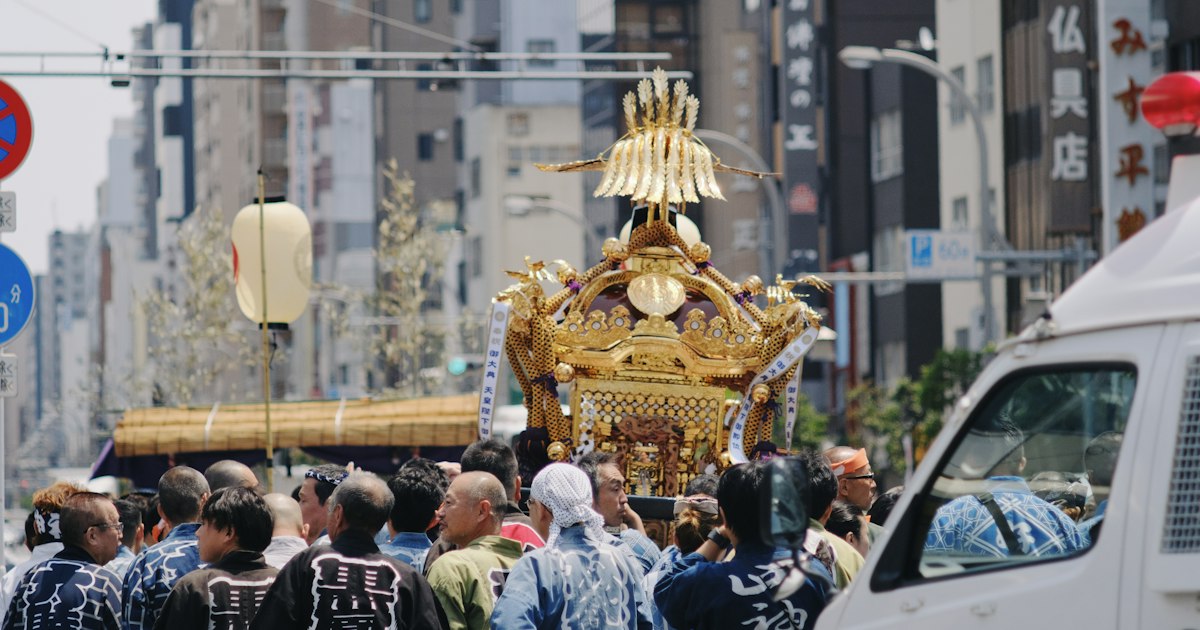
    Sanja Matsuri (“Festival of the Three Shrines”) is the annual festival of Asakusa Shrine, held in honor of the three men traditionally credited with founding Senso-ji in the 7th century. Unlike a typical matsuri where a mikoshi (portable shrine) is carried in a stately procession, Sanja’s mikoshi are deliberately jostled, tilted, and bounced by the bearers — it’s believed the rougher the ride, the happier the enshrined deities are. Add roughly 100 neighborhood associations, each fielding their own mikoshi and happi-coat-clad team, plus free-flowing beer and sake, and you get a festival that regularly draws 1.5–2 million spectators over the weekend.

    When It Happens and the Three-Day Schedule

    Sanja Matsuri runs every year on the third Friday, Saturday, and Sunday of May, rain or shine (it is not cancelled for light rain; only severe weather alters the schedule). Each day has a distinct character:

    • Friday – The opening ceremony and Daigyoretsu, a stately procession of geisha, musicians, and performers of the binzasara dance, moving through the neighborhood in the afternoon. This is the calmest day and a good one for families or anyone who wants photos without the crush.
    • Saturday – Around 100 “town” mikoshi, one from each participating neighborhood, are carried through the streets from mid-morning and converge on Asakusa Shrine for a blessing. Expect constant, overlapping processions all over the backstreets east and north of Senso-ji.
    • Sunday – The main event. The three Honsha (“main shrine”) mikoshi are hoisted out of Asakusa Shrine at dawn, around 6:00 AM, and carried separately through all 44 local districts until they return after dark, often past 8:00 PM. This is the day the crowds peak.

    Getting to Asakusa and Where to Stay

    Asakusa Station is served by the Tokyo Metro Ginza Line, the Toei Asakusa Line, the Tobu Skytree Line, and the Tsukuba Express — from most central Tokyo hotels it’s a 15–25 minute ride. Senso-ji and Asakusa Shrine sit right next to each other a few minutes’ walk from the station exits, with Nakamise shopping street as the main approach.

    If you want to be based in Asakusa for the festival, book early — rooms within walking distance sell out months ahead and prices spike for the weekend. When comparing options, our guide to Rakuten Travel, Jalan or Booking.com is worth reading first, since Japanese booking sites sometimes surface Asakusa ryokan and business hotels that don’t show up on Western platforms. Budget business hotels in the area run roughly ¥9,000–14,000/night during the festival (vs. ¥6,000–9,000 on a normal weekend); a riverside room with a Sumida-gawa view can run ¥25,000+.

    Where to Stand: The Best Viewing Spots

    The single worst place to watch is Kaminarimon Gate and Nakamise on Sunday afternoon — it’s packed shoulder-to-shoulder and you’ll mostly see the backs of other people’s heads. Better options:

    • Asakusa Shrine’s main gate, Sunday around 6:00–6:30 AM — when the three Honsha mikoshi are brought out (Renko-sai). It’s early, but the crowd is a fraction of the afternoon size and this is the single most photographed moment of the festival.
    • The backstreets east of Senso-ji (the residential blocks toward Kototoi-dori) — this is where neighborhood mikoshi actually pass close enough to touch, with none of the gate’s crowd barriers.
    • Elevated spots — upper floors of cafes and restaurants along the main routes sometimes open to walk-ins or take reservations; ask at your hotel in advance, as these seats go first.

    Police set up rope lines and one-way pedestrian flows on the busiest streets by midday Saturday and Sunday — once you’re funneled into one of these, you can’t easily cross to the other side, so decide your vantage point before the crowd builds.

    Festival Food, Shopping and Cult Souvenirs

    Yatai (food stalls) line the approach streets all three days: yakitori and karaage run about ¥500–800, takoyaki around ¥600, and festival beer or chu-hi in cans from the convenience stores nearby is cheaper than anything sold streetside. Asakusa is also one of the best places in Tokyo for old-fashioned Japanese snacks — the neighborhood’s senbei and dagashi shops are a step beyond the festival stalls, and if you want something crunchy to take home, it’s worth reading up on karinto, the brown-sugar fried snack several long-running Asakusa shops specialize in.

    Nakamise itself stays open through the festival (most shops close around 6:00–7:00 PM) and is a reasonable stop for omamori, yukata, and traditional crafts, though prices are tourist-oriented — better bargains exist in the quieter side streets like Denboin-dori.

    Common Mistakes First-Timers Make

    • Showing up mid-afternoon Sunday expecting a clear view. By noon the main routes are solid crowds; arrive by 9:00–10:00 AM if you want to move freely, or go for the 6:00 AM departure instead.
    • Wearing nice clothes. Mikoshi bearers splash beer, sake, and sometimes water on themselves and bystanders near the shrine. Dress like you don’t mind a stain.
    • Assuming it’s a family-friendly, calm event like a lantern festival. It’s loud, physical, and alcohol-fueled — not dangerous for onlookers who stay out of the mikoshi’s path, but not a quiet cultural outing either.
    • Trying to drive or bike in. Roads around Senso-ji close to traffic for long stretches on Saturday and Sunday; public transit is the only realistic option.
    • Booking a hotel the week before. Asakusa and nearby Ueno/Ginza fill up; reserve 2–3 months out if you want anything central.

    Budget, Mid-Range and Splurge Ways to Experience It

    Watching Sanja Matsuri from the street costs nothing beyond your transit fare and whatever snacks you buy. Mid-range visitors can add a reserved lunch or cafe seat along the route (typically ¥2,000–5,000 per person) for a guaranteed, elevated view without the dawn wake-up. For a splurge, some ryokan and hotel rooms directly overlooking Nakamise or the Sumida River sell out specifically for festival weekend at a premium — if that matters to you, start checking rates as soon as next year’s dates are confirmed, since Asakusa’s best rooms for this weekend go first.