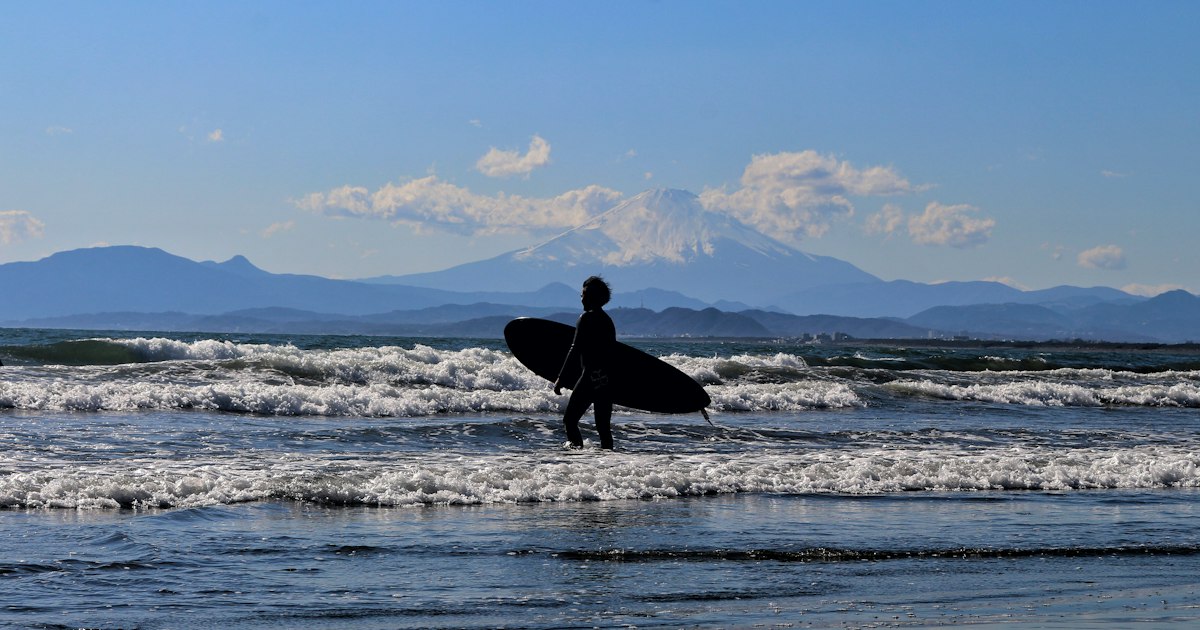
Photo by Ye Lin Wai on Unsplash
Japan’s beaches, trailheads and highway rest stops are dotted with a small, unglamorous convenience that saves a lot of trips: the coin shower. For surfers coming off a session, hikers caked in trail dust, and campers who’ve spent three days without plumbing, these pay-per-use stalls are the fastest way to rinse off without checking into a hotel. They’re cheap, they’re everywhere once you know to look, and almost no guidebook mentions them. Here’s how they actually work.
What Is a Coin Shower, Exactly?
A coin shower (コインシャワー, koin shawā) is a small, usually unstaffed stall — sometimes a single nozzle on an outdoor wall, sometimes a proper closet-sized room with a door — that dispenses hot water for a fixed number of minutes per 100-yen coin. You’ll see them clustered in beach parking lots next to free cold-water foot-rinse stations, at highway rest stops (michi-no-eki) that cater to road-tripping campers, and near popular trailheads where hikers need to get the mud off before getting back in a car or on a train.
They’re not a substitute for a full bath — there’s no soap dispenser, no bench to sit on, and usually barely enough room to turn around — but for rinsing off salt water, sweat, or sunscreen, they do exactly the job required.
Where You’ll Find Them: Beaches, Mountains, and the Road
Surfing: the Shonan coast in Kanagawa is the classic example — beaches like Katase-Higashihama near Enoshima and Chigasaki Southern Beach have rows of coin showers right at the parking lot. If you’re coming from Tokyo, the Shonan Monorail between Ofuna and Enoshima drops you within walking distance of several of these beaches. Further out, the Chiba surf towns around Isumi and Onjuku, the Izu Peninsula around Shimoda, and Aoshima in Miyazaki all have similar setups, usually run by the local tourism association or a nearby surf shop.
Hiking: coin showers are less common right on the trail, but they turn up at trailhead parking areas and roadside stations serving popular day hikes. A good example is the approach to Mount Daisen in Tottori, where you can clean up before the drive or train back to Yonago rather than sitting in a rental car covered in dust.
Camping and cycling: auto-campsites almost always include a shower, either free with the site fee or on a coin meter, and michi-no-eki along popular touring routes frequently have coin showers aimed at van-lifers and long-distance cyclists. If you’re doing a multi-day bike tour and planning to ship your bicycle home afterward, a coin shower at the last rest stop before the airport is a genuinely useful way to arrive clean without needing a hotel room first.
How Much They Cost and How the Machines Work
Pricing is remarkably consistent nationwide: expect roughly ¥100 for about 3 minutes of hot water, sometimes ¥100 for a shorter burst (90 seconds–2 minutes) at busier beach locations, or ¥200–¥300 for a longer, enclosed-room shower at a campsite or michi-no-eki. You feed coins into a slot and the water runs for the timed period, then shuts off — put in another coin before it stops if you need more time, since most machines don’t refund or pause. Some units take only ¥100 coins; a few newer ones at bigger facilities accept IC cards, but don’t count on it.
Free cold-water foot showers (just for sand and salt) are common right next to the paid hot-water stalls — use the free one first to save your coins for the part that actually needs hot water.
Best Times to Go (and When They Shut Down for Winter)
Peak season is July and August, when beach coin showers see long lines in the late afternoon as the surf crowd and swimmers all rinse off at once — go early morning or after 5pm if you want it to yourself. Many open-air beach coin showers are seasonal and simply get shut off from around late October through March, since the exposed plumbing isn’t worth maintaining through a quiet, cold off-season with no beachgoers. If you’re surfing in winter (a real thing on parts of the Shonan and Chiba coasts), call ahead or check the beach’s website, or plan on a nearby sento instead. Campsite and michi-no-eki showers tend to stay open year-round since they’re indoors.
Coin Showers vs. Sento and Onsen: Which to Choose
A coin shower is about speed and function, not comfort — you’re in and out in under five minutes. A neighborhood sento (public bathhouse) costs more, typically ¥450–¥550 for entry depending on the prefecture, but gives you a proper soak, soap, and somewhere to sit down after a long day on the trail or in the waves. Sento usually open mid-afternoon (around 3–4pm) and close late evening, and almost all close one fixed day a week, so check before you detour. If you’ve got the time and your legs are shot after a full day of hiking, the sento is worth it; if you just need the salt off before catching a train, the coin shower wins on pure efficiency.
Common Mistakes First-Timers Make
- Not having 100-yen coins. Coin showers don’t make change and rarely take bills. Break a note into coins at a convenience store before you head to the beach or trailhead — don’t wait until you’re standing at the machine, soaked and coinless.
- Assuming a towel or soap is provided. Nothing is supplied. Bring your own small towel and, if you want it, a travel-size body wash — there’s no shelf space, so keep it minimal.
- Treating it like a private bathroom. Many coin showers are open stalls with a curtain rather than a locking door, and they sit right in a public parking lot. Wear a swimsuit or quick-change wrap rather than planning to undress fully.
- Running out the clock mid-rinse. The timer doesn’t pause. Have your coins ready in your hand before you start so you’re not fumbling with wet fingers when the water cuts off.
- Expecting hot water at every beach. Some of the free foot-rinse stations are cold-only by design; only the coin-operated stalls guarantee hot water, and even those can run lukewarm on the first use of the day.
Budget, Mid-Range, and Splurge Options After a Long Day Outside
Budget: the coin shower itself, ¥100–¥300, is as cheap as it gets. Mid-range: a local sento for ¥450–¥550 gets you a real bath and somewhere to decompress. Splurge: many onsen day-use facilities near surf and hiking areas charge ¥800–¥1,500 for a proper hot-spring soak with towels included — a fitting reward after a hard hike or a cold winter surf session. If you’re based near the coast for an extended stretch rather than a single trip — a season of dawn-patrol surfing, for instance — it’s also worth looking at longer-term budget lodging like a gaijin house share-stay, since most come with real showers on-site and work out far cheaper per night than hotels once you’re there for weeks rather than days.